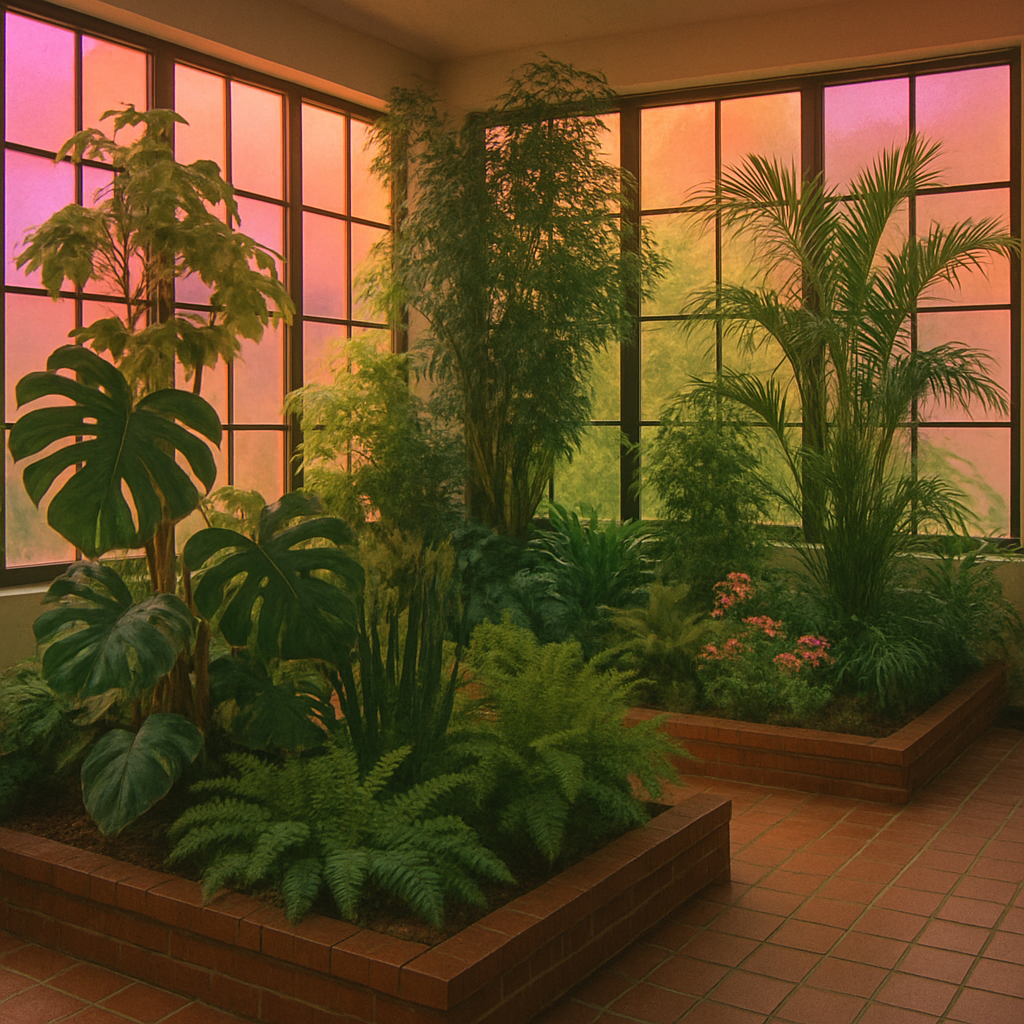
As homeowners, we are constantly seeking ways to enhance our living spaces while maintaining comfort and aesthetics. One popular solution that many consider is home window tinting. But a question arises for those who cherish their indoor gardens: Will home window tinting harm your indoor plants? Let’s delve into this topic to understand the implications of window tinting on indoor greenery and how you can make informed decisions that benefit both your home environment and your beloved plants.
Understanding Home Window Tinting
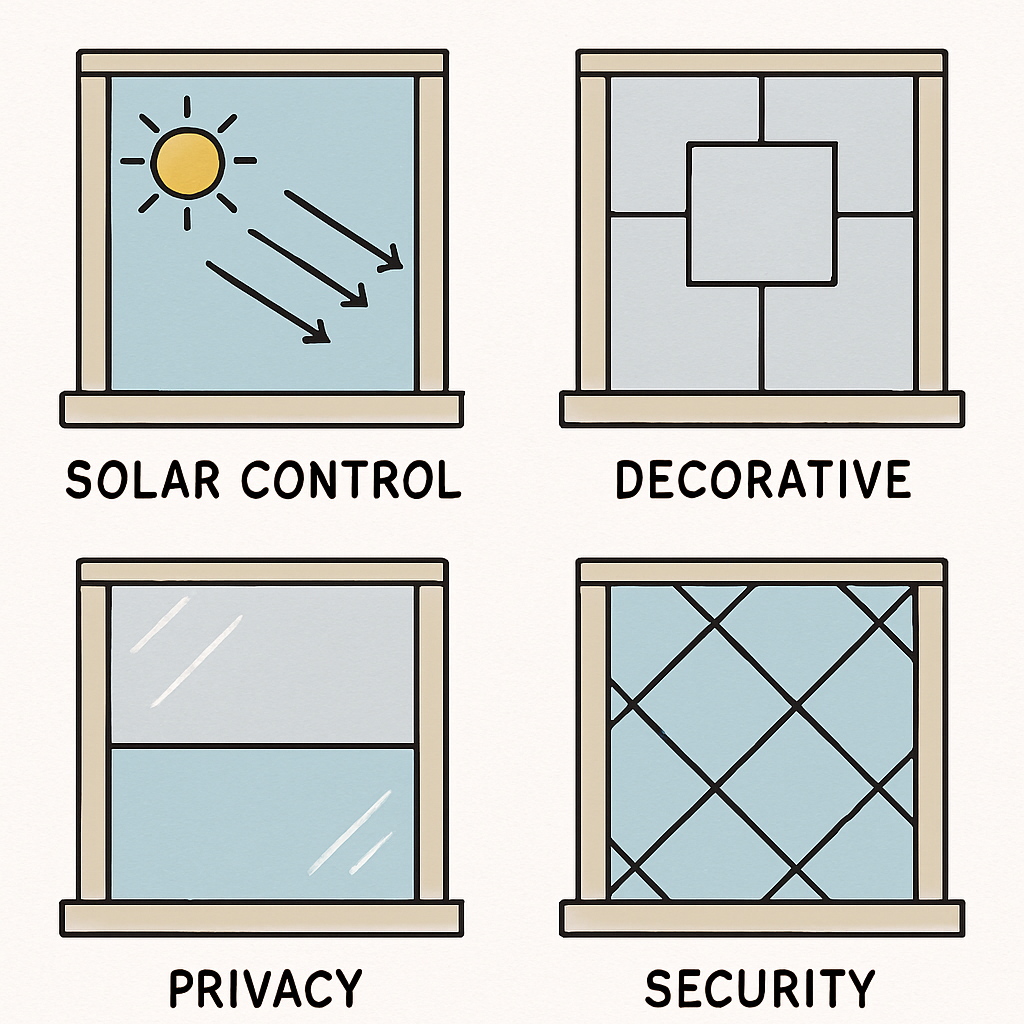
Home window tinting involves applying a thin film to the interior or exterior of glass windows. This film can serve multiple purposes, including reducing glare, enhancing privacy, improving energy efficiency, and protecting furniture from UV damage. The benefits are clear, but what about the impact on your indoor plants?
How Window Tinting Affects Light Levels
Plants require light for photosynthesis, a process that enables them to convert light energy into chemical energy. The quality and quantity of light can significantly affect plant health. Window films are designed to filter and reduce the intensity of sunlight entering your home. This can be beneficial for reducing heat and glare, but how does it affect the light your plants receive? According to the Encyclopaedia Britannica explanation of photosynthesis, light intensity directly influences a plant’s ability to produce energy.
Types of Window Film and Light Transmission
There are various types of window films, each with different levels of light transmission. These include:
- Reflective Films: These films are great for privacy and heat reduction but can significantly decrease the amount of visible light entering the room.
- Dyed Films: These films absorb solar energy and can reduce light transmission moderately.
- Ceramic Films: Known for high performance, these films allow for better light transmission while still blocking UV and infrared rays.
Choosing the right type of film is crucial to ensure your plants continue to receive sufficient light.
Will Window Tinting Harm Your Plants?
The short answer is, it depends on the type of plants and the intensity of tinting. Many indoor plants are adaptable and can thrive with less light, especially if the tint is not excessively dark. However, certain plants, particularly those that thrive in bright, direct sunlight, might struggle if the light reduction is too significant.
Considerations for Plant Health
- Light Requirements: Assess the light needs of your specific plants. Shade-loving plants like ferns or peace lilies may not be affected much by window tinting, while sun-loving varieties like succulents or citrus plants might need a more strategic placement.
- Film Type: As discussed, different films offer varying degrees of light transmission. Opt for films that allow adequate light for your plants’ needs.
- Placement: Consider the placement of your plants in relation to the windows. Moving plants closer to the window or choosing a window with less tint can help.
Adapting Your Plants
If you’ve already installed window tinting and notice your plants are struggling, consider these adjustments:
- Supplemental Lighting: Introduce grow lights to provide the necessary light spectrum for your plants. The U.S. Department of Energy LED lighting guide explains how efficient lighting can support plant growth indoors.
- Repositioning: Move plants to areas with higher natural light or near windows with less tint.
- Monitoring: Keep an eye on plant health and adjust care routines as needed, such as watering and fertilization.
Benefits of Window Tinting Beyond Plant Health
While plant health is a significant consideration, it’s also important to recognize the broader benefits window tinting offers to your home.
Enhanced Privacy and Security
Privacy window films allow you to enjoy natural light without compromising privacy. They are especially beneficial for ground-level rooms or windows facing busy streets.
Improved Energy Efficiency
Window tinting helps in reducing energy costs by minimizing heat gain in the summer and heat loss in the winter, creating a more consistent indoor climate and reducing the need for artificial heating and cooling.
UV Protection
Prolonged exposure to UV rays can damage your furniture, flooring, and artwork. Window films block a significant portion of these harmful rays, prolonging the life of your interiors.

by Mak (https://unsplash.com/@mak_jp)
Making an Informed Decision
As an interior designer or homeowner, your goal is to create a harmonious living space that balances aesthetics, function, and comfort. When considering window tinting, weigh the benefits against the needs of your indoor plants.
Consultation and Professional Installation
Consulting with a professional window film installer can provide valuable insights into the best options for your specific needs, ensuring you select a film that offers the right balance of light transmission and other benefits.
Final Thoughts
Home window tinting can be a transformative addition to your living space, offering numerous benefits from energy savings to enhanced privacy. By carefully selecting the right film and considering the needs of your indoor plants, you can enjoy the best of both worlds—a stylish, comfortable home and thriving indoor greenery.
In summary, with thoughtful planning and adjustments, window tinting does not have to spell doom for your indoor plants. Instead, it can be part of a comprehensive approach to creating a beautiful and functional home environment.