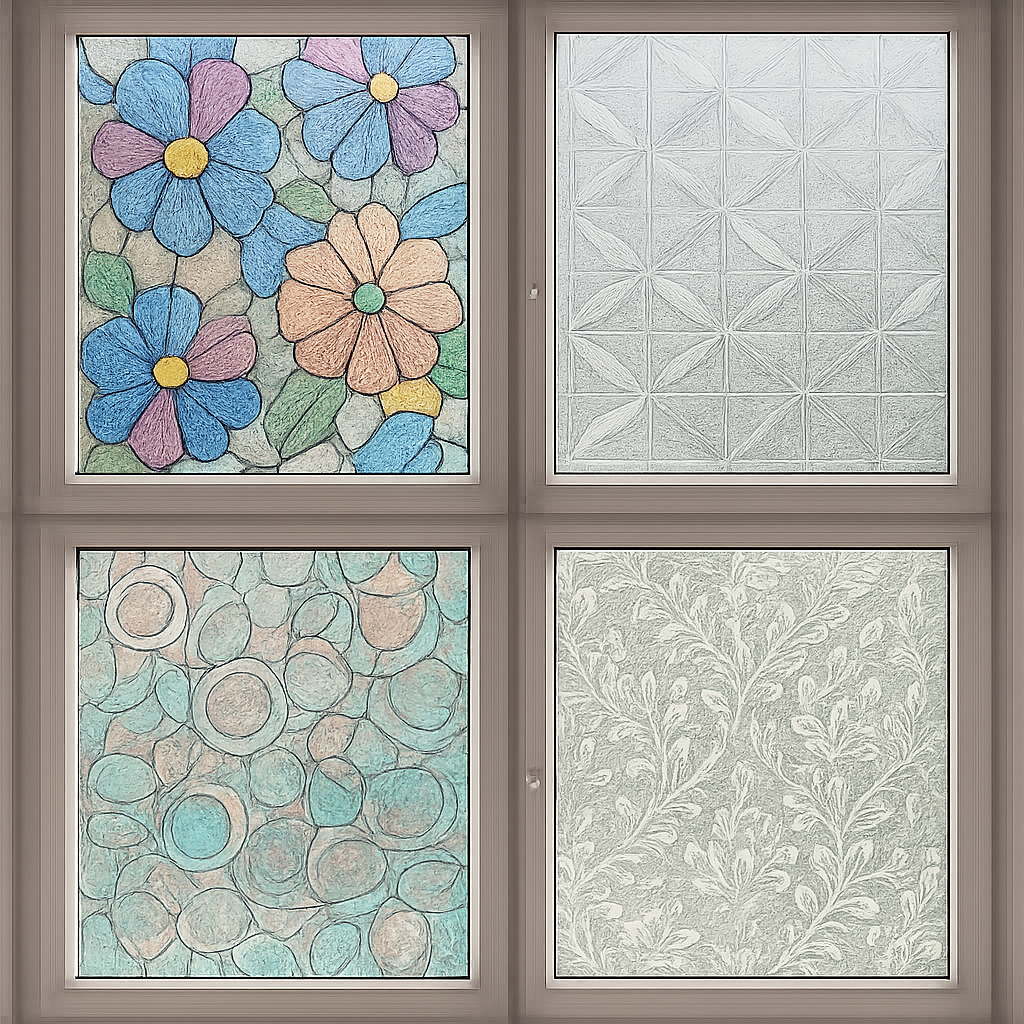
# Everything Beginners Should Know About Decorative Window Film
In the realm of home improvement, decorative window film is an unsung hero. Whether you’re an interior designer aiming to enhance a client’s space or a homeowner looking to add a touch of elegance and privacy, decorative window film offers a versatile and cost-effective solution. This guide will walk you through everything you need to know about this innovative window covering option.
What is Decorative Window Film?
Decorative window film is a thin, adhesive material applied to glass surfaces to add design, privacy, and functionality. Unlike traditional window coverings, such as curtains or blinds, window film offers a seamless way to enhance the aesthetic of a space without obstructing light.
Types of Decorative Window Film
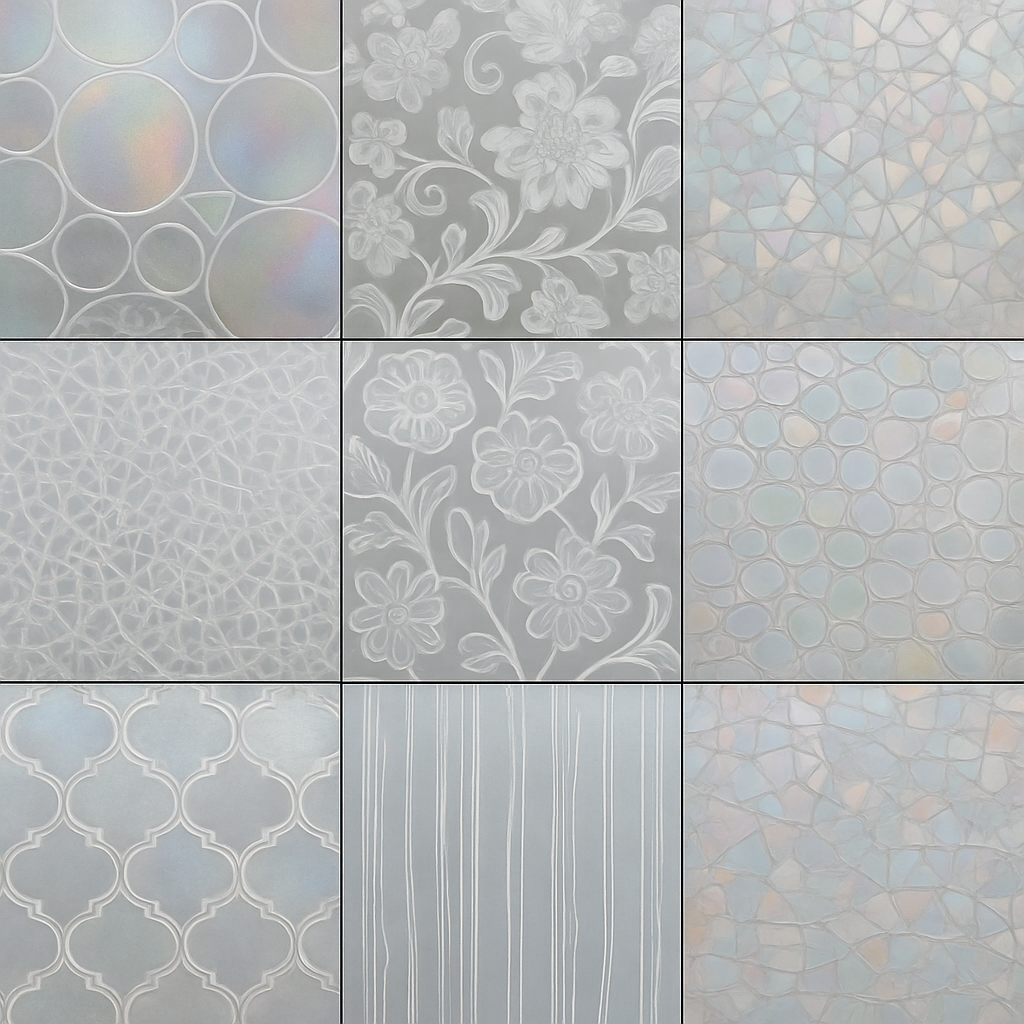
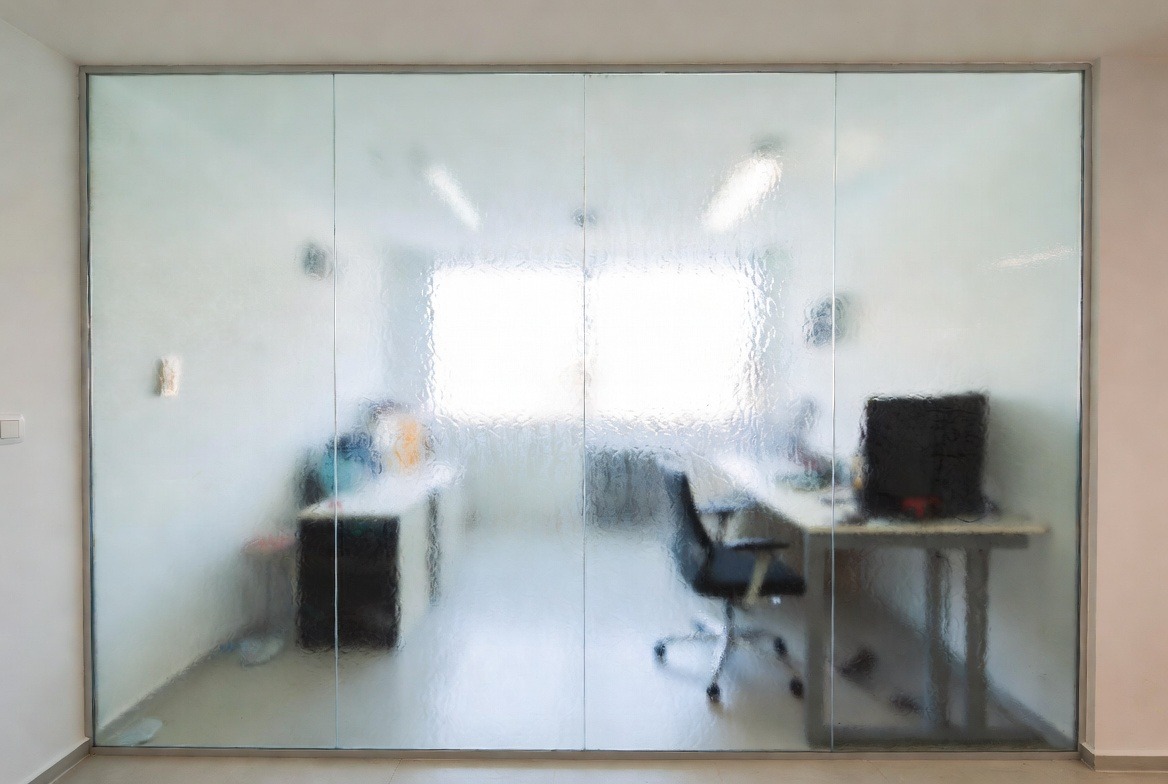
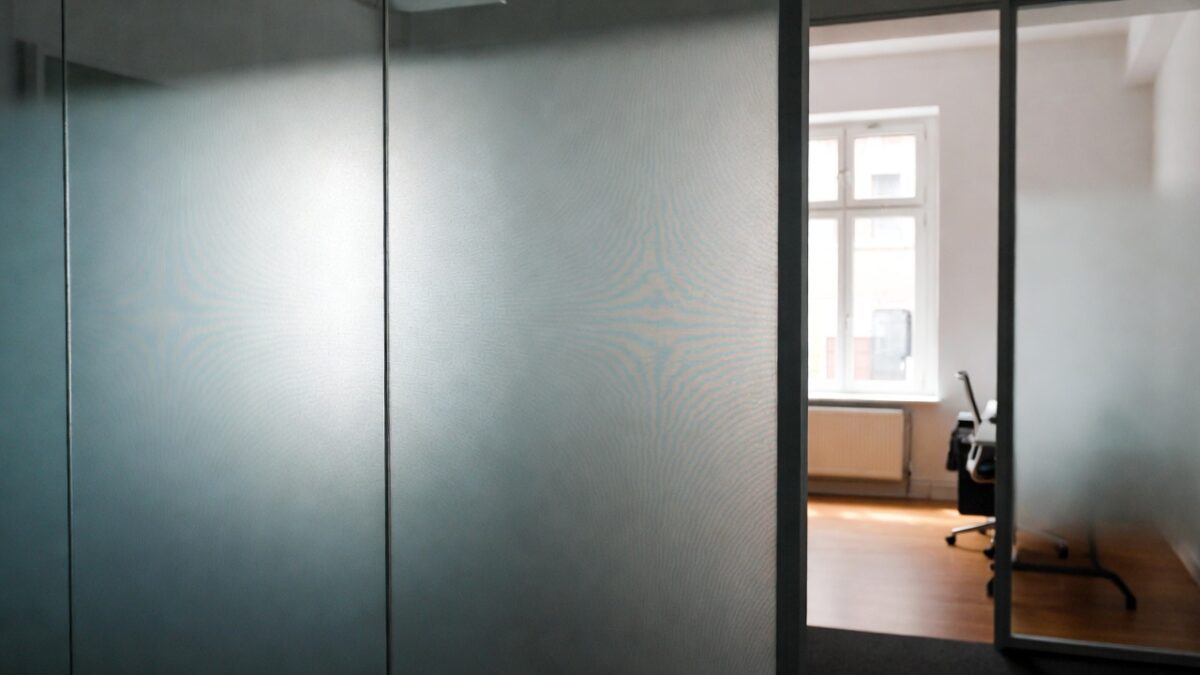
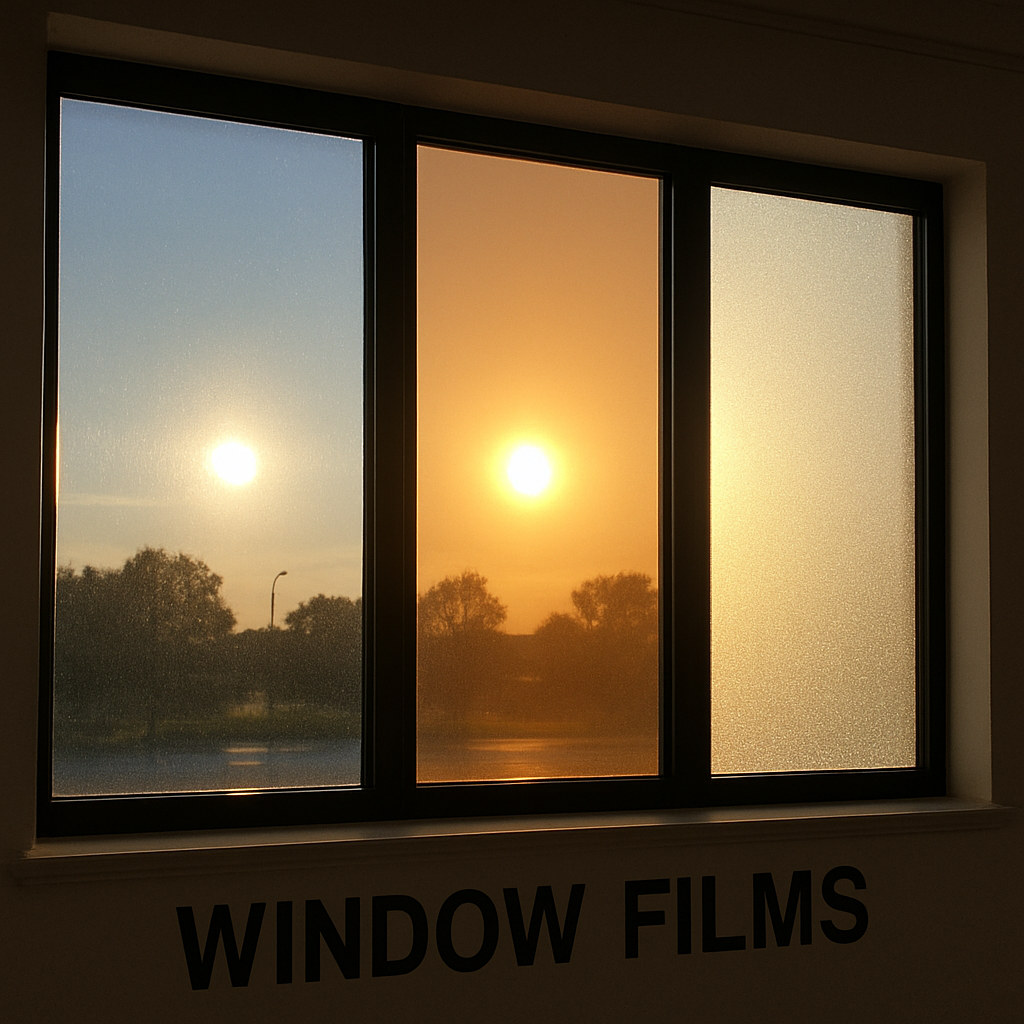
Frosted Film: Creates a sandblasted appearance that diffuses light while ensuring privacy.
Stained Glass Film: Mimics the appearance of stained glass, adding color and artistry to windows.
Etched Glass Film: Offers the elegant look of etched glass at a fraction of the cost.
Privacy Film: Provides one-way visibility, ideal for spaces that need to maintain privacy while still letting in light.
Benefits of Decorative Window Film
Decorative window film isn’t just about aesthetics. It provides a range of benefits that make it an attractive choice for both residential and commercial properties.
Enhancing Privacy
One of the primary reasons people opt for decorative window film is to enhance privacy. Unlike traditional curtains, window film allows natural light to flow into a room while obscuring the view from outside. This makes it ideal for bathrooms, bedrooms, or any room where privacy is a priority.
Energy Efficiency
Decorative window film can also contribute to energy efficiency. By blocking out harmful UV rays, it helps regulate the temperature in a room, reducing the need for air conditioning in the summer and heating in the winter. This not only lowers energy bills but also protects furnishings and flooring from fading.
Aesthetic Appeal
The variety of patterns and designs available means you can find a decorative window film to suit any style or preference. Whether you want to add a modern touch or a classic look, there’s a film that can enhance the visual appeal of your space.
Easy Installation and Maintenance
Unlike permanent glass treatments, decorative window film is easy to install and can be removed without damaging the glass. It’s a great option for renters or anyone who may want to change their decor in the future.
How to Choose the Right Decorative Window Film
When selecting decorative window film, consider the specific needs and style of the space.
Assess Your Privacy Needs
If privacy is your main concern, choose a film that provides the level of obscurity you need. Frosted or one-way privacy films are great for areas where you want to prevent prying eyes without sacrificing natural light.
Consider the Aesthetic
Think about the overall design of the room. If you’re aiming for a contemporary look, opt for films with geometric patterns or subtle textures. For a more traditional space, stained glass or intricate designs can add a touch of elegance.
Evaluate Light and Heat Control
Consider how much light and heat you want to control. Some films are designed to block more UV rays than others, so if energy efficiency is a priority, look for films with high UV protection ratings.
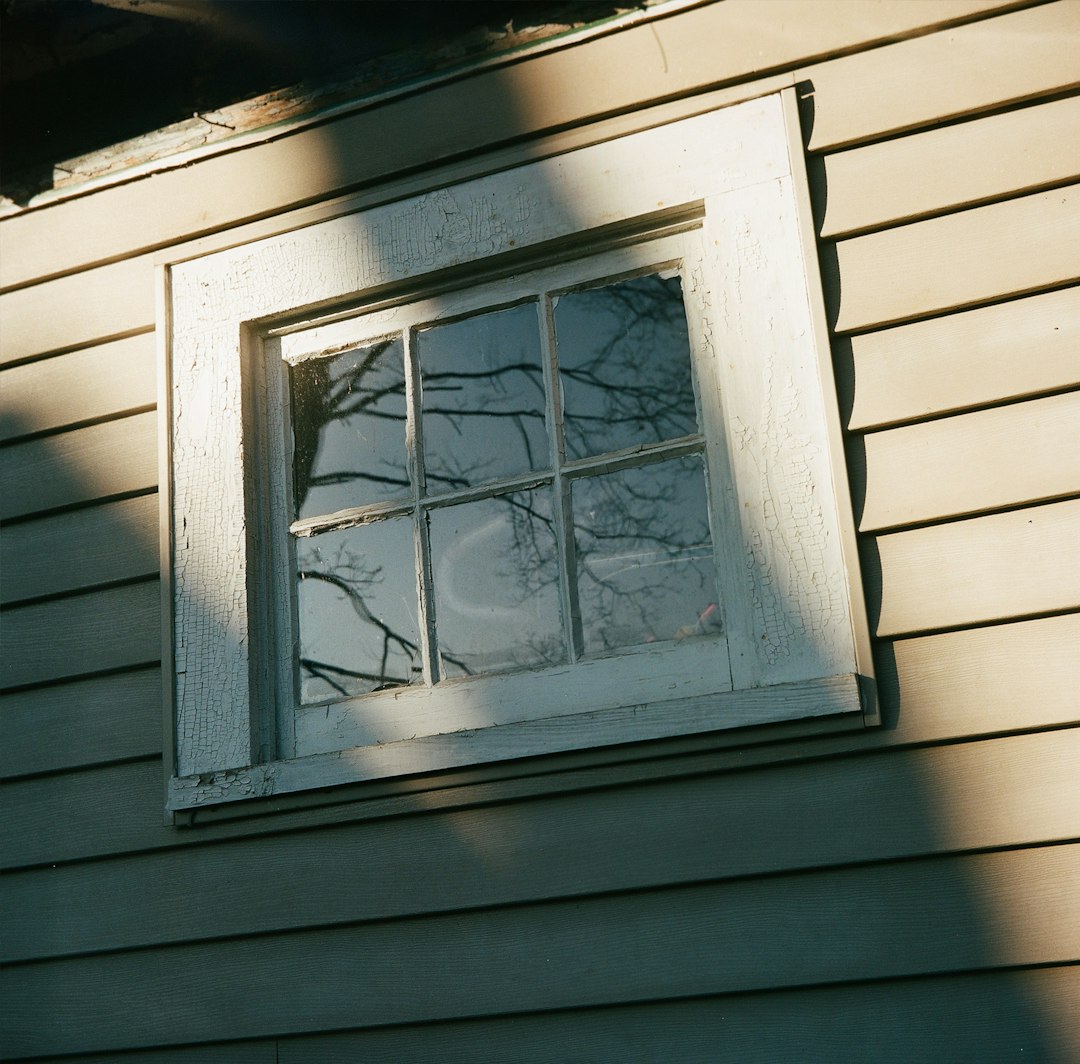
by Callum Blacoe (https://unsplash.com/@blayco)
Installation Tips for Decorative Window Film
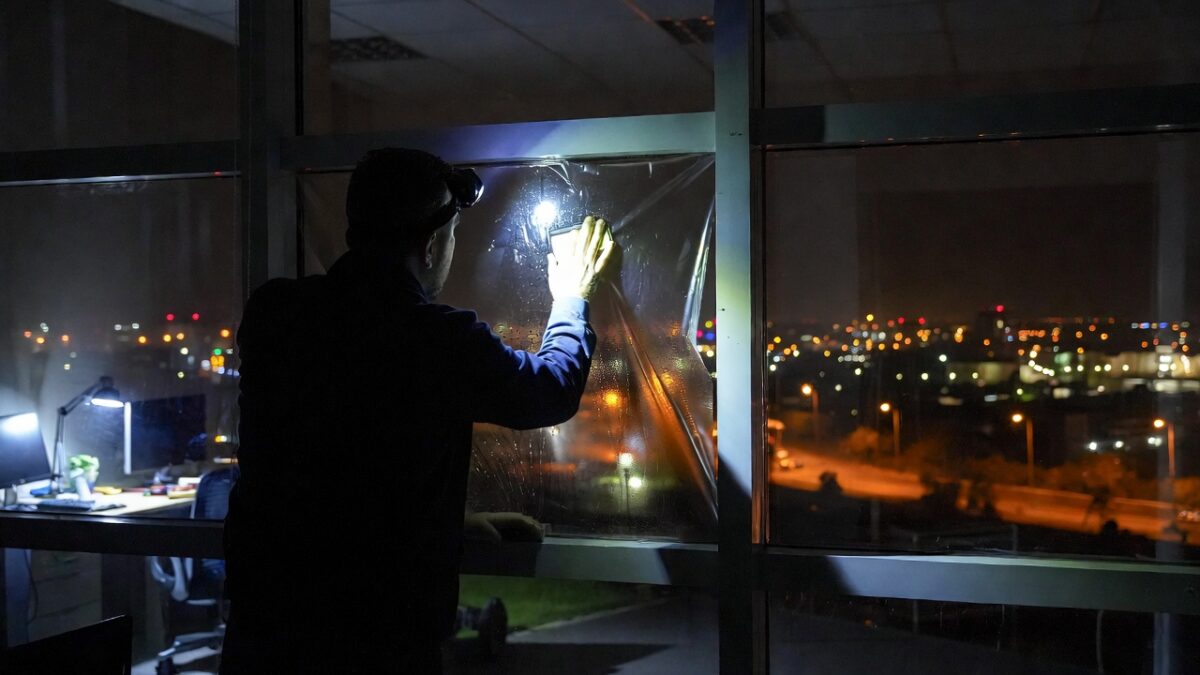
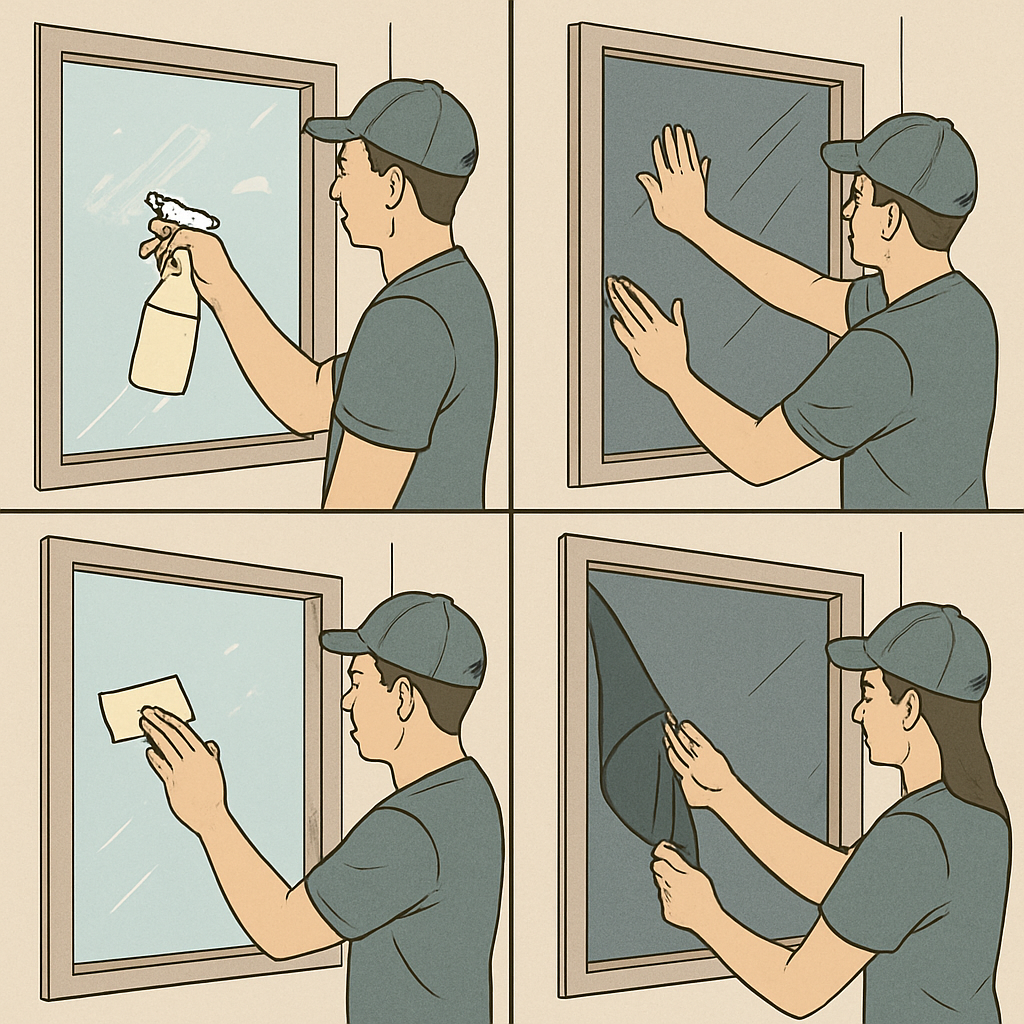
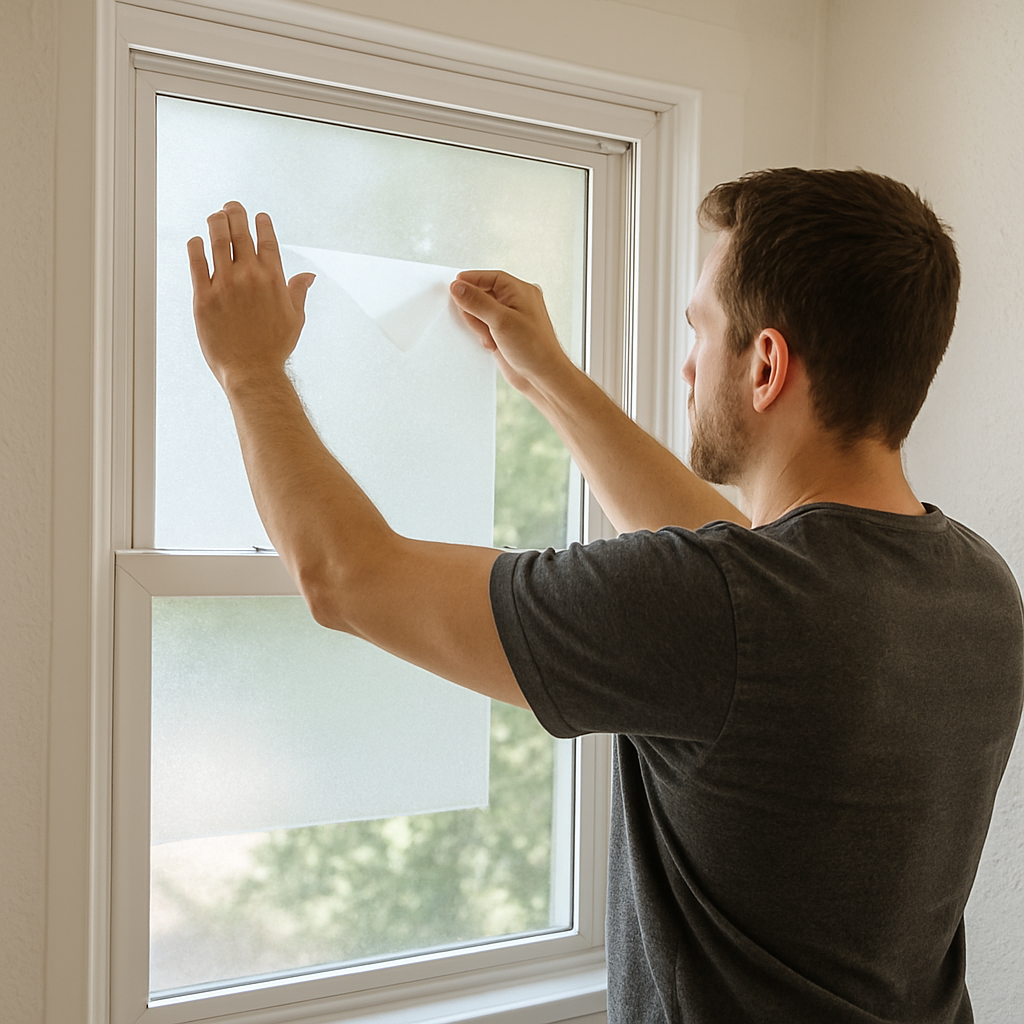
Installing decorative window film can be a DIY project, but for the best results, follow these tips:
Clean the Glass: Ensure the window is free of dust and grime before application. Use a glass cleaner and a lint-free cloth.
Measure Accurately: Cut the film to the exact size of the window for a seamless fit.
Use a Squeegee: After applying the film, use a squeegee to remove air bubbles and ensure a smooth finish.
Trim Excess Film: Carefully trim any excess film with a sharp utility knife for a clean edge.
Maintaining Your Decorative Window Film
Once installed, decorative window film requires minimal maintenance. Clean it with a soft cloth and mild soapy water. Avoid abrasive cleaners or scrubbing tools that can scratch the film.
Conclusion
Decorative window film is an excellent solution for those looking to enhance their space with style and functionality. It offers privacy, energy efficiency, and aesthetic appeal in one simple package. Whether you’re redesigning a home or updating an office, decorative window film is a smart choice for modern window coverings.
By understanding the types, benefits, and installation techniques, you can make an informed decision and enjoy the many advantages that decorative window film has to offer. So, why wait? Transform your windows and elevate your interior design with the versatility of decorative window film today.
In the modern age of home improvement, achieving privacy without compromising style has become a significant concern for homeowners and interior designers alike. With open floor plans and expansive windows becoming more popular, maintaining privacy while still allowing natural light to flood into living spaces is a delicate balance. Window films have emerged as a versatile solution, offering privacy while enhancing the aesthetic appeal of your living spaces. They provide a sleek, modern alternative to traditional window coverings, blending seamlessly with any decor. But do they work effectively at night? Let’s delve into the world of window films and explore their role in providing nighttime privacy.
Window films are thin, adhesive layers applied to windows to control light, increase privacy, and improve energy efficiency. They come in various styles, including frosted, tinted, and blackout films, each serving different purposes. These films not only enhance privacy but also add a layer of protection against harmful UV rays and reduce glare, making them a multifunctional home improvement choice. According to the U.S. Department of Energy, properly selected window films can also contribute to improved energy performance in homes. While daytime privacy is often achieved with ease, nighttime privacy requires a more strategic approach. This is because the dynamics of light exposure change, necessitating a careful selection of window film type to ensure optimal privacy around the clock.
During the day, window films work by reflecting light, which makes it difficult for outsiders to see inside. This reflective property is particularly effective when the outside is brighter than the inside, creating a one-way mirror effect. However, at night, when interior lights are on, the situation reverses. The light from inside your home can make it easier for people outside to see in. This is where the choice of window film becomes crucial for maintaining privacy after dark. The effectiveness of a window film at night often depends on its opacity and the presence of additional window treatments such as blinds or curtains.
Choosing the right type of window film is essential for ensuring privacy at night. Each type of film offers different benefits and levels of privacy, so understanding your specific needs is vital. Here are some options that can help:
Blackout window films are designed to block light completely. They are ideal for bedrooms or rooms where you need maximum privacy and darkness. These films prevent any light from passing through, ensuring that no one can see inside, regardless of the time of day. If you’re considering ways to enhance comfort and privacy, you may also want to explore comfort with blackout films. Beyond privacy, blackout films are also excellent for creating a dark environment conducive to better sleep by blocking out streetlights and early morning sun. However, their complete opacity means they also block out natural light during the day, which may not be ideal for all rooms.
Frosted films offer privacy by obscuring the view from both inside and outside. They allow natural light to filter through while preventing prying eyes. Frosted films are suitable for bathrooms, offices, and any room where you want to maintain some level of light while ensuring privacy. The subtle, elegant appearance of frosted films can also add a decorative touch to your windows, doubling as an interior design element. They are available in various patterns and designs, allowing for customization to match your decor style while providing the privacy you need.
Reflective films work by bouncing light off the surface, creating a mirror-like effect. While they offer excellent daytime privacy, their effectiveness decreases at night when the interior lights are on. This is because the reflective quality diminishes when the light source is stronger inside than outside. To enhance nighttime privacy, consider pairing reflective films with curtains or blinds. This combination can provide the flexibility to enjoy natural light during the day and complete privacy at night, making it a versatile solution for various settings.
Window films provide several benefits beyond privacy. They are a smart investment for any home or office, offering long-term advantages that go beyond immediate aesthetic improvements. Here are some additional advantages:
Window films can significantly reduce heat gain during the summer and heat loss during the winter. This helps in maintaining a comfortable indoor temperature, reducing the need for heating and cooling systems, and ultimately lowering energy bills. By acting as an insulator, window films contribute to energy conservation, making your home more environmentally friendly. This efficiency not only saves money but also enhances your home’s overall sustainability footprint, an increasingly important consideration for modern homeowners.
Prolonged exposure to UV rays can damage furniture, flooring, and artwork. Window films block up to 99% of harmful UV rays, protecting your interiors from fading and extending the life of your furnishings. The U.S. Environmental Protection Agency (EPA) explains how UV radiation can impact both materials and human health, reinforcing the importance of UV protection indoors. This protective feature is crucial for maintaining the vibrancy and condition of your home’s interiors, preserving the value of your investments. Additionally, by reducing UV exposure, window films can also help protect your skin from harmful rays when indoors, adding another layer of health protection.
Compared to other privacy solutions like blinds or curtains, window films are often more cost-effective. They offer a long-term solution without the need for frequent replacements or maintenance. The initial investment in window films can pay off over time with reduced energy costs and extended life of interior furnishings. Moreover, their durability means less hassle and lower costs in terms of replacements or repairs, providing peace of mind alongside privacy and style.
The installation of window films requires precision and expertise. A professional installation ensures that the film is applied smoothly and effectively without bubbles or creases. This not only enhances the film’s appearance but also its longevity and performance. Moreover, window films can be customized to suit your specific needs, whether you prefer a particular design, pattern, or level of opacity. Customization options allow homeowners to maintain their unique style while addressing specific privacy and aesthetic concerns.
As an interior designer, understanding your client’s unique requirements is crucial. Window films can be tailored to match the aesthetic of any space, providing a seamless blend with the existing decor. This customization is key to delivering a solution that not only meets privacy needs but also enhances the overall look of the room. Whether opting for a minimalist design or a bold statement piece, window films offer the flexibility to support any vision. By working closely with clients, designers can ensure that the chosen films meet both functional and stylistic goals, creating spaces that are both beautiful and secure.
While window films offer various benefits, it’s essential to consider some factors for optimal nighttime privacy. Understanding these factors can help maximize the effectiveness of window films and ensure they meet your specific needs.
For enhanced privacy, especially at night, consider layering window films with other treatments like curtains or blinds. This combination provides flexibility, allowing you to adjust the level of privacy and light according to your preferences. The ability to draw curtains or close blinds at night adds an extra layer of security and peace of mind. Layering also allows you to play with textures and colors, adding depth and interest to your window design while maintaining functionality.
Evaluate the light sources in and around your home. Exterior lighting, such as streetlights or neighbor’s lights, can impact the effectiveness of window films at night. Adjusting these light sources or choosing a suitable film can enhance privacy. Consider using outdoor lighting that minimizes glare and strategically positioning interior lights to reduce visibility from outside. This strategic assessment ensures that your window films perform optimally, providing the privacy and comfort you desire.
Window films offer a practical and stylish solution for achieving privacy while enhancing the aesthetics of your living spaces. Whether you choose blackout, frosted, or reflective films, understanding their benefits and limitations is crucial for ensuring nighttime privacy. Each type of film has its unique advantages, making it essential to assess your specific needs and environment before making a choice. By tailoring your choice to your specific needs and considering additional treatments, window films can be an effective part of your home improvement strategy.
As a trusted source of home improvement solutions, I am committed to providing quality and precision in window film installations, ensuring that your privacy and aesthetic needs are met with excellence. With the right approach and materials, you can transform your home into a private, elegant sanctuary that reflects your personal style and meets your practical needs. Explore the world of window films and transform your home into a private, elegant sanctuary today.
Window films are now one of the most practical upgrades for offices with glass partitions in Toronto and across the GTA. As more companies build open offices with glass walls, business owners start searching for window films to fix privacy, glare, and safety issues without replacing glass.
Office window films install directly onto interior glass partitions. They help manage visibility, reduce sunlight glare, and make large glass panels easier to see. This allows offices to stay bright and open while solving daily problems that staff actually complain about.
If you are researching window films for office glass partitions in Toronto, this guide explains what they are, how they work, and why many local businesses now rely on them.
What Window Films Do on Office Glass Partitions
Window films are thin sheets applied to glass surfaces. In offices, they are commonly used on partitions, meeting rooms, and interior doors.
Glass layouts are popular in downtown Toronto, North York, Mississauga, Vaughan, and Markham. They allow natural light to move through the space. But glass also removes privacy.
Window films bring back control.
They blur direct views, reduce glare on computer screens, and add visibility markings to prevent accidents. Some films are decorative. Some are frosted. Some are nearly invisible.
The film sits flat against the glass. It does not peel easily when installed correctly. It does not trap dust. It feels permanent but can be removed later.
Installation is handled by a professional window tinting service. The tools are similar to tinting car windows, but the purpose is different. In offices, the goal is comfort and privacy.
Why Toronto Businesses Add Window Films to Glass Offices
Most Toronto offices call for window films after facing the same issues.
One issue is visibility. Teams working near Yonge and Bloor often mention that meeting rooms feel exposed. Glass partitions allow everyone to see inside.
Another issue is glare. West-facing offices in Liberty Village and Etobicoke get strong afternoon sun. Reflections bounce from glass to screens.
Safety is another concern. Large glass panels are hard to see. Staff and visitors walk into them.
Window films reduce these problems without changing the office layout.
A marketing agency near King Street added frosted bands after employees said they felt distracted by movement outside meeting rooms. A medical office in Scarborough installed patterned films so patients had more privacy at reception.
Both offices kept natural light. Both issues were solved in less than two days.
Common Types of Window Films for Office Partitions
Different window films serve different purposes.
Frosted Window Films
Frosted window films are the most common choice for office glass partitions. They blur views but allow light to pass through.
They work well in HR offices, boardrooms, and shared workspaces.
A downtown accounting firm near Adelaide Street struggled with privacy complaints. Staff said clients could see computer screens during meetings.
They installed frosted window films on lower glass panels and left upper glass clear.
Within days, complaints stopped. The office stayed bright. No walls were added.
Another case involved a Brampton co-working space. Members wanted separation but not isolation. Gradient window films gave partial privacy while keeping an open feel.
The owner said the space felt more focused after the install. Productivity improved slightly. Hard to measure, but people felt better.
Choosing the Right Window Films for Your Office
Ask simple questions.
How much privacy do you need?
Is glare a daily problem?
Is the space leased?
Do you want branding on glass?
A good window tinting service explains film samples clearly. They should show how light passes through.
Why Window Films Continue to Grow in Toronto Offices
Glass offices are staying. Privacy needs are growing.
Window films allow businesses to adjust glass spaces without major renovation.
For offices in Toronto, North York, Scarborough, Mississauga, Brampton, Vaughan, and Markham, window films offer a clean and practical solution.
Glass should support work, not distract from it. Window films help make that happen.
In this comprehensive guide, we’ll break down the pros and cons of both types, helping you make an informed decision that best suits your needs and enhances your home’s interior design. Understanding the differences will also aid in maximizing the benefits of your chosen window film, ensuring a comfortable and stylish home environment.
Before diving into the pros and cons, it’s essential to understand what window films are. Window films are thin, multi-layered polyester materials applied to the glass surfaces of windows. They serve various purposes, including reducing glare, blocking UV rays, and improving privacy. These films can be a subtle yet impactful addition to your home, offering both functional and aesthetic enhancements.
Window films have become increasingly popular due to their versatility and effectiveness in addressing common household issues. They can be tailored to meet different needs, from enhancing privacy to improving energy efficiency, making them a worthwhile consideration for any homeowner. As their application continues to evolve, window films remain a top choice for those looking to optimize their living spaces.
Types of Window Films
There are several types of window films, each designed for specific purposes. The most common types include:
Solar Control Films: These films help in controlling the amount of sunlight and heat that enters your home, making your living spaces more comfortable and energy-efficient. By reducing heat gain, they can significantly lower cooling costs during hot months, providing a cost-effective solution to thermal regulation.
Security Films: These are thicker films that hold shattered glass together, adding an extra layer of security. They are ideal for deterring break-ins and protecting against storm damage, offering peace of mind to homeowners concerned about safety and security.
Decorative Films: These add aesthetic value to your windows and can mimic the look of stained or frosted glass. Decorative films are perfect for adding character and style to your home, allowing you to personalize your space without permanent alterations.
Privacy Films: Designed to obscure vision through the window while still allowing light to enter, privacy films are ideal for areas where discretion is needed, such as bathrooms and street-level rooms. They balance openness with seclusion, ensuring both comfort and privacy.
Interior window films are excellent for blocking harmful UV rays. They protect your furniture, flooring, and fabrics from fading, ensuring longevity. This protection extends the life of your interior furnishings, preserving their color and condition over time.
Additionally, by blocking up to 99% of UV radiation, these films can also contribute to better skin health for you and your family, reducing the risk of sun-induced damage indoors. This makes them a practical investment for both aesthetic and health-related reasons.
Cost-Effective Solution
Interior films are generally more affordable than exterior films. They provide an economical solution to improve comfort and efficiency. Their lower cost makes them accessible to a broader range of homeowners, allowing more people to benefit from the advantages of window film technology.
Moreover, their cost-effectiveness does not compromise their performance. Interior films can still deliver significant energy savings by reducing the need for artificial lighting and air conditioning, thus lowering utility bills.
Easy Installation and Maintenance
Installing interior window films is often straightforward, and they require minimal maintenance. Cleaning is easy, usually involving just mild soap and water. This simplicity makes them an attractive option for DIY enthusiasts who prefer to handle home improvements themselves.
The ease of maintenance also means that interior films can maintain their appearance and effectiveness with minimal effort, providing long-term benefits with little ongoing upkeep. This convenience is a major selling point for busy homeowners.
Enhanced Privacy
Interior films can increase privacy without sacrificing natural light, making them perfect for spaces like bathrooms and bedrooms. They allow you to enjoy the beauty of daylight while maintaining a sense of seclusion from the outside world.
This enhanced privacy is particularly valuable in densely populated areas where homes are close together, helping to create a more private and peaceful living environment. It also adds a layer of security by obscuring the view into your home from potential intruders.
Cons of Interior Window Film
Limited Heat Rejection
Interior films may not be as effective in rejecting heat compared to exterior films, especially in very sunny areas. This limitation can result in higher indoor temperatures and increased reliance on air conditioning, potentially offsetting some of the energy savings.
In regions with intense sunlight, the reduced heat rejection capacity might lead to discomfort during peak summer months, making it essential to weigh this factor against other benefits when choosing interior films.
Potential for Glass Breakage
In some cases, interior films can absorb too much heat, leading to glass breakage, particularly in double-pane windows. This risk is heightened if the film is not properly matched to the window type or if installation guidelines are not followed.
To mitigate this risk, it’s crucial to consult with professionals or manufacturers to ensure compatibility and proper installation techniques, safeguarding both your windows and your investment.
Less Effective in Extreme Weather
Interior films might not perform as well in extreme weather conditions, such as intense heat or cold. Their insulation capabilities may be limited, resulting in less effective temperature control compared to exterior films.
In climates with drastic temperature fluctuations, this could mean less comfort and higher energy costs, as heating and cooling systems work harder to maintain a stable indoor environment.
Pros and Cons of Exterior Window Film
Pros of Exterior Window Film
Superior Heat Rejection
Exterior films are more effective in blocking heat before it enters the home, providing better temperature control and comfort. This superior performance can lead to a cooler indoor environment, reducing the need for air conditioning during hot weather.
By reflecting sunlight away from the building, exterior films help to maintain a consistent indoor climate, enhancing overall comfort and reducing the strain on HVAC systems. This efficiency translates into significant energy savings over time.
Durability and Strength
Exterior films are designed to withstand harsh weather conditions, offering a robust solution for homes in extreme climates. Their durability ensures long-lasting performance, even under constant exposure to sunlight, rain, and wind.
This strength makes them an ideal choice for homeowners looking for a resilient option that can handle environmental challenges, providing peace of mind and protection against the elements.
Reduced Glare and Improved Clarity
These films reduce glare from the sun, enhancing indoor visibility and comfort. By minimizing glare, they create a more pleasant viewing environment, ideal for rooms with screens or where natural light is desired.
Improved clarity also means that you can enjoy uninterrupted views of the outdoors, maintaining a connection with nature while benefiting from the protective qualities of the film.
Energy Efficiency
By blocking more heat, exterior films can significantly reduce energy costs, leading to savings on your utility bills. This efficiency makes them a smart investment for those focused on long-term financial and environmental benefits.
In addition to lowering energy consumption, exterior films contribute to a smaller carbon footprint, aligning with sustainable living practices and supporting eco-friendly home improvements.
Cons of Exterior Window Film
Higher Cost
Exterior films are generally more expensive than interior films, both in terms of materials and installation. This higher upfront cost can be a barrier for some homeowners, especially those on a tight budget.
However, the long-term savings on energy bills and the extended lifespan of exterior films can offset this initial investment, making them a financially sound choice for many.
Complex Installation
Installation of exterior films can be more challenging, often requiring professional assistance to ensure proper application. This complexity adds to the overall cost and requires coordination with skilled installers.
Despite the initial hurdles, professional installation ensures the film’s effectiveness and longevity, maximizing the benefits and preventing common issues like bubbling or peeling.
Maintenance Challenges
Exterior films are exposed to the elements, which can lead to wear and tear over time. They might require more frequent maintenance or replacement, depending on environmental conditions.
Regular inspections and cleaning can help prolong their lifespan, but homeowners should be prepared for potential upkeep to maintain their performance and appearance.
When deciding between exterior and interior window films, consider the specific needs of your home and your personal preferences. Here are some factors to guide your decision:
Climate Considerations
If you live in an area with extreme weather conditions, exterior films might be the better choice due to their durability and superior heat rejection capabilities. Their resilience makes them suitable for regions with intense sunlight, heavy rainfall, or high winds, providing consistent performance year-round.
Conversely, in milder climates, interior films may suffice, offering adequate protection and benefits without the additional cost and complexity associated with exterior options.
Budget Constraints
For homeowners on a tighter budget, interior films offer a cost-effective alternative that still provides many benefits. Their lower price point makes them accessible to a wide range of consumers, allowing for improvements in comfort and efficiency without significant financial strain.
It’s important to balance initial costs with long-term savings potential, considering how each film type will impact energy bills and maintenance expenses over time.
Aesthetic Preferences
Consider whether you prefer the look of a particular film type. Decorative films can enhance the appearance of your windows and complement your interior design. The right film can add a touch of elegance or modernity, aligning with your personal style and the overall aesthetic of your home.
Exterior films may offer a more subtle look, maintaining the exterior appearance of your home while providing functional benefits. Choosing the right film involves finding a balance between visual appeal and performance.
Privacy and Security Needs
Think about your privacy and security requirements. If security is a top priority, you might opt for thicker security films. These films provide added protection against break-ins and accidents, offering peace of mind for families and individuals concerned with safety.
Privacy films are ideal for those seeking to shield their interiors from prying eyes, creating a more secluded and comfortable living environment without sacrificing natural light.
Conclusion
Both interior and exterior window films offer distinct advantages and disadvantages. By understanding the pros and cons, you can select the solution that best aligns with your lifestyle and home improvement goals. Window films are an excellent investment for homeowners seeking to enhance comfort, increase energy efficiency, and elevate the aesthetic value of their living spaces.
With the right choice, you’ll enjoy a more comfortable and stylish home environment. Remember, whether you choose interior or exterior films, professional installation can often ensure the best results, maximizing the benefits of your investment and extending the life of the film. Proper installation and maintenance are key to reaping the full benefits of window film technology, ensuring your home remains comfortable, efficient, and beautiful for years to come.
Window films are one of the most effective solutions for retail storefront privacy in Toronto. Business owners search for window films when large glass windows create glare, expose interiors after dark, or make customers feel watched. In high-traffic neighbourhoods across the GTA, window films help retail stores control visibility, reduce sunlight, and improve comfort without replacing glass.
Retail storefront privacy solutions using window films work by adjusting how light and sight pass through existing glass. The film is applied directly to the surface. No construction. No glass removal. Most businesses stay open during installation.
Modern Toronto storefronts often use full-height glass panels. During the day, that openness feels clean and welcoming. At night, and during long winter afternoons, that same glass makes everything visible. Staff walking to the back. POS screens glowing. Inventory stacked near walls.
Window films help fix these everyday problems while keeping stores bright. This guide explains how storefront window films work, why Toronto retailers choose them, and which types solve real issues in busy areas like Queen West, Yorkville, North York, and Scarborough.
Why Window Films Matter for Retail Storefronts in Toronto
Retail owners usually install window films after a repeated issue becomes hard to ignore.
One common problem is night exposure. A small specialty tea shop near Queen and Ossington noticed people standing outside after closing, staring through the glass. Nothing was stolen, but staff felt uneasy. After adding privacy window films to the lower storefront panels, visibility from the sidewalk dropped immediately.
Customer comfort is another reason. In hair salons and aesthetic clinics in Yorkville, clients often feel uncomfortable when seated near street-facing glass. Window films reduce direct sightlines without blocking daylight.
Sun glare is also a year-round issue. South-facing stores near open plazas in Vaughan report screen glare during afternoon hours. Window films reduce glare and help manage solar heat gain without making the store feel dark.
Some retailers also use window films to guide sightlines. By frosting lower panels or adding partial designs, attention stays on displays instead of cash areas.
Types of Window Films Used for Storefront Privacy
Not all window films serve the same purpose. Choosing the right type depends on lighting conditions, lease rules, and street traffic patterns.
Frosted Window Films
Frosted window films blur visibility while still allowing natural light to pass through. They work both day and night. Clinics, salons, and boutique retailers use them often.
One-way window films create daytime privacy by reflecting stronger outdoor light. When outdoor light is brighter than indoor light, people cannot see inside clearly.
Solar window films reduce glare, UV exposure, and heat buildup. They are common in south-facing storefronts and plazas with direct sun exposure.
This overview explains solar window films and how they help manage light.
Decorative Window Films
Decorative window films include stripes, gradients, logos, and custom designs. They add branding while improving privacy. Many new retail plazas in Markham use these designs for a cleaner appearance.
Why Professional Window Film Installation Is Important
Retail storefront window films require proper installation. Glass thickness, coatings, and exposure levels all vary.
A store in Old Toronto with older glass panels behaves differently from a new plaza in Mississauga. The same window film can perform differently depending on glass type.
Professional installers understand lease restrictions and city building rules. Some commercial leases limit how much glass can be covered.
A bakery near Danforth Avenue installed frosted window films on lower storefront panels. Afternoon glare reduced immediately. Staff reported fewer screen reflections. Customer flow stayed steady.
A tech accessory shop in North York installed reflective window films to reduce outside visibility during evening hours. After installation, late-night foot traffic stopped gathering at the glass. Staff reported feeling safer closing up.
Seasonal Challenges in Toronto That Window Films Help Solve
Toronto winters bring early darkness. Interior lights activate by 4:30 PM. Store interiors become visible from the sidewalk quickly.
Summer sun creates high glare and interior heat buildup. This increases cooling costs and causes display fading.
Window films help year-round. They reduce solar heat gain in summer and limit exposure during darker winter evenings.
Natural Resources Canada also outlines how window upgrades affect building efficiency on their energy efficiency page.
The National Research Council Canada provides additional guidance on building science and energy performance through the Construction Research Centre.
Are Window Films Worth It for Retail Businesses?
In most cases, yes.
Retailers report improved comfort, reduced glare, and less unwanted attention from outside. Window films do not change the structure of the building. They change how the space functions.
For stores in Toronto, North York, Scarborough, Vaughan, Markham, Richmond Hill, Mississauga, and Brampton, window films offer a practical solution for managing visibility without replacing storefront glass.
Quick Summary About Storefront Window Films
Window films install on existing glass.
They reduce glare and improve privacy.
They work for both daytime and nighttime needs depending on film type.
Professional installation improves durability.
They are usually lease-friendly and removable.
If your storefront glass feels too exposed, window films may be the simplest solution available.
# Is Exterior Application of Window Films a Good Idea
When it comes to enhancing the aesthetics and energy efficiency of a home, window films offer an innovative solution. But is applying window films on the exterior surface of windows a good idea? This article aims to explore the pros and cons of exterior window film applications, helping you decide the best approach for your home improvement needs.
Exterior window films are specifically designed to be applied to the outside surface of windows. These films can provide various benefits, including improved energy efficiency, enhanced privacy, and reduced glare. The films come in a variety of styles, allowing homeowners to choose options that best match their aesthetic preferences and functional needs.
Benefits of Exterior Window Films
Enhanced Energy Efficiency: Exterior window films help to reflect the sun’s heat before it penetrates the glass. This can significantly reduce the load on air conditioning systems during hot weather, leading to lower energy bills. According to the U.S. Department of Energy, improving window performance can play a major role in reducing overall household energy consumption.
Improved Privacy: Privacy window films can obscure the view into your home without sacrificing natural light. This is particularly useful for houses located in busy neighborhoods or with windows facing public areas.
Reduced Glare: Exterior films minimize the glare caused by direct sunlight, making it more comfortable to watch television or work on a computer near windows.
Protection Against UV Rays: Window films block up to 99% of harmful UV rays, protecting interior furnishings from fading and prolonging their lifespan. The U.S. Environmental Protection Agency (EPA) highlights the importance of UV protection in reducing long-term sun damage risks.
Aesthetic Appeal
Exterior window films come in various decorative options. Whether you prefer a frosted look, tinted shades, or intricate patterns, there are many styles to choose from. This versatility allows you to customize the appearance of your windows to complement your home’s design seamlessly.
Challenges of Exterior Window Films
While there are many benefits to exterior window films, there are also some challenges to consider:
Durability Concerns
Exterior window films are exposed to the elements, including rain, wind, and fluctuating temperatures. Over time, these conditions may affect the film’s durability. It’s essential to choose high-quality films designed for outdoor use and ensure professional installation to maximize longevity.
Exterior films may require more frequent cleaning than interior films, as they are more exposed to dirt and debris. Regular maintenance is necessary to keep the films looking their best and performing effectively.
Potential Installation Challenges
Applying window films to the exterior can be more challenging than interior applications. Factors such as weather conditions, surface cleanliness, and window accessibility can affect the installation process. It’s recommended to hire professional installers with experience in exterior film applications to ensure the best results.
Professional Installation vs. DIY
When considering exterior window film applications, one important decision is whether to attempt a DIY installation or hire professionals. While DIY kits are available, exterior applications can be tricky and may result in less-than-perfect results if not done correctly.
Advantages of Professional Installation
Expertise and Experience: Professional installers have the skills and knowledge to handle various challenges, ensuring a smooth and effective application.
Quality Assurance: Professionals use high-quality materials and tools, providing a superior finish that enhances both functionality and appearance.
Warranty and Support: Many professional installations come with warranties, offering peace of mind and protection for your investment.
Conclusion: Is Exterior Application Right for You?
The decision to apply window films on the exterior of your home depends on several factors, including your specific needs, budget, and willingness to maintain the films. If you prioritize energy efficiency, privacy, and aesthetics, exterior films can be an excellent choice.
However, it’s crucial to weigh the benefits against potential challenges, such as durability and maintenance, and to consider hiring professionals for the best results.
By carefully evaluating these factors, you can make an informed decision that enhances your home’s comfort, style, and efficiency.
In conclusion, exterior window films present a viable solution for those looking to improve their home’s aesthetics and energy efficiency. With the right choice of film and professional installation, you can enjoy the many benefits these innovative products offer.