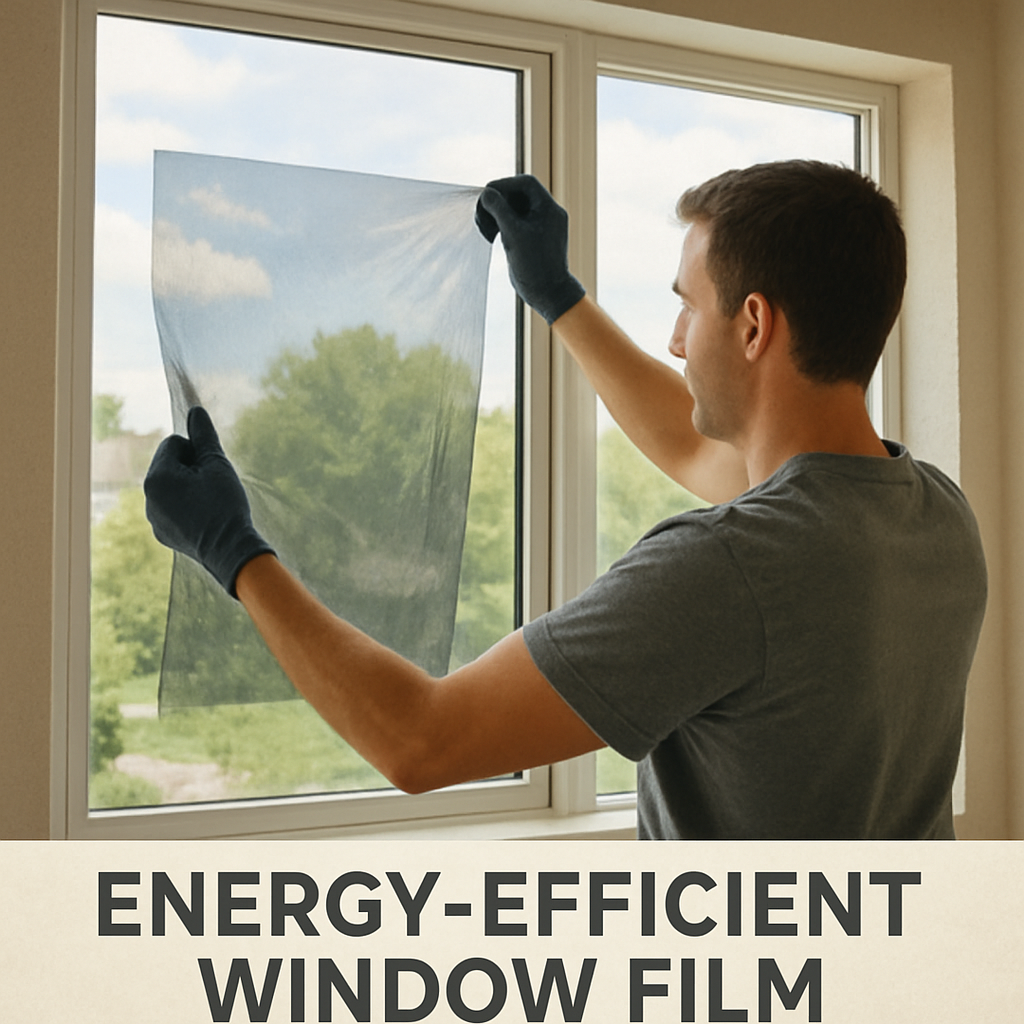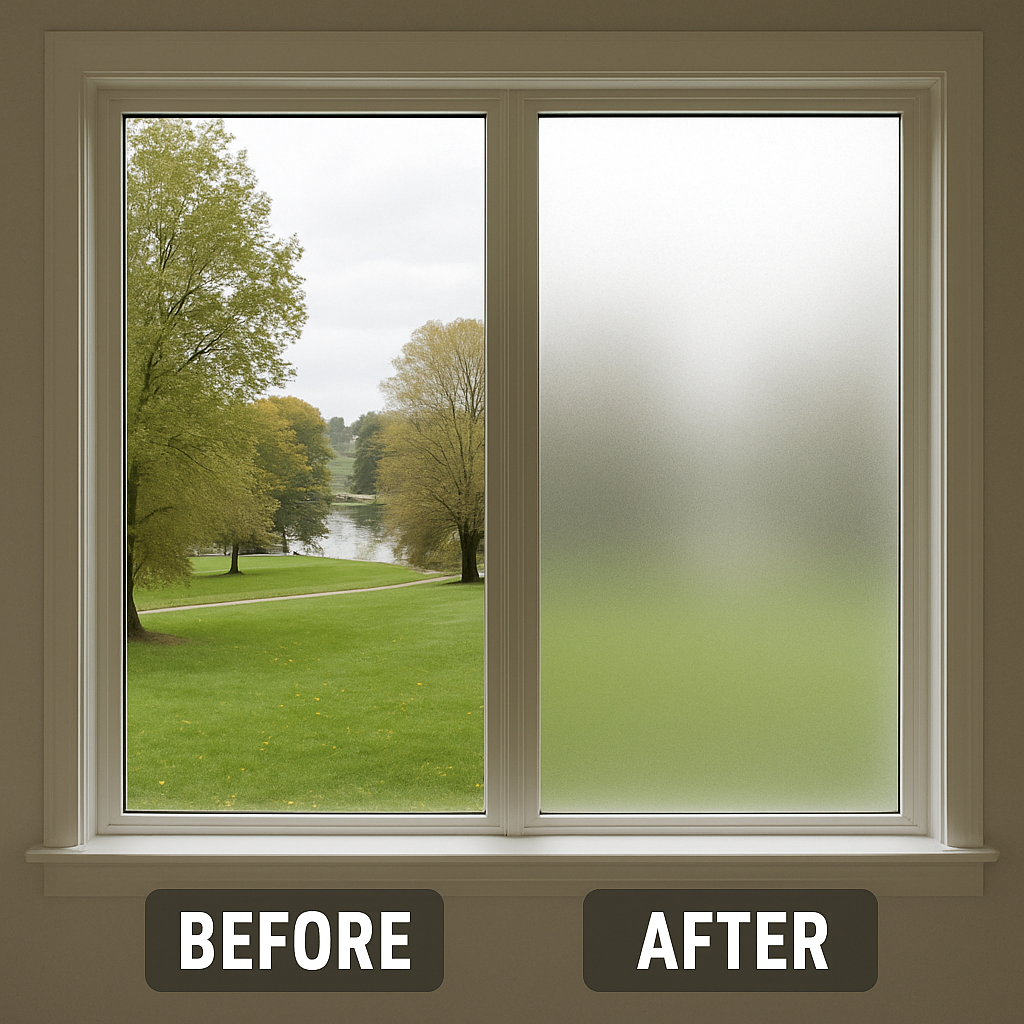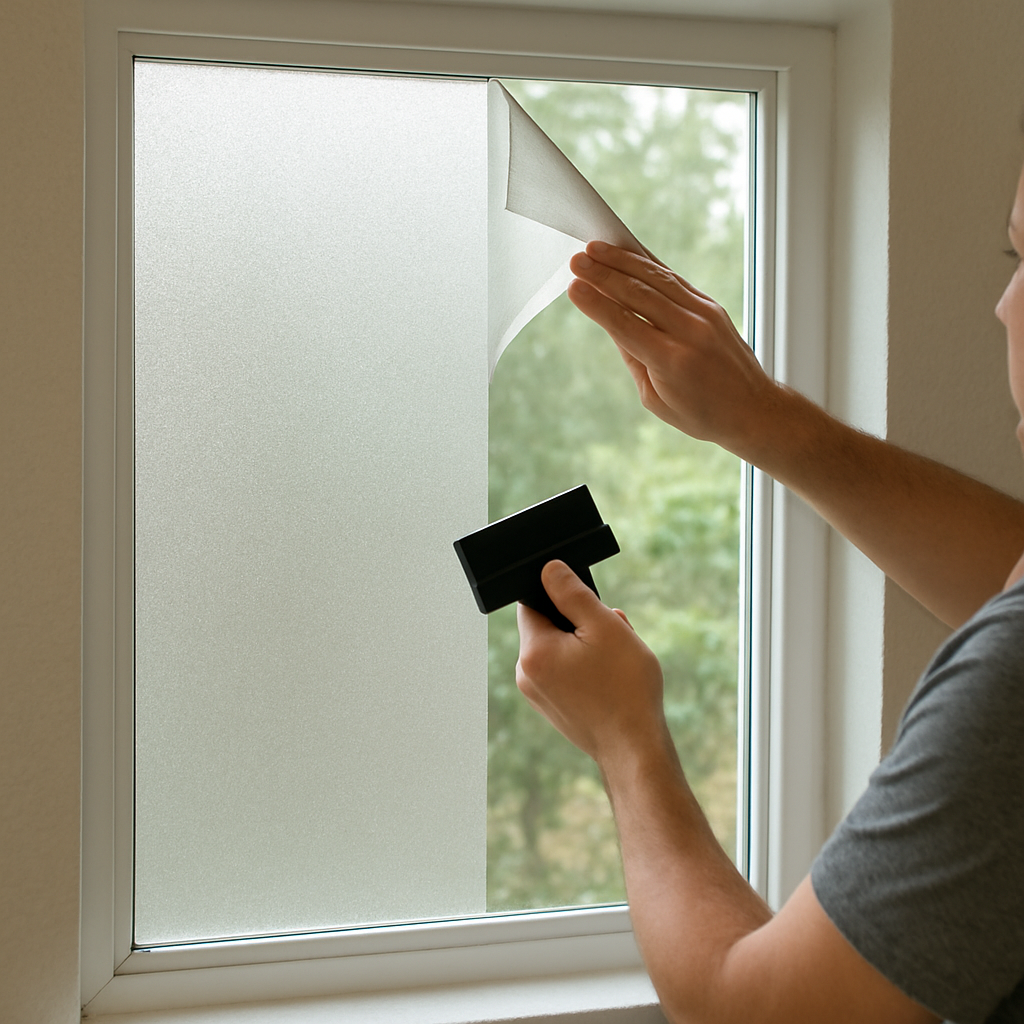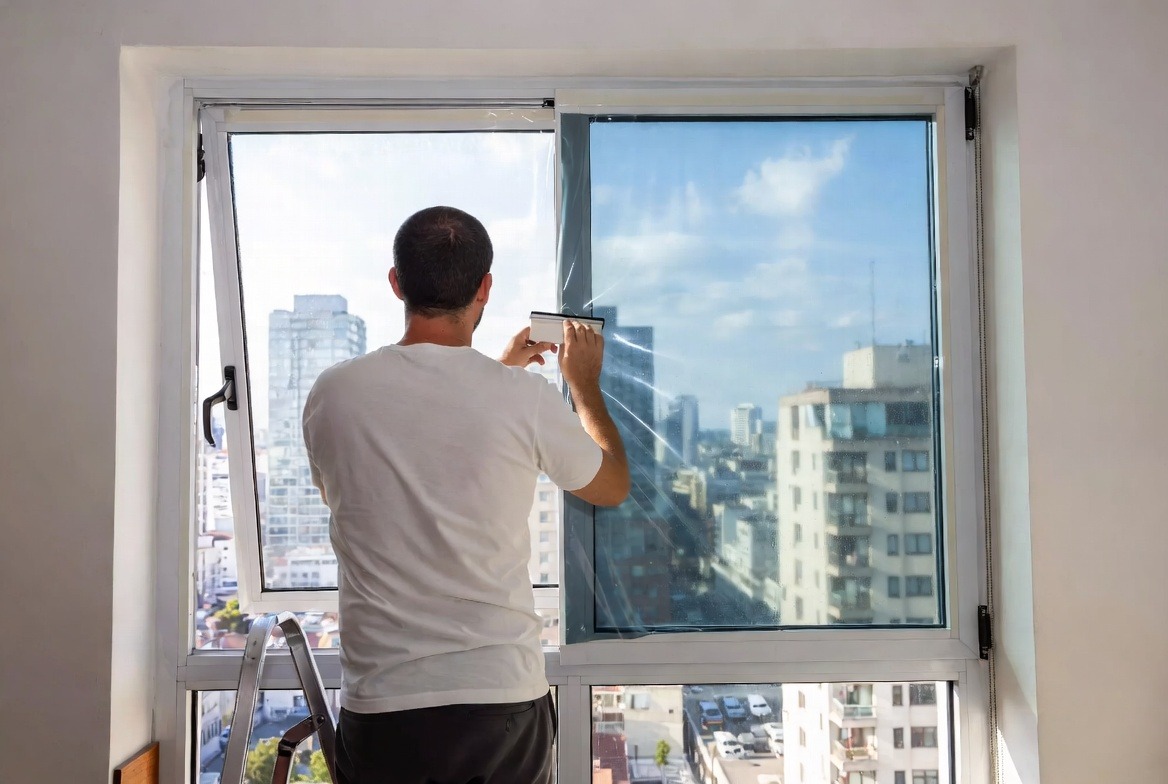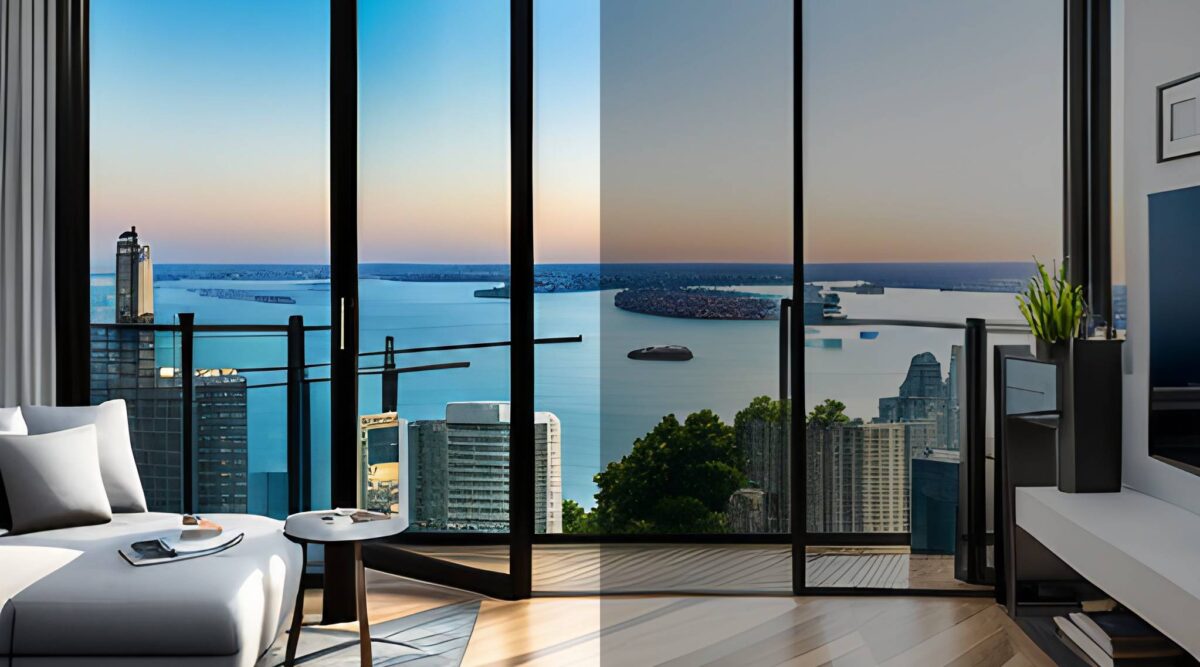
Before diving into the myths, let’s clarify what window tinting actually is. Window tinting involves applying a thin laminate film to the inside of glass surfaces in cars, homes, and buildings. This film can serve multiple purposes, including reducing heat and glare, blocking harmful UV rays, and enhancing privacy and security. The technology behind window tinting has evolved significantly over the years, with modern films being more effective and versatile than ever. These films can be tailored to fit the specific needs of different environments, whether for a residential home, a commercial building, or an automobile. To better understand the benefits of window films, it’s important to look beyond outdated assumptions and explore what today’s technology truly offers.
Moreover, window tinting can enhance the structural integrity of windows. In the event of an impact or breakage, the film can hold the glass together, reducing the risk of injury from shattered glass. According to the Centers for Disease Control and Prevention (CDC), window-related injuries are a real safety concern, making protective measures like safety films even more relevant. This added layer of protection makes it a wise choice for both safety-conscious homeowners and business owners. The process of window tinting is straightforward but requires precision and expertise to ensure that the film adheres perfectly, providing the intended benefits without compromising the appearance or functionality of the windows.
While car window tinting is popular, it’s not the only application. Many believe that window tinting is solely for vehicles, but this is far from true. Residential and commercial window tinting are growing markets that offer numerous benefits beyond what car window tinting provides. These applications are gaining traction as more people become aware of the environmental and financial advantages of tinting their windows at home or at work.
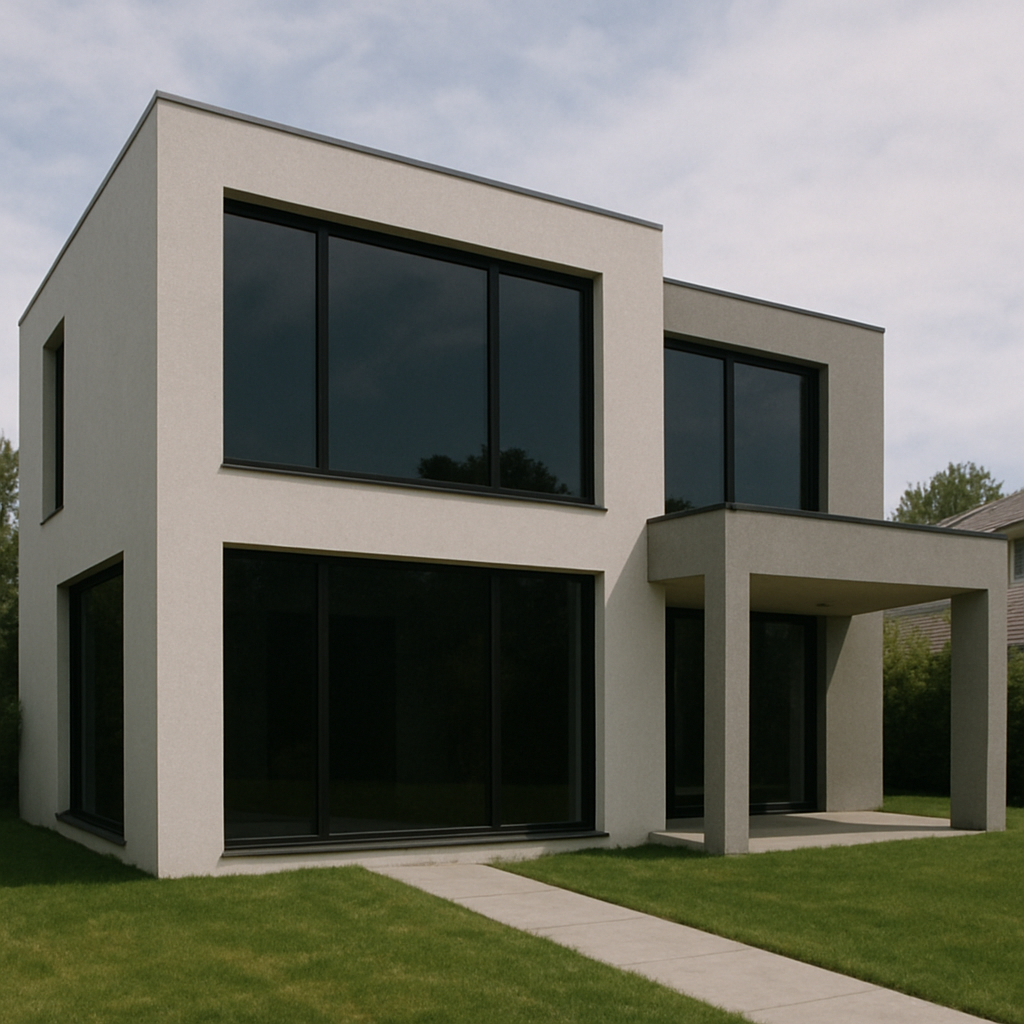
Window tinting can be applied to residential and commercial buildings, providing energy efficiency, reducing glare, and enhancing privacy. For homeowners, tinted windows can lead to significant savings on energy bills by reducing the amount of heat that enters a home, thus decreasing the need for air conditioning. The U.S. Department of Energy highlights how window films can help reduce solar heat gain and improve overall energy performance. Additionally, by minimizing heat gain, window tinting helps maintain a consistent indoor climate, which is crucial for comfort and can even prolong the lifespan of your HVAC system.
In commercial settings, window tinting can create a more comfortable working environment, which can boost productivity and employee satisfaction. Tinted windows can also contribute to a building’s aesthetic appeal, making them an attractive choice for businesses looking to enhance their curb appeal. From retail stores to office buildings, the versatility of window tinting makes it a practical and stylish solution for a variety of applications.
A common concern about window tinting is that it will make your home feel like a cave. This myth stems from outdated perceptions and older tinting technologies. Many people associate window tinting with overly dark films that block out too much light, creating a gloomy atmosphere.
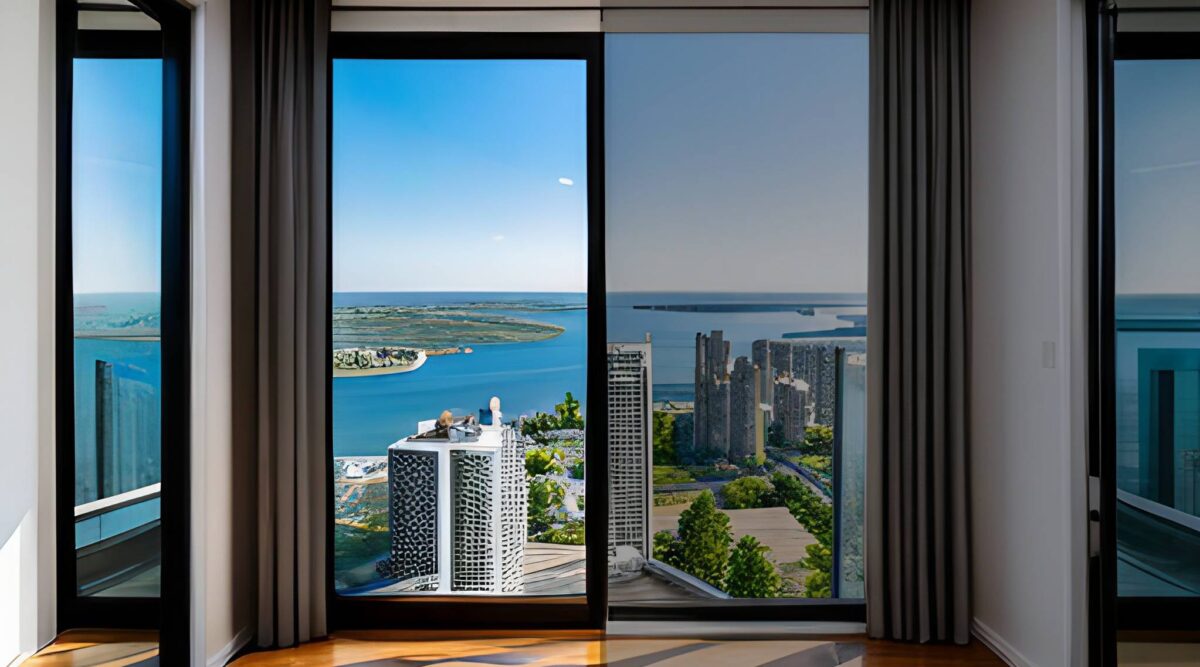
Today’s window films come in various shades and levels of transparency, allowing you to choose a tint that suits your preferences. You can enjoy the benefits of reduced glare and UV protection without sacrificing natural light. Modern window films can actually enhance the view by reducing harsh sunlight and glare that might otherwise obscure it. With options ranging from nearly clear to darker shades, homeowners can select films that provide just the right balance of light and privacy.
Furthermore, these advanced technologies enable the use of low-reflective films that do not create mirror-like effects, ensuring that your windows maintain a natural appearance both from the inside and outside. The availability of different tint levels ensures that every homeowner can find a solution that aligns with their aesthetic preferences and functional needs, making window tinting a customizable and flexible option.
While increased privacy is a well-known benefit of window tinting, it is by no means the only advantage. Many people assume that window tinting’s sole purpose is to shield interiors from prying eyes, overlooking its broader range of benefits.
Window films are designed to do much more than just provide privacy. They can block up to 99% of harmful UV rays, which not only protects your skin but also prevents fading of furniture and flooring. This protection is particularly important for preserving the longevity and appearance of interior decor, which can suffer significant damage from prolonged sun exposure. Additionally, window tinting can improve safety by holding shattered glass together in case of breakage. This feature is invaluable in areas prone to storms or accidents, offering an additional layer of security for occupants.
Moreover, window tinting contributes to energy efficiency by reducing solar heat gain in the summer and heat loss in the winter. This dual benefit helps maintain a comfortable indoor temperature year-round, reducing reliance on heating and cooling systems. By tackling multiple challenges simultaneously, window tinting emerges as a comprehensive solution that enhances the overall quality of life in any space.
Some people avoid window tinting due to perceived high costs, believing it to be an unnecessary luxury. This misconception arises from a lack of awareness about the long-term financial benefits that window tinting can offer.
While there is an upfront cost associated with window tinting, it often pays for itself in energy savings over time. By reducing heat gain in the summer and heat loss in the winter, tinted windows can decrease energy bills significantly. These savings are particularly noticeable in regions with extreme weather conditions, where energy consumption for heating or cooling can be substantial. Additionally, protecting interiors from UV damage can save money on furniture and flooring replacements. In the long run, the reduced need for frequent replacements and repairs can lead to substantial financial savings.
Furthermore, window tinting can increase the resale value of a property by enhancing its energy efficiency and aesthetic appeal. Prospective buyers are often attracted to homes and buildings with energy-saving features, recognizing the cost benefits associated with lower utility bills. Therefore, investing in window tinting can be a smart financial decision with both immediate and long-term benefits.
Concerns about window damage are another reason some shy away from tinting services. This myth persists despite evidence to the contrary, often fueled by misinformation or poor experiences with substandard products.
When professionally installed, window films do not damage your windows. In fact, they can protect the glass and extend its lifespan. It’s crucial to choose a reputable installer who uses high-quality films to ensure the best results. Professional installers are trained to apply the film without damaging the glass or seals, ensuring a flawless finish and optimal performance.
High-quality window films are designed to adhere seamlessly to glass surfaces, providing enhanced durability and protection. These films can also help prevent scratches and other types of wear and tear, further extending the life of your windows. By selecting a professional service, you can rest assured that your windows are in safe hands and that the tinting will perform as expected without compromising the integrity of the glass.
This myth suggests that all window films provide the same level of protection and performance, which can lead to disappointment if the wrong film is chosen. Many people are unaware of the diverse range of window films available and the specific benefits each type offers.
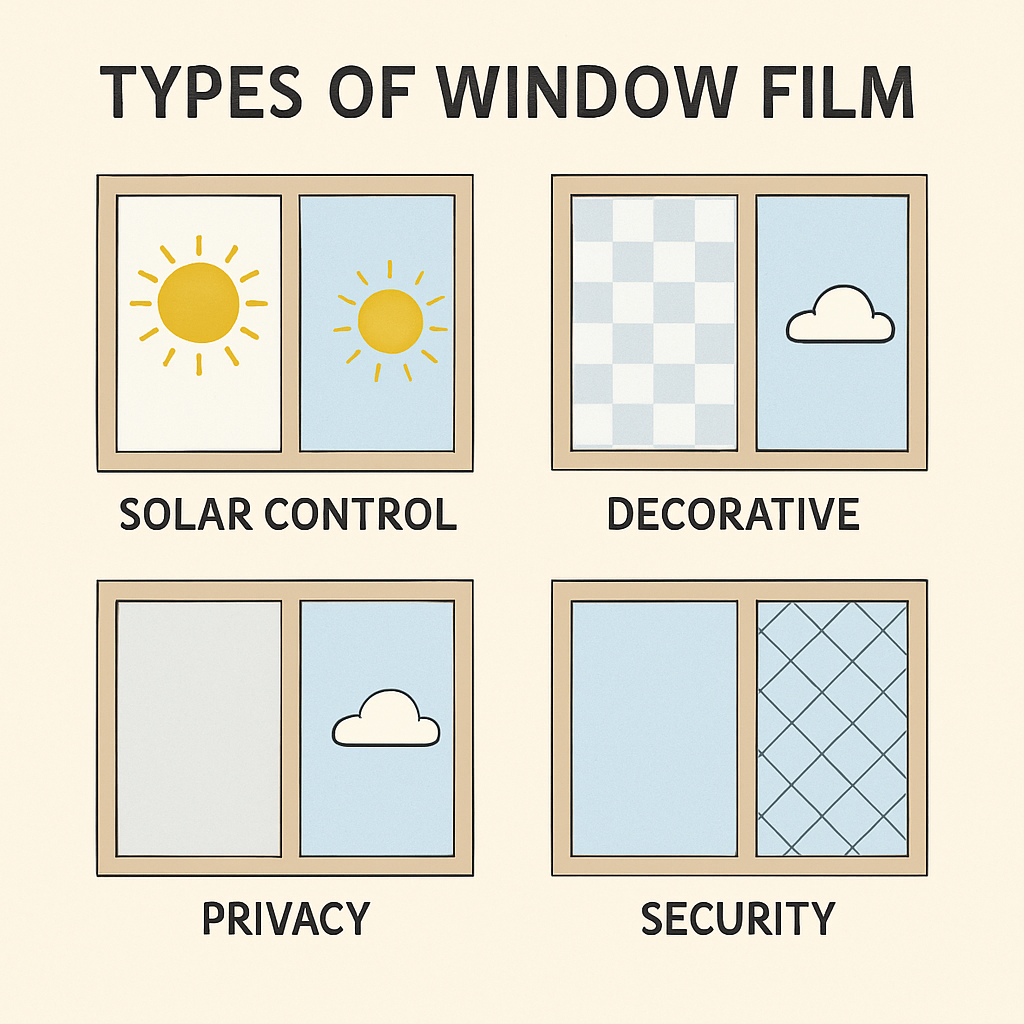
There are various types of window films designed for different purposes, such as solar control, security, decorative, and privacy. Each type has unique properties and benefits. For example, solar control films are specifically engineered to reduce heat and glare, while security films are thicker and designed to hold glass together during an impact. Decorative films offer aesthetic enhancements, providing options for frosted or patterned designs that add a touch of elegance to any space. It’s important to select the right film based on your specific needs and consult with an expert to make an informed decision.
By understanding the different types of window films, you can choose a solution that aligns with your priorities, whether they are energy efficiency, privacy, safety, or aesthetics. Consulting with a professional can help you navigate the options and select the film that best meets your requirements, ensuring that you achieve the desired results.
DIY kits are often marketed as a cost-saving alternative to professional installation, but they can lead to subpar results. Many individuals are tempted by the lower upfront cost of DIY kits, not realizing the potential pitfalls and challenges associated with self-installation.
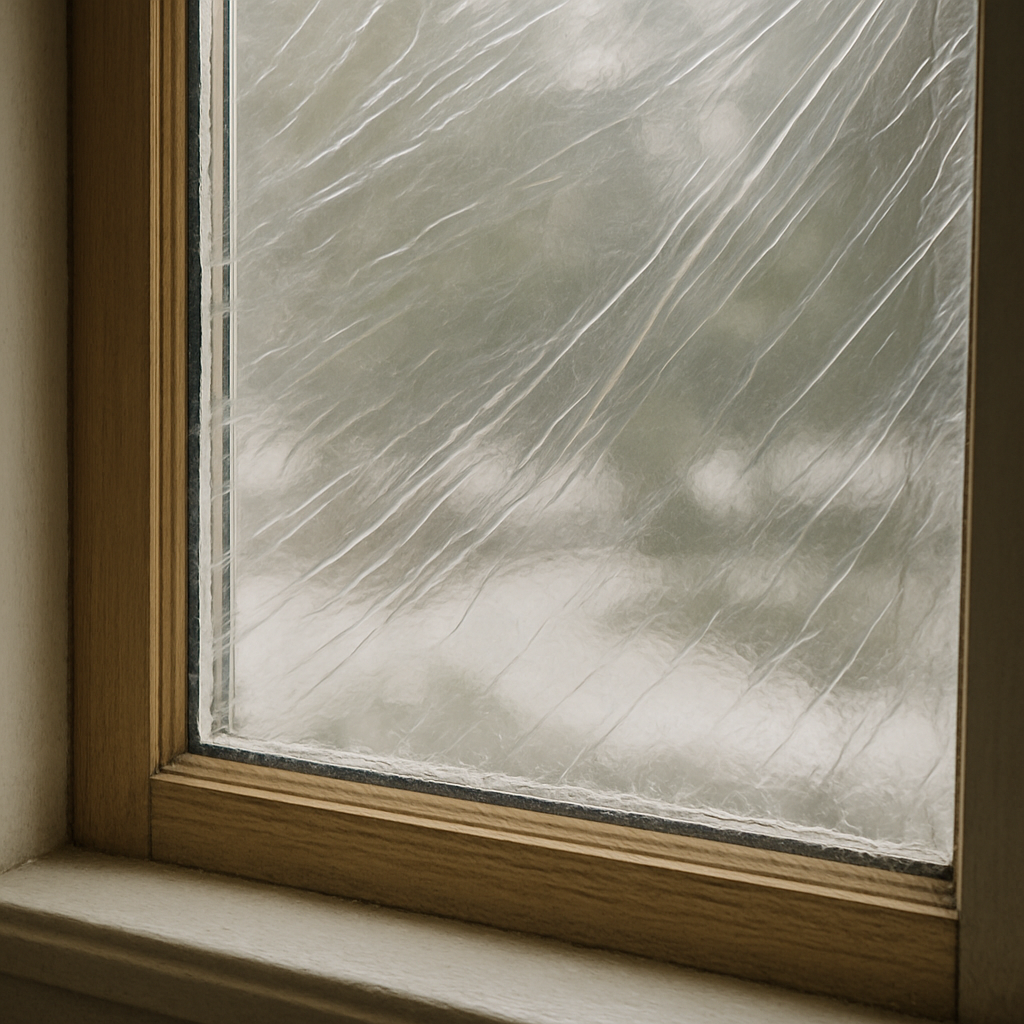
Professional window tinting services provide expertise, precision, and high-quality materials that DIY kits typically lack. Improper installation can result in bubbles, peeling, and reduced effectiveness. Without the right tools and experience, achieving a smooth, bubble-free application is challenging, often resulting in a finish that falls short of expectations. A professional installer ensures that the film is applied correctly and performs optimally. The investment in professional services is often justified by the superior results and peace of mind that comes with knowing the job was done right.
Moreover, professional installers can offer warranties on their work, providing additional assurance and protection against potential issues. This level of service and support is typically unavailable with DIY kits, making professional installation a more reliable and worthwhile investment in the long term.
Window tinting is a valuable home improvement solution that offers a wide range of benefits, from energy efficiency to enhanced privacy and protection. By understanding and debunking these common myths, homeowners and interior designers can make informed decisions that enhance the comfort, safety, and aesthetics of their spaces. The versatility and effectiveness of modern window films make them a compelling choice for anyone looking to upgrade their windows.
Incorporating window tinting into your home improvement projects can lead to stylish and eco-friendly solutions that align with modern living demands. So, the next time you consider window tinting, remember the facts and make a choice that enhances your living environment. By embracing the true potential of window tinting, you can transform your space into a more comfortable, efficient, and visually appealing environment.
By dispelling these myths, we hope to empower you with the knowledge needed to explore window tinting as a practical and beneficial option for your home or business. Feel free to reach out to a professional window tinting service to discover the best solutions tailored to your needs. With the right information and professional support, you can unlock the full potential of window tinting and enjoy its myriad benefits for years to come.