# The Evolution of Home Window Tinting
Home window tinting has come a long way from its early days as a niche solution to becoming a mainstream choice for enhancing home aesthetics and energy efficiency. As homeowners and designers seek innovative ways to improve living spaces, window tinting has emerged as a versatile and practical option. This article explores the evolution of home window tinting, its benefits, and how it can be a game-changer for modern homes.
Window tinting was initially popularized in the automotive industry in the 1960s, primarily for its ability to reduce glare and heat within vehicles. As technology progressed, the benefits of window tinting became apparent for residential use. Homeowners began to see the value in using window films not only to regulate indoor temperatures but also to enhance privacy and protect interiors from sun damage.
Transition to Home Applications
The transition of window tinting from cars to homes was driven by the increasing demand for energy-efficient solutions. With advancements in technology, manufacturers developed films that catered specifically to residential needs, offering a range of tints and functionalities that addressed various homeowner concerns, from privacy to UV protection. According to the U.S. Department of Energy, window attachments such as films can significantly improve home energy performance by reducing heat gain and loss.
Benefits of Home Window Tinting
Home window tinting offers a multitude of benefits that make it an attractive option for homeowners and designers alike. Here are some of the key advantages:
Enhanced Privacy
Privacy window film is one of the most sought-after features in residential window tinting. It allows homeowners to enjoy natural light without compromising their privacy. These films are designed to obscure the view from outside, making them ideal for windows facing streets or neighbors.
Energy Efficiency
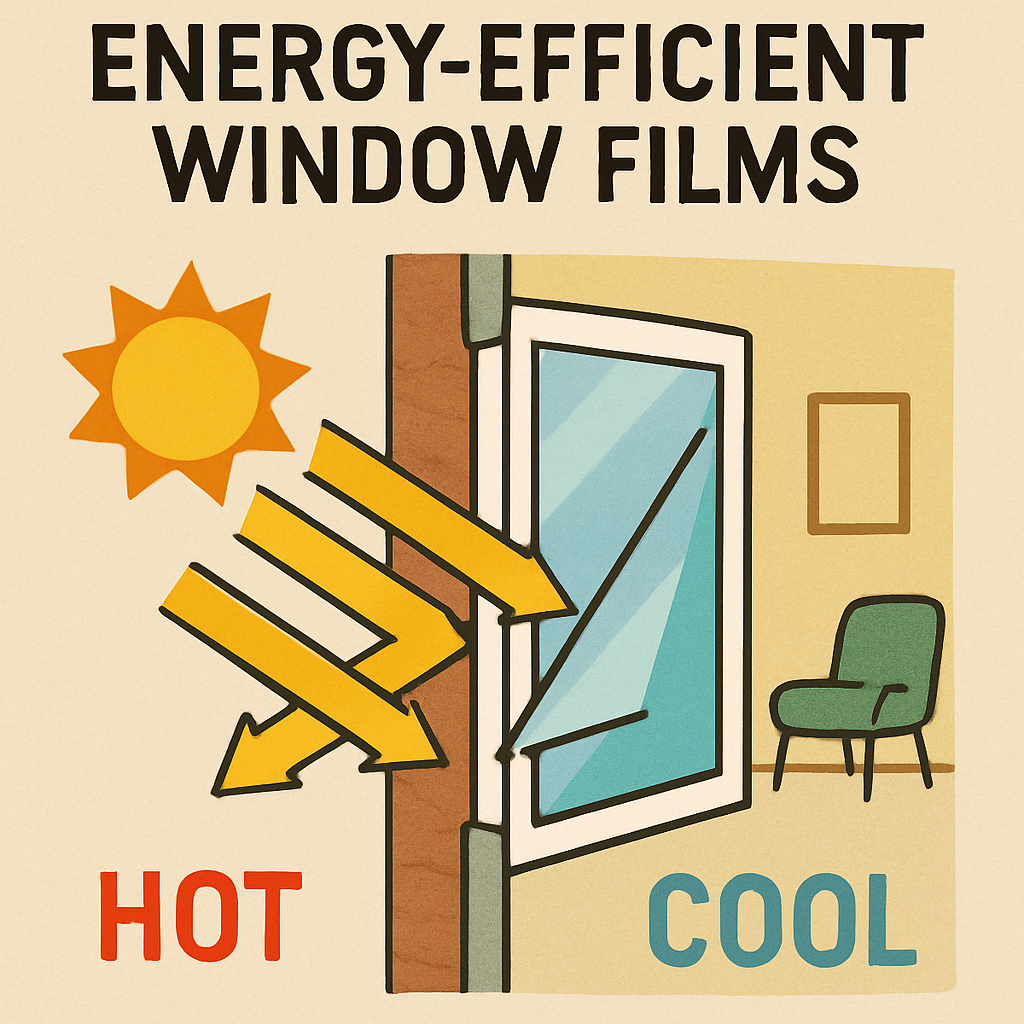
One of the most significant advantages of window tinting is its ability to improve a home’s energy efficiency. By reducing the amount of heat that enters through windows, tinted films help maintain a consistent indoor temperature, reducing the reliance on air conditioning during hot months. This not only lowers energy bills but also contributes to a greener environment. The Environmental Protection Agency (EPA) highlights energy-efficient home upgrades as a key strategy for reducing household carbon footprints.
UV Protection
Exposure to UV rays can cause significant damage to furniture, flooring, and artwork by causing fading and deterioration. Window tinting acts as a protective barrier, blocking up to 99% of harmful UV rays, thereby preserving the integrity and longevity of interior furnishings.
Glare Reduction
Glare from the sun can be a nuisance, especially in rooms with large windows. Tinted films reduce glare, creating a more comfortable environment for activities like watching TV or working on a computer without straining the eyes.
Aesthetic Appeal
Window tinting is available in various styles and finishes, allowing homeowners to choose films that complement their interior design. From frosted to decorative patterns, window films can enhance the visual appeal of any room.
Types of Window Tinting Films
There is a wide array of window tinting films available, each offering unique benefits tailored to specific needs:
Dyed Window Film
Dyed films are the most affordable option and provide excellent privacy. They absorb solar heat, reducing indoor temperatures, but may fade over time due to constant sun exposure.
Metalized Window Film
Metalized films contain tiny metallic particles that reflect heat and UV rays. They are durable and effective in blocking heat, but the metallic sheen may interfere with electronic signals.
Ceramic Window Film
Ceramic films are a premium choice, known for their clarity and effectiveness in blocking heat and UV rays without affecting visibility. They do not interfere with electronic devices and are highly durable.
Hybrid Window Film
Hybrid films combine dyed and metalized properties, offering both heat reduction and aesthetic appeal. They provide a balanced solution for homeowners seeking both functionality and style.
Installation Considerations

by 烧不酥在上海 老的 (https://unsplash.com/@geraltyichen)
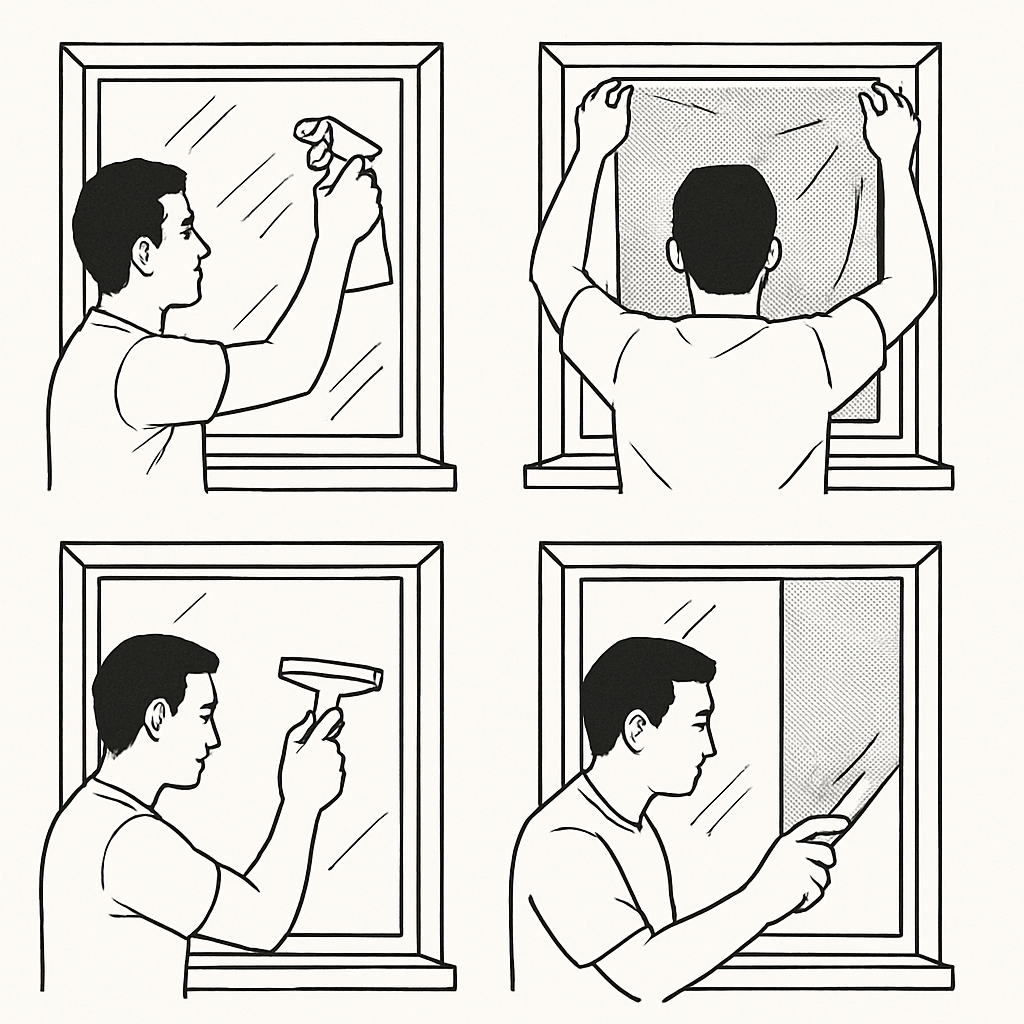
While DIY window tinting kits are available, professional installation is recommended to ensure a flawless finish and maximum performance. Professionals have the expertise and tools to apply films without bubbles or imperfections, guaranteeing long-lasting results.
Choosing the Right Film
Selecting the appropriate window film depends on factors such as climate, window orientation, and personal preferences. Consulting with a window tinting expert can help you make an informed decision that aligns with your needs and budget.
Maintenance and Care
Proper maintenance extends the life of window films. Cleaning should be done with a mild, non-abrasive solution and a soft cloth to avoid scratching the film. Regular inspections can help identify any signs of wear or damage early on.
The Future of Window Tinting
The window tinting industry continues to evolve, driven by technological advancements and growing environmental awareness. Innovations such as smart films, which change tint levels based on sunlight exposure, and energy-generating films that harness solar power, are paving the way for the future of window tinting.
Smart Films
Smart films offer dynamic control over window tint levels, allowing homeowners to adjust opacity with a remote or smartphone app. This technology provides greater control over privacy and energy efficiency.
Energy-Generating Films
Research is underway to develop films that can generate electricity from sunlight, turning windows into energy sources. These films have the potential to revolutionize how homes consume energy.
Conclusion
Home window tinting has evolved into a sophisticated solution that enhances both the functionality and aesthetics of modern homes. From improving energy efficiency to offering stylish privacy options, window tinting is an invaluable addition to any home. As technology advances, the possibilities for window tinting are limitless, making it an exciting area of innovation in home improvement.
For homeowners and interior designers seeking cost-effective, eco-friendly solutions, window tinting presents a compelling option that delivers on multiple fronts.