As temperatures rise, finding ways to keep your home cool without skyrocketing energy bills becomes crucial. One effective solution that has been gaining popularity is the use of window films. But will window films really help you stay cool this summer? Let’s explore how these innovative products work and their benefits.
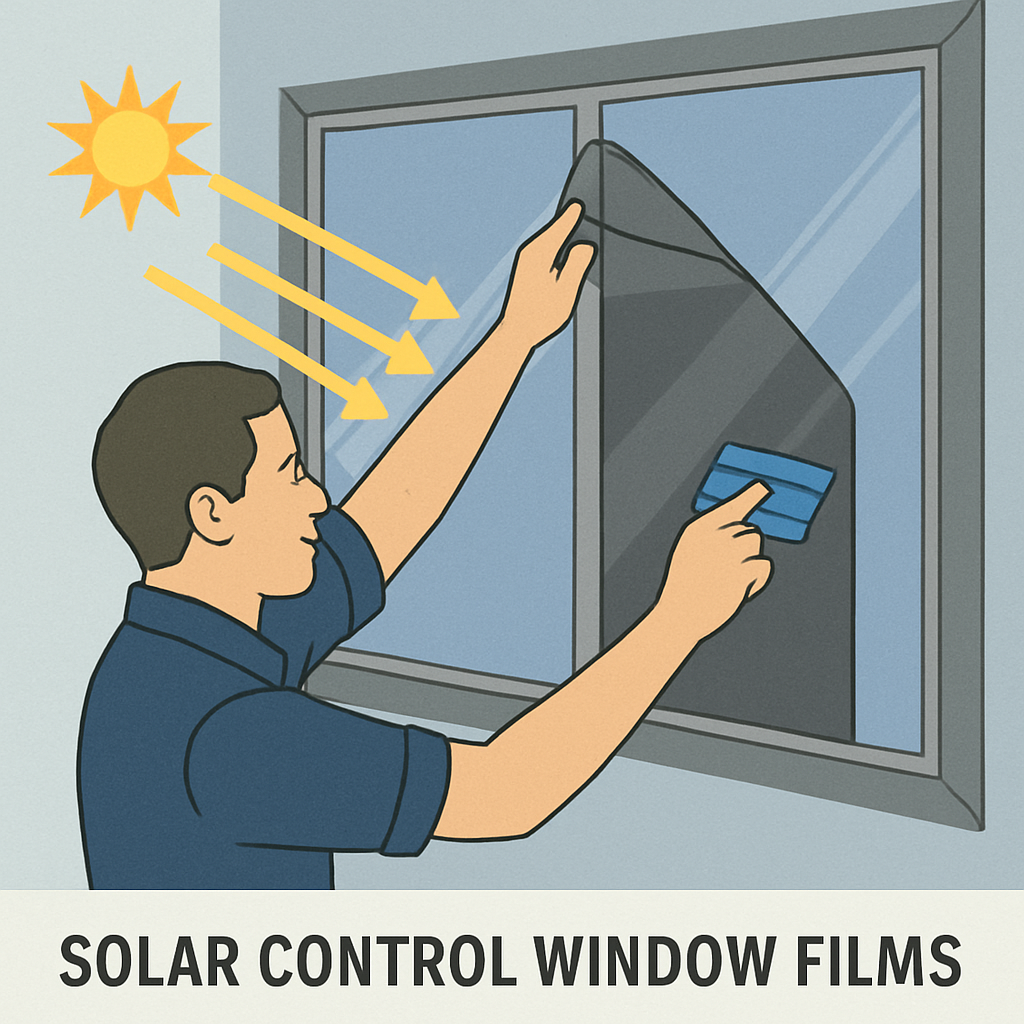
Solar control films are specialized window films designed to reduce the amount of heat entering a home. These films are made of multiple layers that work together to reflect and absorb solar energy. By doing so, they help maintain a comfortable indoor temperature without over-relying on air conditioning.
How Do Solar Control Films Work?
Solar control films work by blocking a significant portion of the sun’s heat-generating infrared rays and reducing glare from visible light. According to the U.S. Department of Energy, window films can significantly improve a home’s energy efficiency when properly selected and installed. They can reject up to 80% of solar heat, making them an excellent choice for those looking to cut down on cooling costs.
The technology behind these films involves a combination of metalized layers that reflect solar energy and tinted layers that reduce glare. This dual-action ensures that less heat passes through your windows, keeping interiors cooler.
Benefits of Window Films for Heat Reduction
Energy Efficiency
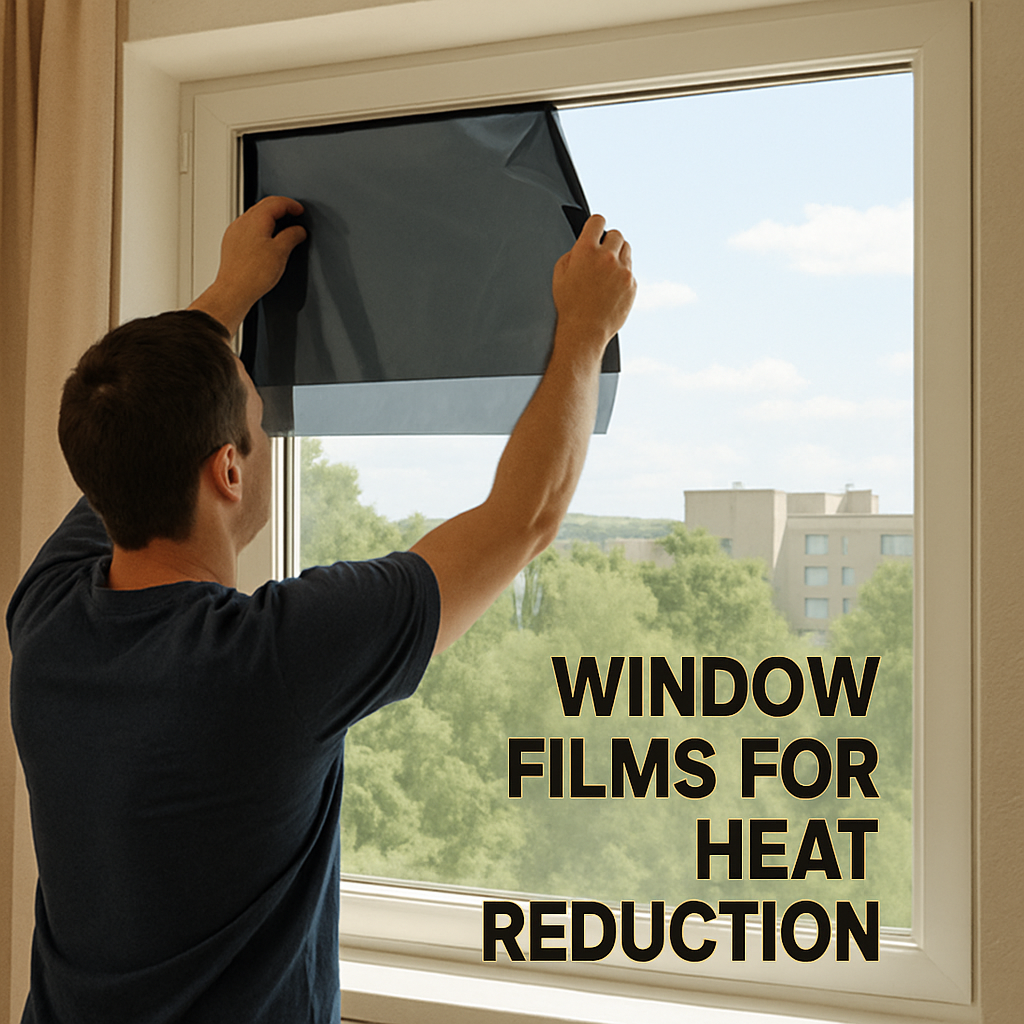
One of the most significant advantages of window films is their ability to enhance energy efficiency. By reducing the heat entering your home, window films decrease the need for air conditioning. This not only helps in lowering energy bills but also reduces your carbon footprint, making it an eco-friendly choice. The Environmental Protection Agency (EPA) also emphasizes the importance of energy-efficient upgrades in reducing household emissions.
Comfort and Glare Reduction
Window films are instrumental in improving indoor comfort. By minimizing glare, they allow you to enjoy natural light without the discomfort caused by direct sunlight. This is especially beneficial for spaces with large windows or where computers and televisions are used, as it reduces eye strain.
UV Protection
Another often-overlooked benefit of window films is their ability to block harmful UV rays. Prolonged exposure to UV rays can fade furniture, carpets, and artwork. Window films block up to 99% of UV radiation, protecting your interiors and extending the life of your furnishings.
Enhanced Privacy
While primarily used for heat reduction, window films can also enhance privacy. Certain films are designed to allow light in while preventing outsiders from seeing inside during the day. This feature makes them ideal for homes in busy neighborhoods or with windows facing the street.
Types of Window Films Available
With various options available, selecting the right window film for your needs is essential. Here are some popular types:
Reflective Films
Reflective films offer excellent heat reduction by reflecting sunlight away from the windows. They are ideal for areas with intense sunlight exposure and provide a mirrored appearance from the outside.
Neutral Films
If you prefer a more subtle look, neutral films are a great choice. They offer good heat reduction and UV protection without altering the appearance of your windows significantly.
Ceramic Films
Ceramic films are known for their durability and effectiveness in heat reduction. They use advanced nanotechnology to block infrared heat while allowing maximum visible light, making them suitable for homes wanting to maintain natural lighting.
Decorative Films
For those looking to combine aesthetics with functionality, decorative films offer a range of patterns and designs. They provide privacy and heat reduction, adding a stylish touch to any room.
Installing Window Films: What to Expect

by 烧不酥在上海 老的 (https://unsplash.com/@geraltyichen)
Professional Installation vs. DIY
While DIY window film kits are available, professional installation is recommended for the best results. Professionals ensure the film is applied smoothly without bubbles or creases, maximizing its effectiveness and lifespan.
Installation Process
The installation process typically involves cleaning the windows thoroughly, cutting the film to fit, and applying it with a special adhesive. Professional installers use precision tools to ensure a perfect fit, and the process is usually quick, depending on the number of windows.
Maintenance Tips
Once installed, window films require minimal maintenance. It’s crucial to clean them with non-abrasive products and soft cloths to prevent scratching. Regular maintenance ensures they remain effective and retain their appearance for years.
Are Window Films Worth the Investment?
Window films are a cost-effective solution for enhancing comfort and energy efficiency in your home. While there is an upfront cost associated with installation, the long-term savings on energy bills and extended lifespan of interior furnishings make them a worthwhile investment.
Moreover, the additional benefits of UV protection, glare reduction, and privacy enhancement add to their value proposition. For interior designers, window films offer a stylish and functional solution that can complement any design theme while meeting clients’ eco-friendly and budgetary needs.
Conclusion
Window films are an excellent option for anyone looking to stay cool this summer while also saving on energy costs. By understanding the different types of films and their benefits, you can make an informed decision that suits your specific needs and enhances your living space.
Whether you’re a homeowner looking for an upgrade or an interior designer seeking innovative solutions, window films provide a versatile and effective means to improve indoor comfort and aesthetics.
By investing in window films, you’ll not only enjoy a cooler home but also contribute to a more sustainable and energy-efficient environment. So, as the summer heat rises, consider window films as your go-to solution for staying cool and comfortable.