Categories
Window Films and Window Tints

Time-Tested Benefits of One Way Window Film

In the realm of home improvement, window films have emerged as a versatile and practical solution for enhancing privacy, security, and energy efficiency. As homeowners and businesses alike seek ways to improve their environments, window films have become increasingly popular due to their multifaceted benefits. Among these, one way window films stand out for their unique ability to offer privacy without sacrificing natural light. This article explores the benefits of one way window film, shedding light on how it can transform your living space into a more secure, private, and energy-efficient environment.

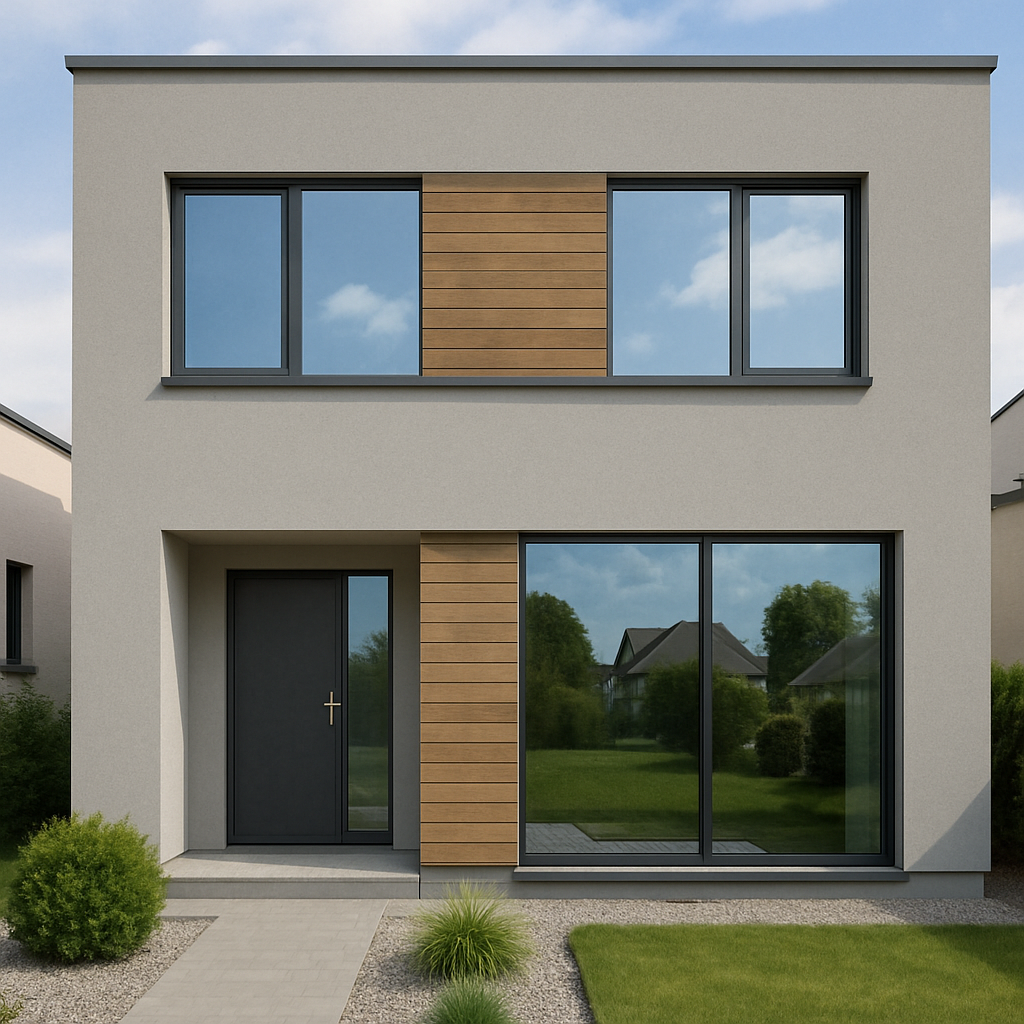
One way window film, also known as reflective window film, is a thin layer applied to glass surfaces. It is engineered to allow you to enjoy unobstructed views of the outside world while preventing outsiders from seeing in during daylight hours. The film achieves this by reflecting light, creating a mirrored effect on the outside. This characteristic makes it an appealing choice for many who seek both functionality and aesthetic enhancement for their windows.

The technology behind one way window film is both innovative and effective. It utilizes a combination of materials that adjust to the light conditions, maintaining a balance between visibility and privacy. This adaptability is particularly beneficial in urban settings where privacy is often compromised. By harnessing the reflective properties of these films, homeowners can create a sanctuary of privacy without the need for heavy curtains or blinds.

How Does It Work?

The reflective properties of one way window film work by balancing the light on either side of the glass. During the day, when it’s brighter outside than inside, the film reflects the external light, making the window appear like a mirror from the outside. This provides privacy while allowing those inside to enjoy an unobstructed view of the outdoors. The science behind it is rooted in the principles of light reflection and transmission, which are carefully calibrated during the manufacturing process.

At night, the dynamics change slightly. As the interior light becomes more prominent, the film’s reflective capabilities diminish, and additional privacy measures like curtains may be needed. This interplay of light and reflection is what makes one way window film a sophisticated solution for modern living. It’s a balance of technology and design that caters to both practical and aesthetic needs, adapting to different environmental conditions while maintaining its core functions.

Key Benefits of One Way Window Film

Let’s delve into some of the significant advantages that make one way window film a valuable addition to any home. These benefits are not just limited to residential settings but extend to commercial and vehicular applications, making them a versatile choice for a wide range of uses.

Enhanced Privacy

One of the most appreciated benefits of one way window film is the privacy it provides. This is particularly beneficial for homes in busy neighborhoods or those with large, street-facing windows. By installing this film, homeowners can enjoy their view without worrying about prying eyes. The film acts as a protective barrier that deters unwanted attention while allowing for an open, airy feel inside your space.

Privacy is a growing concern in today’s interconnected world, where personal space is often at a premium. One way window films offer a simple yet effective solution to this issue, allowing individuals to retreat into their private world without sacrificing the benefits of natural light. This privacy is crucial for maintaining a sense of security and comfort in one’s home, promoting peace of mind and well-being.

Improved Security

A close-up of a window with security window film

Security is a top priority for any homeowner. One way window film adds an extra layer of security to your windows. It holds the glass together if it shatters, reducing the risk of injury from flying shards and deterring potential intruders who may be discouraged by the added time and effort needed to break through. This feature is particularly beneficial in areas prone to natural disasters or in urban environments where crime rates may be higher.

Moreover, the presence of a reflective surface can serve as a visual deterrent to potential intruders. The mirrored effect creates uncertainty about what lies beyond the glass, adding an additional psychological barrier. This added security measure can be a significant factor for families and businesses looking to safeguard their premises against potential threats, enhancing overall safety and security.

Energy Efficiency

In addition to privacy and security, one way window film can significantly enhance the energy efficiency of your home. It reduces heat gain by reflecting sunlight, which can help lower cooling costs in the summer. In the winter, the film acts as an insulator, helping to keep warmth inside. This dual functionality makes it an excellent year-round solution for maintaining a comfortable indoor climate.

By reducing the need for artificial heating and cooling, one way window films contribute to lower energy bills and a reduced carbon footprint. This environmental benefit is increasingly important in today’s eco-conscious society, where sustainable living is becoming a priority. Investing in window films not only benefits your wallet but also plays a part in preserving the planet for future generations.

Protection from UV Rays

Prolonged exposure to ultraviolet (UV) rays can cause fading of furniture, carpets, and artwork. One way window film blocks up to 99% of harmful UV rays, protecting your interior furnishings and preserving their vibrant colors for longer. This preservation extends the life of your belongings, saving you money on replacements and maintaining the aesthetic appeal of your home.

Beyond protecting your belongings, reducing UV exposure also has health benefits. While windows allow natural light to flood your space, they can also be a source of harmful UV radiation. By filtering these rays, one way window films help protect your skin and eyes from potential damage, contributing to a healthier living environment.

Aesthetic Appeal

One way window films come in various designs and colors, allowing you to choose an option that complements your home’s decor. Whether you prefer a sleek, modern look or something more traditional, there’s a film to suit your style. This versatility means you don’t have to compromise on aesthetics to enjoy the functional benefits of window films.

In addition to offering privacy and energy efficiency, the right window film can enhance the overall design of your space. The reflective qualities can add a touch of sophistication and modernity, while decorative options can add a unique flair. This ability to marry functionality with design makes one way window films a popular choice for those looking to elevate the look and feel of their space.

Installation and Maintenance

Installing one way window film is a straightforward process, but it requires precision to ensure optimal performance. It’s advisable to hire a professional installer to achieve the best results. Once installed, maintenance is simple. The film can be cleaned with standard glass cleaners and a soft cloth to maintain its appearance and functionality. Proper installation and care ensure that the film continues to perform effectively over time.

DIY vs. Professional Installation

While DIY installation kits are available, professional installation guarantees a flawless finish and long-lasting performance. Professionals have the expertise to address any unique challenges your windows may present, ensuring the film adheres correctly and performs as intended. They can also provide valuable advice on the best type of film for your specific needs, ensuring you get the most out of your investment.

Attempting a DIY installation can be tempting for those looking to save on costs, but it often results in bubbles or misalignment that can compromise the film’s effectiveness. Professional installers have the tools and experience to avoid these pitfalls, ensuring that your window film looks great and functions perfectly. Investing in professional installation is often worth the peace of mind and long-term satisfaction it provides.

Real-World Applications

A living room with large windows fitted with privacy window film

by Enrique Palacios (https://unsplash.com/@epalacios55)

One way window films are versatile and suitable for various applications beyond residential homes. They are commonly used in office buildings, retail spaces, and even vehicles. Anywhere privacy, security, and energy efficiency are desired, one way window films can be a practical solution. Their adaptability to different environments makes them an attractive option for a wide range of applications.

In Commercial Spaces

For businesses, one way window films can offer the same benefits as they do for homes. They provide privacy for sensitive meetings, reduce glare on computer screens, and enhance the aesthetic of the workplace. This can lead to increased productivity and a more pleasant working environment for employees. In customer-facing areas, window films can also create a professional and polished look that enhances the overall brand image.

Moreover, in environments where client confidentiality is crucial, such as law firms or healthcare facilities, the added privacy that window films provide can be invaluable. By ensuring that sensitive information remains secure, businesses can uphold their reputation and trustworthiness. Window films can also contribute to energy savings, reducing operational costs and promoting sustainability in the workplace.

In Vehicles

In vehicles, one way window films provide privacy and reduce glare, making driving more comfortable. They also help keep the interior cooler, reducing the strain on air conditioning systems. This not only enhances the driving experience but also contributes to fuel efficiency by minimizing the need for excessive air conditioning use.

For vehicles used in professional capacities, such as delivery or service vehicles, window films can protect the contents from prying eyes, reducing the risk of theft. Additionally, by blocking harmful UV rays, these films protect the vehicle’s interior from fading and cracking, extending the life of the upholstery and dashboard. This combination of benefits makes one way window films a practical and cost-effective choice for vehicle owners.

Choosing the Right Film

When selecting a one way window film, consider factors such as the level of privacy you desire, the film’s color and design, and its UV protection capabilities. Working with a knowledgeable supplier can help you find the best film to meet your specific needs. The right film can enhance your space while providing the functional benefits you seek.

Tips for Selection

  • Evaluate Privacy Needs: Determine how much privacy you need during the day versus at night. Remember, one way films provide privacy only when it is brighter outside than inside. Consider your typical lighting conditions and choose a film that aligns with your privacy preferences.
  • Consider Aesthetics: Choose a film that complements your home’s decor. Some films offer decorative patterns for added style. Take into account the existing color scheme and design elements of your space to ensure a harmonious look.
  • Check UV Protection: Ensure the film offers adequate UV protection to safeguard your interiors. Look for films that block a high percentage of UV rays to maximize protection for your furnishings and reduce potential health risks.

Conclusion

One way window films offer a host of benefits that make them a worthwhile investment for any property. From enhancing privacy and security to improving energy efficiency and protecting against UV rays, these films deliver on multiple fronts. By choosing the right film and ensuring proper installation, you can enjoy a more comfortable, secure, and aesthetically pleasing living environment.

Whether you’re an interior designer seeking cost-effective solutions for your clients or a homeowner looking to enhance your space, one way window film offers a proven path to achieving your goals. Embrace this innovative solution today and experience the transformation in your home or office. As more people become aware of the advantages of window films, their popularity will likely continue to grow, making them a staple in modern design and architecture.

Categories
Window Films and Window Tints

Behind the Scenes of Decorative Window Film

Decorative window film has become a popular choice for homeowners and interior designers alike, offering a perfect blend of style, privacy, and functionality. But what exactly goes into creating these eye-catching and practical solutions? Let’s pull back the curtain and explore the fascinating world behind decorative window films, focusing on how they can enhance your living space while providing numerous benefits.

Decorative window film is a thin laminate that can be applied to glass surfaces in homes or offices. It is available in a variety of designs, patterns, and colors, allowing for customization to suit any aesthetic preference. These films can replicate the look of etched, frosted, or stained glass at a fraction of the cost, making them an attractive option for those looking to enhance their space without breaking the bank. If you’d like a deeper introduction, explore this comprehensive guide on Introduction to Window Films.

Types of Decorative Window Film

  1. Privacy Window Film: This type of film is ideal for areas that require privacy without sacrificing natural light. It obscures the view from outside while allowing ample sunlight to filter through, making it perfect for bathrooms or street-facing windows.
  2. Frosted Window Film: Frosted films mimic the appearance of frosted glass, providing a stylish and sophisticated look. They are often used to add an element of elegance to spaces while maintaining privacy.
  3. Decorative Window Film: Available in a plethora of patterns and designs, decorative films can transform plain glass into a piece of art. From geometric patterns to floral motifs, the options are endless, allowing you to tailor the look to your specific taste.

The Benefits of Decorative Window Film

Decorative window films offer a multitude of benefits beyond their aesthetic appeal. Here are some key advantages that make them a valuable addition to any home or office:

Enhanced Privacy

One of the primary reasons homeowners and designers opt for decorative window film is the added privacy it provides. Whether you live in a bustling urban area or simply want to create a more secluded environment, these films effectively block the view from outside without compromising on style.

Energy Efficiency

Energy efficient window films

Decorative films can also contribute to energy efficiency. By reducing heat gain in the summer and minimizing heat loss in the winter, they help maintain a comfortable indoor temperature year-round. According to the U.S. Department of Energy, properly selected window treatments can significantly improve insulation and reduce energy consumption. This can lead to noticeable savings on energy bills while reducing your carbon footprint.

UV Protection

Decorative window films block up to 99% of harmful UV rays, protecting your furniture, flooring, and artwork from fading due to sun exposure. The U.S. Environmental Protection Agency (EPA) highlights the importance of UV protection in reducing sun-related damage and health risks. This not only preserves the integrity of your interiors but also ensures that your investment in home furnishings remains intact for years to come.

Versatility and Customization

With a wide range of designs and patterns to choose from, decorative window films offer endless possibilities for customization. Whether you want to create a modern, minimalist look or add a touch of whimsy to your space, there’s a film to suit every style and preference.

The Installation Process

Installing decorative window film is a straightforward process that can be completed by a professional or as a DIY project. Here’s a step-by-step guide to help you understand what goes into applying these films:

Step 1: Measure and Cut

The first step in the installation process is to accurately measure the glass surface and cut the film to size. This ensures a perfect fit and a seamless finish.

Step 2: Clean the Glass Surface

Before applying the film, it’s essential to thoroughly clean the glass surface to remove any dirt, dust, or residue. This helps ensure proper adhesion and prevents bubbles or imperfections in the final result.

Step 3: Apply the Film

Once the glass is clean and dry, the film is carefully applied to the surface using a squeegee or similar tool. Starting from the top and working your way down, the film is smoothed out to eliminate any air bubbles and ensure a flawless finish.

Step 4: Trim the Edges

Finally, the edges of the film are trimmed to ensure a precise fit and a polished appearance. Any excess material is carefully removed to complete the installation.

Maintenance and Care

Maintaining window films

by Thanos Pal (https://unsplash.com/@thanospal)

Caring for decorative window film is simple and requires minimal effort. Here are some tips to keep your films looking their best:

  • Regular Cleaning: Use a soft cloth and a mild, non-abrasive cleaner to wipe down the film as needed. Avoid using harsh chemicals or abrasive materials, as these can damage the surface.
  • Avoid Scratching: Be mindful of sharp objects or tools that could scratch or damage the film. With proper care, your decorative window film can last for many years without losing its appeal.

The Transformative Impact of Decorative Window Film

Decorative window film is more than just a design element; it’s a practical solution that enhances the functionality and aesthetics of your space. From increasing privacy and energy efficiency to providing UV protection and endless customization options, these films offer a cost-effective way to elevate your interiors.

Whether you’re an interior designer looking to add a unique touch to a client’s home or a homeowner seeking innovative ways to improve your living space, decorative window film is a versatile and valuable addition to any environment. Embrace the possibilities and discover how this simple yet impactful solution can transform your space.

Categories
Window Films and Window Tints

Lessons Learned from Window Tint

Window tinting is more than just a trend; it’s a practical solution for enhancing comfort, aesthetics, and energy efficiency in both residential and automotive settings. Whether you’re an interior designer looking to offer clients stylish, eco-friendly solutions, or a homeowner seeking to reduce energy bills while improving the look of your space, understanding the ins and outs of window tinting can be incredibly beneficial. Let’s dive into some key lessons learned from window tinting.

Window tinting involves applying a thin film to glass surfaces to reduce the amount of sunlight and heat entering a space. This process not only enhances privacy but also protects interiors from UV damage and glare.

Types of Window Tinting

There are several types of window tinting films available, each with unique benefits:

  1. Dyed Window Film: This is the most affordable option and mainly used for its appearance. It doesn’t offer as much heat reduction as other types.
  2. Metalized Film: This type reflects heat and is effective in blocking UV rays. It adds strength to windows but may interfere with phone and radio signals.
  3. Ceramic Film: Known for its quality and performance, ceramic film does not block signals and is effective in UV protection and glare reduction.
  4. Hybrid Film: Combines dyed and metalized films to offer a balance between performance and cost.

Benefits of Window Tinting

Car window tinting benefits

Window tinting offers a range of benefits, making it a wise investment for both homes and vehicles.

Energy Efficiency

By blocking out a significant portion of solar heat, window tinting helps reduce the need for air conditioning, leading to lower energy bills. This makes it an attractive option for eco-conscious homeowners and interior designers aiming to provide energy-saving solutions.

Enhanced Privacy and Security

Tinted windows add a layer of privacy, preventing outsiders from peering into your home or vehicle. Moreover, the film can hold shattered glass together, providing an additional safety feature.

Protection Against UV Rays

Window tinting protects interiors from harmful UV rays, preventing fading of furniture, fabrics, and car interiors. This prolongs the life of your possessions and maintains their aesthetic appeal.

Improved Comfort

By reducing glare and heat, window tinting creates a more comfortable environment, whether you’re relaxing at home or driving.

Lessons from Automotive Tinting

Automotive tinting is a popular choice for car owners who want to enhance their vehicle’s appearance and comfort. Here are some lessons from the field:

Compliance with Regulations

It’s crucial to be aware of the legal regulations regarding window tinting in your area. Different regions have varying laws about how dark or reflective window tints can be. Non-compliance can result in fines or the need to remove the tint.

Professional Installation Matters

While DIY kits are available, professional installation ensures that the tint is applied correctly without bubbles or peeling. Professionals have the tools and expertise to deliver high-quality results that last.

The Right Tint for the Right Vehicle

Not all tints are suitable for every vehicle. Factors such as the vehicle’s make, model, and intended use can influence the choice of tint. Consulting with a professional can help you select the best option for your needs.

Implementing Window Tint in Home Interiors

Residential window tinting

by Peter Steiner 🇨🇭 1973 (https://unsplash.com/@pedrino5_official)

Window tinting isn’t just for cars; it’s also a valuable addition to residential spaces. Here’s how to effectively use window tinting in homes:

Aesthetic Enhancement

Tinted windows can complement interior design by offering a sleek, modern look. They can be tailored to match or enhance the existing décor, offering both style and functionality.

Custom Solutions for Every Room

Consider the specific needs of each room when choosing window tint. For instance, a living room may benefit from tinting that reduces glare during TV watching, while a sunroom might require a higher level of UV protection.

Cost-Effectiveness

While the upfront cost of window tinting might seem high, the long-term savings on energy bills and the protection of your interior investments make it a cost-effective solution.

Choosing the Right Window Tint

Selecting the right window tint involves considering several factors:

  1. Purpose: Determine whether your primary goal is privacy, UV protection, energy efficiency, or aesthetics.
  2. Budget: Different films come at different price points, so it’s important to choose one that fits your budget while meeting your needs.
  3. Professional Advice: Consulting with a professional can provide insights into the best tint options for your specific situation, ensuring you get the most value.

Common Pitfalls and How to Avoid Them

Even with the best intentions, window tinting projects can encounter issues. Here are some common pitfalls and tips on how to avoid them:

Choosing the Wrong Tint

Selecting the wrong type of tint for your needs can lead to dissatisfaction and additional costs. Always research and consult with professionals to ensure the right choice.

DIY Challenges

While DIY window tinting may seem cost-effective, it often results in bubbling, peeling, and uneven application. Professional installation guarantees a smooth, long-lasting finish.

Ignoring Maintenance

Proper maintenance is essential to prolong the life of window tints. Avoid harsh chemicals when cleaning and follow manufacturer recommendations to keep your tints looking their best.

Conclusion

Window tinting offers numerous benefits, from enhancing privacy and aesthetics to improving energy efficiency and comfort. Whether applied to vehicles or homes, understanding the nuances of window tinting can help you make informed decisions that meet your specific needs. By avoiding common pitfalls and choosing the right type of tint, you can enjoy the full range of benefits that window tinting has to offer. With a little knowledge and the right professional support, window tinting can be a valuable addition to any space.“`