Categories
Window Films and Window Tints

Is Exterior Application of Window Films a Good Idea

# Is Exterior Application of Window Films a Good Idea

When it comes to enhancing the aesthetics and energy efficiency of a home, window films offer an innovative solution. But is applying window films on the exterior surface of windows a good idea? This article aims to explore the pros and cons of exterior window film applications, helping you decide the best approach for your home improvement needs.

Exterior window films are specifically designed to be applied to the outside surface of windows. These films can provide various benefits, including improved energy efficiency, enhanced privacy, and reduced glare. The films come in a variety of styles, allowing homeowners to choose options that best match their aesthetic preferences and functional needs.

Benefits of Exterior Window Films

  1. Enhanced Energy Efficiency: Exterior window films help to reflect the sun’s heat before it penetrates the glass. This can significantly reduce the load on air conditioning systems during hot weather, leading to lower energy bills. According to the U.S. Department of Energy, improving window performance can play a major role in reducing overall household energy consumption.
  2. Improved Privacy: Privacy window films can obscure the view into your home without sacrificing natural light. This is particularly useful for houses located in busy neighborhoods or with windows facing public areas.
  3. Reduced Glare: Exterior films minimize the glare caused by direct sunlight, making it more comfortable to watch television or work on a computer near windows.
  4. Protection Against UV Rays: Window films block up to 99% of harmful UV rays, protecting interior furnishings from fading and prolonging their lifespan. The U.S. Environmental Protection Agency (EPA) highlights the importance of UV protection in reducing long-term sun damage risks.

Aesthetic Appeal
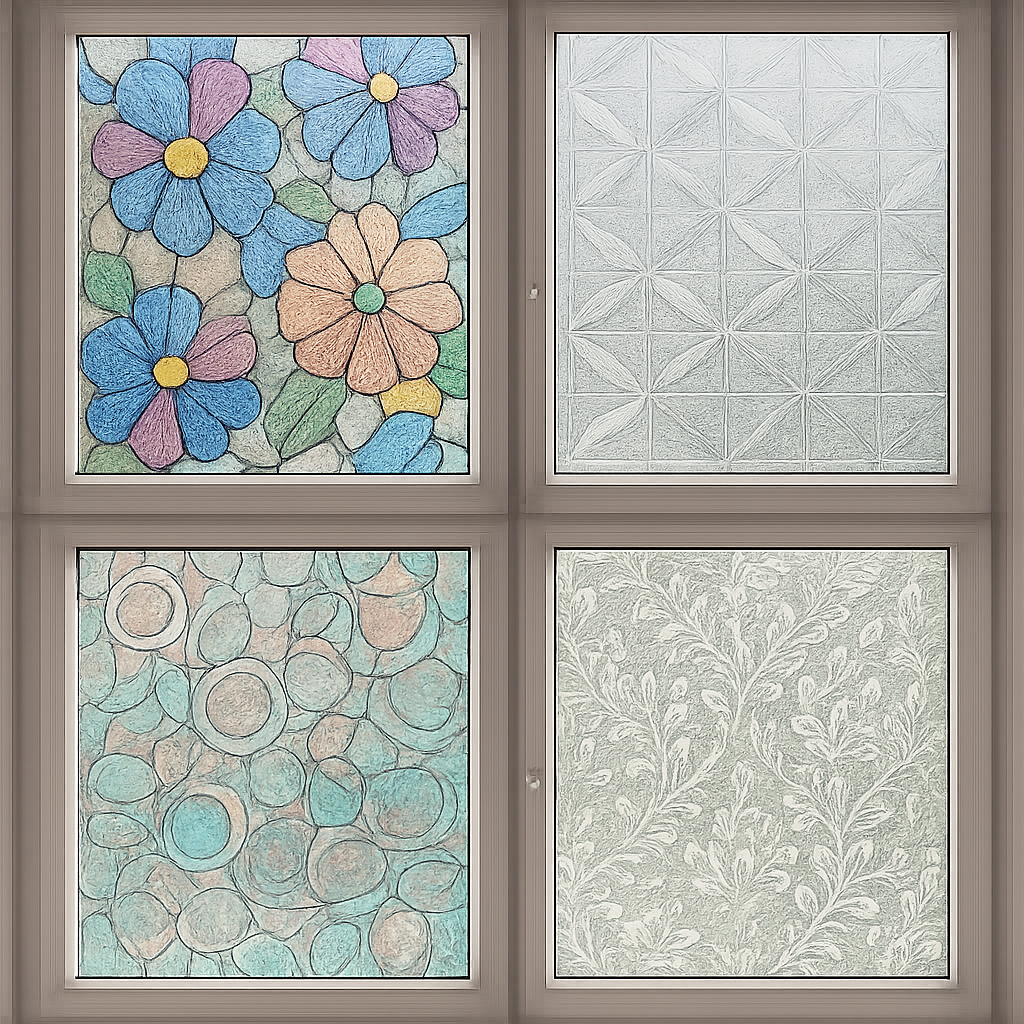
Decorative window films

Exterior window films come in various decorative options. Whether you prefer a frosted look, tinted shades, or intricate patterns, there are many styles to choose from. This versatility allows you to customize the appearance of your windows to complement your home’s design seamlessly.

Challenges of Exterior Window Films

While there are many benefits to exterior window films, there are also some challenges to consider:

Durability Concerns

Exterior window films are exposed to the elements, including rain, wind, and fluctuating temperatures. Over time, these conditions may affect the film’s durability. It’s essential to choose high-quality films designed for outdoor use and ensure professional installation to maximize longevity.

Maintenance Requirements

Cleaning window films

by Ruan Richard Rodrigues (https://unsplash.com/@ricdeoliveira)

Exterior films may require more frequent cleaning than interior films, as they are more exposed to dirt and debris. Regular maintenance is necessary to keep the films looking their best and performing effectively.

Potential Installation Challenges

Applying window films to the exterior can be more challenging than interior applications. Factors such as weather conditions, surface cleanliness, and window accessibility can affect the installation process. It’s recommended to hire professional installers with experience in exterior film applications to ensure the best results.

Professional Installation vs. DIY

When considering exterior window film applications, one important decision is whether to attempt a DIY installation or hire professionals. While DIY kits are available, exterior applications can be tricky and may result in less-than-perfect results if not done correctly.

Advantages of Professional Installation

  • Expertise and Experience: Professional installers have the skills and knowledge to handle various challenges, ensuring a smooth and effective application.
  • Quality Assurance: Professionals use high-quality materials and tools, providing a superior finish that enhances both functionality and appearance.
  • Warranty and Support: Many professional installations come with warranties, offering peace of mind and protection for your investment.

Conclusion: Is Exterior Application Right for You?

The decision to apply window films on the exterior of your home depends on several factors, including your specific needs, budget, and willingness to maintain the films. If you prioritize energy efficiency, privacy, and aesthetics, exterior films can be an excellent choice.

However, it’s crucial to weigh the benefits against potential challenges, such as durability and maintenance, and to consider hiring professionals for the best results.

By carefully evaluating these factors, you can make an informed decision that enhances your home’s comfort, style, and efficiency.

In conclusion, exterior window films present a viable solution for those looking to improve their home’s aesthetics and energy efficiency. With the right choice of film and professional installation, you can enjoy the many benefits these innovative products offer.

Categories
Window Films and Window Tints

Lessons Learned from Window Tinting Service

When it comes to home improvement, window tinting stands out as a solution that merges both functionality and style. Whether you’re an interior designer seeking cost-effective ways to enhance aesthetics or a homeowner looking to boost energy efficiency, window tinting offers a plethora of benefits. As an expert in home improvement solutions with a focus on window film installations, I’ve gathered valuable insights that can help you make the most of this service. Here’s a rundown of the lessons learned from window tinting service.

Understanding the Basics of Window Tinting

Window tinting isn’t just about darkening windows. It’s a multifaceted service that involves applying a thin film to glass surfaces to achieve various outcomes, from reducing glare to enhancing privacy.

Types of Window Films

There are several types of window films, each serving a specific purpose:

  1. Solar Control Films: These are designed to reduce heat and glare from the sun, making your home more energy-efficient.
  2. Privacy Films: These films obscure the view from outside, ensuring privacy without the need for curtains or blinds.
  3. Decorative Films: Available in various patterns and colors, decorative films add an aesthetic appeal to windows.
  4. Security Films: These provide an additional layer of protection by holding shattered glass together in case of breakage.

The Installation Process

The installation process is crucial to the effectiveness of window tinting. Professional installers ensure that the film is applied smoothly and without bubbles, which requires precision and expertise.

Professional window tint installation

Key Lessons from Window Tinting

Lesson 1: Quality Matters

One of the most critical lessons learned is that not all window films are created equal. Investing in high-quality films can make a significant difference in performance and longevity. Cheap films may peel or discolor over time, leading to additional costs and frustration.

Lesson 2: Professional Installation is Key

While DIY kits are available, professional installation ensures the job is done right. Experts have the tools and skills to handle the film with care, avoiding common pitfalls like bubbles and misalignment.

Lesson 3: Tailored Solutions Yield the Best Results

Every home is different, and a one-size-fits-all approach rarely works in window tinting. Customizing the film choice based on specific needs—such as reducing UV exposure in a sunny room or enhancing privacy in a street-facing window—ensures optimal outcomes.

Lesson 4: Consider Long-Term Benefits

Window tinting offers long-term advantages that outweigh the initial investment. These include reduced energy bills, increased property value, and improved comfort. It’s important to communicate these benefits to clients to help them understand the value of the service.

Benefits of Window Tinting

Energy Efficiency

One of the primary benefits of window tinting is improved energy efficiency. By blocking a significant portion of solar heat, window films reduce the need for air conditioning, leading to lower energy bills.

Enhanced Comfort

Tinted windows maintain a consistent indoor temperature, making living spaces more comfortable. They also reduce glare, making it easier to enjoy natural light without straining your eyes.

UV Protection

Window films can block up to 99% of harmful UV rays, protecting your skin and preventing furniture, flooring, and artwork from fading.

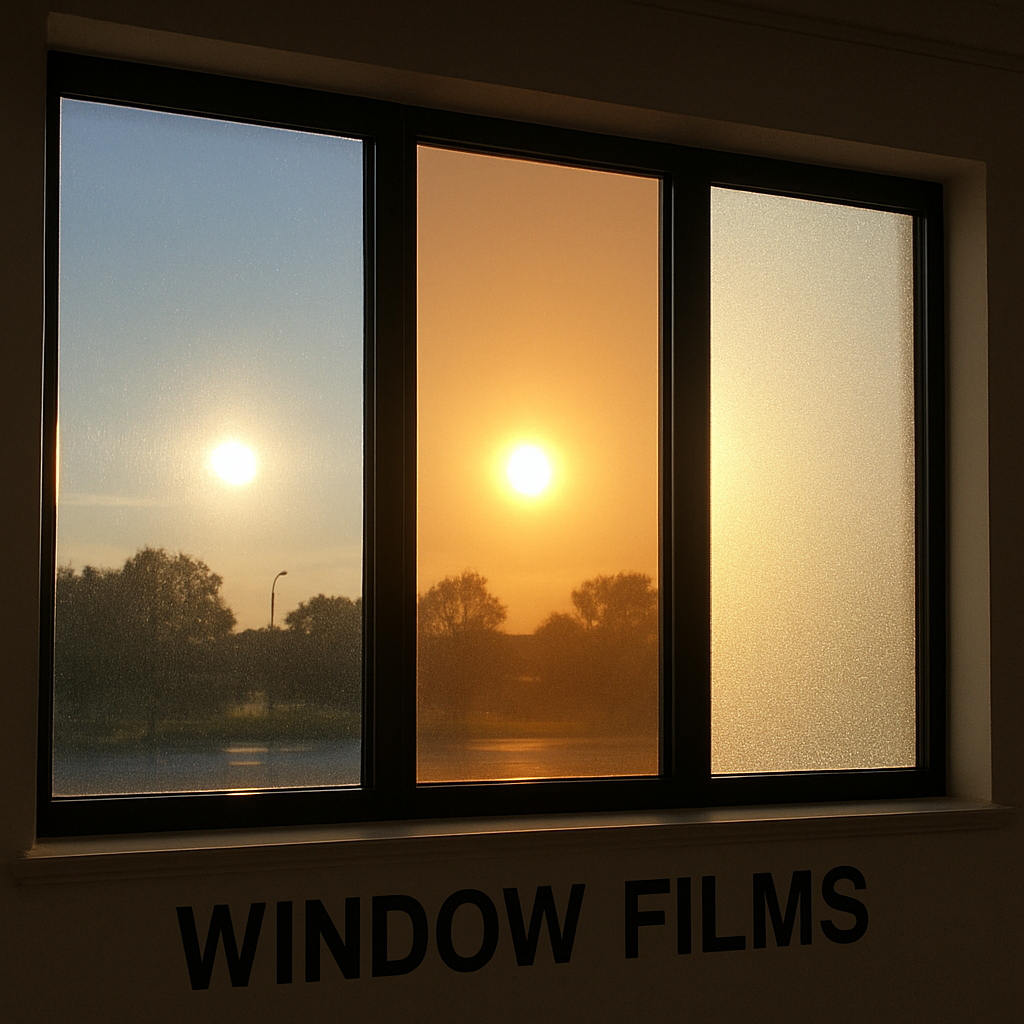
Sunlight through tinted window

by Davis Patton (https://unsplash.com/@davispatton)

Aesthetic Appeal

With decorative films, you can enhance the look of your windows, adding a touch of elegance and style to any room. This is particularly appealing to interior designers looking to complement their design schemes.

Increased Privacy and Security

Privacy films offer an unobstructed view from inside while obscuring the view from outside. Security films add an extra layer of protection, making it harder for intruders to gain access through windows.

Common Misconceptions about Window Tinting

Misconception 1: Window Tinting is Only for Cars

While automotive tinting is popular, residential and commercial window tinting offer similar benefits in terms of energy efficiency, privacy, and aesthetics.

Misconception 2: Tinting Makes Rooms Too Dark

Modern window films are designed to allow natural light in while reducing glare and heat. They can enhance the brightness of a room rather than diminish it.

Misconception 3: It’s a Permanent Change

Window films can be removed if necessary, providing flexibility for homeowners who wish to update their windows over time.

Choosing the Right Window Tinting Service

Research and Reviews

When selecting a window tinting service, research is paramount. Look for companies with positive reviews and a track record of successful installations.

Ask for Samples

Seeing and feeling film samples can help you make an informed decision. A reputable company will provide samples and explain the benefits of different types of films.

Warranty and Aftercare

A good window tinting service will offer a warranty on their products and installation. They should also provide guidance on maintaining the films to ensure longevity.

Conclusion

Window tinting is a versatile home improvement solution that offers a range of benefits from energy efficiency to enhanced privacy. By understanding the various types of films, the importance of professional installation, and the long-term advantages, homeowners and interior designers can make informed decisions that enhance their living spaces.

Incorporating these lessons learned from window tinting service into your approach will ensure you provide clients with stylish, eco-friendly solutions that complement interior designs and reduce energy bills. Whether you’re enhancing a home’s aesthetics or improving its functionality, window tinting is a valuable addition to any property.

Categories
Window Films and Window Tints

How Long Does It Take to Install Window Tinting on Your Home

# How Long Does It Take to Install Window Tinting on Your Home

Window tinting is a popular and effective way to enhance the aesthetics and energy efficiency of your home. Whether you’re looking to reduce glare, enhance privacy, or improve energy savings, window tinting offers a versatile solution. However, one of the most common questions homeowners have is: “How long does it take to install window tinting?” In this article, we’ll explore the various factors that influence window tinting installation time and provide you with a comprehensive understanding of the process.

Before diving into the specifics of installation time, it’s important to understand what window tinting entails. Window tinting involves applying a thin film to the interior surface of your windows. This film is designed to block harmful UV rays, reduce heat transfer, and enhance the overall appearance of your windows.

The Benefits of Window Tinting

Window tinting offers a range of benefits for homeowners. It helps reduce energy consumption by minimizing heat gain during the summer and retaining heat in the winter. This can lead to lower energy bills and a more comfortable living environment. Additionally, window tinting provides protection against harmful UV rays, which can fade furniture, flooring, and other interior elements. It also enhances privacy without compromising natural light.

Factors Influencing Installation Time

The time it takes to install window tinting can vary based on several factors. Let’s take a closer look at these factors to give you a better idea of what to expect.

Number of Windows

The number of windows you want to tint is one of the most significant factors affecting installation time. Naturally, the more windows you have, the longer the installation process will take. A standard residential home with 10 to 15 windows can typically be completed in one day. However, larger homes with more windows may take longer.

Window Size and Shape

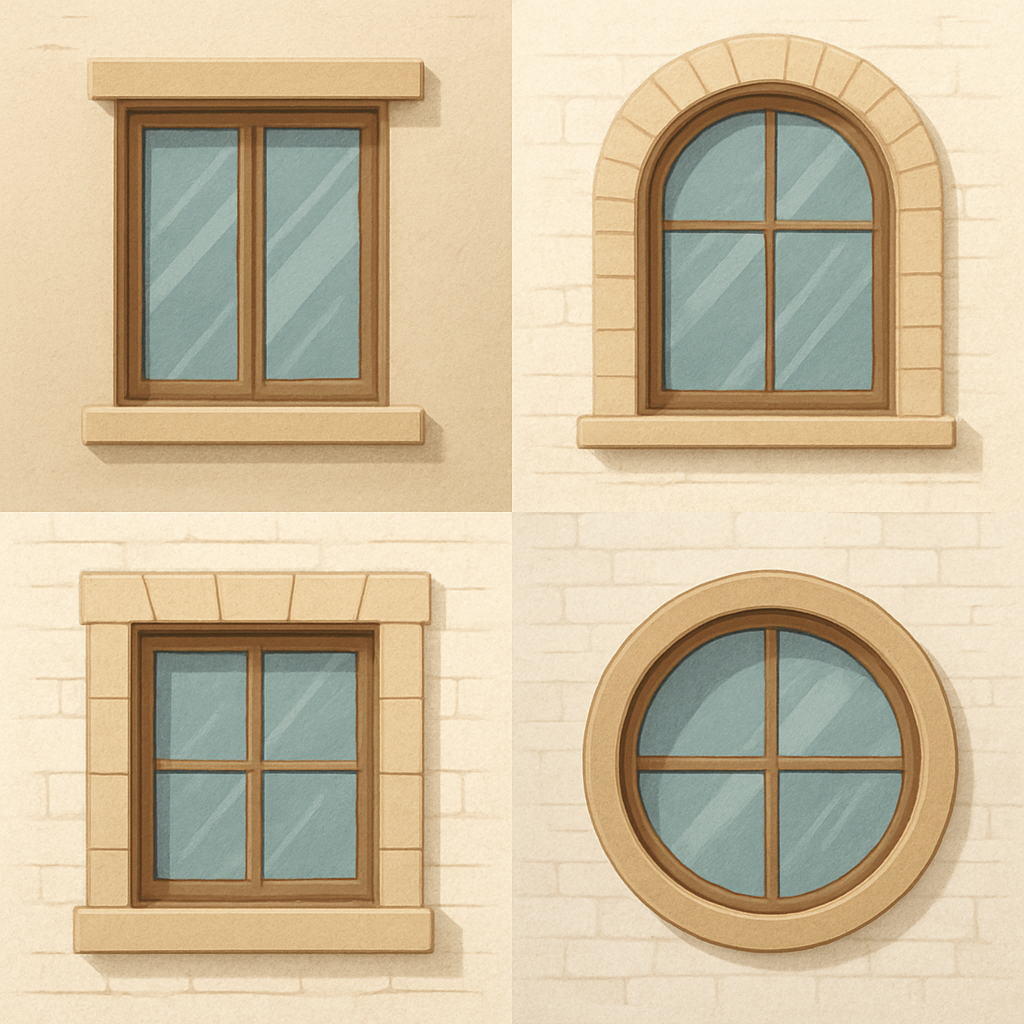
Different window sizes and shapes

The size and shape of your windows also play a crucial role in determining installation time. Larger windows require more film and precision during installation, which can extend the process. Additionally, windows with unique shapes, such as arches or circles, may require custom cutting and fitting, adding to the installation time.

Type of Film

The type of window film you choose can impact installation time. There are various types of window films available, including solar control films, decorative films, and security films. Each type may have different installation requirements, which can affect the overall time needed for the project. It’s essential to discuss your specific needs with your installer to determine the most suitable film for your home.

Installer Experience

The experience and expertise of the installer also influence installation time. Skilled and experienced professionals can complete the installation more efficiently, ensuring a high-quality finish. When choosing an installer, it’s important to consider their reputation and track record in the industry.

The Installation Process

Now that we’ve covered the factors affecting installation time, let’s walk through the typical installation process. Understanding the steps involved can help you better prepare for the installation day.

Step 1: Consultation and Assessment

The installation process begins with a consultation and assessment of your windows. During this phase, the installer will evaluate the number, size, and shape of your windows, as well as discuss your specific goals and preferences. This step is crucial for determining the appropriate type of film and providing an accurate time estimate.

Step 2: Preparation

Window cleaning before tinting

by Паша Грановский (https://unsplash.com/@ad_honores)

Before the installation begins, the windows need to be thoroughly cleaned to ensure proper adhesion of the film. Any dirt, dust, or debris on the window surface can affect the final result. The installer will clean the windows and remove any existing window treatments, if necessary.

Step 3: Film Application

Once the preparation is complete, the installer will carefully apply the window film to each window. This step requires precision and attention to detail to ensure a seamless and bubble-free finish. The installer will use specialized tools to smooth out the film and remove any air bubbles.

Step 4: Final Inspection

After the film is applied, the installer will conduct a final inspection to ensure that everything meets the desired standards. They will check for any imperfections or areas that may need additional attention. Once the inspection is complete, the installer will provide you with care instructions to maintain the longevity of the window tint.

Estimating Installation Time

While the installation time can vary based on the factors mentioned earlier, a general estimate for a standard residential home with 10 to 15 windows is approximately 4 to 8 hours. Larger homes with more windows or complex installations may take longer, potentially extending to a full day or more.

Conclusion

Window tinting installation is a valuable investment that offers numerous benefits for homeowners. While the installation time can vary based on factors such as the number of windows, window size and shape, type of film, and installer experience, the process is generally straightforward. By understanding these factors and working with a reputable installer, you can enjoy the many advantages of window tinting in your home.

Incorporating window tinting into your home improvement plans can enhance both the aesthetics and energy efficiency of your living space. If you’re considering window tinting for your home, consult with a professional installer to discuss your options and receive a personalized estimate for installation time.

Categories
Window Films and Window Tints

Are Window Films Better Than Blinds or Curtains? A Toronto Homeowner’s Guide

Window films are now a key tool in interior design for homes and commercial spaces. Designers use window films to improve privacy, manage glare, and reshape glass-heavy layouts without replacing windows. In Toronto and across the GTA, condos, offices, and retail stores rely on large glass panels. Window films help these spaces function better all year.

Many people search for window films after moving into a bright condo or opening a new office. They notice screen glare. They notice people looking in. They notice rooms feel too open. Decorative window films solve these problems fast, without major renovation. This is why window films are common in downtown offices, North York clinics, and even small cafés in Etobicoke.

How Window Films Improve Interior Glass Spaces

Decorative window film is a thin material applied to glass. It changes visibility, light flow, and style. Designers install it on doors, partitions, office walls, and interior windows.

Many property owners start with window films to fix comfort issues. Decorative options add design detail while still helping control privacy.

Some films blur views. Others use patterns, lines, or frosted finishes. The goal is simple. Keep light. Reduce exposure. Maintain the open look.

Why Designers and Business Owners Choose Window Films

Decorative window films work on existing glass. No wall removal. No glass replacement. That saves time and money.

This matters in leased offices. A King Street marketing firm may need meeting rooms after moving in. Film creates separation in a day. Retail stores use film to hide back rooms. Homeowners use film when curtains block too much light.

In older Toronto homes, window sizes are not standard. Replacing glass is costly. Film adjusts to the glass already in place. It is simple, but it works.

Common Interior Applications for Window Films

Decorative window films are used in:

  • Office partitions and boardrooms
  • Medical and dental clinics
  • Condo bathroom windows
  • Glass entry doors
  • Retail interior display panels

Designers often explore decorative window film ideas before finalizing layouts that need both openness and privacy.

Frosted Window Film and Privacy Control

Frosted finishes remain one of the most requested decorative styles. They block direct sight lines while letting light pass.

Many designers use frosted window film in meeting rooms and bathrooms. It creates privacy without darkening the space.

In Toronto condos facing nearby towers, frosted film reduces the feeling of being watched. In offices, it helps staff feel more focused.

Custom Window Films for Branding

Some projects require more than basic privacy. Fitness studios and clinics often use custom window films with logos or design patterns.

A North York physiotherapy clinic added custom patterned film across hallway glass. Patients reported feeling more comfortable. Staff noticed less foot traffic confusion.

Because film is removable, landlords like it. Tenants can change branding without replacing glass.

Understanding Different Types of Window Films

Decorative options are one part of a larger group of films. Designers review finish, opacity, and glare reduction before selection.

Reviewing the types of window film helps match the design goal with function. Some decorative films also reduce mild glare or soften harsh afternoon light.

South-facing condos near Harbourfront often deal with strong summer sun. A light patterned film can soften brightness without making rooms dark.

Residential Case Study From Scarborough

A Scarborough homeowner had a side window facing a neighbour’s driveway. The window brought in light but no privacy.

Decorative window film with a soft frosted gradient was applied. The lower half blocked views. The upper half stayed clear. The room felt brighter after curtains were removed. The install took a few hours only.

The homeowner later said it felt more comfortable using the room during daytime.

Downtown Office Example

A small accounting firm near Yonge and Bloor had full glass boardrooms. Staff felt exposed during client meetings.

Decorative striped window films were installed at seated eye level. Privacy improved right away. Natural light still flowed. The space looked modern, not boxed in.

No drywall. No permits. Just film applied cleanly.

Retail Example in Etobicoke

A bakery with street-facing windows noticed customers avoided front seating. The glass felt too open.

Patterned window films were added across the lower third of the glass. Customers felt more at ease. Sales during afternoon hours improved slightly. The owner said the space felt calmer.

Installation and Maintenance

Window films must be installed cleanly. Uneven edges or trapped air bubbles show fast.

Professional installers reduce these risks. Clean cuts and proper alignment protect the design intent.

Maintenance is simple. Soft cloth cleaning works best. Avoid sharp tools. Film can last many years when cared for.

Seasonal and Local Factors in Toronto

Toronto summers bring intense sunlight into condos and offices. Decorative window films soften glare without dark rooms.

Winter sun sits low in the sky. Offices often report screen glare in January and February. Film diffuses light and reduces eye strain.

Older brick homes in East York and The Beaches often use decorative films to blend modern glass with traditional interiors.

Trusted Design References

Interior design trends involving glass and light are often covered by Architectural Digest, which features modern space planning ideas.

Professional interior design standards and planning practices are also supported by ASID, a respected design organization.

Frequently Asked Questions

What are window films used for in interior design?

Window films improve privacy and add design detail to glass surfaces. Designers use them on doors, partitions, and windows.

Can decorative window films replace frosted glass?

Yes. Decorative window films provide a similar look at lower cost. They can be removed without replacing glass.

Are window films useful for offices?

Yes. Window films improve privacy and reduce glare while keeping natural light.

Do decorative window films block sunlight?

Most decorative window films allow light through. Light levels depend on pattern and opacity.

How long do decorative window films last indoors?

Indoor decorative window films often last 10 to 15 years with proper care.

Categories
Window Films and Window Tints

A Fresh Take on Reflective Window Film

# In-Depth Look at Bathroom Window Film

In the world of home improvement, bathroom window films for privacy have emerged as a versatile and practical solution. They offer privacy, enhance aesthetics, and improve energy efficiency. As an expert in home improvement solutions, I aim to guide you through the nuances of bathroom window films, explaining their types, benefits, and installation process. Whether you’re a homeowner or an interior designer, understanding these aspects can help you make informed decisions to enhance your living spaces.

Bathroom window film is a thin sheet of vinyl or polyester that can be applied to the glass surface of your windows. It is primarily used to add a layer of privacy, making it difficult for people outside to see inside. These films come in various designs, patterns, and levels of opacity, allowing you to choose the perfect style that matches your interior decor. To better understand the types of window film available, it helps to explore how each option performs in real-world applications.

Types of Bathroom Window Film

  1. Privacy Window Film: As the name suggests, privacy window films are designed to provide maximum privacy. They are perfect for bathrooms where privacy is a priority. These films can be opaque or semi-transparent, offering different levels of visibility.
  2. Frosted Window Film: This type of film gives your windows a frosted glass appearance, allowing light to pass through while obscuring visibility. Frosted window films are popular for their stylish look and effective privacy features.
  3. Decorative Window Film: These films come in various patterns and colors, adding an artistic touch to your bathroom windows. They can mimic the look of stained glass or other intricate designs, enhancing the overall aesthetic of your space.
  4. Solar Control Window Film: While primarily used for reducing heat and UV rays, these films can also add a layer of privacy. They are slightly tinted, reducing glare and helping maintain a comfortable temperature in your bathroom. Research from the National Renewable Energy Laboratory shows that window technologies that reduce solar heat gain can significantly improve indoor comfort and efficiency.

Benefits of Bathroom Window Film

Bathroom with privacy window film installed

Enhanced Privacy

One of the primary benefits of bathroom window film is its ability to provide privacy. Whether you choose frosted, opaque, or decorative films, you can enjoy your personal space without the worry of prying eyes.

Improved Energy Efficiency

Bathroom window films can also contribute to energy efficiency. By blocking UV rays and reducing heat transfer, these films help maintain a consistent temperature, reducing the need for air conditioning and heating. This can lead to lower energy bills and a more sustainable home. According to the U.S. Department of Energy, improving window performance is one of the most effective ways to reduce household energy loss.

Aesthetic Appeal

With the wide range of designs and patterns available, bathroom window films can significantly enhance the aesthetic appeal of your bathroom. Whether you prefer a minimalist frosted look or a vibrant decorative design, there’s something to suit every style.

Easy Installation and Maintenance

Installing window film is a straightforward process that doesn’t require major renovations. Once installed, the films are easy to clean and maintain, making them a convenient choice for busy homeowners and designers.

How to Choose the Right Bathroom Window Film

When selecting a bathroom window film, consider the level of privacy you need, the design style you prefer, and any additional benefits such as UV protection or energy efficiency. Here are some tips to help you choose the right film:

  1. Assess Privacy Needs: Decide how much privacy you require. For maximum privacy, opt for opaque or frosted films. For partial privacy with aesthetic appeal, consider decorative films.
  2. Consider Aesthetic Preferences: Choose a design that complements your bathroom’s existing decor. Whether you want a modern, classic, or eclectic look, there’s a film to match your style.
  3. Evaluate Additional Features: If energy efficiency is a priority, look for films with solar control properties. For bathrooms exposed to direct sunlight, UV protection can prevent fading of fixtures and furnishings. Organizations like the Environmental Protection Agency highlight UV protection as an important factor in preserving interior materials.

Installation Process

Professional installing window film in a bathroom

by Priscilla Du Preez 🇨🇦 (https://unsplash.com/@priscilladupreez)

Installing bathroom window film can be a DIY project or handled by professionals for a flawless finish. Here’s a basic guide to the installation process:

  1. Clean the Window Surface: Ensure the window is clean and free from dust and debris. Use a mild detergent and water to wipe it down, followed by a dry cloth.
  2. Measure and Cut the Film: Measure your window dimensions and cut the film accordingly. Leave a small margin for adjustments.
  3. Apply the Film: Peel off the backing and carefully apply the film to the window, starting from the top and working your way down. Use a squeegee or a credit card to smooth out any air bubbles.
  4. Trim Excess Film: Once the film is in place, trim any excess material using a sharp blade for a neat finish.
  5. Final Touches: Check for any remaining air bubbles and smooth them out gently.

Professional Installation

While DIY installation is possible, hiring a professional can ensure a perfect fit and finish. Professionals have the tools and expertise to handle large or complex installations, providing peace of mind and a polished result.

Conclusion

Bathroom window film is an innovative solution that combines privacy, aesthetics, and energy efficiency. Whether you’re upgrading your home or designing a space for a client, these films offer versatile benefits that cater to diverse needs. By choosing the right type and style, you can transform any bathroom into a private, stylish, and eco-friendly oasis. As you consider window films for your project, remember that investing in quality materials and professional installation can enhance the durability and effectiveness of your choice.

For those seeking to balance function and design, bathroom window films are a worthwhile consideration that delivers on both fronts.

Categories
Window Films and Window Tints

Customer Questions About Residential Window Tinting

When it comes to enhancing the comfort and aesthetics of your home, residential window tinting is an often-overlooked solution. Not only does it offer a sleek, modern look, but it also provides a range of practical benefits. If you’re considering adding window film to your home, you likely have a few questions. This article will address some of the most common questions about residential window tinting, helping you make an informed decision.

What is Home Window Tinting?

Home window tinting involves applying a thin film to the interior or exterior surface of your windows. This film is designed to reduce the amount of sunlight, heat, and UV rays that enter your home. It can also enhance privacy without sacrificing natural light.

How Does it Work?

Window film works by reflecting or absorbing sunlight. Different types of tints offer varying levels of light and heat blockage, allowing you to choose the level of protection that suits your needs.

Why Consider Residential Window Tinting?

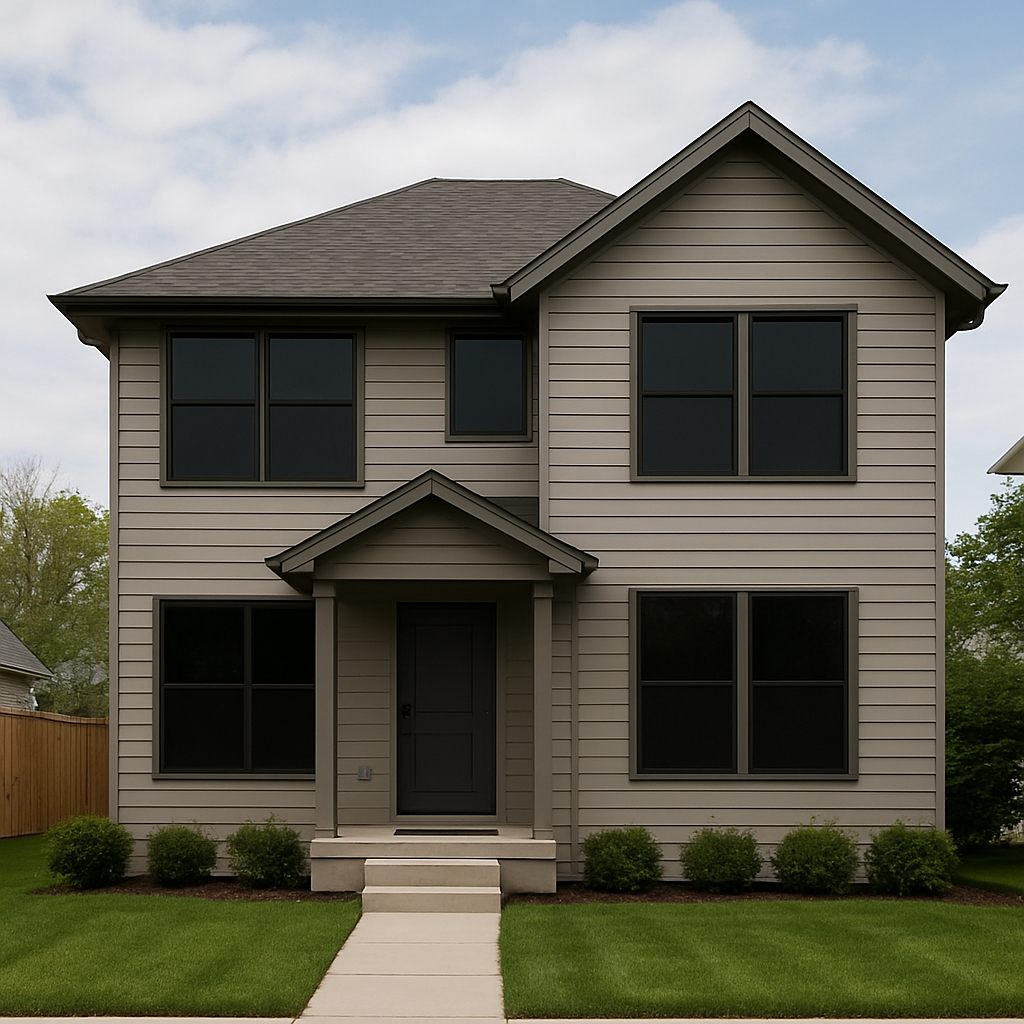
House window with modern tinting

Energy Efficiency

One of the primary reasons homeowners opt for window tinting is to improve energy efficiency. Tinted windows can significantly reduce cooling costs by blocking out a substantial portion of heat from the sun. This means your air conditioning system won’t have to work as hard to maintain a comfortable temperature, leading to lower energy bills.

Enhanced Comfort and Protection

Window tinting can also enhance the comfort of your living spaces by minimizing glare from sunlight. This is especially beneficial for rooms with large windows or those facing the sun for extended periods during the day. Additionally, window films block up to 99% of harmful UV rays, which can protect your furniture, flooring, and artwork from fading and damage.

Increased Privacy and Security

Certain types of window films can increase the privacy of your home by making it more difficult for outsiders to see inside. This is particularly useful for ground-floor windows or homes in densely populated areas. Some films are also designed to hold glass together in the event of a break, providing an added layer of security.

What Types of Window Tinting Are Available?

There are several types of window tinting films available, each offering different benefits:

Solar Control Films

These are the most common type of residential window tinting films. They are designed to reduce heat and glare while providing UV protection. They are available in various shades and finishes to match your home’s aesthetics.

Decorative Films

Decorative films offer an opportunity to enhance the visual appeal of your windows. Available in a wide range of patterns, colors, and textures, these films can mimic the look of etched or frosted glass and are perfect for bathrooms or other private areas.

Security Films

Security films are thicker than regular window films and are designed to hold glass together in the event of impact. They can deter break-ins and reduce the risk of injury from shattered glass.

Privacy Films

These films are designed to obscure the view from outside while still allowing light to pass through. They are ideal for spaces where you want to maintain natural light without compromising privacy.

How is Window Tinting Installed?

The installation process for residential window tinting is straightforward but is best carried out by professionals to ensure a flawless finish.

Preparing the Windows

Before installation, windows need to be thoroughly cleaned to remove any dirt or debris that might interfere with the adhesion of the film.

Applying the Film

The film is then cut to size and applied to the window surface. A squeegee is used to remove any air bubbles and ensure the film adheres properly. The film needs to cure for a few days, during which time it should not be disturbed.

Is Window Tinting a Cost-Effective Solution?

Energy-efficient home with tinted windows

by Dmitriy Frantsev (https://unsplash.com/@vapricot)

While there is an upfront cost associated with window tinting, it is generally considered a cost-effective solution in the long run. The energy savings from reduced cooling costs can quickly offset the initial investment. Moreover, the added benefits of UV protection, enhanced comfort, and increased privacy make it a worthwhile investment for many homeowners.

Can Window Tinting Affect My Home’s Appearance?

Window tinting can enhance your home’s appearance by giving it a sleek, modern look. With a variety of shades and finishes available, you can choose a film that complements your home’s style. Whether you prefer a subtle, barely-there tint or a bold, decorative film, there are options to suit every taste.

Are There Any Downsides to Window Tinting?

While window tinting offers numerous benefits, there are a few considerations to keep in mind:

  • Installation Quality: Poor installation can lead to bubbling, peeling, or warping of the film. It’s crucial to hire experienced professionals to ensure a flawless finish.
  • Limited Light: Some homeowners may find that certain films reduce natural light too much. It’s important to choose the right film for your specific needs and preferences.
  • Maintenance: While window films are generally low-maintenance, they can be damaged by harsh cleaning agents or abrasive materials. It’s best to use a soft cloth and mild detergent for cleaning.

Conclusion

Residential window tinting is a versatile and cost-effective solution for enhancing your home’s comfort, privacy, and energy efficiency. By selecting the right type of film and ensuring professional installation, you can enjoy the many benefits window tinting has to offer. Whether you’re looking to reduce energy costs, protect your furnishings, or simply enhance your home’s appearance, window tinting is worth considering as part of your home improvement strategy.