Categories
Window Films and Window Tints

Exterior vs Interior Window Film Pros and Cons

In this comprehensive guide, we’ll break down the pros and cons of both types, helping you make an informed decision that best suits your needs and enhances your home’s interior design. Understanding the differences will also aid in maximizing the benefits of your chosen window film, ensuring a comfortable and stylish home environment.

Before diving into the pros and cons, it’s essential to understand what window films are. Window films are thin, multi-layered polyester materials applied to the glass surfaces of windows. They serve various purposes, including reducing glare, blocking UV rays, and improving privacy. These films can be a subtle yet impactful addition to your home, offering both functional and aesthetic enhancements.

Window films have become increasingly popular due to their versatility and effectiveness in addressing common household issues. They can be tailored to meet different needs, from enhancing privacy to improving energy efficiency, making them a worthwhile consideration for any homeowner. As their application continues to evolve, window films remain a top choice for those looking to optimize their living spaces.

Types of Window Films

There are several types of window films, each designed for specific purposes. The most common types include:

  • Solar Control Films: These films help in controlling the amount of sunlight and heat that enters your home, making your living spaces more comfortable and energy-efficient. By reducing heat gain, they can significantly lower cooling costs during hot months, providing a cost-effective solution to thermal regulation.
  • Security Films: These are thicker films that hold shattered glass together, adding an extra layer of security. They are ideal for deterring break-ins and protecting against storm damage, offering peace of mind to homeowners concerned about safety and security.
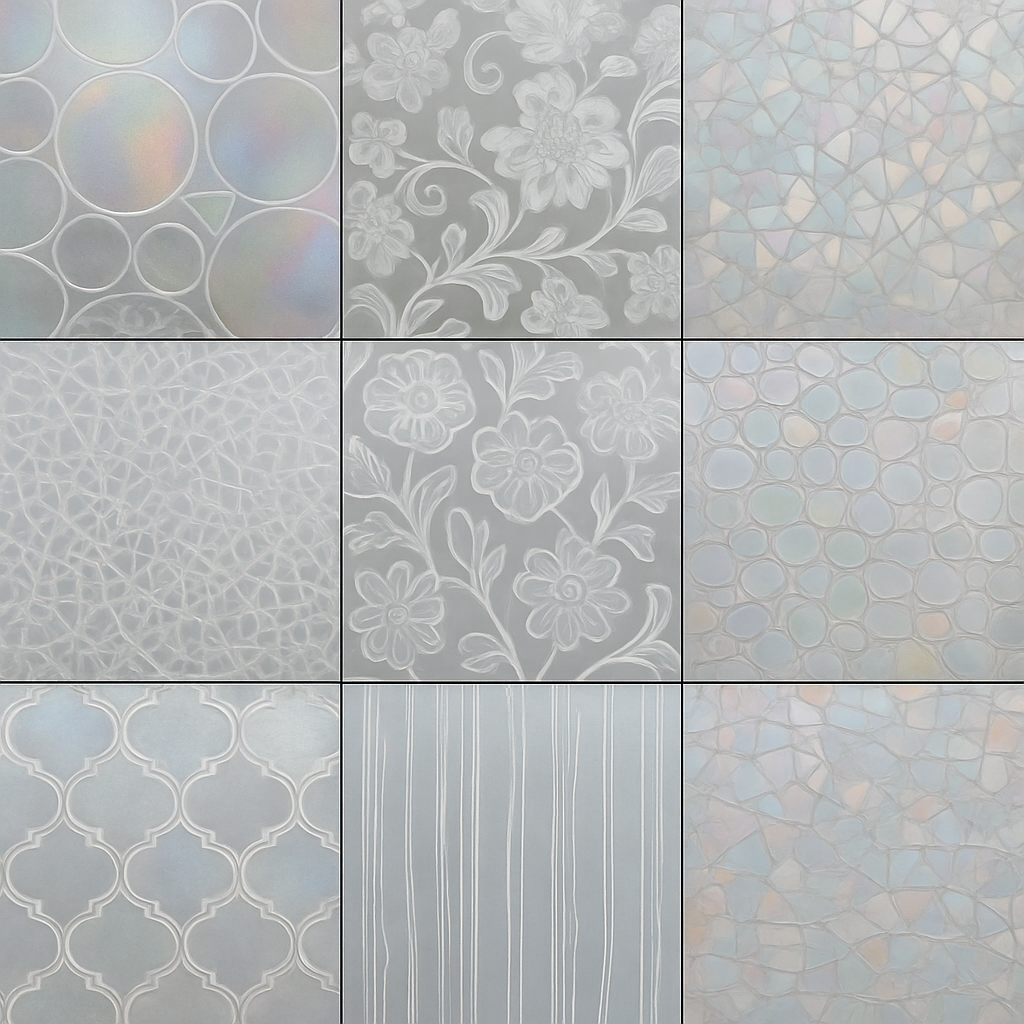
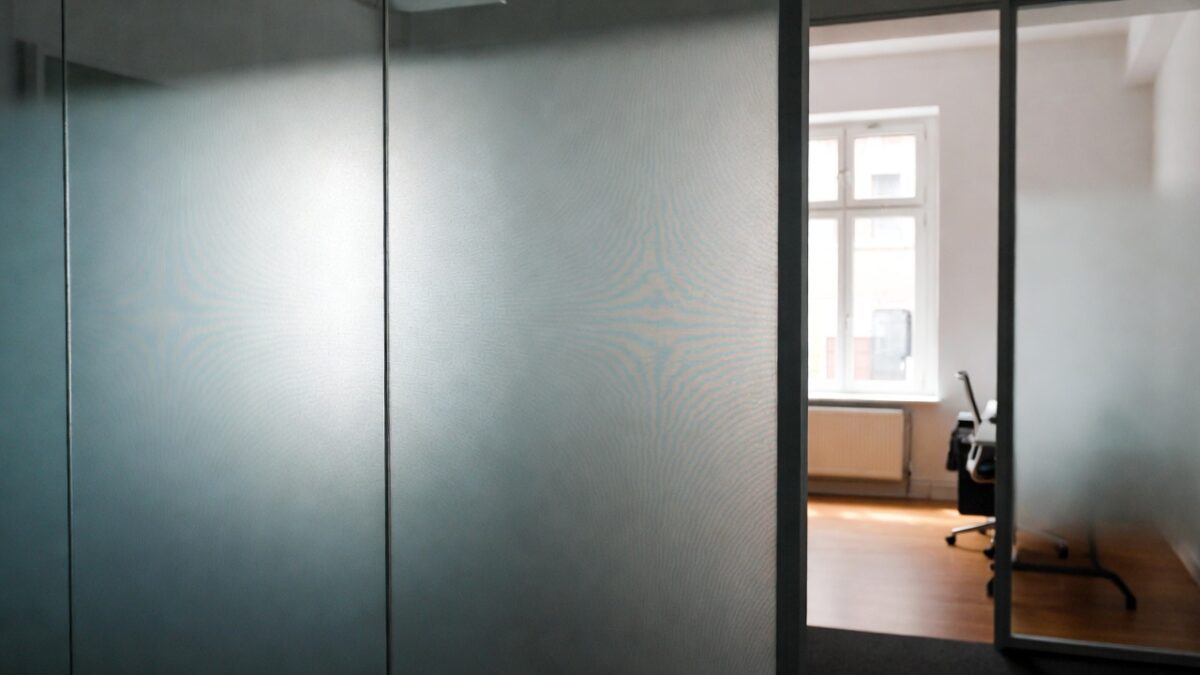
  • Decorative Films: These add aesthetic value to your windows and can mimic the look of stained or frosted glass. Decorative films are perfect for adding character and style to your home, allowing you to personalize your space without permanent alterations.
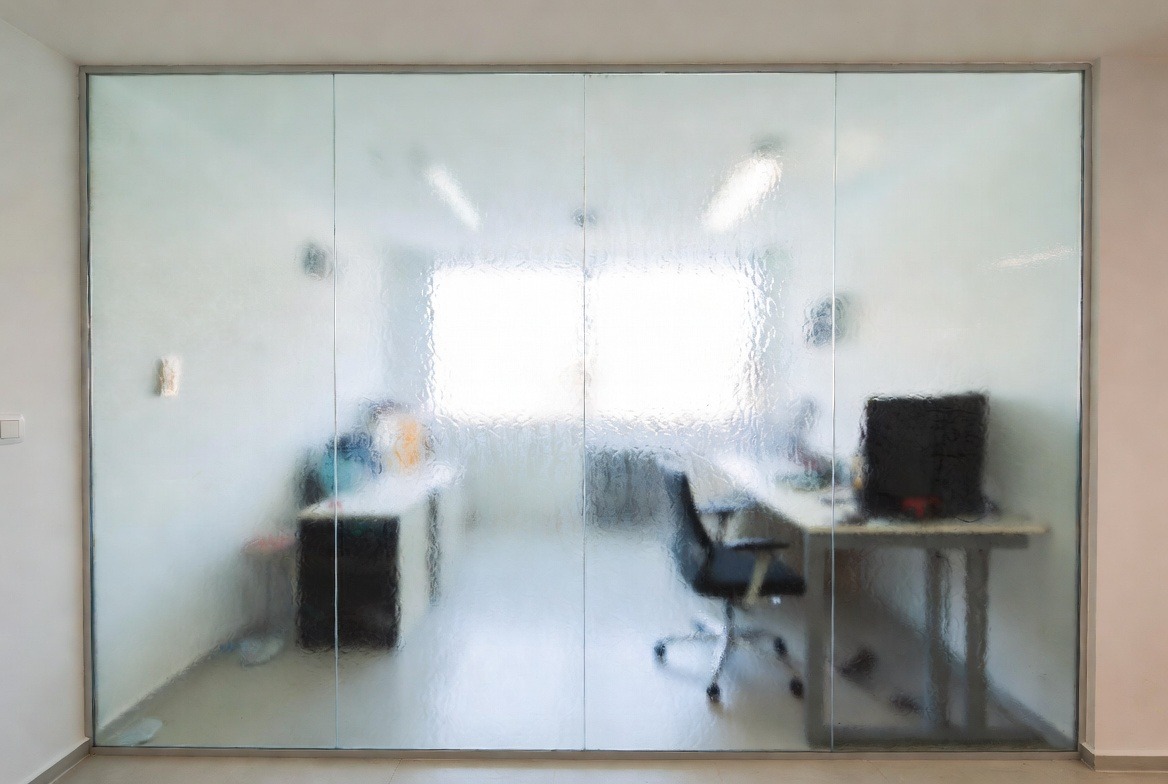
  • Privacy Films: Designed to obscure vision through the window while still allowing light to enter, privacy films are ideal for areas where discretion is needed, such as bathrooms and street-level rooms. They balance openness with seclusion, ensuring both comfort and privacy.

Now, let’s delve into the specifics of exterior and interior window films, examining their distinct advantages and potential drawbacks.

Pros and Cons of Interior Window Film

Pros of Interior Window Film

  1. Protection from UV Rays

Interior window films are excellent for blocking harmful UV rays. They protect your furniture, flooring, and fabrics from fading, ensuring longevity. This protection extends the life of your interior furnishings, preserving their color and condition over time.

Additionally, by blocking up to 99% of UV radiation, these films can also contribute to better skin health for you and your family, reducing the risk of sun-induced damage indoors. This makes them a practical investment for both aesthetic and health-related reasons.

  1. Cost-Effective Solution

Interior films are generally more affordable than exterior films. They provide an economical solution to improve comfort and efficiency. Their lower cost makes them accessible to a broader range of homeowners, allowing more people to benefit from the advantages of window film technology.

Moreover, their cost-effectiveness does not compromise their performance. Interior films can still deliver significant energy savings by reducing the need for artificial lighting and air conditioning, thus lowering utility bills.

  1. Easy Installation and Maintenance

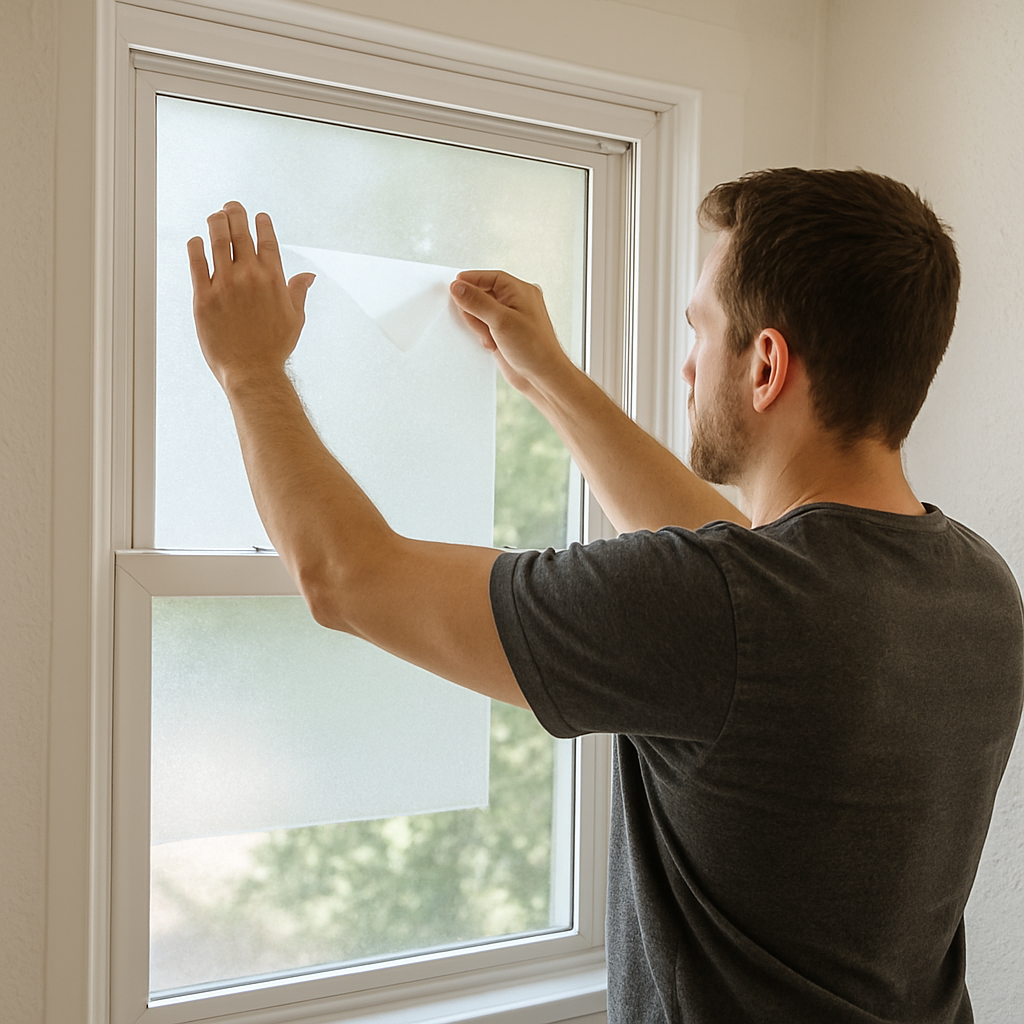
Installing interior window films is often straightforward, and they require minimal maintenance. Cleaning is easy, usually involving just mild soap and water. This simplicity makes them an attractive option for DIY enthusiasts who prefer to handle home improvements themselves.

The ease of maintenance also means that interior films can maintain their appearance and effectiveness with minimal effort, providing long-term benefits with little ongoing upkeep. This convenience is a major selling point for busy homeowners.

  1. Enhanced Privacy

Interior films can increase privacy without sacrificing natural light, making them perfect for spaces like bathrooms and bedrooms. They allow you to enjoy the beauty of daylight while maintaining a sense of seclusion from the outside world.

This enhanced privacy is particularly valuable in densely populated areas where homes are close together, helping to create a more private and peaceful living environment. It also adds a layer of security by obscuring the view into your home from potential intruders.

Cons of Interior Window Film

  1. Limited Heat Rejection

Interior films may not be as effective in rejecting heat compared to exterior films, especially in very sunny areas. This limitation can result in higher indoor temperatures and increased reliance on air conditioning, potentially offsetting some of the energy savings.

In regions with intense sunlight, the reduced heat rejection capacity might lead to discomfort during peak summer months, making it essential to weigh this factor against other benefits when choosing interior films.

  1. Potential for Glass Breakage

In some cases, interior films can absorb too much heat, leading to glass breakage, particularly in double-pane windows. This risk is heightened if the film is not properly matched to the window type or if installation guidelines are not followed.

To mitigate this risk, it’s crucial to consult with professionals or manufacturers to ensure compatibility and proper installation techniques, safeguarding both your windows and your investment.

  1. Less Effective in Extreme Weather

Interior films might not perform as well in extreme weather conditions, such as intense heat or cold. Their insulation capabilities may be limited, resulting in less effective temperature control compared to exterior films.

In climates with drastic temperature fluctuations, this could mean less comfort and higher energy costs, as heating and cooling systems work harder to maintain a stable indoor environment.

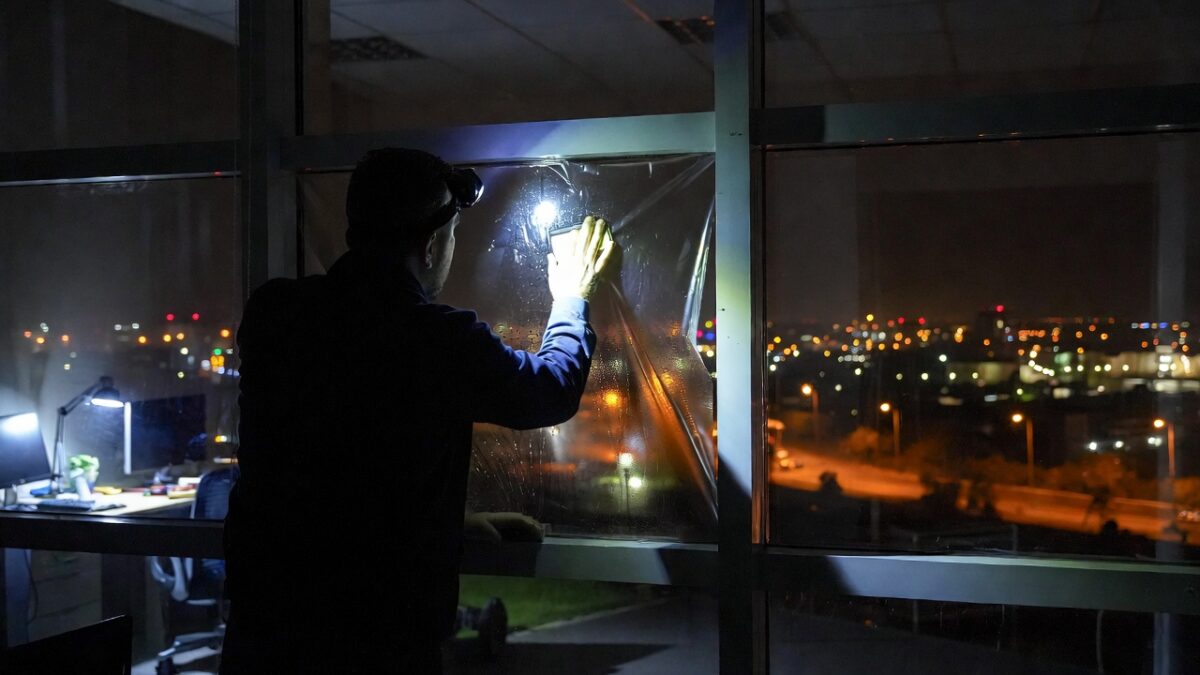
Interior window film application

Pros and Cons of Exterior Window Film

Pros of Exterior Window Film

  1. Superior Heat Rejection

Exterior films are more effective in blocking heat before it enters the home, providing better temperature control and comfort. This superior performance can lead to a cooler indoor environment, reducing the need for air conditioning during hot weather.

By reflecting sunlight away from the building, exterior films help to maintain a consistent indoor climate, enhancing overall comfort and reducing the strain on HVAC systems. This efficiency translates into significant energy savings over time.

  1. Durability and Strength

Exterior films are designed to withstand harsh weather conditions, offering a robust solution for homes in extreme climates. Their durability ensures long-lasting performance, even under constant exposure to sunlight, rain, and wind.

This strength makes them an ideal choice for homeowners looking for a resilient option that can handle environmental challenges, providing peace of mind and protection against the elements.

  1. Reduced Glare and Improved Clarity

These films reduce glare from the sun, enhancing indoor visibility and comfort. By minimizing glare, they create a more pleasant viewing environment, ideal for rooms with screens or where natural light is desired.

Improved clarity also means that you can enjoy uninterrupted views of the outdoors, maintaining a connection with nature while benefiting from the protective qualities of the film.

  1. Energy Efficiency

By blocking more heat, exterior films can significantly reduce energy costs, leading to savings on your utility bills. This efficiency makes them a smart investment for those focused on long-term financial and environmental benefits.

In addition to lowering energy consumption, exterior films contribute to a smaller carbon footprint, aligning with sustainable living practices and supporting eco-friendly home improvements.

Cons of Exterior Window Film

  1. Higher Cost

Exterior films are generally more expensive than interior films, both in terms of materials and installation. This higher upfront cost can be a barrier for some homeowners, especially those on a tight budget.

However, the long-term savings on energy bills and the extended lifespan of exterior films can offset this initial investment, making them a financially sound choice for many.

  1. Complex Installation

Installation of exterior films can be more challenging, often requiring professional assistance to ensure proper application. This complexity adds to the overall cost and requires coordination with skilled installers.

Despite the initial hurdles, professional installation ensures the film’s effectiveness and longevity, maximizing the benefits and preventing common issues like bubbling or peeling.

  1. Maintenance Challenges

Exterior films are exposed to the elements, which can lead to wear and tear over time. They might require more frequent maintenance or replacement, depending on environmental conditions.

Regular inspections and cleaning can help prolong their lifespan, but homeowners should be prepared for potential upkeep to maintain their performance and appearance.

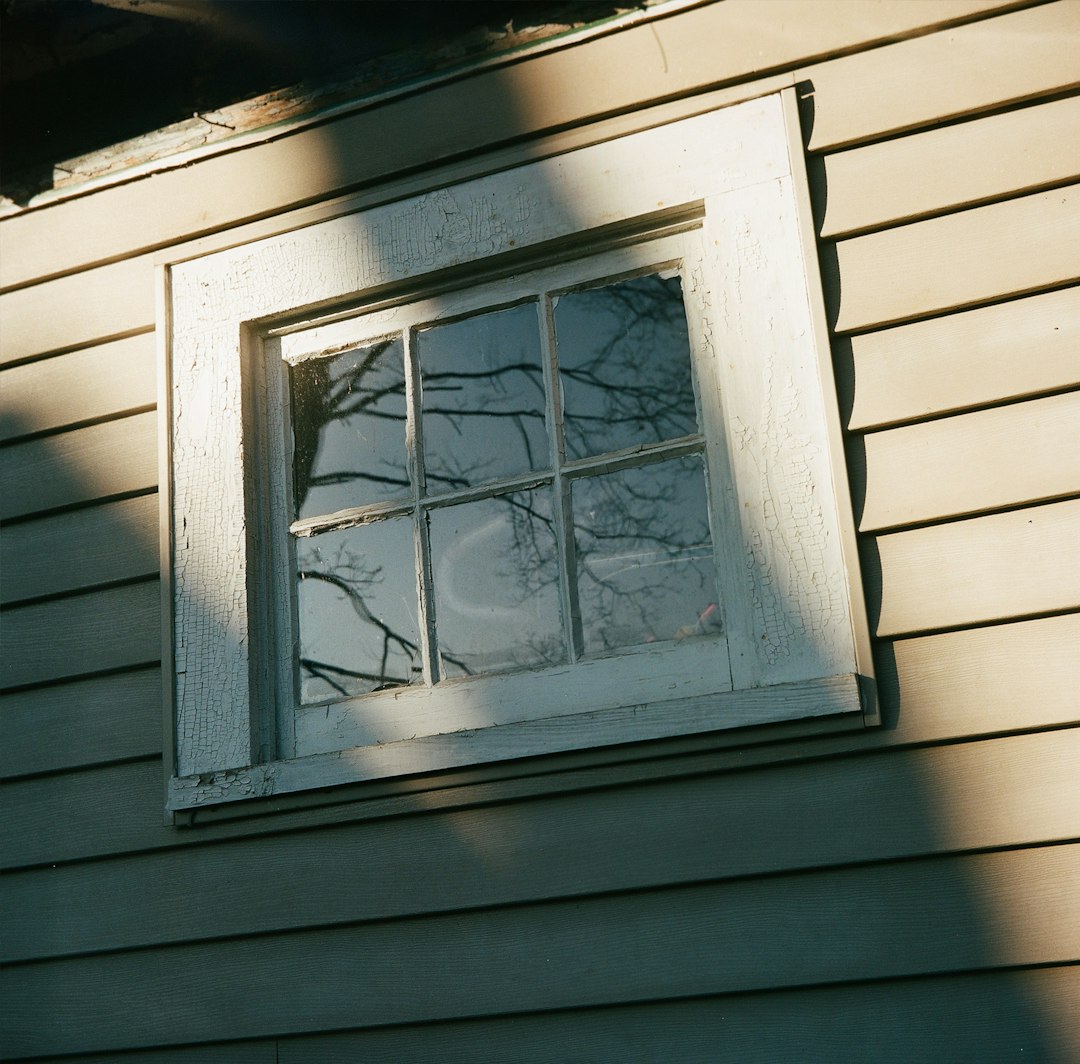
Exterior window film installation

by Sydney Moore (https://unsplash.com/@sydmoore6)

Choosing the Right Window Film for Your Home

When deciding between exterior and interior window films, consider the specific needs of your home and your personal preferences. Here are some factors to guide your decision:

Climate Considerations

If you live in an area with extreme weather conditions, exterior films might be the better choice due to their durability and superior heat rejection capabilities. Their resilience makes them suitable for regions with intense sunlight, heavy rainfall, or high winds, providing consistent performance year-round.

Conversely, in milder climates, interior films may suffice, offering adequate protection and benefits without the additional cost and complexity associated with exterior options.

Budget Constraints

For homeowners on a tighter budget, interior films offer a cost-effective alternative that still provides many benefits. Their lower price point makes them accessible to a wide range of consumers, allowing for improvements in comfort and efficiency without significant financial strain.

It’s important to balance initial costs with long-term savings potential, considering how each film type will impact energy bills and maintenance expenses over time.

Aesthetic Preferences

Consider whether you prefer the look of a particular film type. Decorative films can enhance the appearance of your windows and complement your interior design. The right film can add a touch of elegance or modernity, aligning with your personal style and the overall aesthetic of your home.

Exterior films may offer a more subtle look, maintaining the exterior appearance of your home while providing functional benefits. Choosing the right film involves finding a balance between visual appeal and performance.

Privacy and Security Needs

Think about your privacy and security requirements. If security is a top priority, you might opt for thicker security films. These films provide added protection against break-ins and accidents, offering peace of mind for families and individuals concerned with safety.

Privacy films are ideal for those seeking to shield their interiors from prying eyes, creating a more secluded and comfortable living environment without sacrificing natural light.

Conclusion

Both interior and exterior window films offer distinct advantages and disadvantages. By understanding the pros and cons, you can select the solution that best aligns with your lifestyle and home improvement goals. Window films are an excellent investment for homeowners seeking to enhance comfort, increase energy efficiency, and elevate the aesthetic value of their living spaces.

With the right choice, you’ll enjoy a more comfortable and stylish home environment. Remember, whether you choose interior or exterior films, professional installation can often ensure the best results, maximizing the benefits of your investment and extending the life of the film. Proper installation and maintenance are key to reaping the full benefits of window film technology, ensuring your home remains comfortable, efficient, and beautiful for years to come.

::contentReference[oaicite:0]{index=0}

Categories
Window Films and Window Tints

Is Exterior Application of Window Films a Good Idea

# Is Exterior Application of Window Films a Good Idea

When it comes to enhancing the aesthetics and energy efficiency of a home, window films offer an innovative solution. But is applying window films on the exterior surface of windows a good idea? This article aims to explore the pros and cons of exterior window film applications, helping you decide the best approach for your home improvement needs.

Exterior window films are specifically designed to be applied to the outside surface of windows. These films can provide various benefits, including improved energy efficiency, enhanced privacy, and reduced glare. The films come in a variety of styles, allowing homeowners to choose options that best match their aesthetic preferences and functional needs.

Benefits of Exterior Window Films

  1. Enhanced Energy Efficiency: Exterior window films help to reflect the sun’s heat before it penetrates the glass. This can significantly reduce the load on air conditioning systems during hot weather, leading to lower energy bills. According to the U.S. Department of Energy, improving window performance can play a major role in reducing overall household energy consumption.
  2. Improved Privacy: Privacy window films can obscure the view into your home without sacrificing natural light. This is particularly useful for houses located in busy neighborhoods or with windows facing public areas.
  3. Reduced Glare: Exterior films minimize the glare caused by direct sunlight, making it more comfortable to watch television or work on a computer near windows.
  4. Protection Against UV Rays: Window films block up to 99% of harmful UV rays, protecting interior furnishings from fading and prolonging their lifespan. The U.S. Environmental Protection Agency (EPA) highlights the importance of UV protection in reducing long-term sun damage risks.

Aesthetic Appeal

Decorative window films

Exterior window films come in various decorative options. Whether you prefer a frosted look, tinted shades, or intricate patterns, there are many styles to choose from. This versatility allows you to customize the appearance of your windows to complement your home’s design seamlessly.

Challenges of Exterior Window Films

While there are many benefits to exterior window films, there are also some challenges to consider:

Durability Concerns

Exterior window films are exposed to the elements, including rain, wind, and fluctuating temperatures. Over time, these conditions may affect the film’s durability. It’s essential to choose high-quality films designed for outdoor use and ensure professional installation to maximize longevity.

Maintenance Requirements

Cleaning window films

by Ruan Richard Rodrigues (https://unsplash.com/@ricdeoliveira)

Exterior films may require more frequent cleaning than interior films, as they are more exposed to dirt and debris. Regular maintenance is necessary to keep the films looking their best and performing effectively.

Potential Installation Challenges

Applying window films to the exterior can be more challenging than interior applications. Factors such as weather conditions, surface cleanliness, and window accessibility can affect the installation process. It’s recommended to hire professional installers with experience in exterior film applications to ensure the best results.

Professional Installation vs. DIY

When considering exterior window film applications, one important decision is whether to attempt a DIY installation or hire professionals. While DIY kits are available, exterior applications can be tricky and may result in less-than-perfect results if not done correctly.

Advantages of Professional Installation

  • Expertise and Experience: Professional installers have the skills and knowledge to handle various challenges, ensuring a smooth and effective application.
  • Quality Assurance: Professionals use high-quality materials and tools, providing a superior finish that enhances both functionality and appearance.
  • Warranty and Support: Many professional installations come with warranties, offering peace of mind and protection for your investment.

Conclusion: Is Exterior Application Right for You?

The decision to apply window films on the exterior of your home depends on several factors, including your specific needs, budget, and willingness to maintain the films. If you prioritize energy efficiency, privacy, and aesthetics, exterior films can be an excellent choice.

However, it’s crucial to weigh the benefits against potential challenges, such as durability and maintenance, and to consider hiring professionals for the best results.

By carefully evaluating these factors, you can make an informed decision that enhances your home’s comfort, style, and efficiency.

In conclusion, exterior window films present a viable solution for those looking to improve their home’s aesthetics and energy efficiency. With the right choice of film and professional installation, you can enjoy the many benefits these innovative products offer.

Categories
Window Films and Window Tints

How Long Does It Take to Install Window Tinting on Your Home

# How Long Does It Take to Install Window Tinting on Your Home

Window tinting is a popular and effective way to enhance the aesthetics and energy efficiency of your home. Whether you’re looking to reduce glare, enhance privacy, or improve energy savings, window tinting offers a versatile solution. However, one of the most common questions homeowners have is: “How long does it take to install window tinting?” In this article, we’ll explore the various factors that influence window tinting installation time and provide you with a comprehensive understanding of the process.

Before diving into the specifics of installation time, it’s important to understand what window tinting entails. Window tinting involves applying a thin film to the interior surface of your windows. This film is designed to block harmful UV rays, reduce heat transfer, and enhance the overall appearance of your windows.

The Benefits of Window Tinting

Window tinting offers a range of benefits for homeowners. It helps reduce energy consumption by minimizing heat gain during the summer and retaining heat in the winter. This can lead to lower energy bills and a more comfortable living environment. Additionally, window tinting provides protection against harmful UV rays, which can fade furniture, flooring, and other interior elements. It also enhances privacy without compromising natural light.

Factors Influencing Installation Time

The time it takes to install window tinting can vary based on several factors. Let’s take a closer look at these factors to give you a better idea of what to expect.

Number of Windows

The number of windows you want to tint is one of the most significant factors affecting installation time. Naturally, the more windows you have, the longer the installation process will take. A standard residential home with 10 to 15 windows can typically be completed in one day. However, larger homes with more windows may take longer.

Window Size and Shape

Different window sizes and shapes

The size and shape of your windows also play a crucial role in determining installation time. Larger windows require more film and precision during installation, which can extend the process. Additionally, windows with unique shapes, such as arches or circles, may require custom cutting and fitting, adding to the installation time.

Type of Film

The type of window film you choose can impact installation time. There are various types of window films available, including solar control films, decorative films, and security films. Each type may have different installation requirements, which can affect the overall time needed for the project. It’s essential to discuss your specific needs with your installer to determine the most suitable film for your home.

Installer Experience

The experience and expertise of the installer also influence installation time. Skilled and experienced professionals can complete the installation more efficiently, ensuring a high-quality finish. When choosing an installer, it’s important to consider their reputation and track record in the industry.

The Installation Process

Now that we’ve covered the factors affecting installation time, let’s walk through the typical installation process. Understanding the steps involved can help you better prepare for the installation day.

Step 1: Consultation and Assessment

The installation process begins with a consultation and assessment of your windows. During this phase, the installer will evaluate the number, size, and shape of your windows, as well as discuss your specific goals and preferences. This step is crucial for determining the appropriate type of film and providing an accurate time estimate.

Step 2: Preparation

Window cleaning before tinting

by Паша Грановский (https://unsplash.com/@ad_honores)

Before the installation begins, the windows need to be thoroughly cleaned to ensure proper adhesion of the film. Any dirt, dust, or debris on the window surface can affect the final result. The installer will clean the windows and remove any existing window treatments, if necessary.

Step 3: Film Application

Once the preparation is complete, the installer will carefully apply the window film to each window. This step requires precision and attention to detail to ensure a seamless and bubble-free finish. The installer will use specialized tools to smooth out the film and remove any air bubbles.

Step 4: Final Inspection

After the film is applied, the installer will conduct a final inspection to ensure that everything meets the desired standards. They will check for any imperfections or areas that may need additional attention. Once the inspection is complete, the installer will provide you with care instructions to maintain the longevity of the window tint.

Estimating Installation Time

While the installation time can vary based on the factors mentioned earlier, a general estimate for a standard residential home with 10 to 15 windows is approximately 4 to 8 hours. Larger homes with more windows or complex installations may take longer, potentially extending to a full day or more.

Conclusion

Window tinting installation is a valuable investment that offers numerous benefits for homeowners. While the installation time can vary based on factors such as the number of windows, window size and shape, type of film, and installer experience, the process is generally straightforward. By understanding these factors and working with a reputable installer, you can enjoy the many advantages of window tinting in your home.

Incorporating window tinting into your home improvement plans can enhance both the aesthetics and energy efficiency of your living space. If you’re considering window tinting for your home, consult with a professional installer to discuss your options and receive a personalized estimate for installation time.

Categories
Window Films and Window Tints

Customer Questions About Residential Window Tinting

When it comes to enhancing the comfort and aesthetics of your home, residential window tinting is an often-overlooked solution. Not only does it offer a sleek, modern look, but it also provides a range of practical benefits. If you’re considering adding window film to your home, you likely have a few questions. This article will address some of the most common questions about residential window tinting, helping you make an informed decision.

What is Home Window Tinting?

Home window tinting involves applying a thin film to the interior or exterior surface of your windows. This film is designed to reduce the amount of sunlight, heat, and UV rays that enter your home. It can also enhance privacy without sacrificing natural light.

How Does it Work?

Window film works by reflecting or absorbing sunlight. Different types of tints offer varying levels of light and heat blockage, allowing you to choose the level of protection that suits your needs.

Why Consider Residential Window Tinting?

House window with modern tinting

Energy Efficiency

One of the primary reasons homeowners opt for window tinting is to improve energy efficiency. Tinted windows can significantly reduce cooling costs by blocking out a substantial portion of heat from the sun. This means your air conditioning system won’t have to work as hard to maintain a comfortable temperature, leading to lower energy bills.

Enhanced Comfort and Protection

Window tinting can also enhance the comfort of your living spaces by minimizing glare from sunlight. This is especially beneficial for rooms with large windows or those facing the sun for extended periods during the day. Additionally, window films block up to 99% of harmful UV rays, which can protect your furniture, flooring, and artwork from fading and damage.

Increased Privacy and Security

Certain types of window films can increase the privacy of your home by making it more difficult for outsiders to see inside. This is particularly useful for ground-floor windows or homes in densely populated areas. Some films are also designed to hold glass together in the event of a break, providing an added layer of security.

What Types of Window Tinting Are Available?

There are several types of window tinting films available, each offering different benefits:

Solar Control Films

These are the most common type of residential window tinting films. They are designed to reduce heat and glare while providing UV protection. They are available in various shades and finishes to match your home’s aesthetics.

Decorative Films

Decorative films offer an opportunity to enhance the visual appeal of your windows. Available in a wide range of patterns, colors, and textures, these films can mimic the look of etched or frosted glass and are perfect for bathrooms or other private areas.

Security Films

Security films are thicker than regular window films and are designed to hold glass together in the event of impact. They can deter break-ins and reduce the risk of injury from shattered glass.

Privacy Films

These films are designed to obscure the view from outside while still allowing light to pass through. They are ideal for spaces where you want to maintain natural light without compromising privacy.

How is Window Tinting Installed?

The installation process for residential window tinting is straightforward but is best carried out by professionals to ensure a flawless finish.

Preparing the Windows

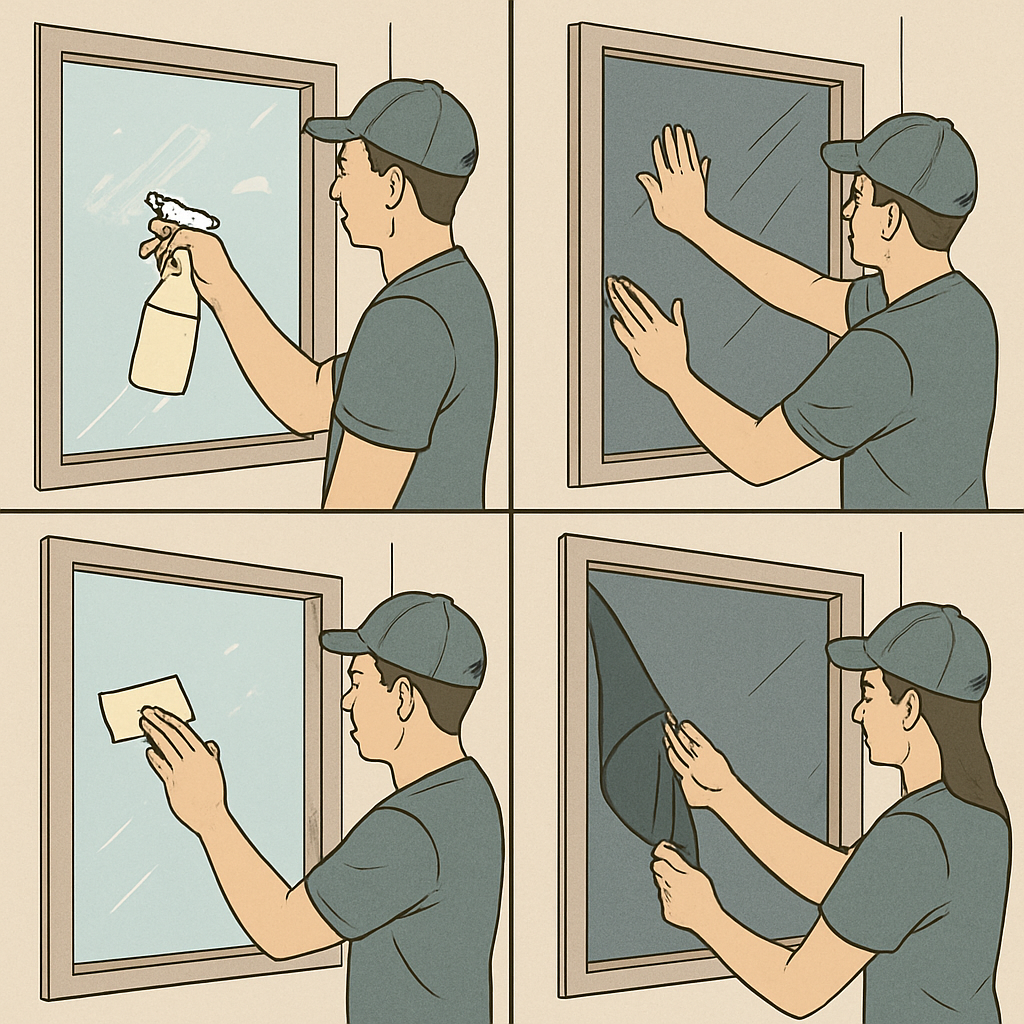
Before installation, windows need to be thoroughly cleaned to remove any dirt or debris that might interfere with the adhesion of the film.

Applying the Film

The film is then cut to size and applied to the window surface. A squeegee is used to remove any air bubbles and ensure the film adheres properly. The film needs to cure for a few days, during which time it should not be disturbed.

Is Window Tinting a Cost-Effective Solution?

Energy-efficient home with tinted windows

by Dmitriy Frantsev (https://unsplash.com/@vapricot)

While there is an upfront cost associated with window tinting, it is generally considered a cost-effective solution in the long run. The energy savings from reduced cooling costs can quickly offset the initial investment. Moreover, the added benefits of UV protection, enhanced comfort, and increased privacy make it a worthwhile investment for many homeowners.

Can Window Tinting Affect My Home’s Appearance?

Window tinting can enhance your home’s appearance by giving it a sleek, modern look. With a variety of shades and finishes available, you can choose a film that complements your home’s style. Whether you prefer a subtle, barely-there tint or a bold, decorative film, there are options to suit every taste.

Are There Any Downsides to Window Tinting?

While window tinting offers numerous benefits, there are a few considerations to keep in mind:

  • Installation Quality: Poor installation can lead to bubbling, peeling, or warping of the film. It’s crucial to hire experienced professionals to ensure a flawless finish.
  • Limited Light: Some homeowners may find that certain films reduce natural light too much. It’s important to choose the right film for your specific needs and preferences.
  • Maintenance: While window films are generally low-maintenance, they can be damaged by harsh cleaning agents or abrasive materials. It’s best to use a soft cloth and mild detergent for cleaning.

Conclusion

Residential window tinting is a versatile and cost-effective solution for enhancing your home’s comfort, privacy, and energy efficiency. By selecting the right type of film and ensuring professional installation, you can enjoy the many benefits window tinting has to offer. Whether you’re looking to reduce energy costs, protect your furnishings, or simply enhance your home’s appearance, window tinting is worth considering as part of your home improvement strategy.

Categories
Window Films and Window Tints

Using Window Films for Better Winter Thermal Comfort

As winter approaches, ensuring your home is warm and comfortable becomes a priority. The chill of the season can seep into your living spaces, making it essential to find effective solutions to maintain warmth. An often-overlooked solution for improving thermal comfort during the cold months is the use of window films. These innovative films offer a range of benefits, from enhancing energy efficiency to adding a touch of style to your home. In this article, we will explore how window films can provide better thermal comfort during winter and why they should be a part of your home improvement strategy. By addressing energy efficiency, aesthetics, and functionality, window films emerge as a versatile and practical option for homeowners.

Window films are thin layers of polyester or other materials applied to the inside of your windows. They serve as an additional barrier against the elements, providing a means to regulate indoor temperatures more effectively. They are available in various types, including solar control films, which are particularly effective in managing heat and light transmission. These films are designed to improve the insulation of your windows, thus enhancing your home’s thermal comfort. They work by reflecting a portion of the heat back into the room, which is especially beneficial in winter when heat retention is crucial.

The Benefits of Window Films

Using window films comes with numerous advantages, particularly in enhancing thermal comfort. Here are some key benefits:

  • Energy Efficiency: Window films help in reducing heat loss through windows, which is crucial during the winter. This results in lower energy consumption and reduced heating bills. By maintaining a more stable indoor temperature, your heating system doesn’t have to work as hard, leading to significant savings over time.
  • Improved Comfort: By minimizing cold drafts and maintaining a more consistent indoor temperature, window films contribute to a more comfortable living environment. They create a buffer against the cold, ensuring that the warmth generated inside stays inside. This consistency in temperature can make your home feel more inviting and cozy.
  • UV Protection: Many window films block harmful UV rays, protecting your furniture and interiors from fading. This protection extends the lifespan of your home furnishings and reduces the need for frequent replacements or repairs. Additionally, UV protection can contribute to the health of your skin by reducing your exposure to harmful rays.
  • Aesthetic Appeal: With a variety of designs and finishes, window films can enhance the aesthetics of your home without compromising on functionality. Whether you prefer a minimalist look or something more decorative, there are options to suit every style. Films can add a layer of sophistication, transforming ordinary windows into eye-catching features.

How Window Films Enhance Thermal Comfort

Energy-efficient window films

Insulation and Heat Retention

One of the primary functions of window films is to act as an additional layer of insulation on your windows. This extra layer helps in reducing heat transfer through the glass, keeping the warmth inside your home during cold months. By preventing heat loss, window films allow your heating system to work more efficiently, keeping your home cozy and comfortable. The films work similarly to double-glazing, providing an extra barrier that helps trap heat inside. This can be particularly beneficial in older homes where window insulation might be lacking.

Reduction of Cold Spots and Drafts

Window films help reduce cold spots near windows by minimizing heat loss. This results in fewer drafts and a more uniform temperature throughout your living space. By eliminating these cold spots, you can enjoy a more consistent and pleasant indoor environment. Cold drafts can often lead to discomfort, requiring you to use more heating to compensate. With window films, these drafts are significantly reduced, creating a stable and warm atmosphere in your home. The films also help in improving the overall air quality, as fewer drafts can mean less dust and allergens circulating around your home.

Enhanced Light Control

Solar control films are designed to manage the amount of sunlight entering your home. During winter, they can help you maximize natural light while reducing glare and preventing heat loss. This balance ensures that your home remains bright and inviting without compromising on warmth. By controlling the amount of light that enters, you can also protect your interiors from the harshness of direct sunlight, which can cause fading and damage over time. The films allow you to enjoy the benefits of natural light without the accompanying drawbacks, creating a warm and welcoming environment even on the coldest days.

Choosing the Right Window Film

Selecting the right window film for your home involves considering several factors, including climate, window orientation, and personal preferences. Here are some tips to help you make an informed choice:

Assess Your Needs

Determine your primary goal for using window films. Is it to improve thermal comfort, enhance privacy, or protect against UV rays? Understanding your needs will guide you in selecting the most suitable film. Different films offer different benefits, so knowing what you want to achieve can help narrow down your options. Consider whether you prioritize energy savings, aesthetic improvements, or a combination of both. This assessment will ensure that you invest in a product that meets your specific requirements.

Consider the Climate

In colder climates, opt for films that offer superior insulation and heat retention properties. These films are designed to minimize heat loss and improve energy efficiency, making them ideal for winter thermal comfort. For those living in milder climates, a balance between heat retention and UV protection might be more appropriate. The climate you live in will significantly affect the performance of your window films, so choose accordingly to maximize benefits.

Evaluate the Aesthetics

Window films come in various designs and finishes. Choose a film that complements your interior décor and enhances the overall aesthetic appeal of your home. Whether you prefer a frosted look for added privacy or a clear film that maintains your view, there are options available to suit every taste. The right film can elevate the style of your home, adding a modern touch or preserving a classic look depending on your preference.

Installation and Maintenance

Professional window film installation

by Blake Harbison (https://unsplash.com/@blake_harbison)

Professional Installation

While some homeowners may choose to install window films themselves, professional installation is recommended for optimal results. Professionals have the expertise and tools to ensure a seamless application, reducing the risk of bubbles and imperfections. A professional installation guarantees that the film adheres properly, providing maximum efficiency and longevity. By investing in professional services, you can ensure that your window films perform as expected and deliver the benefits you are looking for.

Easy Maintenance

Window films are relatively low maintenance. Regular cleaning with mild soap and water will keep them looking pristine. Avoid using abrasive cleaners or tools that could damage the film. This simple maintenance routine ensures that your films remain effective and aesthetically pleasing for years to come. By taking care of your window films, you can enjoy their benefits without the hassle of frequent upkeep.

Real-World Applications and Success Stories

Many homeowners and interior designers have successfully incorporated window films into their projects, reaping the benefits of improved thermal comfort and energy efficiency.

Case Study: A Stylish and Energy-Efficient Home

An interior designer working on a modern home renovation sought to enhance energy efficiency while maintaining a sleek, minimalist aesthetic. By choosing a high-performance solar control film, the designer achieved a balance of style and functionality. The film reduced heat loss during winter, lowered energy bills, and added a sophisticated touch to the home’s large glass windows. This case highlights how window films can be an integral part of both form and function, providing practical benefits while enhancing visual appeal.

Feedback from Satisfied Homeowners

Homeowners who have invested in window films often report noticeable improvements in comfort and energy savings. Many appreciate the added privacy and UV protection, alongside the aesthetic enhancement films bring to their living spaces. Testimonials from users underline the versatility and effectiveness of window films, with many reporting a significant reduction in heating costs and an overall improvement in the comfort level of their homes. This feedback reinforces the idea that window films are a worthwhile investment for anyone looking to upgrade their home environment.

Conclusion

Window films offer a practical and stylish solution for enhancing winter thermal comfort in your home. By improving insulation, reducing drafts, and maximizing natural light, these films contribute to a warmer, more energy-efficient living environment. Whether you’re an interior designer looking for eco-friendly solutions or a homeowner seeking to reduce energy bills, window films are a valuable addition to your home improvement toolkit. The benefits extend beyond just comfort and cost savings, offering aesthetic enhancements and protective features.

Investing in window films not only enhances your home’s comfort but also adds value and aesthetic appeal. Consider incorporating window films into your winter preparation strategy and experience the difference they can make in your living space. As the cold months approach, ensure that your home remains a sanctuary of warmth and style by choosing the right window films for your needs. By doing so, you will enjoy a more comfortable and visually pleasing environment, making winter a season to enjoy rather than endure.

Categories
Derma Roller

How to Use the Power of Vitamin C Serum in Eliminating Fine Lines?

Do you want to reduce or fully eliminate the fine lines and wrinkles in your forehead? Then note that you do not have to go as extreme as getting a Botox to get your desired result. You can go for natural solutions, instead, like using a Vitamin C serum. This formula can increase the production of collagen, thereby eliminating fine lines and improving the texture of your skin as it will most likely become smooth, vibrant, and bright.

The Benefits of the Serum

As a famous antioxidant, Vitamin C is effective in fighting against free radicals that cause a lot of damage to your skin and make it look older than your actual age. Apart from that, serums with Vitamin C as well as other useful ingredients can guarantee an increased collagen production. Note that collagen is necessary for softening your skin and maintaining its youth.

The inadequate production of collagen might lead to wrinkles and other signs of aging. Fortunately, you can now use the Vitamin C serum in getting rid of such issues, including the lines in your forehead. Just make sure to pick a product tested by dermatologists. It should not irritate your skin. It also helps to choose those that have around 10% to 15% concentration of Vitamin C.

How to Use It?

Making the serum a part of your regular skincare routine is actually easy. You just have to include the use of Vitamin C serum in your morning and bedtime skincare regimen. It would be best to use it prior to applying a moisturizer but after you applied your toner. This sequence can produce optimal results because your skin will be able to absorb the beneficial ingredients more effectively.

Apply around 2-3 drops of Vitamin C serum in your toned and clean skin two times a day. If you applied it in the morning, make sure that a high-quality sunscreen with a minimum sun protection factor (SPF) of 30 follows it up. It is also possible to supplement it with an anti-aging serum called DermaC+ if you wish to encourage collagen production. This can also help your skin produce elastin, which refers to a protein necessary for skin repair and nourishment.

Conclusion

Do you intend to use high-quality yet inexpensive skincare products designed to prevent and control the signs of aging, like wrinkles and fine lines? Then make it a point to use the dermaroller as it can protect and nourish your skin while finally helping you say goodbye to some aging symptoms.