Categories
Window Films and Window Tints

How Window Films Improve Energy Efficiency in Toronto Homes and Commercial Buildings

# Lessons Learned from Heat Reflective Window Film

When it comes to home improvement, few solutions offer as many benefits as heat reflective window film. This innovative product not only enhances the aesthetic appeal of a space but also significantly improves energy efficiency, providing both style and savings for homeowners.

In this article, we will explore the lessons learned from installing heat reflective window film, discuss its benefits, and explain how it can be a game-changer for interior designers looking to offer eco-friendly and cost-effective solutions to their clients.

Heat reflective window film is a thin, multi-layered polyester material that can be applied to windows to reduce heat gain, glare, and UV exposure. It acts as an effective barrier, reflecting the sun’s rays away from the window, which helps maintain a consistent indoor temperature and reduces the need for air conditioning.

Key Benefits

  1. Energy Efficiency: By reducing the amount of heat entering a home, heat reflective window film helps lower energy bills. It keeps interiors cooler in the summer, which means less reliance on air conditioning.
  2. UV Protection: The film blocks up to 99% of harmful UV rays, preventing fading of furniture, carpets, and other interior furnishings.
  3. Glare Reduction: It minimizes glare on screens and surfaces, enhancing comfort for occupants.
  4. Privacy: Some heat reflective window films also offer privacy features, allowing natural light in while blocking the view from outside.
  5. Aesthetic Appeal: Available in various shades and styles, window films can complement any design vision.

Lessons from Installation

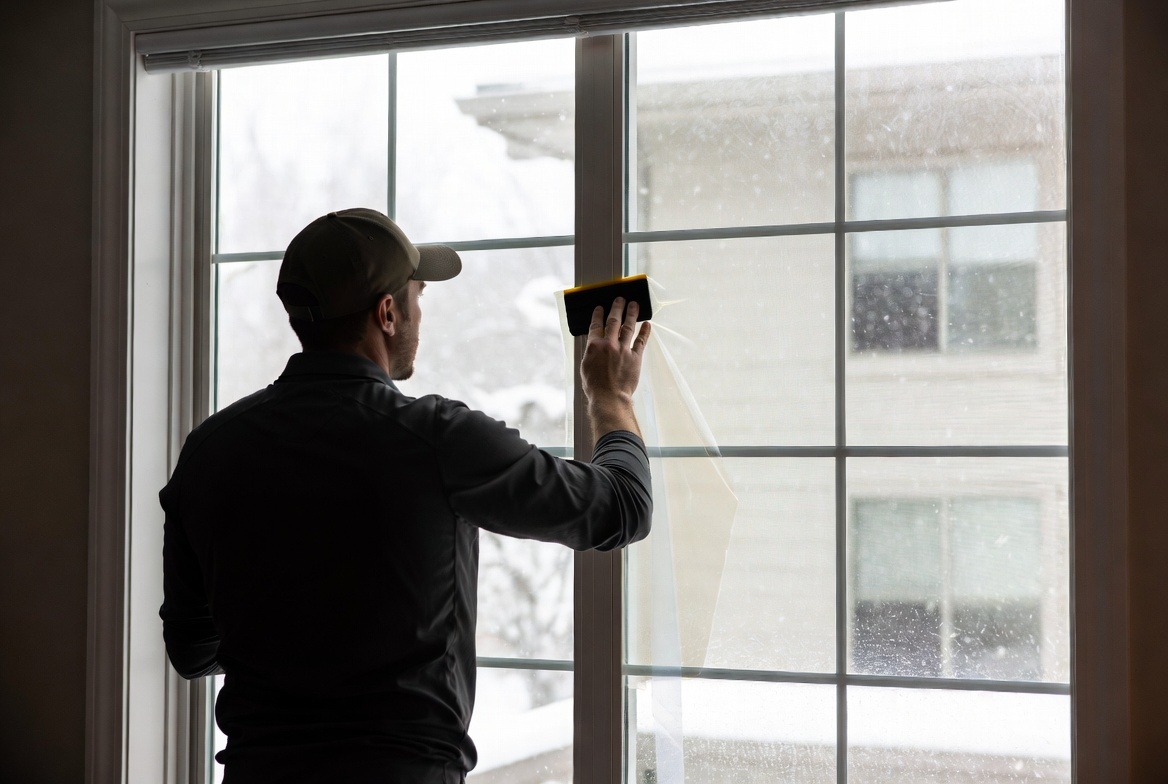
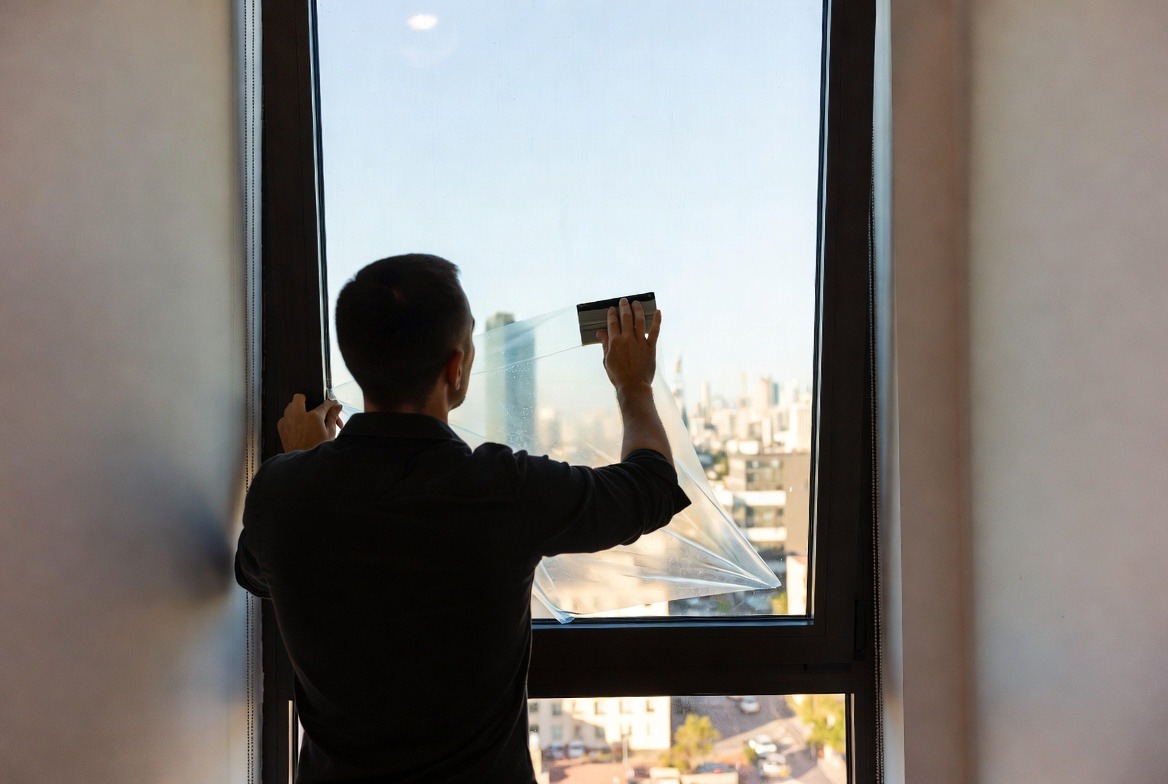
Professional installing window film

Precision Matters

One of the most crucial lessons from installing heat reflective window film is the importance of precision. Proper installation ensures maximum effectiveness and longevity. Every window must be meticulously measured and the film carefully applied to avoid air bubbles or creases.

Quality Over Quantity

Selecting a high-quality window film is essential. Not all films are created equal; investing in a reputable brand ensures better performance and durability. Cheaper films may peel or discolor over time, reducing their effectiveness and the aesthetic value they add to a home.

The Right Tools

Using the correct tools is vital for a successful installation. Specialized squeegees, cutting tools, and application solutions help achieve a smooth, bubble-free finish. Professional installers bring the expertise and equipment necessary to complete the job efficiently.

Enhancing Interior Design with Window Film

For interior designers, incorporating heat reflective window film into projects offers numerous advantages. Here’s how it can elevate your design work:

Stylish and Functional

Window films come in various styles, including mirrored, frosted, and tinted options. This versatility allows designers to select films that enhance the aesthetic of a room while providing functional benefits like insulation and privacy.

Eco-Friendly Design

As sustainability becomes increasingly important to clients, offering eco-friendly solutions is a must. Heat reflective window film reduces energy consumption, making it an ideal choice for environmentally conscious homeowners.

Cost-Effective Solutions

For clients on a budget, window film is a cost-effective alternative to more expensive window treatments or replacements. It provides significant energy savings without the need for major renovations.

Tips for Choosing the Right Window Film

Variety of window film samples

by Shannia Christanty (https://unsplash.com/@shanniacy)

When selecting window film for a project, consider these factors:

Climate Considerations

Choose a film that matches the climate of the home. In sunnier regions, a film with higher reflectivity may be necessary, while in milder climates, a lighter tint might suffice.

Privacy Needs

If privacy is a priority, opt for films with higher opacity or mirrored finishes. This ensures that while natural light enters, visibility from the outside is minimized.

Aesthetic Preferences

Collaborate with clients to select a film that aligns with their design preferences. Whether they prefer a subtle tint or a bold mirrored look, there’s a film to suit every taste.

Conclusion

Heat reflective window film presents a versatile, stylish, and practical solution for enhancing homes. By reducing energy consumption, protecting interiors from UV damage, and adding a layer of privacy, window film is an invaluable tool in any designer’s arsenal.

As you incorporate this innovative product into your designs, remember the lessons learned from installation: prioritize precision, invest in quality, and use the right tools. These steps will ensure that your window film installations deliver both aesthetic and functional benefits, delighting your clients and elevating your design projects.

By embracing heat reflective window film, interior designers can offer cutting-edge solutions that meet the demands of modern, eco-conscious living spaces. Whether it’s for new constructions or renovations, this product is sure to enhance any project with its myriad of benefits.

Categories
Window Films and Window Tints

Case Study on Uv Blocking Window Film

In recent years, the demand for UV blocking window film has seen a significant rise among homeowners and interior designers alike. As people become more conscious of energy efficiency and the harmful effects of UV rays, innovative solutions like UV blocking window film have become essential. This case study delves into the practical applications and benefits of UV window film, showcasing its potential as a stylish and functional addition to any living space.

Understanding UV Blocking Window Film

What is UV Blocking Window Film?

UV blocking window film is a thin laminate film that can be installed on the interior or exterior of glass surfaces in homes, offices, and vehicles. It is designed to reduce the amount of ultraviolet light that enters through windows, thereby protecting against harmful UV rays and improving energy efficiency.

Benefits of UV Blocking Window Film


  1. Protection from Harmful UV Rays: Prolonged exposure to ultraviolet rays can cause skin damage and fade furnishings. UV window film blocks up to 99% of these rays, safeguarding both your health and your home’s interior. Learn more about UV exposure risks from the Skin Cancer Foundation.

  2. Energy Efficiency: By reducing heat gain during the summer and heat loss in the winter, UV window film helps maintain a comfortable indoor temperature, potentially lowering energy bills. According to the U.S. Department of Energy, window films can significantly improve insulation performance.

  3. Glare Reduction: Solar window film minimizes glare from sunlight, enhancing the comfort and usability of indoor spaces, particularly for those working from home or watching television.

  4. Preservation of Interior Furnishings: By filtering out UV rays, these films prevent fading and deterioration of furniture, artwork, and flooring, preserving the aesthetic appeal of your home.

  5. Enhanced Privacy and Security: Certain types of window films offer increased privacy by limiting visibility from outside, without obstructing the view from inside. If you’re exploring broader advantages, you can also review the benefits of window films for additional insights.

Case Study: A Homeowner’s Experience

Home office with window film installed

The Challenge

A homeowner in a suburban neighborhood was experiencing several issues with their large, south-facing windows. The intense sunlight led to excessive heat during the summer months, causing discomfort and increased air conditioning costs. Additionally, the homeowner noticed significant fading of their hardwood floors and upholstery.

The Solution

After consulting with a home improvement expert, the homeowner decided to install UV blocking window film. The chosen product offered a balance of solar control and aesthetic appeal, aligning with the homeowner’s desire for an unobtrusive yet effective solution.

The Installation Process

The installation process was straightforward and completed within a day. The home improvement team meticulously measured and cut the film to fit each window pane. Using a specialized adhesive, the film was applied, ensuring a smooth, bubble-free finish.

The Results

Post-installation, the homeowner reported a noticeable reduction in indoor temperature fluctuations and a more comfortable living environment. The glare on television and computer screens was significantly reduced, enhancing the usability of the space. Most importantly, the homeowner observed a marked decrease in fading of their interior furnishings.

The homeowner’s energy bill also showed a reduction, indicating the film’s effectiveness in improving energy efficiency. The installation of UV window film proved to be a cost-effective and stylish solution to the homeowner’s initial concerns.

Applications for Interior Designers

Enhancing Aesthetic Appeal

For interior designers, UV blocking window film offers an opportunity to enhance the aesthetic appeal of a space without compromising on function. Available in a variety of tints and styles, these films can complement any design theme, from modern minimalism to classic elegance.

Eco-Friendly Design Solutions

Incorporating solar window film into design projects aligns with the growing trend toward eco-friendly and sustainable living. By reducing reliance on artificial heating and cooling, window films contribute to a home’s overall energy efficiency, appealing to environmentally conscious clients.

Customizable Options

Interior designers can select from a range of customizable options, including decorative films that add texture and pattern to glass surfaces. This versatility allows for creative freedom in designing spaces that are both beautiful and functional.

Conclusion

Close-up of window film application

by Maryam F. (https://unsplash.com/@encoreunemaryam)

UV blocking window film is an innovative solution that addresses multiple homeowner and designer needs. From reducing energy consumption to preserving interior furnishings, the benefits of these films are clear and compelling. For interior designers, they offer a practical, stylish, and eco-friendly way to enhance living spaces while meeting client expectations.

As a trusted expert in home improvement solutions, it is my goal to provide you with the knowledge and tools necessary to make informed decisions about your home or design projects. By considering the installation of UV blocking window film, you invest not only in the longevity of your interior space but also in the comfort and well-being of its inhabitants.

Whether you are a homeowner seeking to protect your investment or an interior designer striving to offer innovative solutions, UV window film presents a valuable addition to your toolkit. Embrace the future of window solutions and discover the transformative power of UV blocking window film today.

Categories
Window Films and Window Tints

Before You Install Window Films in Toronto: What You Should Know First

Window films are one of the most searched window upgrades in Toronto homes and commercial buildings. People search for window films when rooms overheat in summer, glare ruins computer screens, privacy feels exposed, or hardwood floors begin fading near large glass panels. During heatwaves and freezing winters, searches for window films spike across Toronto neighbourhoods like North York, Scarborough, Etobicoke, and downtown condo towers.

If you are researching window films, you likely want real answers. You want window films that match your glass, survive harsh Canadian seasons, and fix the actual problem instead of just making windows darker.

Window films are not just tint. The type of glass matters. The direction of the sun matters. Toronto’s climate matters. Installation method matters even more.

Below is what property owners often miss when installing window films in Toronto.

Start With the Real Reason You Want Window Films

Many people say, “I want tinted windows.” That sounds simple. But tint is not the goal. The goal is usually heat control, privacy, glare reduction, UV protection, or security.

If heat is the problem, solar window films help reflect infrared heat while still allowing natural light. Dark film is not always stronger. Some lighter films block more heat than dark ones.

If heat is your main issue, this guide explains your options clearly: heat blocking window films .

If privacy is the concern, the type of space matters. Bathrooms often use frosted films. Office boardrooms use decorative films. Retail stores may use reflective films for daytime privacy.

This article explains how different films improve privacy: privacy window films .

Security is another reason people install window films. Security window films are thicker and help hold shattered glass together. They do not stop glass from breaking, but they slow entry.

If you want to understand how these work: security window films .

Choosing window films based on the actual problem avoids regret later.

Glass Type Changes Everything

Not all glass behaves the same. Downtown condos often use low-E coated glass. Older homes in East York or parts of Scarborough may have basic double-pane glass. Commercial plazas near Vaughan may use tempered storefront glass.

Low-E glass already reflects heat. Adding the wrong window film can trap heat inside the glass unit. Toronto weather swings fast in spring and fall. Cold mornings followed by warm afternoons create expansion stress.

We once saw a high-rise condo near Yonge and Bloor install dark interior film across all units. Two months later, several windows developed stress cracks. The film was not defective. It was incompatible with the low-E glass.

Interior films reflect heat after it enters the glass. Exterior films stop heat before it passes through. Exterior films can help certain condo units but wear faster due to snow, salt, and UV exposure.

Natural Resources Canada explains how windows impact building energy use here: energy efficiency and window performance .

Toronto Climate Plays a Bigger Role Than You Think

Window films in Toronto must handle hot summers and freezing winters. This is not a mild climate.

South-facing windows receive constant sunlight. West-facing windows heat up late afternoon. North-facing windows often lose more heat than they gain.

A small office near St. Clair West installed window films only on west-facing glass. Afternoon indoor temperatures dropped about 4–6 degrees. Employees stopped closing blinds all day. Productivity improved slightly. Not magic. Just proper film placement.

Winter curing time also matters. Window films installed in January cure slower than films installed in July. Some haze is normal during early weeks. Many people panic and think the film failed. It has not.

Health Canada explains UV exposure and its long-term effects here: UV radiation and health risks .

Installation Quality Impacts Long-Term Results

Many window film complaints come from poor installation, not bad film.

Common mistakes include:

  • Dust trapped under film
  • Uneven trimming along edges
  • Improper surface cleaning
  • Rushing curing time

In condos, exterior film often requires board approval. Reflective films may violate appearance rules. Commercial spaces must follow glazing safety codes.

If installation is done poorly, film may peel within a year. Edges may lift. Adhesive may fail.

For a breakdown of professional application steps: install window film correctly .

Understand Cost vs Long-Term Value

Interior window films often last 10 to 20 years. Exterior films last less due to weather exposure.

Cheap films sometimes fade or turn purple over time. Adhesive quality matters. Prep work matters.

A retail shop near Queen Street chose the lowest-priced film option three years ago. Within two summers, fading appeared. They replaced it with a higher-quality film. The second install cost more upfront but lasted longer.

This guide explains pricing clearly: window film installation cost .

Short-term savings can become long-term costs.

Local Experience Matters With Window Films

Window films that work in Vancouver or Calgary may not behave the same in Toronto.

Local installers understand:

  • Condo board restrictions
  • Low-E glass combinations
  • Winter installation timing
  • Neighbourhood-specific sun exposure

Experience comes from real installs and fixing past mistakes. Not from brochures.

Final Thoughts Before Choosing Window Films

Before installing window films, ask:

  • What problem am I solving?
  • What type of glass do I have?
  • Does my building have restrictions?
  • Am I thinking short-term or long-term?

Window films can improve comfort, reduce glare, add privacy, block UV rays, and support security. But only when matched correctly to glass and installed properly.

If you want guidance choosing window films for your Toronto property, learn more or request a quote at Tintly Window Films.

::contentReference[oaicite:0]{index=0}

Categories
Window Films and Window Tints

In-Depth Look at Window Film Installation Near Me

# In-Depth Look at Window Film Installation Near Me

If you’re looking to enhance your home’s comfort and efficiency, residential window tinting is a solution worth considering. It’s not just about aesthetics; window film installation offers several practical benefits, including energy savings and UV protection. In this article, we’ll explore the intricacies of window film installation, explain why it’s a smart choice, and guide you on finding the best service providers near you.

Understanding Window Film

Window film is a thin laminate film that can be installed on the interior or exterior of glass surfaces in homes. This film provides various benefits ranging from reducing glare and heat to protecting your interiors from harmful UV rays. But what makes it truly special is its ability to enhance your living space’s aesthetics while boosting energy efficiency. For a deeper explanation, see Introduction to window films.

Types of Window Film

There are several types of window film available, each designed to meet specific needs:

  1. Solar Control Film: Reduces heat and glare, making your home more comfortable and energy-efficient.
  2. Safety and Security Film: Holds glass together in the event of breaking, providing an added layer of security.
  3. Decorative Film: Offers aesthetic enhancements with patterns, frosts, or colors.
  4. Privacy Film: Blocks outsiders from seeing in without sacrificing natural light.

Selecting the right film depends on your particular needs, whether it’s reducing energy bills or adding a decorative touch.

Benefits of Window Film Installation

Close-up of window film application

Energy Efficiency

One of the most compelling reasons to install window film is its contribution to energy efficiency. By reducing heat gain in the summer and heat loss in the winter, window film helps maintain a consistent indoor temperature. This can significantly lower your energy bills and reduce your carbon footprint. According to the U.S. Department of Energy, window films and coverings can improve insulation and reduce energy costs.

UV Protection

Window film blocks up to 99% of harmful UV rays, safeguarding your furniture, flooring, and artwork from fading. This protection extends the life of your interior furnishings and preserves the vibrancy of colors. The Environmental Protection Agency explains how UV radiation affects materials and indoor environments.

Enhanced Comfort and Privacy

With window film, you can enjoy natural light without the discomfort of glare. Furthermore, privacy films allow you to maintain visibility from the inside while obscuring the view from outside, enhancing your privacy without drawing the blinds.

Increased Safety

In the event of glass breakage, safety and security films hold the glass fragments together, reducing the risk of injury and deterring potential break-ins.

Finding Window Film Installation Services Near You

With so many options available, finding a reliable window film installation service can be daunting. Here are some tips to guide you through the process:

Research and Reviews

Start by researching companies that specialize in window film installation in your area. Look for reviews and ratings on platforms like Google, Yelp, or Angie’s List to gauge customer satisfaction. Positive reviews often indicate reliable service and quality work.

Certifications and Experience

Choose a company with certified and experienced technicians. Certification ensures they have the necessary skills and knowledge to perform the installation correctly, while experience often translates to better service and results.

Consultation and Customization

A reputable window film installation service should offer a consultation to understand your needs and recommend the best solutions. They should provide options tailored to your preferences, whether it involves energy savings, privacy, or aesthetic enhancements.

The Installation Process

Window film being professionally installed

by william f. santos (https://unsplash.com/@youwwwill)

The installation process of window film is crucial for its effectiveness and longevity. Here’s what you can generally expect:

  1. Assessment: The installer will assess your windows and discuss your specific needs.
  2. Selection: Based on the assessment, you’ll choose the appropriate film type.
  3. Preparation: The windows will be cleaned thoroughly to ensure a smooth application.
  4. Application: The film is carefully applied to the glass, typically using a solution to help position and secure the film.
  5. Inspection: Once applied, the installer will inspect the film for any bubbles or imperfections.

Professional installation is recommended to ensure the film adheres properly and provides the maximum benefits.

Cost Considerations

The cost of window film installation can vary based on several factors, including the type of film, the size and number of windows, and your location. While it may seem like a significant investment upfront, the long-term savings on energy bills and the protection it provides often justify the cost.

Getting Quotes

It’s wise to get quotes from multiple service providers to compare prices and services. Make sure the quotes are detailed, covering all aspects of the installation process.

Conclusion

Residential window film installation is a worthwhile investment that enhances comfort, boosts energy efficiency, and protects your interiors. By understanding the benefits and knowing how to select the right service provider, you can make an informed decision that adds value to your home.

Whether you’re looking for energy savings, UV protection, or aesthetic enhancement, window film is a versatile solution that caters to a wide range of needs. So, if you’re considering “window film installation near me,” take the time to research and choose a service that meets your specific requirements.

By investing in window film, you not only improve your living environment but also contribute to a more sustainable and efficient home. Make the choice today and see the transformative impact on your space.

Categories
Window Films and Window Tints

Debunking Myths About Blackout Window Film

# Debunking Myths About Blackout Window Film

In the world of home improvement, blackout window film is gaining popularity for its ability to transform living spaces. However, with rising interest comes a slew of misconceptions. Let’s delve into some common myths about blackout window film and uncover the truth behind this innovative solution.

Myth 1: Blackout Window Film Makes Rooms Too Dark

One prevalent myth is that blackout window film will plunge your room into total darkness, making it feel like a cave. While it’s true that blackout film significantly reduces light, it doesn’t mean your space has to become dreary.

The Reality

Blackout window film is designed to block out a substantial amount of light, offering privacy and reducing glare. However, you have control over how much light enters your room by choosing films with different opacities. For instance, some films allow a softer light to filter through, creating a warm and inviting atmosphere rather than a gloomy one.

For rooms where you desire complete darkness, such as home theaters or bedrooms, full blackout films are ideal. But for living spaces, you can opt for lighter versions that balance privacy with natural light.

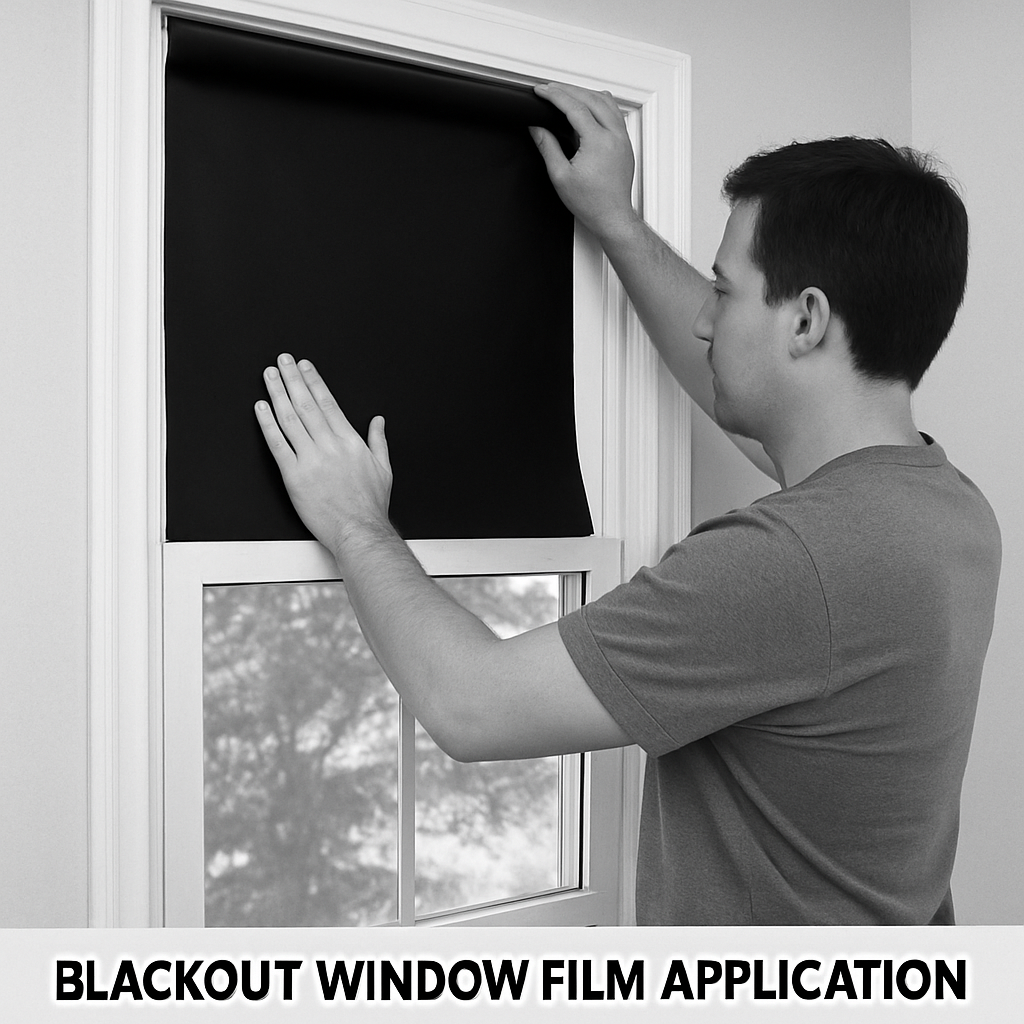
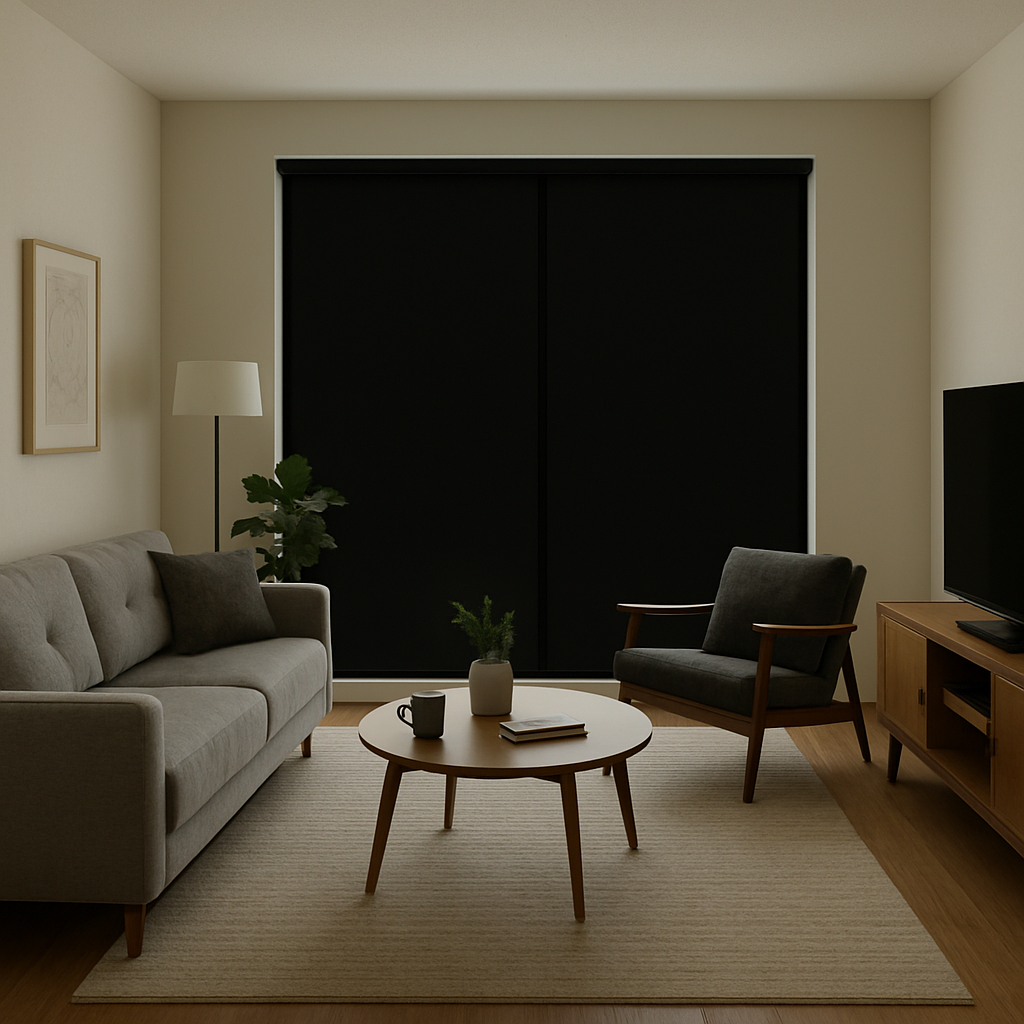
Modern living room with blackout film

Myth 2: Blackout Film Damages Windows

A common concern is that applying blackout film can damage windows, leading to costly repairs. This myth has deterred many from exploring the benefits of window films.

The Reality

When installed correctly, blackout window film does not harm your windows. In fact, it can protect them. Professional installation ensures that the film adheres properly without causing bubbles or peeling, which could otherwise lead to damage. According to the U.S. Department of Energy, certain window films can also improve energy performance by reducing heat gain and glare. Additionally, blackout films provide a protective layer that can reduce the risk of window shattering and shield glass from harmful UV rays.

Myth 3: Blackout Film Is Only For Nighttime Privacy

Many believe that blackout film is only useful for maintaining privacy at night, rendering it less effective during the day.

The Reality

One of the standout features of blackout window film is its versatility. It provides round-the-clock privacy by preventing outsiders from peering into your home, regardless of the time of day. This makes it an excellent choice for street-facing windows or homes in densely populated areas where privacy is a concern.

Furthermore, blackout films can enhance energy efficiency by reducing heat gain during sunny days, which can help lower cooling costs. Research from the U.S. Environmental Protection Agency highlights how reducing solar heat gain can significantly improve indoor energy efficiency.

Myth 4: Blackout Film Is Hard to Maintain

There’s a misconception that blackout window film requires special care and is challenging to maintain.

The Reality

Blackout window film is quite durable and easy to maintain. Regular cleaning with a soft cloth and a mild detergent is typically sufficient to keep it looking new. Unlike curtains or blinds, which can collect dust and require frequent laundering, window films offer a low-maintenance alternative that remains pristine with minimal effort.

Myth 5: Blackout Film Is Expensive

Cost is often a significant factor when considering home improvement solutions. Some people assume that the benefits of blackout window film come with a hefty price tag.

The Reality

While there is an upfront cost associated with purchasing and installing blackout window film, it is a cost-effective solution in the long run. By improving energy efficiency, reducing the need for artificial lighting, and protecting furnishings from sun damage, blackout films can lead to considerable savings on energy bills and maintenance costs over time.

Additionally, the enhanced privacy and comfort contribute to a higher quality of living, making it a worthwhile investment for many homeowners.

Benefits of Blackout Window Film

Now that we’ve addressed some common myths, let’s explore the genuine benefits of blackout window film.

Enhanced Privacy

One of the primary reasons homeowners choose blackout window film is for privacy. Whether you live in a bustling city or a quiet suburb, blackout films can provide peace of mind, ensuring that your home remains a private sanctuary.

Improved Energy Efficiency

By blocking out sunlight, blackout window film can help regulate indoor temperatures, reducing the need for air conditioning in the summer. This not only lowers energy bills but also contributes to a greener environment by reducing your carbon footprint.

Protection from UV Rays

Blackout films offer protection from harmful UV rays that can fade furniture, carpets, and artwork. By filtering out these rays, you can extend the life of your home furnishings and maintain their vibrant colors.

Versatile Aesthetic Options

Available in various styles and finishes, blackout window film can complement any interior design. From sleek modern looks to classic elegance, there’s a film to match your aesthetic preferences.

Choosing the Right Blackout Window Film

Window film samples

by Claudio Schwarz (https://unsplash.com/@purzlbaum)

When selecting blackout window film, consider your specific needs and preferences. Factors such as the level of privacy desired, the amount of natural light you want, and your budget will influence your choice.

Professional Installation

To achieve the best results, it’s recommended to have blackout window film installed by professionals. They can ensure that the film adheres smoothly and effectively, maximizing its benefits and longevity.

Conclusion

Blackout window film is a versatile and practical solution for enhancing your home’s privacy, energy efficiency, and aesthetic appeal. By debunking these myths, we hope to provide a clearer understanding of its benefits and encourage you to consider it as a valuable addition to your home improvement toolkit.

Whether you’re an interior designer looking to offer clients innovative solutions or a homeowner seeking to enhance your living space, blackout window film is a smart choice that combines functionality with style.

Categories
Window Films and Window Tints

Window Film Installation Pricing What to Expect

When considering home improvement projects, window film installation often rises to the top of the list for those seeking to improve energy efficiency and enhance the aesthetic appeal of their homes. Understanding the costs associated with this upgrade is crucial for making an informed decision. In this article, we will break down what you can expect in terms of window film installation pricing, helping you navigate your options effectively.

Factors Influencing Window Film Pricing

Window film costs can vary widely depending on several factors. Here are the key elements that typically influence pricing:

  • Type of Film: There are various types of window films available, including solar control film, decorative film, security film, and privacy film. Each type serves a specific purpose and comes with its own price range. For example, decorative films might be priced lower than security films due to the materials and technology used.
  • Window Size and Quantity: Naturally, larger windows or a greater number of windows will increase the overall cost. The more surface area that needs to be covered, the more film material is required, and hence, the higher the expense.
  • Installation Complexity: If your windows have unusual shapes or are difficult to access, the complexity of the installation process will increase. This can lead to higher labor costs as more time and skill are required to achieve a flawless finish.
  • Quality and Brand: Just like any other product, window films come in a range of qualities. Higher-end films, often from reputable brands, may cost more but offer superior performance and longevity. Investing in quality can save money in the long run through improved durability and energy savings.

Average Cost Range

To give you a ballpark figure,