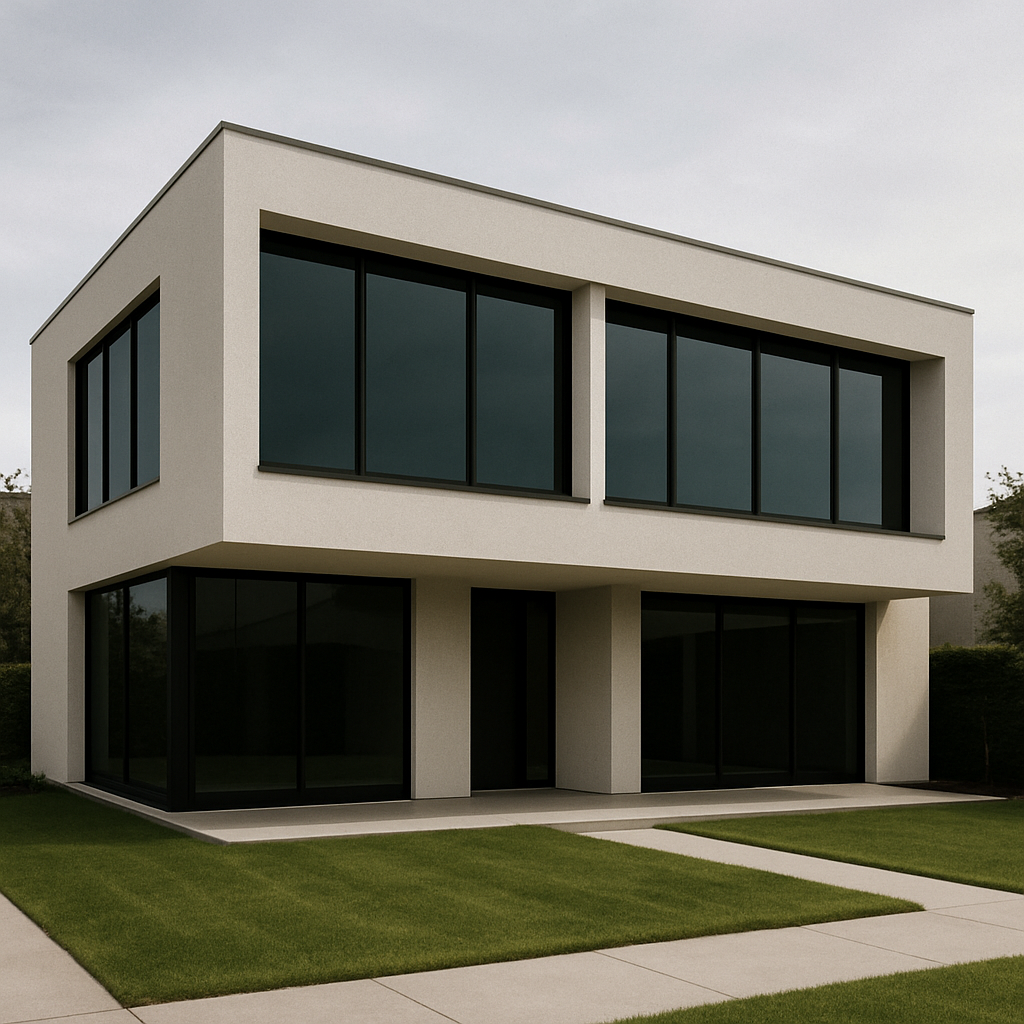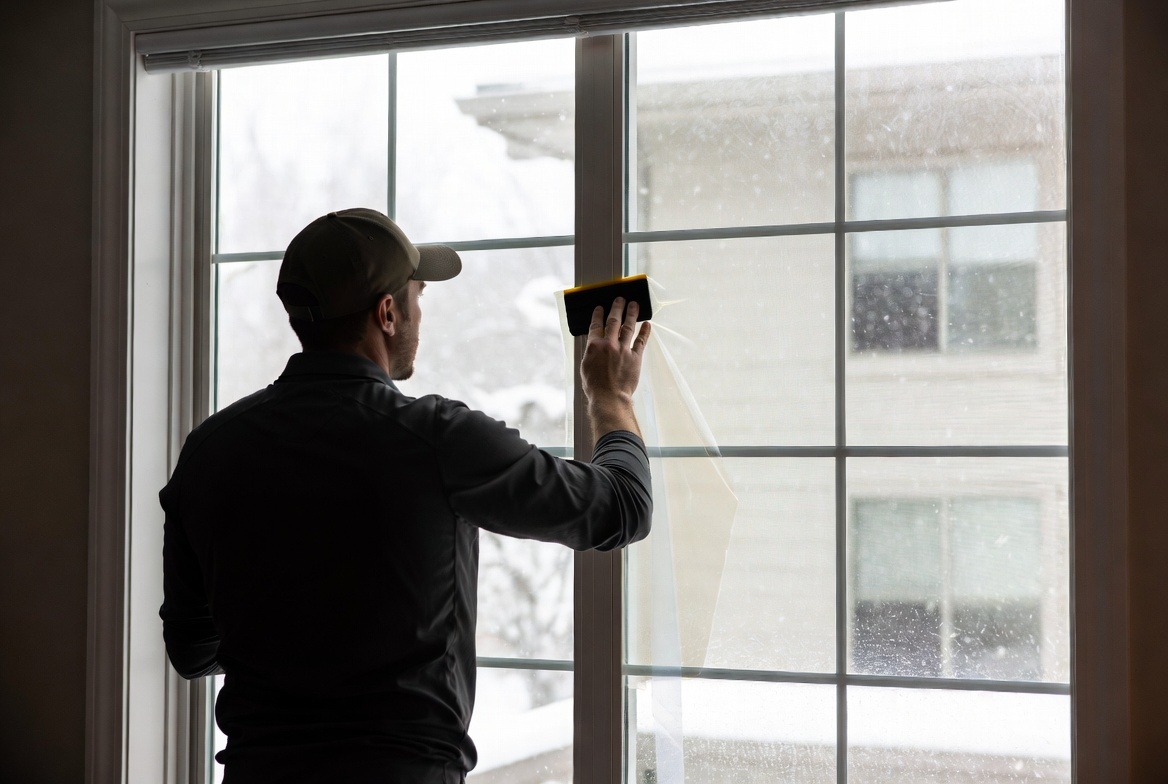
In today’s world, energy efficiency is more important than ever. Homeowners are constantly searching for ways to reduce their energy bills while maintaining comfort and style in their homes. One solution that has gained popularity is the use of insulation window films. But can these films truly improve energy efficiency? Let’s explore the benefits of insulation window films and how they can make a difference in your home.
Insulation window films are thin layers of material applied to the interior surface of windows. These films are designed to enhance the thermal performance of windows, effectively reducing heat transfer through the glass. This means that during hot summers, insulation films help keep the heat out, and in winter, they keep the warmth in. If you’re new to the topic, you can start with this Introduction to window films to better understand how different film technologies work.
How Do Insulation Window Films Work?
Insulation window films work by reflecting and absorbing heat. During summer months, they reduce the solar heat gain by reflecting the sun’s rays away from the window. In the winter, they work by reflecting heat back into the room, minimizing heat loss. This dual action helps maintain a more consistent indoor temperature throughout the year. According to the U.S. Department of Energy, properly selected and installed window films can significantly reduce solar heat gain and improve overall window performance.
Types of Insulation Window Films
There are various types of insulation window films available, each with its unique features and benefits. Some popular options include:
Reflective Films: These films have a metallic coating that reflects heat and light, reducing glare and heat gain.
Low-E Films: Short for low emissivity, these films are designed to minimize the amount of infrared and ultraviolet light that passes through glass without compromising visibility.
Ceramic Films: Made from non-metallic materials, these films offer excellent heat rejection without affecting visibility or aesthetics.
Benefits of Insulation Window Films
Insulation window films offer several advantages for homeowners looking to improve energy efficiency:
1. Energy Savings
One of the primary benefits of insulation window films is their ability to reduce energy consumption. By minimizing heat transfer, these films help maintain a stable indoor temperature, reducing the need for heating and cooling systems. This can lead to significant energy savings and lower utility bills. The Natural Resources Canada guide on improving home energy efficiency also highlights the importance of upgrading window performance to reduce heating and cooling demand.
2. Enhanced Comfort
By reducing heat gain and loss, insulation window films contribute to a more comfortable living environment. Rooms stay cooler in the summer and warmer in the winter, allowing homeowners to enjoy consistent comfort throughout the year.
3. UV Protection
Insulation window films also block harmful UV rays, which can cause fading and damage to furniture, flooring, and artwork. By protecting your interiors from UV exposure, these films help preserve the aesthetic and longevity of your home furnishings.
4. Improved Privacy
Certain types of insulation window films offer increased privacy by making it difficult to see inside from the outside, without compromising the view from inside. This can be especially beneficial for homes located in busy or high-traffic areas.
5. Aesthetic Appeal
Insulation window films come in various shades and finishes, allowing homeowners to choose a look that complements their interior design. Whether you prefer a reflective, tinted, or clear film, there are options to suit every style.
When it comes to installing insulation window films, homeowners have the option to do it themselves or hire a professional. While DIY installation can be cost-effective, it requires precision and skill to achieve a flawless finish. Professional installation ensures that films are applied correctly, maximizing their performance and longevity.
Preparing for Installation
Before installation, windows should be thoroughly cleaned to remove any dirt, dust, or debris. This ensures that the film adheres properly and provides optimal performance. Professional installers often use specialized tools and techniques to ensure a smooth and bubble-free application.
Maintenance of Insulation Window Films
Once installed, insulation window films require minimal maintenance. Regular cleaning with a soft cloth and non-abrasive cleaner will keep them looking their best. It’s important to avoid using harsh chemicals or abrasive materials that could damage the film.
Real-Life Impact of Insulation Window Films
Case Study: The Smith Family Home
The Smith family, living in a suburban neighborhood, decided to install insulation window films on their home to address rising energy costs and improve indoor comfort. After installation, they noticed a significant reduction in their monthly energy bills, with savings of up to 15% during peak seasons. Additionally, their home felt more comfortable, with fewer temperature fluctuations between rooms.
Interior Designer Perspective
For interior designers, insulation window films offer a practical solution to enhance a client’s home. By incorporating these films into their designs, they can offer clients an eco-friendly option that improves energy efficiency without compromising on style. This adds value to their services and meets the growing demand for sustainable home solutions.
Conclusion: A Smart Investment for Homeowners
Insulation window films are a cost-effective and efficient way to improve energy efficiency in your home. They offer numerous benefits, from energy savings and enhanced comfort to UV protection and aesthetic appeal. Whether you’re a homeowner looking to reduce energy bills or an interior designer seeking sustainable solutions for your clients, insulation window films are a smart investment that delivers long-term value.
By understanding the different types of films and their benefits, you can make an informed decision that enhances the quality and efficiency of your living space. Consider exploring insulation window films as a viable option for your home improvement needs.
In today’s world, maintaining privacy while enhancing home aesthetics is a top priority for many homeowners. Modern living spaces demand solutions that are both functional and stylish, leading to the rising popularity of privacy window films. These films offer an innovative solution that meets both these needs, providing privacy without compromising on design. As an expert in home improvement solutions, I’m here to guide you through how this unique product can transform your living space, offering a balance of form and function that can elevate your home’s interior and exterior appeal.
Privacy window film is not just a product; it’s a strategic addition to your home that can make a significant difference in your daily life. By understanding the various types available and their specific benefits, homeowners can make informed decisions that enhance their living environments. From energy efficiency to UV protection, the right window film can offer practical advantages while also serving as a decorative element that complements your home’s overall aesthetic.
What is Privacy Window Film?
Privacy window film is a thin layer of vinyl or polyester that is applied directly to glass surfaces. It serves multiple functions, such as reducing visibility from outside, blocking harmful UV rays, and adding a decorative touch to your windows. The versatility of privacy glass film makes it an ideal choice for homeowners looking to improve both form and function in their homes. These films can be tailored to meet specific needs, whether you’re looking for something that complements a modern interior design or adds a touch of elegance to a traditional setting.
In addition to its primary functions, privacy window film can also contribute to a more comfortable living environment by reducing glare and controlling the amount of natural light entering a room. This can be particularly beneficial in spaces like home offices or media rooms, where screen visibility is important. By investing in privacy window film, you’re not only improving your home’s privacy and aesthetics but also enhancing its functionality and comfort.
Types of Privacy Window Film
Frosted Window Film: This type gives a translucent appearance, allowing light to enter while obscuring visibility. Frosted films are ideal for areas that require light but also need a degree of privacy, such as bathrooms or front doors. They provide a soft, diffused light that can create a calming and inviting atmosphere in any room.
Reflective Window Film: Offers a mirror-like finish that reflects the exterior view, making it difficult for outsiders to see in during daylight. This type is perfect for urban homes or offices with large glass surfaces, as it maintains privacy without obstructing the view from inside. Reflective films also add a sleek, modern look to any building facade.
Decorative Window Film: Comes in various patterns and designs, adding an artistic touch to your windows. These films can be customized to match any interior design style, offering endless possibilities for personalization. Whether you prefer geometric patterns, floral designs, or a stained-glass effect, decorative films can enhance your space’s visual appeal.
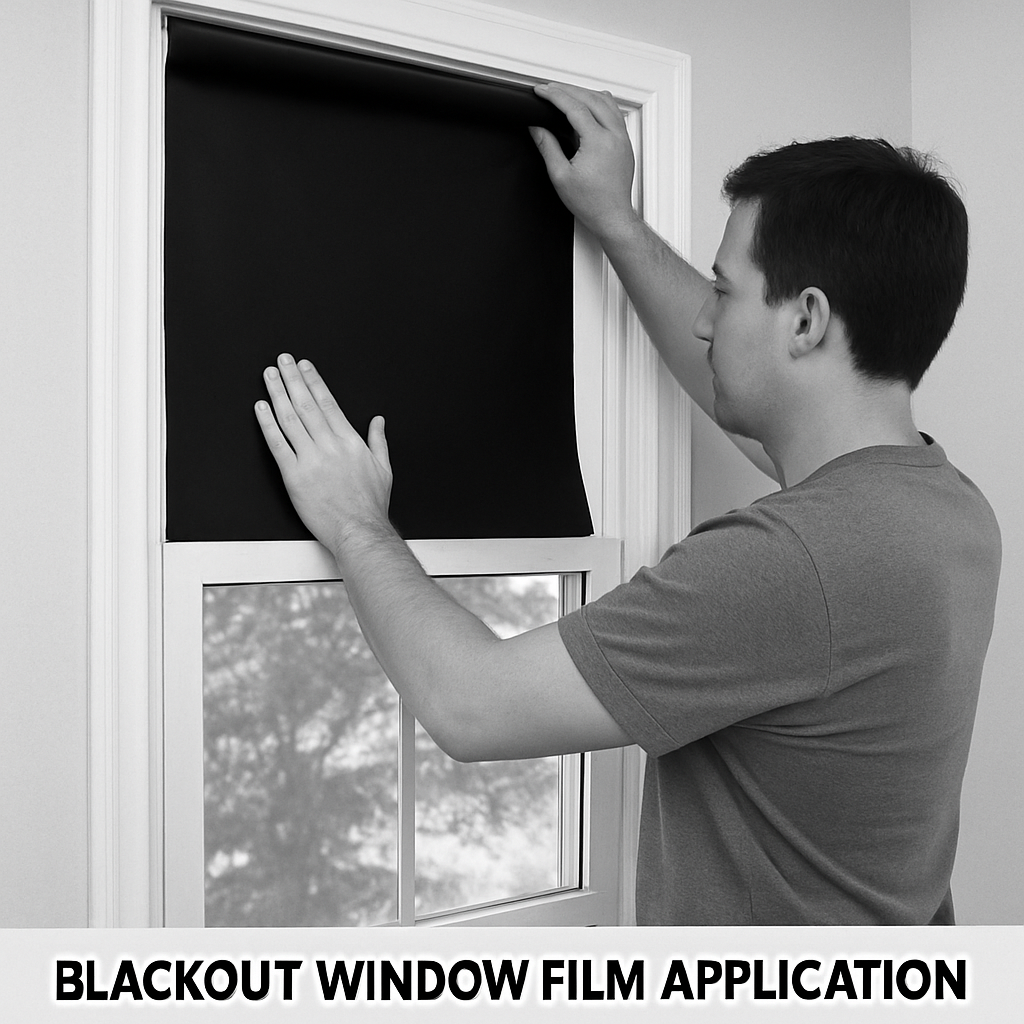
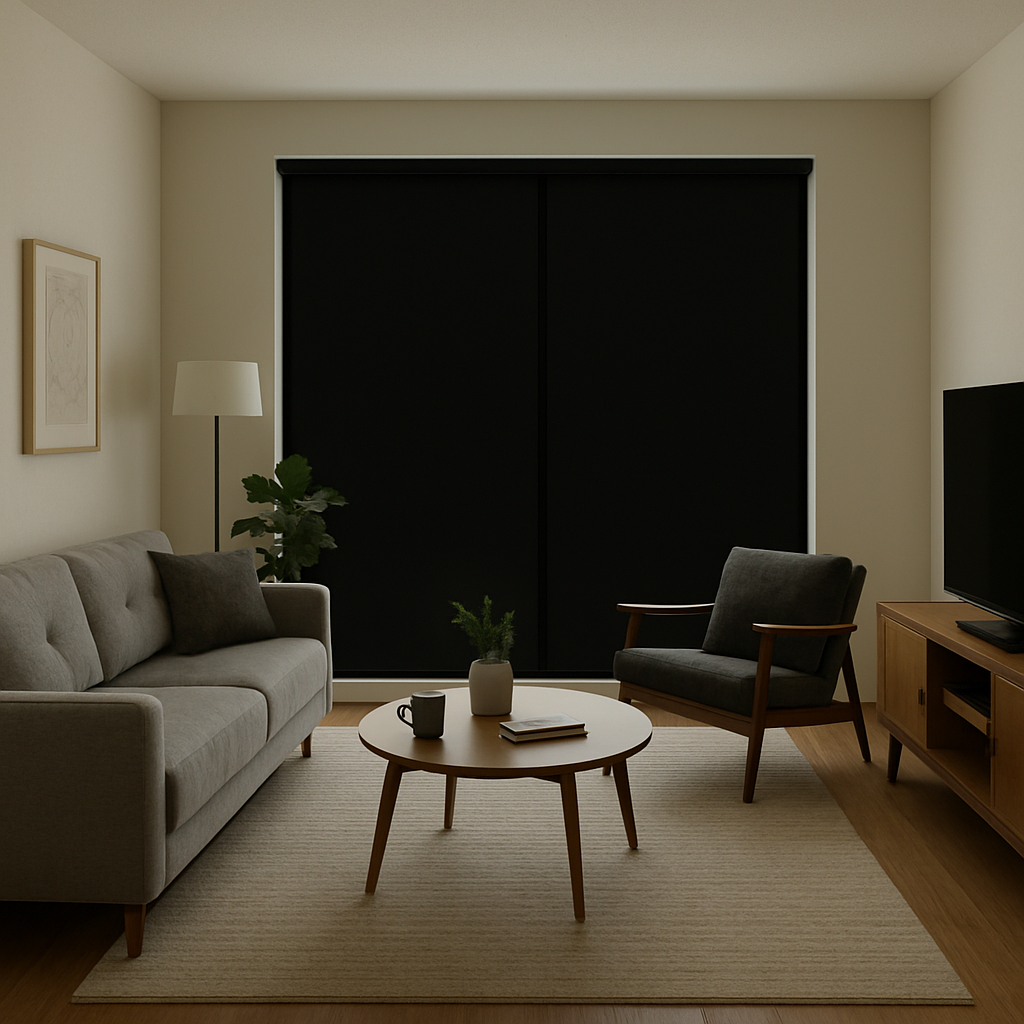
Blackout Window Film: Completely blocks visibility and light, perfect for bedrooms or media rooms. Blackout films are ideal for creating a dark, cinema-like environment or ensuring complete privacy in areas where light control is essential. They are also effective in reducing energy costs by preventing heat loss during colder months.
Benefits of Using Privacy Window Film
Privacy window films are more than just a means to block prying eyes. Here are some of the compelling benefits:
Enhanced Privacy
One of the most significant advantages of privacy window film is the added level of privacy it provides without sacrificing natural light. It’s perfect for street-facing windows, bathrooms, or any space where you desire a little more seclusion. By allowing natural light to filter through while obstructing the view from outside, these films create a private sanctuary without making your home feel closed off or dark.
In addition to residential applications, privacy window films are also beneficial in commercial settings. Offices, clinics, and retail spaces can utilize these films to maintain confidentiality and create a professional atmosphere. By strategically applying privacy window films, businesses can ensure a comfortable and secure environment for both employees and clients.
Energy Efficiency
Privacy window films can help reduce energy costs by blocking out a significant portion of the sun’s heat. This means less reliance on air conditioning in the summer, leading to lower energy bills. By reflecting sunlight away from your windows, these films help maintain a consistent indoor temperature, reducing the strain on your HVAC system.
Moreover, privacy films also contribute to energy efficiency during the winter months by acting as an insulating layer on your windows. This added insulation helps retain heat within your home, further reducing the need for excessive heating. As a result, privacy window films not only improve comfort but also support environmental sustainability by reducing energy consumption.
UV Protection
These films block up to 99% of harmful UV rays, which not only protects your skin but also prevents fading of furniture, carpets, and curtains. Over time, UV exposure can cause significant damage to your home’s interiors, leading to costly replacements. By investing in privacy window films, you’re preserving the longevity and appearance of your furnishings.
UV protection is also crucial for maintaining a healthy indoor environment. By reducing UV exposure, privacy window films help protect your family’s health, minimizing the risk of skin damage and other UV-related health issues. This added layer of protection makes privacy window films a smart choice for any home or office.
Aesthetic Appeal
With a wide variety of designs and finishes, privacy window films can enhance the look of your home. Whether you prefer a sleek modern look or a classic design, there’s a film to match your style. These films can be used to create focal points, add texture, or complement existing decor elements, providing a cohesive and visually appealing design.
Furthermore, privacy window films offer the opportunity to experiment with different styles without committing to permanent changes. They can be easily updated or replaced, allowing homeowners to refresh their space’s look as trends and personal tastes evolve. This flexibility makes privacy window films a versatile and dynamic design solution.
Easy Installation and Maintenance
Installing privacy window film is a quick and straightforward process that doesn’t require any major renovations. Once applied, it requires minimal maintenance to keep it looking new. Simply clean the film with a soft cloth and mild detergent to maintain its clarity and appearance.
The ease of installation also makes privacy window films an accessible option for DIY enthusiasts. With basic tools and a little patience, homeowners can successfully apply these films themselves. However, for those seeking a flawless finish or working with larger surfaces, professional installation is recommended to ensure optimal results.
The Installation Process
Installing privacy window film is a relatively simple DIY project, although professional installation ensures a perfect fit and finish. Here’s a step-by-step guide to help you understand the process:
Step 1: Measure and Cut
Measure the dimensions of your windows and cut the film to size. Ensure you leave a small margin for adjustments. Accurate measurements are crucial for achieving a seamless look, so take your time and double-check your figures before cutting.
Step 2: Clean the Glass
Thoroughly clean the window surface to remove any dust or debris that could affect the film’s adhesion. A clean surface ensures that the film adheres properly and prevents any imperfections from showing through. Use a glass cleaner and a lint-free cloth for the best results.
Step 3: Apply the Film
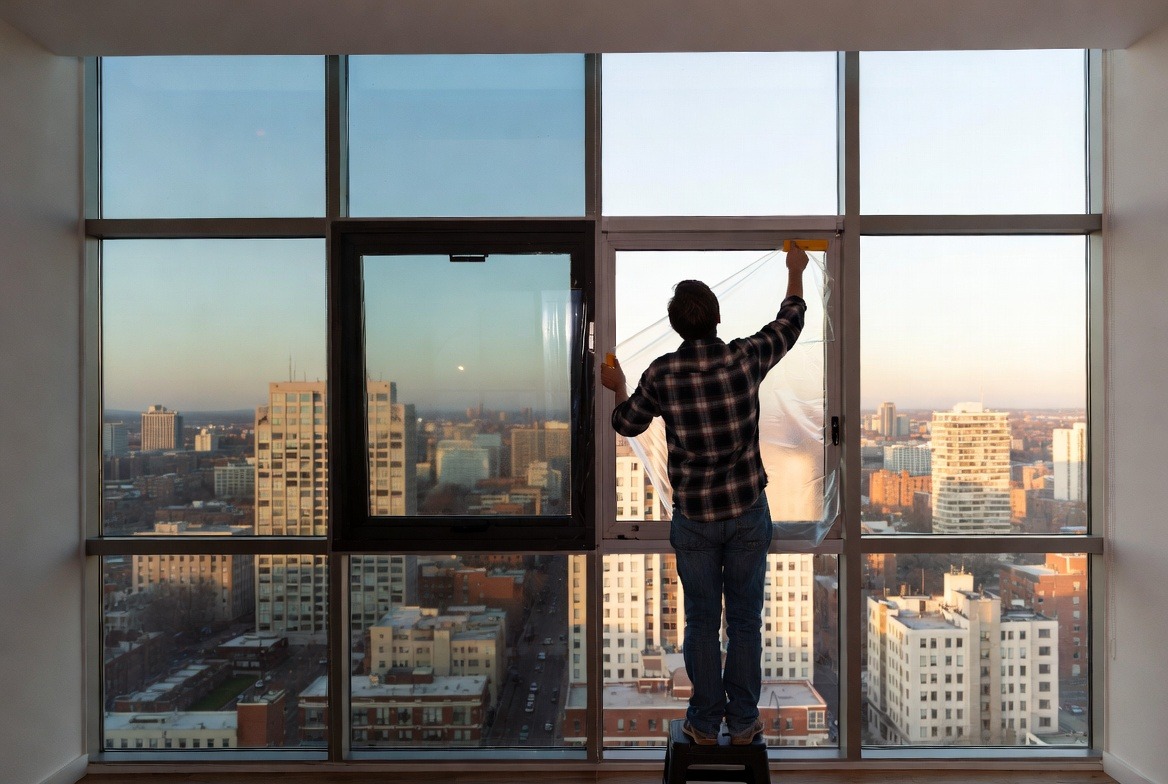
Peel away the backing and carefully apply the film to the window, starting from the top and working your way down. Use a squeegee to smooth out any air bubbles. Applying the film slowly and steadily is key to avoiding creases and ensuring a professional appearance.
Step 4: Trim and Finish
Trim any excess film from the edges and use a soft cloth to ensure a smooth finish. Pay attention to the edges and corners, ensuring they are securely adhered to the glass. A precise trim will enhance the film’s overall look and prevent peeling over time.
While DIY installation is feasible, hiring a professional ensures precision and reduces the risk of error, particularly for larger or more complex projects. Professionals have the expertise and tools to deliver a flawless finish, offering peace of mind and long-lasting results.
Real-Life Transformations
Privacy window film has been a game-changer for many homeowners, offering real results that enhance both privacy and aesthetics. Here are some examples:
Case Study 1: The Modern Urban Apartment
An interior designer faced the challenge of maintaining privacy in a downtown apartment with expansive windows. By using reflective privacy window film, they achieved a balance of privacy during the day while maintaining an unobstructed view. The reflective finish also added a modern touch to the interior design. This transformation not only met the client’s privacy needs but also increased the apartment’s appeal and value.
The reflective film’s ability to blend seamlessly with the urban environment provided a sleek and contemporary look that complemented the city’s skyline. This case illustrates how privacy window films can enhance both functionality and style in urban living spaces, making them a must-have for city dwellers.
Case Study 2: The Cozy Suburban Home
A homeowner wanted to enhance their home’s energy efficiency and protect their furnishings from sun damage. They chose frosted privacy window film for their living room and bedrooms. Not only did it provide the privacy they sought, but it also reduced their energy bills significantly by blocking out heat. The frosted film added a touch of elegance and tranquility to the home’s interior, creating a cozy and inviting atmosphere.
This case demonstrates how privacy window films can be a practical and stylish addition to suburban homes, offering both cost savings and aesthetic enhancement. By selecting the right type of film, homeowners can achieve their desired level of comfort and privacy while also contributing to a more sustainable lifestyle.
Case Study 3: The Stylish Office Space
A business owner wanted a stylish yet functional office space. Decorative privacy window film with a geometric pattern was applied to conference room glass walls, providing privacy for meetings while adding a contemporary design element. The film created a professional and sophisticated atmosphere that impressed clients and employees alike.
This transformation shows how privacy window films can be used in commercial settings to enhance both form and function. By choosing decorative films, businesses can reinforce their brand identity and create a unique and memorable office environment that sets them apart from the competition.
When selecting a privacy window film, consider the specific needs of your space. Here are some tips:
For Maximum Privacy: Choose blackout or frosted films for areas that require complete privacy, such as bathrooms or bedrooms. These films provide the highest level of seclusion without compromising on style.
For Style and Light: Decorative films offer a stylish touch while allowing natural light to filter through. They are perfect for living areas or spaces where aesthetics are a priority.
For Energy Efficiency: Opt for reflective films that help regulate temperature and reduce energy costs. These films are ideal for large windows or sun-exposed areas, offering both practical and environmental benefits.
By understanding the different options available, you can select a film that aligns with your functional needs and design preferences, ensuring a successful and satisfying outcome.
Conclusion
Privacy window film is a versatile and cost-effective solution for enhancing privacy and style in your home. It offers numerous benefits, including energy savings, UV protection, and aesthetic enhancement, all while being easy to install and maintain. Whether you’re looking to upgrade your home’s privacy or add a decorative element, privacy window film delivers real results that meet your needs.
By understanding the types of films available and the benefits they offer, you can make an informed decision that aligns with your design goals and functional requirements. Embrace the transformation and enjoy the enhanced comfort and style that privacy window film brings to your living space. With the right film, you can achieve a perfect balance of privacy, efficiency, and beauty, making your home or office a more enjoyable and attractive place to be.
In the world of home improvement, window films have emerged as a versatile solution that can address a variety of homeowner needs. Whether it’s about enhancing privacy, improving energy efficiency, or adding a touch of style to your living space, the right window film can make a significant difference. In this article, we will explore the different types of window films available, how they can benefit your home, and guide you in choosing the right one for your needs.
Window film is a thin laminate film that can be installed on the interior or exterior of glass surfaces in homes and buildings. These films are designed to enhance the performance of existing windows. With the right window film, you can improve the comfort and aesthetics of your home, while also enjoying the added benefits of privacy and energy savings.
Types of Window Films
There are several types of window films, each serving different purposes. Understanding these can help you choose the right film for your home:
Privacy Window Film: This type of film is ideal for areas of your home where you need additional privacy without sacrificing natural light. It comes in various patterns and opacities, allowing you to customize the level of privacy you desire.
Tinted Window Film: Tinted films are primarily used to reduce glare and block harmful UV rays. They can also help in maintaining a consistent temperature inside your home by reducing heat gain, thus lowering energy costs.
Decorative Window Film: These films add style and personality to your windows. Available in a wide range of patterns, colors, and textures, decorative films can transform the look of your home and are perfect for creative interior design projects.
Security Window Film: For homeowners concerned about safety, security films provide an added layer of protection. They make windows more resistant to shattering, which can help prevent break-ins and reduce the risk of injury from broken glass.
Energy-Saving Window Film: These films are designed to improve the energy efficiency of your home. They reduce the amount of heat that enters through windows, lowering cooling costs during hot months and retaining heat during colder periods.
Benefits of Window Film for Your Home
Installing window film can provide numerous benefits, making it a worthy investment for any homeowner. Here are some of the key advantages:
Enhanced Privacy
Privacy window films allow you to enjoy natural light while keeping prying eyes at bay. They are perfect for areas like bathrooms, kitchens, and bedrooms where privacy is a priority.
Improved Energy Efficiency
One of the most significant benefits of window film is its ability to reduce energy consumption. By minimizing heat gain during summer and retaining warmth during winter, window films can lead to substantial savings on your energy bills.
Protection from UV Rays
Window films block up to 99% of harmful UV rays, protecting your skin and preventing your furniture, flooring, and artwork from fading over time.
Reduced Glare
Glare from the sun can be annoying, especially when watching TV or working on a computer. Tinted window films effectively cut down on glare, making your home more comfortable and functional.
Enhanced Aesthetics
Decorative films offer an affordable way to add a touch of elegance and style to your windows. They are available in a variety of designs, allowing you to customize the appearance of your home.
Increased Safety and Security
Security films strengthen your windows, making them harder to break. In the event of an attempted break-in or natural disaster, these films can hold shattered glass together, reducing the risk of injury.
Choosing the Right Window Film
Selecting the right window film for your home involves considering several factors. Here are some tips to help you make an informed decision:
Assess Your Needs
Identify what you hope to achieve with window film. Are you looking to increase privacy, improve energy efficiency, or add decorative elements? Understanding your primary goal will narrow down your choices.
Consider Your Budget
Window films are available in a range of prices. It’s important to set a budget before you start shopping. While higher-end films may offer additional features, there are also budget-friendly options that provide excellent performance.
Evaluate the Quality
Not all window films are created equal. Look for films that offer durability, long-lasting performance, and come with a warranty. High-quality films often provide better UV protection and energy savings.
Think About Aesthetics
For decorative films, consider how they will complement your interior design. Choose patterns and colors that match your existing decor and enhance the overall look of your home.
Consult with Professionals
If you’re unsure about the best window film for your needs, consult with a professional installer. They can provide expert advice, recommend suitable products, and ensure a flawless installation.
Proper installation is key to maximizing the benefits of window film. While some films are designed for DIY installation, others require professional expertise. Hiring a professional ensures that the film is applied correctly, without bubbles or creases, and that it adheres properly for long-lasting performance.
Conclusion
Choosing the right window film for your home can enhance privacy, improve energy efficiency, and add a stylish touch to your living space. With the variety of films available, there is an option to suit every homeowner’s needs and budget. By understanding the types of films and their benefits, assessing your requirements, and consulting with professionals, you can make an informed decision that enhances your home’s comfort and value. Whether you’re looking to keep out prying eyes, reduce energy costs, or simply make your windows more beautiful, window films offer a practical and stylish solution.
# How Professionals Use Heat Reflective Window Film
When it comes to enhancing the comfort and energy efficiency of a home, heat reflective window film is a game-changer. Professional installers and interior designers are increasingly turning to this innovative solution to meet their clients’ needs for both style and practicality.
In this article, we will explore the various applications of heat reflective window film, its benefits, and how professionals incorporate it into their projects.
Understanding Heat Reflective Window Film
Heat reflective window film is a specialized film applied to windows to reduce the amount of solar heat entering a building. It works by reflecting a significant portion of the sun’s rays, thereby helping to maintain a cooler indoor temperature. According to the U.S. Department of Energy, window films can significantly reduce solar heat gain, improving overall building energy efficiency.
Key Features
Energy Efficiency: By reducing the need for air conditioning, heat reflective window film can significantly lower energy bills.
UV Protection: It blocks up to 99% of harmful UV rays, protecting furniture and flooring from fading. The Environmental Protection Agency (EPA) highlights the importance of limiting UV exposure to protect both interiors and occupants.
Glare Reduction: It minimizes glare, enhancing comfort in spaces with screens and monitors.
Privacy: Some films offer privacy by making it difficult to see inside from the outside, especially during the day.
Benefits of Using Heat Reflective Window Film
Professionals in the home improvement industry appreciate the numerous benefits heat reflective window film offers.
Energy Savings
One of the most significant advantages is the potential for energy savings. By reducing the heat entering through the windows, homeowners can rely less on air conditioning during the hot months. This not only cuts down on energy costs but also reduces the environmental footprint of the home.
Enhanced Comfort
Heat reflective window film helps maintain a consistent temperature throughout the home. Rooms that were once too hot to enjoy can become comfortable living spaces, contributing to a better quality of life for homeowners.
Protection of Interiors
The sun’s UV rays can cause significant damage to interior furnishings. Over time, this leads to fading and deterioration of fabrics, wood, and other materials. By blocking these harmful rays, window film extends the life of home furnishings and preserves their appearance.
Applications in Interior Design
Interior designers often integrate heat reflective window film into their projects to achieve a balance between aesthetics and functionality.
Complementing Design Aesthetics
Window films are available in various shades and finishes, allowing designers to choose options that complement the interior style. Whether it’s a modern, sleek look or a more traditional approach, there is a film that fits the aesthetic needs of the space.
Privacy Solutions
For spaces requiring privacy without sacrificing natural light, privacy window films are ideal. They allow light to pass through while obscuring the view from the outside, making them perfect for bathrooms, home offices, and street-facing rooms.
Solar Control
Solar window films provide additional benefits by enhancing the reflective properties of standard films. They are particularly useful in environments with large windows or direct sun exposure, ensuring that spaces remain bright yet cool.
Professional Installation Process
Installing window film requires precision and expertise to ensure optimal performance and longevity.
Assessment and Customization
Professionals begin by assessing the client’s needs and the specific characteristics of the windows. This allows them to recommend the most suitable type of film, considering factors like window orientation, size, and the desired level of heat and UV protection.
Precision Installation
The installation process involves cleaning the windows thoroughly before applying the film to ensure no debris is trapped underneath. The film is then carefully measured and cut to fit each window perfectly, ensuring a seamless finish.
Post-Installation Care
After installation, professionals provide guidance on how to care for the window film. This includes cleaning tips and advice on what to avoid to preserve the film’s effectiveness and appearance.
Selecting the right window film depends on several factors, including the primary goals of the installation and the specific needs of the space.
Factors to Consider
Climate: In hotter climates, films with higher reflectivity may be preferred to maximize cooling benefits.
Privacy Needs: Determine the level of privacy required for each room.
Aesthetic Preferences: Consider the desired look and feel of the room when choosing film shades and finishes.
Consultation with Experts
Professionals in window film installation offer invaluable insights and recommendations. Consulting with experts ensures that the chosen solution not only meets the immediate needs but also provides long-term benefits.
Conclusion
Heat reflective window film is a versatile and effective solution for enhancing the comfort, efficiency, and aesthetics of a home. Professionals across various fields, from interior design to home improvement, recognize its value in creating stylish, eco-friendly living environments.
By understanding the unique advantages and applications of heat reflective window film, homeowners and designers can make informed decisions that lead to beautiful and energy-efficient results.
Window films in Toronto: why this solution ranks first after glass damage
Window films are one of the most searched glass protection upgrades in Toronto and the GTA. When storefront glass shatters or condo windows crack, most people do not start by searching for full window replacement. They search for window films.
This pattern repeats every year. Winter cold makes glass brittle. Summer heat builds stress inside panes. A small impact is enough. Storefronts along Queen Street West. Offices near Yonge and Eglinton. Condos in North York and Vaughan.
The question is direct.
Do I replace the window, or do window films solve the real problem?
This guide breaks that down using real installs across Toronto, Scarborough, Etobicoke, Markham, and Mississauga. No dramatic claims. Just what reduces repeat damage and long repair bills.
Many business owners say they wish they had reviewed window films over replacements before paying for multiple glass repairs.
Window films are not just tint. That is a common mistake.
Security window films are engineered polyester layers bonded to the inside of glass. When impact hits, the glass fractures but stays attached to the film. It does not collapse inward right away.
In Toronto retail areas, seconds matter. A delay of even 10–20 seconds can stop a quick theft.
A bookstore in Bloor West Village replaced its front glass twice in one year after late-night vandalism. After the second repair, security window films were installed.
Another attempt happened months later. The glass cracked but stayed intact. Police arrived before entry. The store reopened that morning. No plywood, no full closure.
Cost comparison: window films vs window replacement
Window films cost less because they use existing glass. There is no frame removal. No structural work. No long manufacturing delay.
Window replacement in Toronto often includes higher labour, disposal fees, and weather-related scheduling problems.
Window films: usually one visit
Replacement: multi-step process
Window films: lower upfront cost
Replacement: higher material and labour cost
According to the Insurance Bureau of Canada, repeated glass claims increase long-term property expenses.
Hidden costs property owners miss
Every replacement includes boarding, emergency service calls, and lost business hours. Window films reduce repeat damage.
This long-term financial impact is explained in ROI in window film installations. Fewer replacements change total ownership cost.
When replacing windows makes sense
Replacement helps when frames rot or seals fail. Many older homes in East York and parts of Etobicoke need this.
Replacement also improves insulation if thermal seals are broken.
But standard replacement glass does not improve security unless laminated or reinforced options are selected. Most default glass still shatters fast.
Local example: Scarborough dental office
A dental office in Scarborough replaced two large windows after vandalism. No window films were added.
Within six months, another pane broke. Security window films were installed after the third repair. No further incidents that winter.
How Toronto property owners usually decide
Speed: Window films install faster
Cost: Window films reduce upfront expense
Security: Window films hold shattered glass
Appearance: Clear films stay nearly invisible
Most business owners add window films first, then consider replacement later if needed.
Window films are one of the most effective ways to strengthen glass doors in retail stores and office buildings across Toronto and the GTA. Many business owners search for window films after a break-in, a cracked entry door, or rising repair costs. Glass door protection window films are a safety-focused type of window film designed to hold shattered glass together and slow down forced entry when glass fails.
In Toronto, glass doors deal with constant pressure. Winter cold tightens metal frames. Summer heat expands glass. Foot traffic never slows down. From storefronts on Queen Street to medical offices in North York, broken doors are common. Many owners only learn about window films after a door breaks and forces them to close early.
This guide explains how glass door protection window films work, where they help most, and why many GTA businesses install them instead of replacing glass over and over again.
What Glass Door Protection Window Films Are
Glass door protection window films are clear safety layers applied directly to existing glass doors. The glass stays. The film bonds to the surface and keeps broken pieces from falling apart.
These window films are different from basic tint. Tint mainly reduces glare or sunlight. Protection window films focus on strength and impact resistance. They are closely related to security window films, but are often installed on entry doors instead of large windows.
Glass doors across the GTA face daily stress. Boots hit the lower panels. Wind pressure shifts when doors swing open. Nearby construction causes small movement in frames. Over time, even strong glass weakens.
Protection window films help reduce:
Smash-and-grab entry attempts
Injuries from flying glass
Unexpected store closures
Repeat glass replacement costs
They are used in retail stores, clinics, schools, condo commercial units, and offices. They are common in leased spaces because they do not change the door frame.
How Window Films Change What Happens When Glass Breaks
Normal glass shatters and falls apart quickly.
When protection window films are installed, the glass may still crack, but it stays together. The film spreads the force across the surface. Broken pieces stick to the film instead of scattering.
We saw this in a retail unit in Scarborough. Two doors. Same glass type. One had film. One did not. The untreated door collapsed after impact. The filmed door cracked but remained standing.
With protection window films installed:
Cracks form in a web pattern
Glass stays attached to the film
The door remains upright longer
Entry becomes more difficult
Most break-ins in Toronto happen fast. Even small delays can cause someone to give up.
Installation quality matters. Edge sealing and proper surface prep affect performance. This is why a proper how to install window film process is important.
For safety standards related to glazing, the ASTM International publishes testing guidelines used across North America.
Where Glass Door Window Films Make the Biggest Impact in the GTA
Different areas of the GTA face different risks.
Downtown Retail
Shops near Yonge and Dundas see heavy foot traffic. Accidental impacts happen daily. Some stores report multiple door cracks per year before installing window films.
Medical and Professional Offices
Clinics in Markham and Vaughan rely on glass for natural light. A broken door can cancel appointments and hurt revenue. Protection window films reduce sudden closures.
Condo Ground Floors
Commercial units in Liberty Village or CityPlace deal with delivery carts, bikes, and steady traffic. Glass doors take hits often. Window films limit repeat damage.
Ontario workplace guidance is outlined by the Ontario Ministry of Labour, which highlights the importance of reducing injury risks in public spaces.
Window Films vs Replacing Glass Doors
Many business owners ask if they should just replace the glass.
Replacing glass:
Costs more
Requires scheduling and downtime
Does not prevent future breaks
Installing protection window films:
Uses existing glass
Installs quickly
Reduces injury risk
Improves resistance to impact
A bakery near Union Station replaced its glass door twice in one year. After installing protection window films, the door cracked during a winter impact but stayed intact. The shop remained open.
New GTA Example: Winter Frame Shift in Mississauga
During a cold snap in Mississauga, a retail door cracked overnight. There was no impact. The metal frame tightened in extreme cold and stressed the glass.
The owner installed protection window films instead of replacing the door again. Weeks later, a cart struck the glass. The door cracked but held together. No emergency repair call.
Another Example: Summer Heat in Vaughan
A small office in Vaughan experienced repeated door cracks during heat waves. The building faced direct afternoon sun. Glass expanded daily.
After installing protection window films, cracks still formed once, but the door stayed intact. Staff avoided injury. Business continued as normal.
What to Ask Before Hiring a Window Films Installer
Not all installers specialize in protective window films. These films are thicker than decorative options.
Ask:
Do you install on commercial doors?
Do you prep frames and edges?
Do you follow tested installation steps?
Reading about types of window film helps business owners understand options before hiring someone.
Quick Answers About Glass Door Protection Window Films
What are glass door protection window films?
They are clear window films that hold broken glass together after impact.
Do window films prevent break-ins?
They slow forced entry by keeping shattered glass in place longer.
Can window films be installed on existing doors?
Yes. Protection window films attach directly to existing glass.
Do they change the look of the door?
Most protection window films are clear and almost invisible.
How long do window films last?
Many protection window films last 10 to 15 years with proper installation.
For many Toronto and GTA businesses, window films are not about appearance. They are about reducing downtime, lowering injury risk, and protecting entry doors from everyday stress. Glass may still crack. But with the right window films in place, it does not fall apart. That difference keeps doors standing and businesses running.