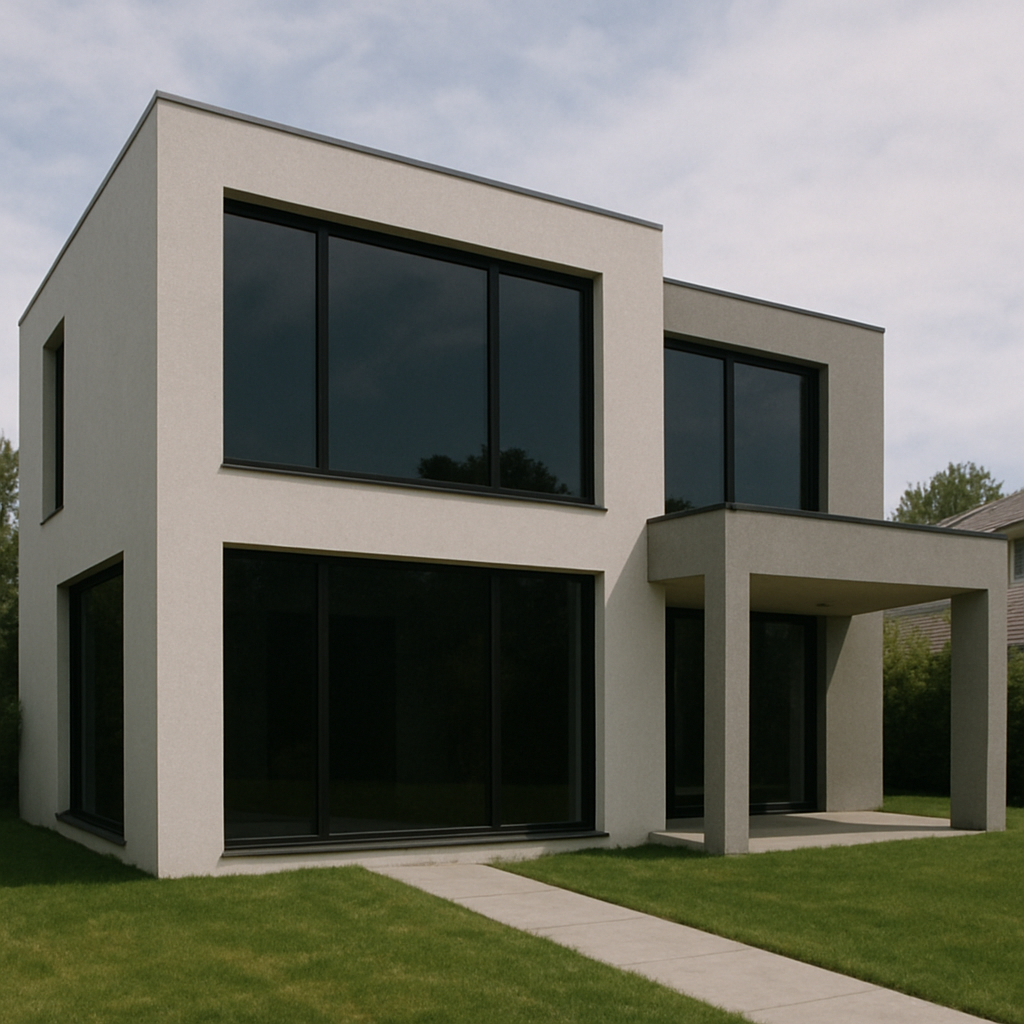
Residential window tinting is an increasingly popular choice among homeowners looking to enhance the comfort and aesthetics of their living spaces. But what exactly is window tinting, and why are so many people turning to it? In this article, we delve into expert insights on residential window tinting, uncovering its benefits and why it might just be the perfect solution for your home improvement needs.
Residential window tinting involves applying a thin film to the interior side of your home’s windows. This film can serve several purposes, from reducing glare and blocking harmful UV rays to enhancing privacy and improving energy efficiency. It’s a versatile solution that can cater to various needs, making it an appealing option for many homeowners.
The Benefits of Home Window Tint
Industry experts agree that residential window tinting offers numerous advantages. Here are some key benefits:
Enhanced Privacy
Privacy is a significant concern for many homeowners, and privacy window film can be an effective solution. By tinting your windows, you can prevent outsiders from peering into your home without sacrificing natural light. This is especially beneficial for homes situated in densely populated areas or close to busy streets.
Improved Energy Efficiency
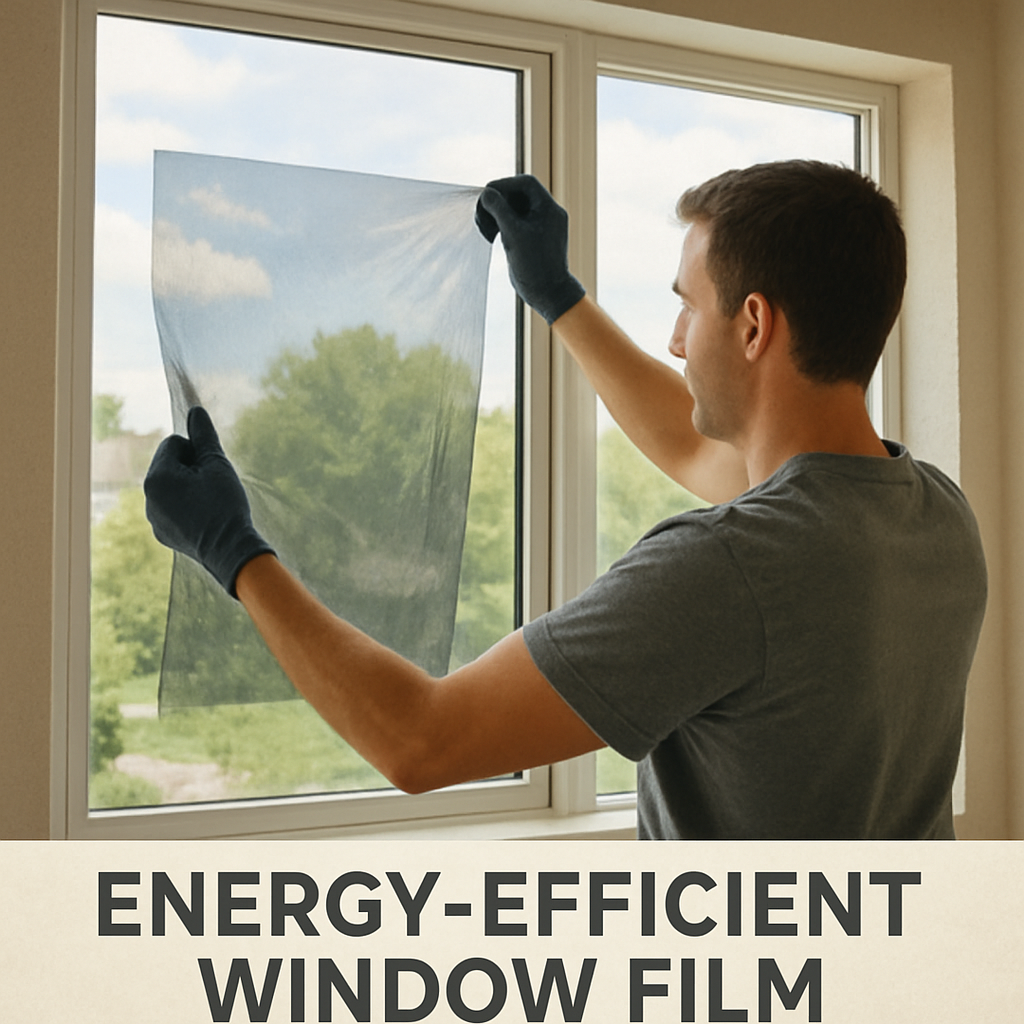
One of the most compelling reasons to consider window tinting is its potential to improve your home’s energy efficiency. Tinted windows can help regulate indoor temperatures by blocking excessive heat from the sun during the summer and retaining warmth during the winter. This results in reduced reliance on heating and cooling systems, leading to lower energy bills. According to the U.S. Department of Energy, energy-efficient window coverings can significantly reduce heat gain and loss in homes.
Protection Against UV Rays
Harmful UV rays can cause furniture, carpets, and artwork to fade over time. Window tinting provides a protective barrier, blocking up to 99% of UV rays and thus preserving the color and quality of your interiors. This UV protection also extends to your skin, reducing the risk of sun-related health issues. The Skin Cancer Foundation notes that prolonged UV exposure can damage skin and increase cancer risk.
Glare Reduction
Excessive glare from the sun can be a nuisance, particularly in rooms with large windows. Tinted windows help minimize glare, providing a more comfortable viewing experience for activities like watching TV or working on a computer.
Enhanced Aesthetics
Beyond functional benefits, residential window tinting can also enhance the aesthetic appeal of your home. With various tint shades and designs available, you can choose a style that complements your home’s architecture and interior design.
Expert Opinions on Residential Window Tinting
To provide a well-rounded view, we reached out to industry experts for their insights on residential window tinting.
Aesthetics and Design
According to interior designers, window tinting is an excellent way to add a modern touch to any home. “Tinted windows offer a sleek, polished look that can elevate the overall design of a space,” says Jane Thompson, a renowned interior designer. “They can seamlessly integrate with various design elements, making them a versatile choice for any home.”
Energy Efficiency and Cost Savings
Energy experts highlight the cost-saving benefits of window tinting. “Investing in quality window film can significantly reduce your energy consumption,” explains Mark Lee, an energy efficiency consultant. “The initial cost of installation is often offset by the savings on your energy bills in the long run.”
Health and Safety
Health professionals emphasize the importance of UV protection. “Prolonged exposure to UV rays can have harmful effects on your skin and eyes,” warns Dr. Emily Collins, a dermatologist. “Window tinting acts as a shield, reducing your exposure to these harmful rays while indoors.”
Choosing the Right Window Film for Your Home

by william f. santos (https://unsplash.com/@youwwwill)
With a variety of window films available, selecting the right one for your home can be overwhelming. Here are some factors to consider:
Purpose and Functionality
Determine your primary goal for window tinting. Are you looking for privacy, energy efficiency, UV protection, or a combination of these? Understanding your needs will help you choose the right film.
Tint Level
Window films come in different tint levels, from light to dark. Consider the amount of natural light you want to retain and the level of privacy you desire when selecting the tint shade.
Quality and Brand
Invest in high-quality window film from reputable brands. Quality films offer better performance, durability, and warranty options.
Professional Installation
For optimal results, it’s advisable to have your window film professionally installed. Professionals have the expertise and tools to ensure a flawless application, avoiding common issues like bubbles or peeling.
Maintaining Your Tinted Windows
To keep your tinted windows looking their best, regular maintenance is essential. Here are some tips:
- Cleaning: Use a soft cloth and a mild cleaning solution to clean your tinted windows. Avoid abrasive cleaners or tools that could scratch the film.
- Inspection: Periodically inspect the film for any signs of damage or wear. Addressing issues early can prevent further damage and prolong the lifespan of the film.
- Professional Check-Up: Consider scheduling regular check-ups with a professional installer to ensure your tint remains in excellent condition.
Conclusion
Residential window tinting offers a myriad of benefits, from enhancing privacy and aesthetics to improving energy efficiency and UV protection. With insights from industry experts, it’s clear that window tinting is a valuable investment for any homeowner looking to elevate their living space.
If you’re considering window tinting for your home, take the time to explore your options and consult with professionals to ensure you choose the best solution for your needs. With the right window film, you can enjoy a more comfortable, stylish, and energy-efficient home.