When it comes to personalizing your vehicle or home, window tinting offers a stylish and practical solution. But how dark should your window tint be to balance both privacy and style? This is a common question among homeowners and car owners alike. In this article, we’ll explore the various aspects of window tinting, considering both aesthetic appeal and functional benefits. We’ll also delve into the legal considerations and practical advantages that come with choosing the right window tint.
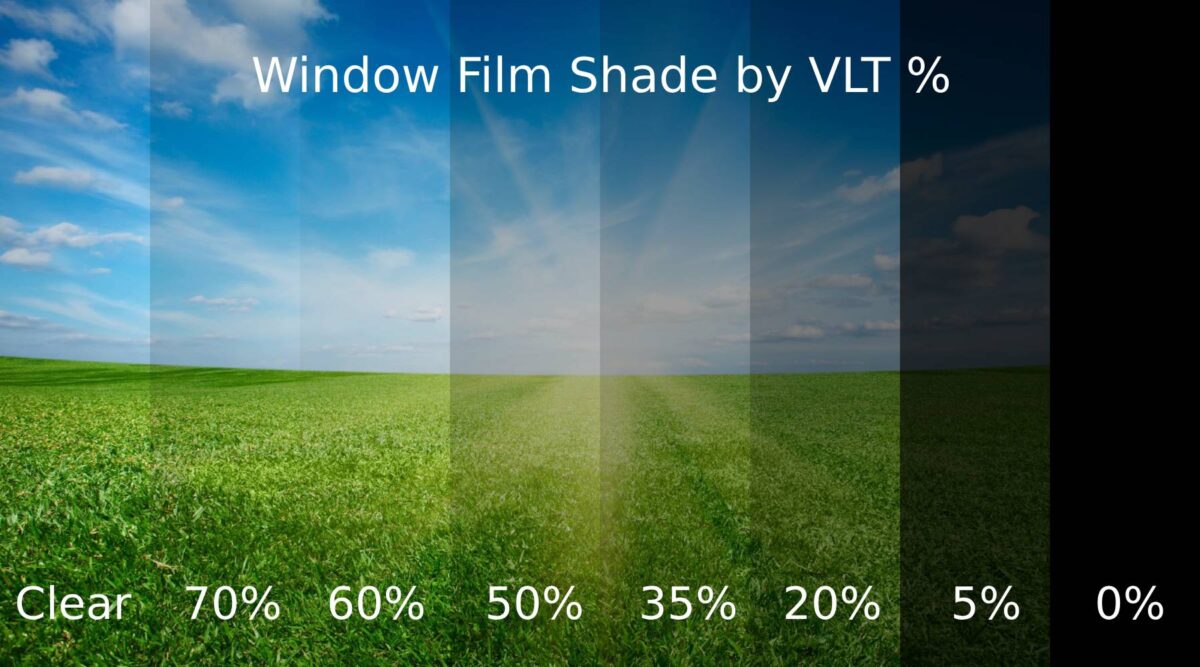
Window tint darkness refers to the amount of light that the tinted film allows to pass through the windows. This is measured by Visible Light Transmission (VLT) percentage. A lower VLT percentage means a darker tint and less light passing through, offering greater privacy and UV protection.
For instance, a window tint with a VLT of 5% is extremely dark, allowing only 5% of light through, which is often referred to as “limo tint”. This level of darkness is popular for those seeking maximum privacy. On the other hand, a 50% tint allows 50% of the light to pass through, offering a lighter shade and more visibility. This level is often chosen for its balanced approach to style and function, providing some privacy while maintaining a clear view. If you’re unsure which percentage suits your space, reviewing this guide on darkness levels and VLT% options can help clarify your decision.
The right level of window tint darkness can significantly enhance privacy, reduce glare, and protect interiors from UV damage. Darker tints are ideal for those who value privacy and want to keep prying eyes away, particularly in urban settings or high-traffic areas. However, it’s crucial to consider local regulations, as many areas have laws governing how dark your car window tint can be. You can review state-by-state tint laws through the Insurance Institute for Highway Safety (IIHS).
Beyond privacy, window tint darkness can also contribute to energy efficiency. By blocking out sunlight, tints can help maintain a cooler interior, reducing the need for air conditioning. This not only saves on energy costs but also contributes to environmental conservation efforts. According to the U.S. Department of Energy, window treatments that reduce solar heat gain can significantly improve energy performance. Understanding the balance between these benefits and legal restrictions is key to making the right choice.
When selecting window tint shades, consider the overall look you want to achieve. Do you prefer a sleek, modern appearance or a more subtle, classic look? Darker tints tend to offer a more dramatic effect, enhancing the visual appeal of your vehicle or home. They can create a sense of mystery and sophistication that is highly sought after in certain circles.
Lighter shades, on the other hand, provide a softer aesthetic that can seamlessly blend with various styles. They are often preferred in residential settings where a softer touch is desired to complement home decor. Your personal style and the statement you wish to make will guide your choice in tint darkness, ensuring it aligns with your desired aesthetic.
For cars, the tint should complement the vehicle’s color and design. A cohesive look can enhance the overall aesthetic, making your vehicle stand out in a subtle yet effective way. Similarly, for homes, window tint shades should align with the interior decor and exterior facade to maintain a cohesive look. The right tint can enhance architectural features and tie together the overall design theme.
An interior designer, for instance, might choose a tint shade that enhances the home’s aesthetic while providing energy efficiency. By considering the existing color schemes and design elements, you can select a tint that not only protects but also enhances the beauty of your living or driving space. This thoughtful approach ensures that your tinting choice is both functional and stylish.
One of the primary reasons people opt for window tinting is to increase privacy. Darker tints make it harder for outsiders to see inside, which is particularly beneficial for vehicles and homes in busy areas. This added privacy can offer peace of mind and a sense of security, knowing that your belongings are less visible to potential intruders.
Additionally, window tinting adds a layer of security by holding the glass together in the event of an impact, reducing the risk of breakage. This feature is especially valuable in regions prone to extreme weather or in areas with high crime rates. The combination of privacy and enhanced security makes window tinting a wise investment for many.
Window tints can block up to 99% of harmful UV rays, protecting your skin and reducing the risk of skin cancer. Prolonged exposure to UV rays can have detrimental effects on both your health and the condition of your possessions. This UV protection also helps prevent the interior of your car or home from fading, preserving the quality and color of furnishings and upholstery.
Furthermore, window tints can significantly reduce heat buildup by reflecting sunlight. This can lead to a more comfortable interior environment and lower air conditioning costs. In hot climates, the ability to maintain cooler temperatures indoors can greatly enhance comfort and reduce reliance on energy-consuming cooling systems.
Tinted windows can effectively reduce glare from the sun, making driving safer and viewing screens more comfortable in your home. This is especially beneficial for people who spend a lot of time on the road or work from home. Reduced glare can alleviate eye strain and create a more pleasant environment for both work and leisure.
For drivers, glare reduction improves visibility, reducing the risk of accidents caused by blinding sunlight. In homes, it allows for clearer views of screens and monitors, enhancing productivity and entertainment experiences. The practical benefits of glare reduction make window tinting an attractive option for many.
It’s important to research and understand the legal restrictions regarding window tint darkness in your area. Different states and countries have varying regulations, and non-compliance can result in fines or the need to remove the tint. Being informed about these laws helps avoid unnecessary complications and expenses.
For example, many regions have specific VLT requirements for front side windows, rear side windows, and the rear windshield. These laws are designed to ensure safety and visibility for drivers. Ensuring your tint complies with these laws will save you from potential legal issues and ensure a smooth driving experience.
While it might be tempting to go for the darkest tint for maximum privacy, it’s essential to balance your preference with legal requirements. Adhering to these laws not only avoids penalties but also ensures that your vehicle or home meets safety standards. A professional tint installer can guide you in selecting a tint that meets legal standards while achieving your desired level of privacy and style.
Consulting with a professional ensures that you navigate the legal landscape effectively, making informed choices that align with your personal preferences. By balancing these factors, you can enjoy the benefits of window tinting without the risk of legal complications.
There are several types of window tint films available, each offering distinct benefits:
- Dyed Film: Provides a non-reflective finish and is cost-effective but may fade over time. This option is suitable for those seeking an economical solution with basic privacy and glare reduction.
- Metalized Film: Offers increased durability and a shiny appearance but can interfere with electronic devices. This type is ideal for those prioritizing strength and a reflective finish, though it may not suit everyone due to potential signal interference.
- Carbon Film: Known for its matte finish and excellent heat rejection without signal interference. It is favored for its durability and aesthetic appeal, offering a modern look without compromising functionality.
- Ceramic Film: Offers superior performance in heat rejection and UV protection, albeit at a higher cost. This premium option is perfect for those willing to invest in top-notch performance and longevity.
While DIY window tinting kits are available, professional installation is recommended for optimal results. A professional ensures precise cutting and application, reducing the risk of bubbles, peeling, and improper fit. They have the expertise to handle complex installations and can offer warranties that DIY kits do not provide.
Furthermore, professionals can provide expert advice on the best tint type and shade for your needs. Their experience in the field allows them to recommend solutions that align with both aesthetic goals and functional requirements. By opting for professional installation, you ensure a high-quality finish that enhances the value and appearance of your property.
Selecting the right window tint darkness is a crucial decision that affects both the style and functionality of your car or home. By understanding the different aspects of window tinting, from VLT percentages and tint types to legal considerations, you can make an informed choice that meets your privacy needs and aesthetic preferences. This decision requires careful consideration of personal taste, practical benefits, and regulatory compliance.
Whether you’re an interior designer looking to enhance a client’s home or a car enthusiast seeking to personalize your vehicle, the right window tint can offer a perfect blend of privacy, style, and protection. Make sure to consult with a professional installer to ensure compliance with local laws and achieve the best possible outcome for your tinting project. By taking these steps, you can enjoy the many advantages of window tinting while enhancing the beauty and functionality of your space.