# Customer Questions About One Way Window Film
Homeowners and interior designers alike are increasingly exploring window film solutions to enhance privacy, reduce energy costs, and improve the aesthetic appeal of a living space. Among the various options available, one way window film stands out for its unique ability to offer privacy without sacrificing natural light. In this article, we will answer some of the most common customer questions about one way window film to help you make an informed decision.
What is One Way Window Film?
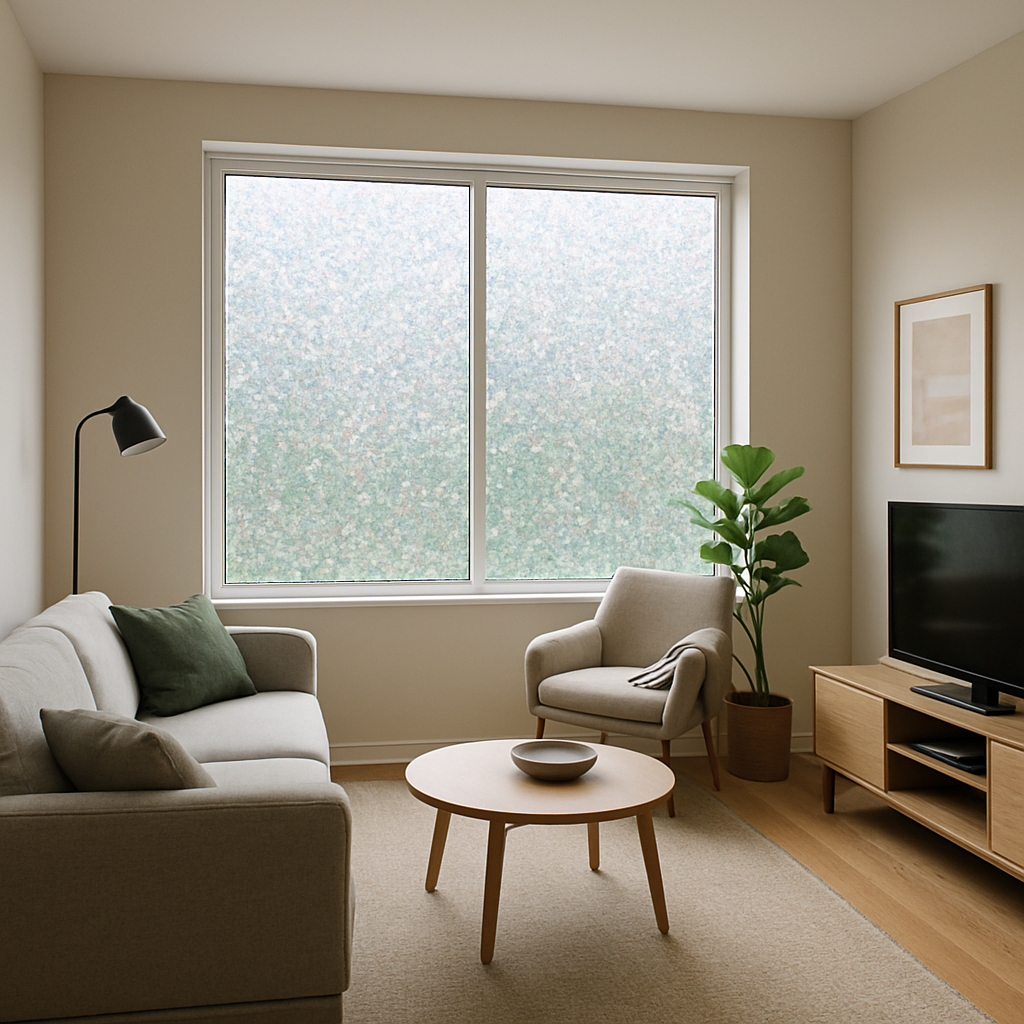
One way window film is a type of window tinting solution that allows you to see out while preventing others from seeing in. This effect is achieved through a reflective coating on the film that mirrors the light on the brighter side, typically the exterior, making it perfect for daytime privacy.
How Does It Work?
The film’s reflective coating is the key to its functionality. During the day, sunlight makes the outside of your windows brighter than the inside. The film reflects this light, creating a mirror-like surface that obscures the view from outside, while you can still enjoy a clear view out.
Can It Be Used at Night?
While one way window film is highly effective during the day, its privacy feature diminishes at night when the interior lights are on. For nighttime privacy, consider using blinds or curtains in combination with the film.
Benefits of One Way Window Film
One way window film offers several advantages that make it a popular choice for both residential and commercial properties.
Enhanced Privacy
The primary benefit of one way window film is enhanced privacy during the day. It allows you to enjoy natural light and unobstructed views without compromising your privacy.
Energy Efficiency
Window film can significantly reduce energy costs by reflecting a portion of the sun’s heat away from your home. This keeps your space cooler in the summer and reduces the strain on your air conditioning system. According to the U.S. Department of Energy, window coverings and films can improve insulation and reduce heat gain.
UV Protection
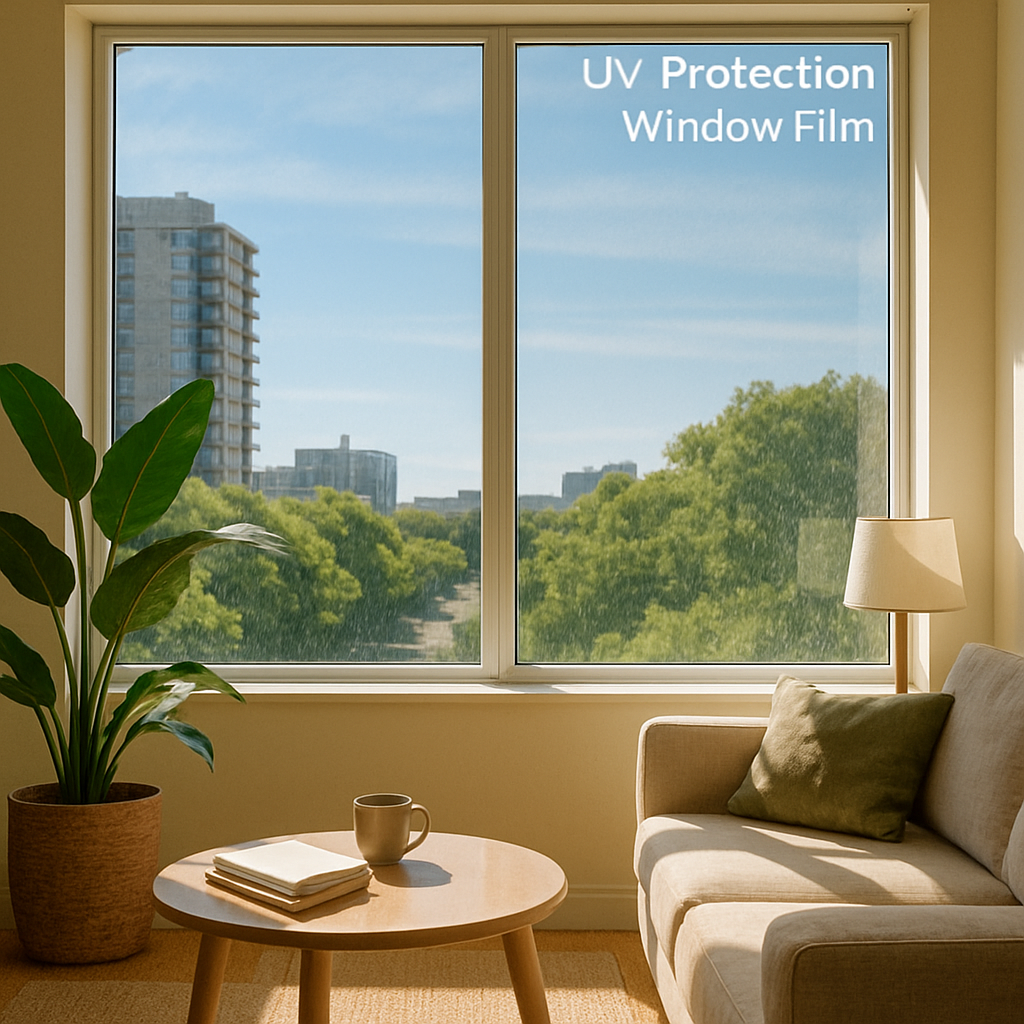
Most window films block up to 99% of harmful UV rays, protecting your furniture, flooring, and art from fading over time. This protection can help preserve the interior of your home and extend the life of your furnishings. The World Health Organization also confirms that UV exposure contributes to material degradation and health risks.
Aesthetic Appeal
One way window films are available in various styles and shades, allowing you to choose an option that complements your interior design. The sleek, reflective finish adds a modern touch to any space.
Installation and Maintenance
How is One Way Window Film Installed?
Installing window film is a straightforward process that can be done by professionals to ensure a perfect fit and finish. The film is applied to the interior surface of your windows using an adhesive that allows for a smooth, bubble-free application.
Can I Install It Myself?
While DIY installation kits are available, professional installation is recommended for the best results. Professionals have the experience and tools needed to achieve a flawless finish and can advise on the best film options for your specific needs.
Is It Easy to Maintain?
One way window film is low-maintenance. Simply clean it with a mild soapy water solution and a soft cloth. Avoid abrasive cleaners or tools that could scratch the film.
Cost and Value
How Much Does It Cost?
The cost of one way window film varies depending on the quality of the film, the size of the windows, and the complexity of the installation. On average, you can expect to pay between $2 and $15 per square foot, including installation.
Is It Worth the Investment?
Investing in window film can lead to long-term savings on energy bills and protection for your home’s interior. Additionally, the improved privacy and aesthetics add value to your property, making it a worthwhile investment.
Common Misconceptions
Will It Make My Home Dark?
One way window film is designed to maintain natural light levels while providing privacy. It can actually enhance the brightness of your space by reducing glare, allowing you to enjoy a well-lit environment without harsh sunlight.
Can It Be Removed?
Yes, one way window film can be removed if needed. It involves peeling off the film and cleaning the adhesive residue. However, once removed, the film cannot be reapplied, so it’s important to be certain before installation.

by Shigeko Fukaya (https://unsplash.com/@shige_jane)
Final Thoughts
One way window film is an excellent solution for those seeking privacy, energy efficiency, and style. By understanding the benefits and options available, you can make an informed decision that meets your needs and enhances your living space.
Whether you’re an interior designer looking to elevate a client’s home or a homeowner seeking to improve comfort and privacy, one way window film offers a versatile and practical solution. Its combination of functionality and aesthetic appeal makes it a smart choice for modern living.
By choosing the right window film, you can enjoy the best of both worlds—privacy and natural light—while also contributing to a more energy-efficient home.