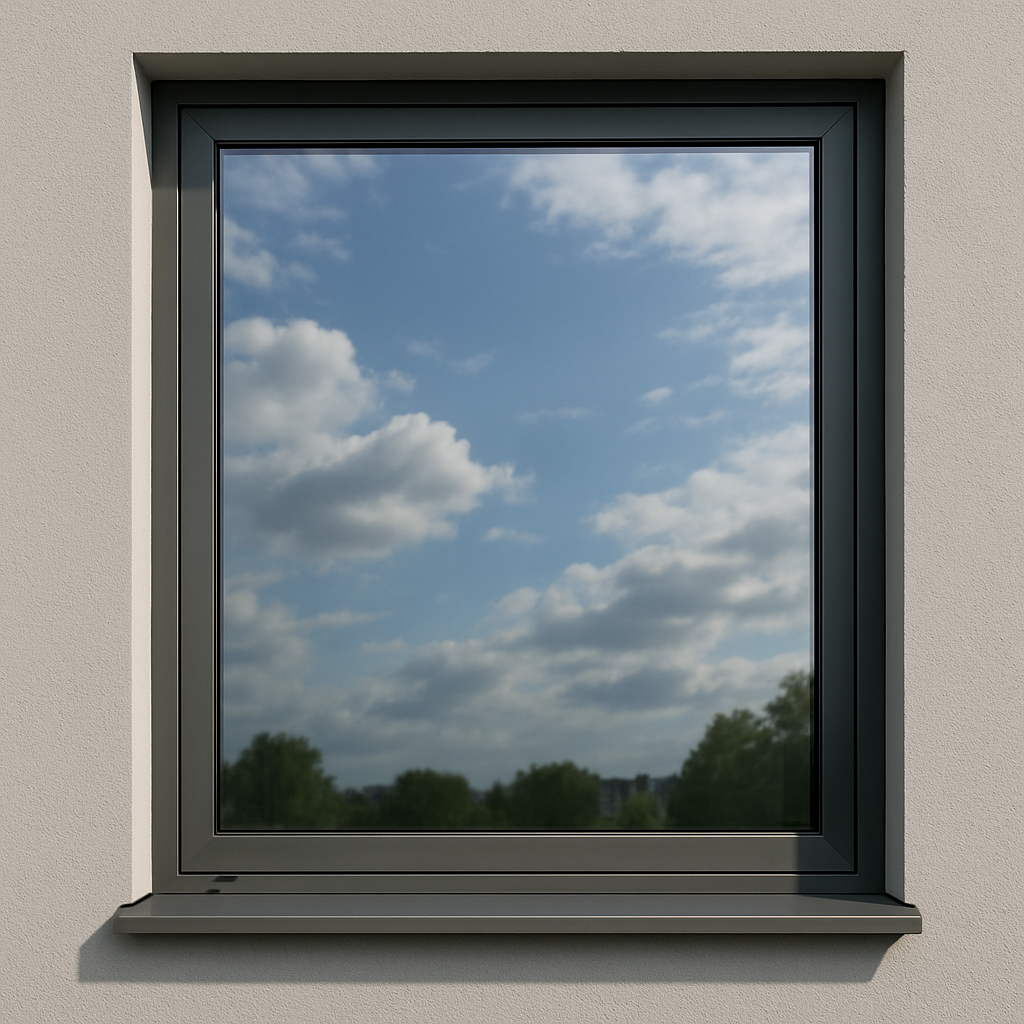
Transforming your home into a comfortable and energy-efficient haven doesn’t always require a full-scale renovation. Sometimes, all it takes is a bit of innovation with smart home solutions. One such solution gaining popularity among homeowners and interior designers alike is heat reflective window film. This versatile product not only enhances the aesthetic appeal of your space but also significantly improves its energy efficiency. In this article, we’ll delve into how heat reflective window film can transform your living space, offering an ideal blend of style and functionality.
Heat reflective window film is a thin, multi-layered polyester material applied to windows to reduce solar heat gain, glare, and harmful ultraviolet (UV) radiation. This film acts as a barrier, reflecting a significant portion of solar radiation away from the glass, thereby reducing the amount of heat that enters your space. It’s an effective and affordable way to improve your home’s energy efficiency without compromising on natural light. According to the U.S. Department of Energy, window films can significantly reduce solar heat gain, helping improve overall building efficiency.
Key Benefits of Heat Reflective Window Film
Energy Efficiency and Cost Savings
The primary advantage of installing heat reflective window film is its ability to enhance your home’s energy efficiency. By reflecting heat away from your windows, this film reduces the need for air conditioning, especially during hot summer months. This can lead to significant cost savings on energy bills, making it a cost-effective solution for homeowners looking to reduce their energy consumption. To better understand performance ratings such as solar heat gain coefficient and visible light transmission, you can refer to the National Fenestration Rating Council (NFRC), which provides standardized window performance data.
Enhanced Comfort
Heat reflective window film helps maintain a more consistent indoor temperature, ensuring your home remains comfortable all year round. By minimizing hot spots and reducing glare, it creates a more pleasant living environment, allowing you to enjoy natural sunlight without the associated heat.
UV Protection
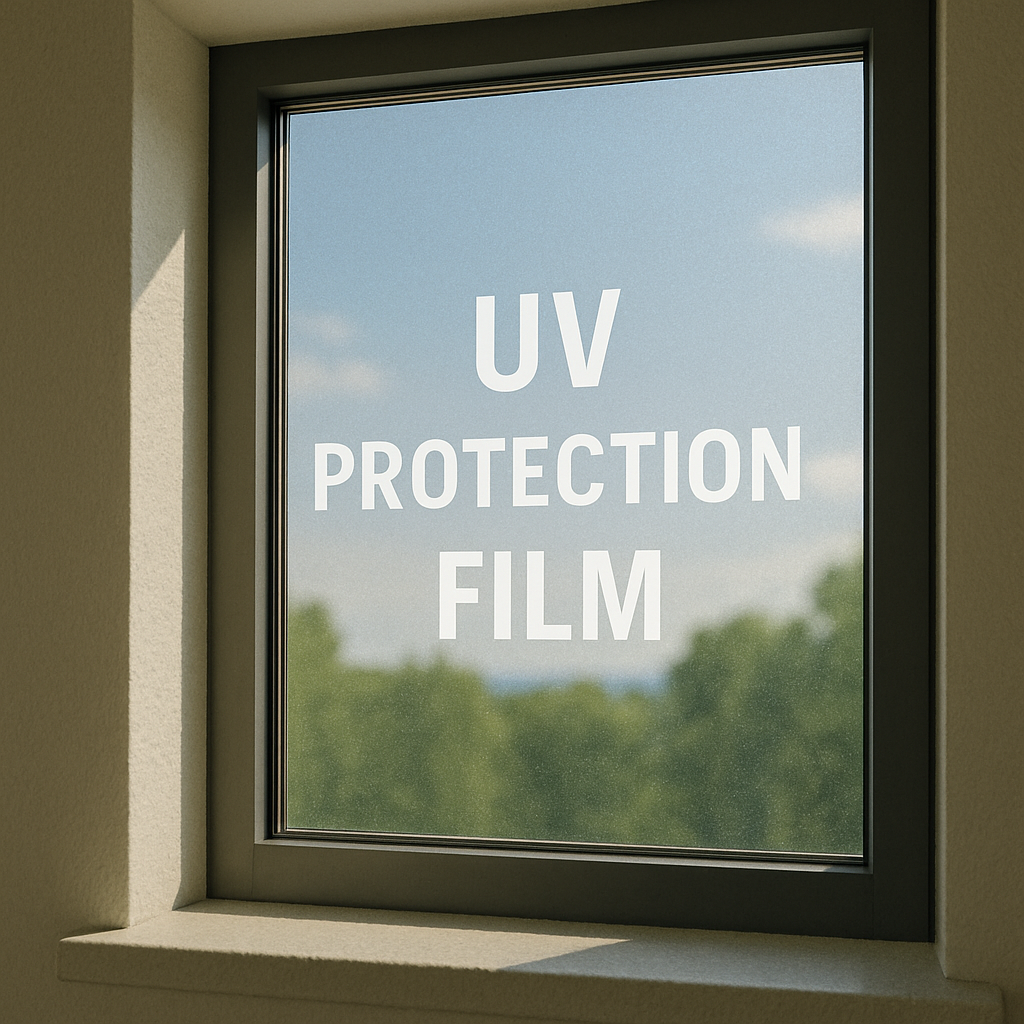
Prolonged exposure to UV rays can cause fading and damage to your furniture, flooring, and artwork. Heat reflective window film blocks up to 99% of harmful UV radiation, protecting your interiors and prolonging the lifespan of your furnishings.
Privacy and Security
In addition to its energy-saving benefits, heat reflective window film can also enhance privacy. By reducing the visibility into your home from the outside, it offers an added layer of security without the need for heavy curtains or blinds.
Types of Window Films
When choosing a window film, it’s essential to consider your specific needs and preferences. Here are some common types of window films available. If you’d like a deeper overview, read this Introduction to Window Films for a complete breakdown of available options and applications:
Window Insulation Film
Window insulation film is designed to enhance the thermal performance of your windows by reducing heat loss in winter and heat gain in summer. It’s an excellent choice for those looking to improve their home’s energy efficiency year-round.
Privacy Window Film
Privacy window film offers increased privacy by obscuring the view into your home from the outside while maintaining a clear view from the inside. It’s ideal for ground-level rooms, bathrooms, and offices where privacy is a concern.
Decorative Window Film
Decorative window film is perfect for those looking to add a touch of style to their windows. Available in a range of patterns and colors, it allows you to customize the appearance of your windows to complement your interior design.
Installation Process
The installation of heat reflective window film is a straightforward process, but it requires precision to ensure optimal performance. Here’s a step-by-step guide:
Preparation
Before installation, clean the windows thoroughly to remove any dirt or debris. This ensures a smooth application and prevents bubbles from forming under the film.
Measuring and Cutting
Measure the dimensions of your windows accurately and cut the film to size, allowing a slight overlap on each side to ensure complete coverage.
Application

by ihor (https://unsplash.com/@ishlpnk)
Apply the film to the window, starting from the top and working your way down. Use a squeegee to smooth out any air bubbles and ensure the film adheres securely to the glass.
Trimming
Once the film is in place, trim any excess material around the edges for a neat and professional finish.
Maintenance Tips
To keep your window film looking its best and functioning effectively, follow these maintenance tips:
- Clean the film regularly with a soft cloth and a mild, non-abrasive cleaner to prevent scratches.
- Avoid using sharp objects or abrasive materials on the film, as these can damage the surface.
- Inspect the film periodically for signs of wear or damage and replace it if necessary to maintain its protective qualities.
Is Heat Reflective Window Film Right for You?
Heat reflective window film is an excellent investment for homeowners and interior designers seeking an eco-friendly and cost-effective solution to improve comfort, privacy, and energy efficiency. Whether you’re looking to reduce energy costs, protect your interiors from UV damage, or enhance the aesthetic appeal of your space, this versatile product offers a host of benefits.
Conclusion
Incorporating heat reflective window film into your home improvement strategy is a smart move for those looking to enhance both form and function. With its myriad benefits, including energy efficiency, UV protection, and enhanced privacy, this innovative solution is a practical choice for any homeowner aiming to create a more comfortable and sustainable living environment. Consider adding heat reflective window film to your next home improvement project and transform your space into a stylish, energy-efficient haven.