Categories
Window Films and Window Tints

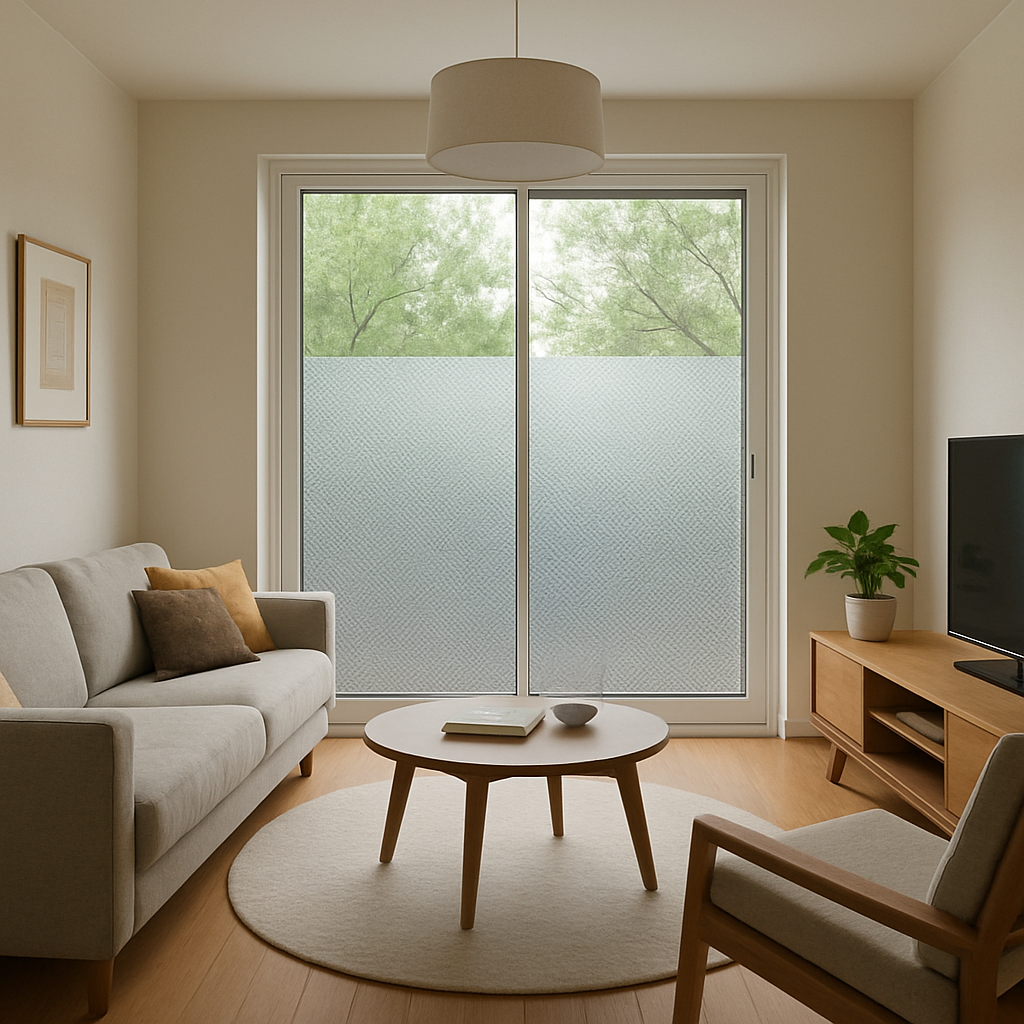
Residential Window Films for Energy Efficiency in Toronto: What You Should Know Before Installing

Window films are now one of the most searched solutions for home energy efficiency in Toronto and across the GTA. Homeowners are typing in the same phrases every day: window films for heat reduction, window films for cold rooms, window films for lower energy bills. The reason is simple. Rooms overheat in July. Floors feel cold in January. Energy bills keep creeping up.

Window films show up in search results because they fix real problems without replacing your windows. They are thin layers applied directly to existing glass. No major construction. No frame removal. Just improved performance from the glass you already have. This guide explains how window films work in Toronto homes, how they reduce energy waste, and what real homeowners across the GTA are noticing after installation.

If you want a quick overview of how they work at a basic level, this page breaks it down clearly: Introduction to window films.

What Are Window Films and How Do They Improve Energy Efficiency?

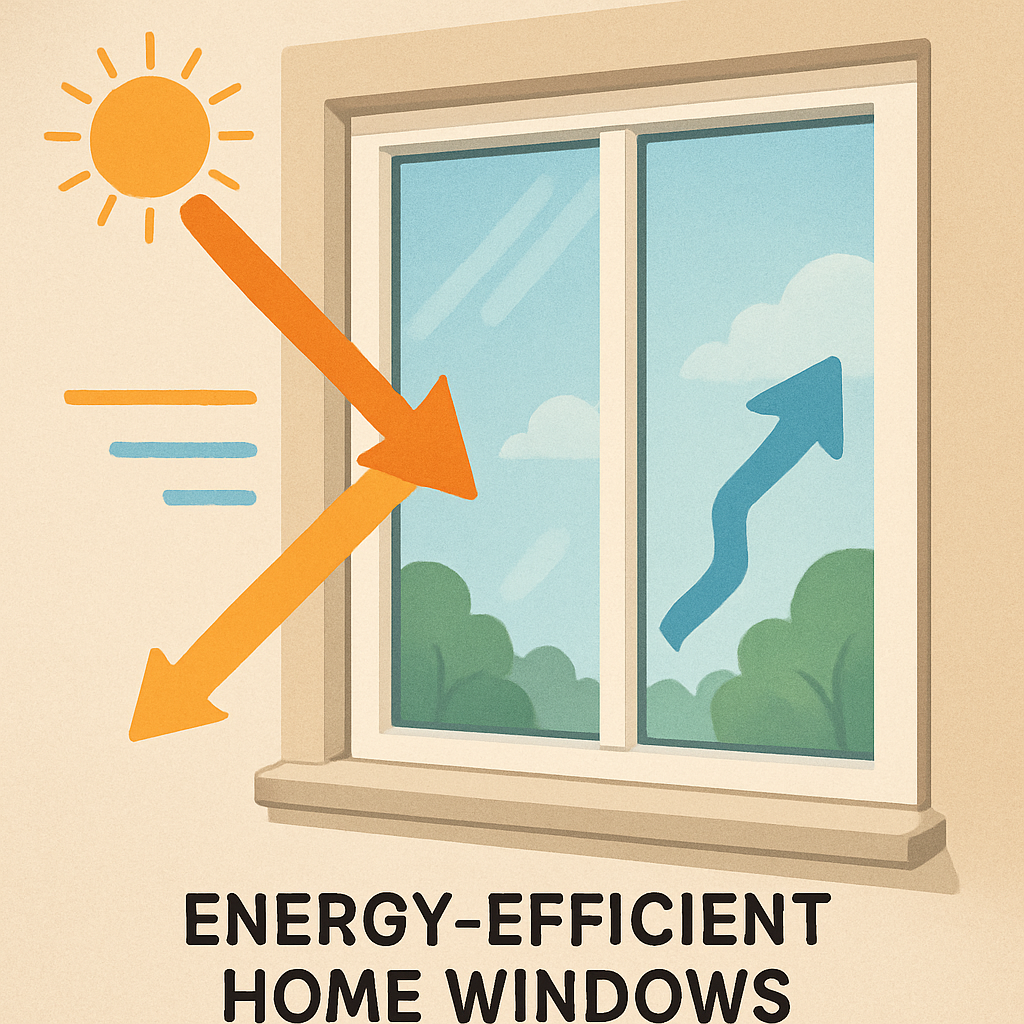
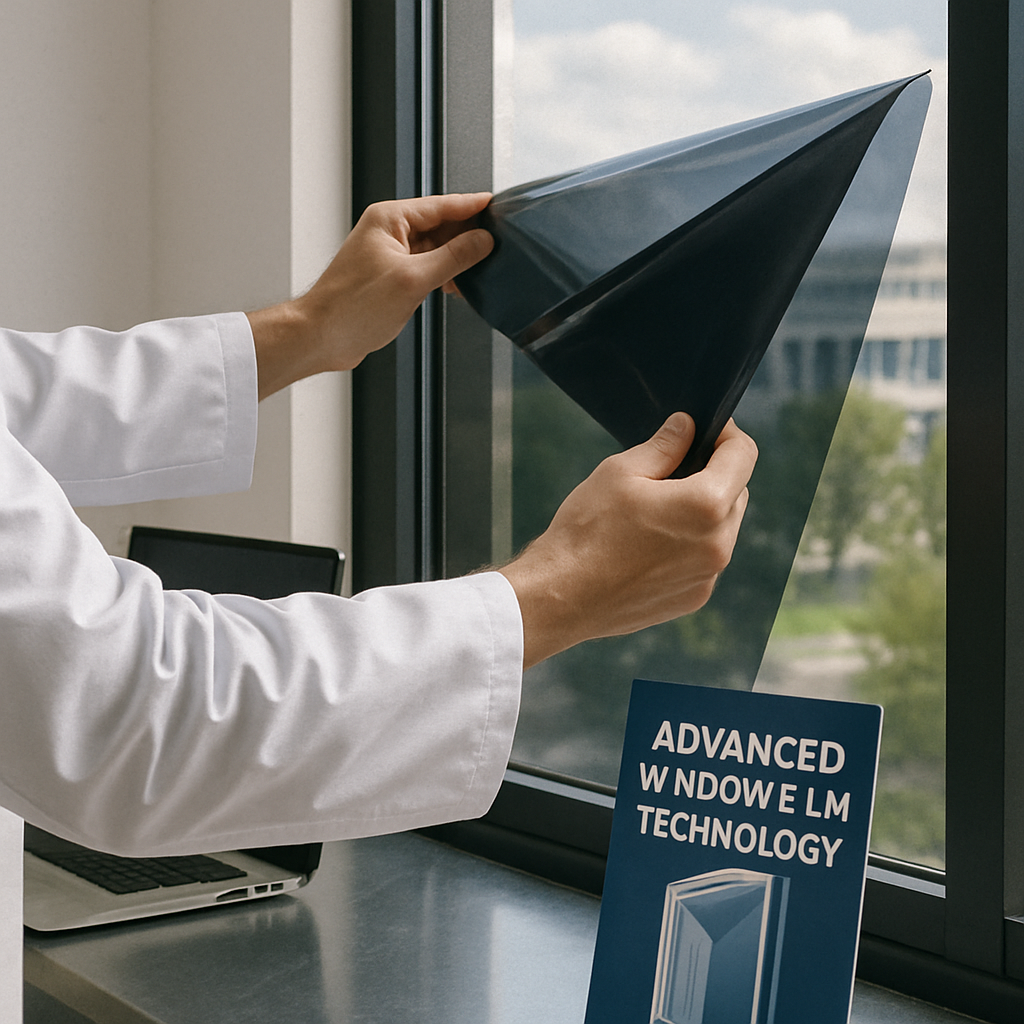
Window films are thin polyester-based layers installed on the interior surface of glass. Once applied, the film changes how the window handles solar heat, glare, and UV radiation. The window frame stays the same. The glass stays the same. Only the thermal and light performance changes.

In Toronto homes, windows are often the weakest point in the building envelope. In summer, direct sunlight creates solar heat gain. Rooms warm up fast. Air conditioners run longer. In winter, glass loses heat quickly, especially older double-pane units. Cold air pools near the window.

Window films help by:

  • Reflecting part of the sun’s infrared heat
  • Reducing glare without blocking all natural light
  • Blocking up to 99% of UV rays
  • Reducing heat transfer through glass

That last point is key for energy savings. By slowing heat transfer, window films reduce the workload on HVAC systems. Less strain on AC in summer. Less heat loss in winter.

For homeowners focused on performance, this detailed resource explains heat blocking window films and how they support year-round comfort.

Why Window Films Make Sense in Toronto’s Climate

Toronto weather is not mild. Summers bring intense afternoon sun, especially on west-facing windows in areas like Etobicoke, Vaughan, and Mississauga. Winters bring long heating seasons and freezing temperatures. That mix creates constant expansion and contraction at the glass surface.

Window films help stabilize that performance.

In summer, they reduce solar heat gain coefficient (SHGC). In plain words, less sun heat enters the room. That means:

  • Lower peak indoor temperatures
  • Shorter AC cycles
  • Less temperature difference between rooms

In winter, films reduce radiant heat loss through the glass. The window surface feels less cold. Seating areas near windows become usable again.

Many GTA homeowners report that after installing window films, they adjust blinds less often and change the thermostat less frequently. Those small behaviour shifts add up.

Natural Resources Canada explains how windows affect energy performance in Canadian homes here: Natural Resources Canada energy efficiency.

Real GTA Case Studies: Window Films in Action

Case Study 1: North York South-Facing Living Room

This two-storey home had large south-facing windows. By 2 PM in July, the living room felt 3–4 degrees warmer than the rest of the house. After installing window films designed for solar control, afternoon temperature spikes were noticeably reduced. The homeowner reported shorter AC cycles and more even comfort.

Case Study 2: Downtown Toronto Condo

This condo near King Street had floor-to-ceiling glass. Afternoon glare made it hard to work from home. Window films reduced glare and heat without darkening the space too much. The owner kept blinds open more often and saw more stable indoor temperatures.

New Case Study: Scarborough Bungalow

An older bungalow had persistent cold zones near the front windows in winter. After window films were installed, the glass surface temperature felt warmer to the touch. Seating near the windows became comfortable again. The furnace still ran, but less often in short bursts.

New Case Study: Mississauga Home Office

A west-facing office overheated every afternoon. After window films were applied, internal temperature swings reduced. The homeowner no longer needed a separate fan during peak sun hours.

Across these homes, the pattern stays consistent. Comfort improves first. Energy savings follow.

Window Films vs. Window Replacement

Homeowners often compare window films with full window replacement. Replacement can improve insulation, but it comes at a high cost and major disruption.

Window films work with your existing windows. If frames and seals are in decent condition, films can improve energy performance without tearing anything apart.

This comparison explains it clearly: window films vs window replacements.

For many Toronto homeowners, installing window films first delays full replacement for years.

Installation Quality and Long-Term Performance

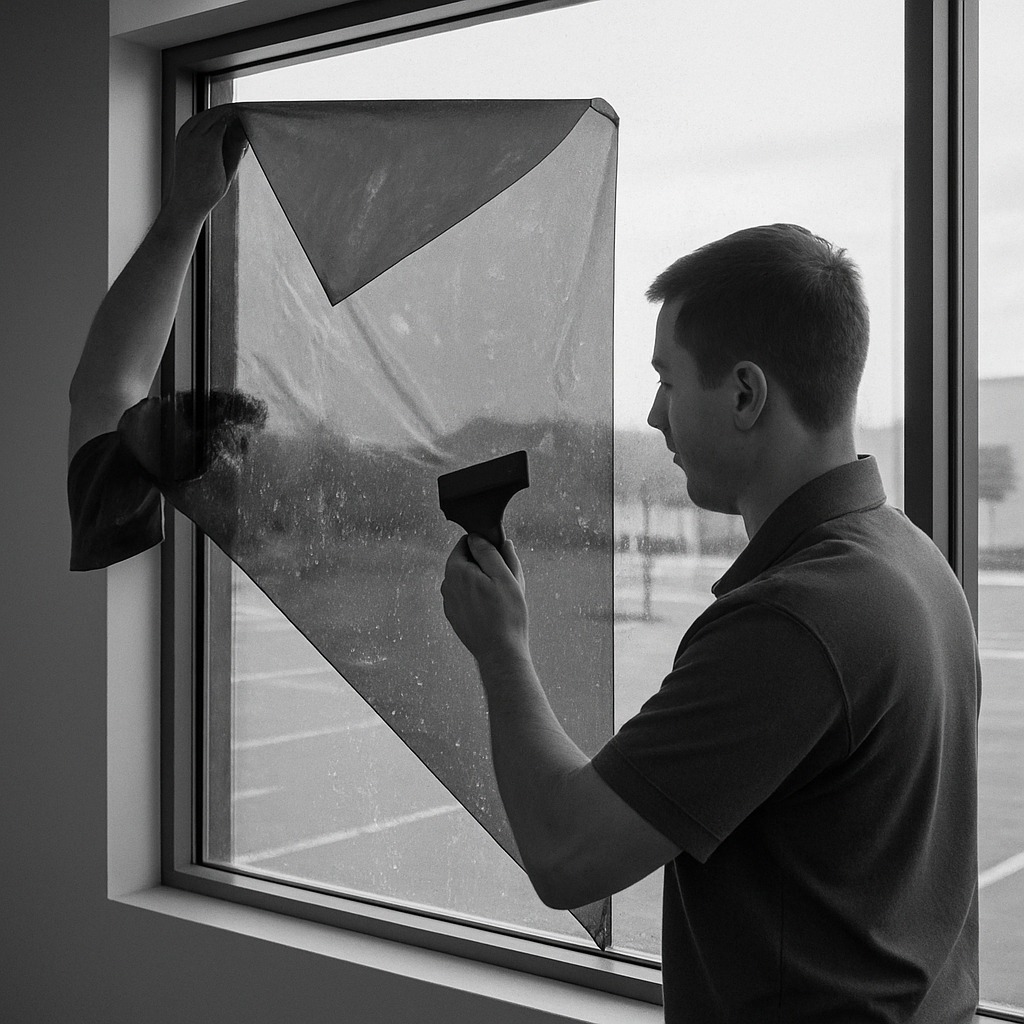
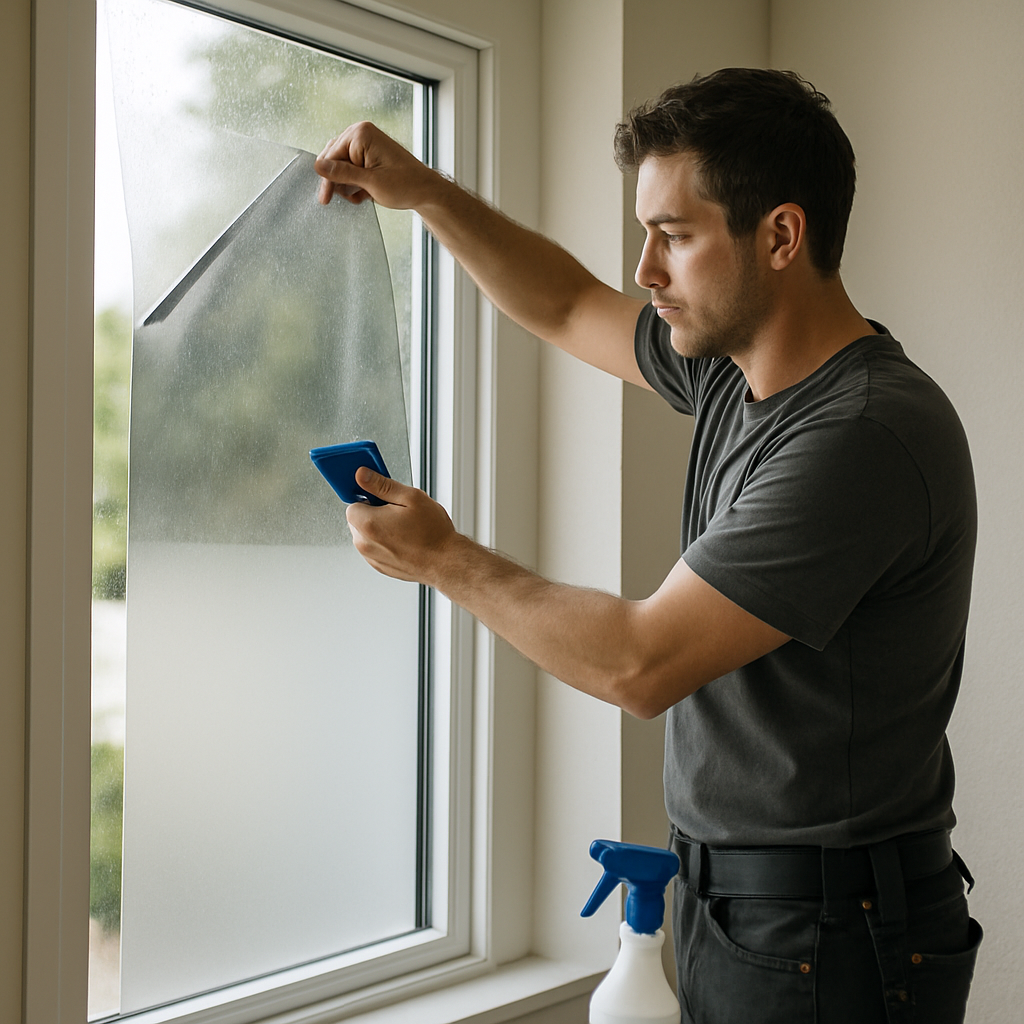
Window films must be installed correctly to perform well long term. Poor installation can lead to bubbling, peeling, or early failure.

A professional install includes:

  • Thorough glass cleaning
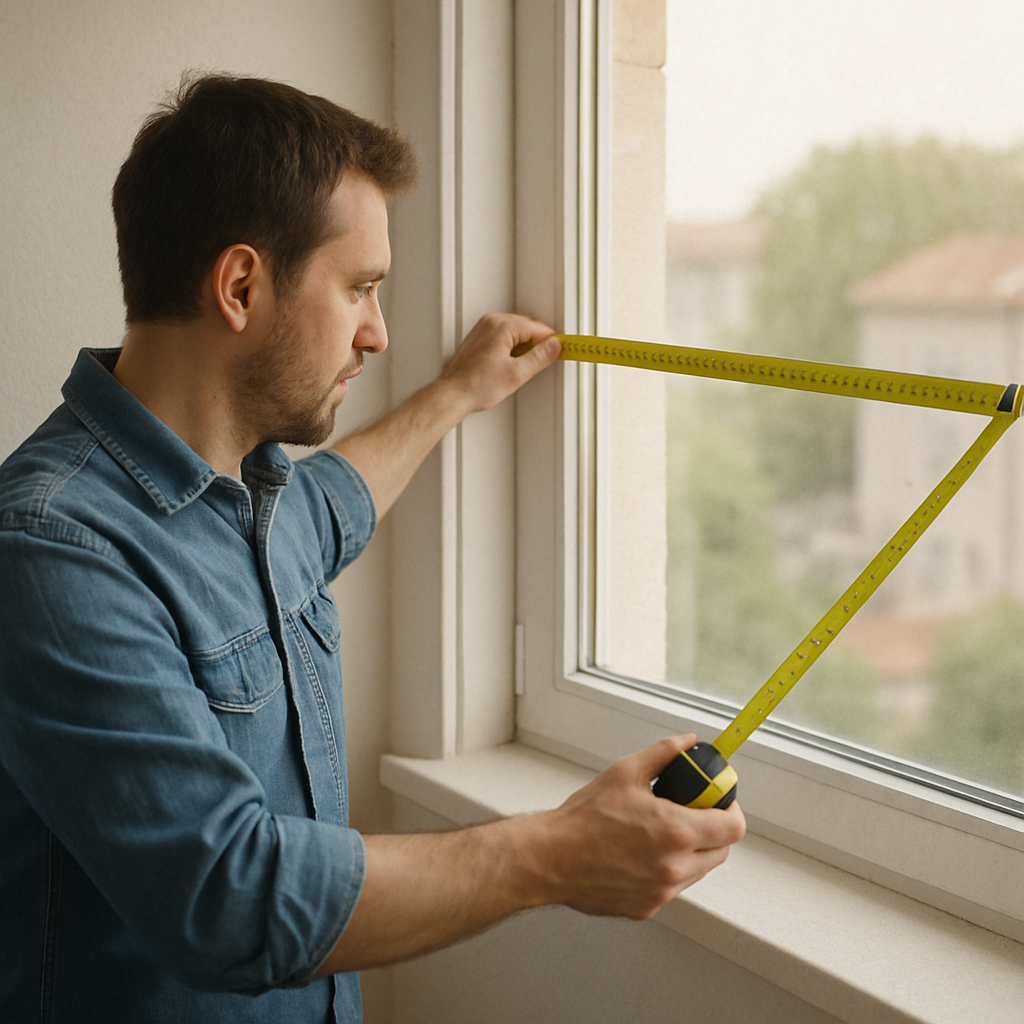
  • Precise measurement and trimming
  • Even pressure application
  • Edge sealing where required

DIY kits may look simple, but dust or moisture can reduce performance. Professional-grade materials and experience matter.

If you’re researching pricing, this guide explains window film installation cost factors clearly.

Canada Mortgage and Housing Corporation also provides guidance on home envelope improvements here: CMHC home energy guidance.

Are Window Films Worth It for Energy Savings?

If your Toronto home has hot rooms in summer, cold spots in winter, glare issues, or rising energy bills, window films are a practical solution worth exploring.

They install quickly. They work with existing windows. They improve comfort right away. In a climate like the GTA, improved comfort usually means reduced energy waste.

Window films are now common across Toronto, North York, Etobicoke, Scarborough, Vaughan, Markham, Mississauga, and Brampton. Homeowners choose them because they solve real comfort problems without major renovation.

If you want to see whether window films make sense for your property, speak with a local installer who understands GTA weather patterns and building styles.

Need help with window films?
Visit https://tintly.ca/ to learn more or request a consultation.

::contentReference[oaicite:0]{index=0}

Categories
Window Films and Window Tints

The Evolution of Frosted Window Film

Frosted window film has come a long way since its inception, evolving into a versatile and essential solution for modern home interiors. It offers a blend of privacy, style, and energy efficiency that is hard to match. As an interior designer, you understand the importance of combining aesthetics with functionality to meet your clients’ needs. In this article, we will delve into the fascinating journey of frosted window film, exploring its benefits and how it continues to transform living spaces.

The concept of frosted glass dates back centuries, originally achieved through the labor-intensive process of acid etching or sandblasting. These methods, while effective, were costly and permanent. The demand for a more flexible and affordable solution led to the development of frosted window film in the late 20th century. This innovation allowed homeowners and designers to achieve the same elegant look without the permanence or expense of traditional methods.

Early Developments

Initially, frosted window films were simple, offering basic privacy and light diffusion. However, advancements in technology soon expanded their capabilities. Today, frosted films are available in a wide range of patterns, textures, and colors, providing endless possibilities for creativity and design.

The Benefits of Frosted Window Film

Frosted window film is not just about aesthetics. It offers a host of practical benefits that make it an attractive option for homeowners and designers alike.

Privacy Without Compromising Light

One of the primary reasons homeowners choose frosted window film is privacy. Whether it’s for a bathroom, office, or street-facing window, these films provide an effective barrier against prying eyes while allowing natural light to filter through. Unlike heavy curtains or blinds, frosted films maintain a bright and open atmosphere.

Energy Efficiency

Sunlight filtering through frosted window film

In today’s eco-conscious world, energy efficiency is a top priority for many homeowners. Frosted window film can help reduce energy consumption by insulating windows and minimizing heat transfer. During the summer, these films help keep interiors cool by reflecting sunlight, while in winter, they retain heat, leading to lower energy bills.

UV Protection

Frosted window films also protect against harmful UV radiation, which can cause fading and damage to furnishings and flooring over time. By blocking up to 99% of UV radiation, these films help preserve the integrity and appearance of your clients’ interiors.

Design Flexibility with Frosted Window Film

Frosted window film offers immense design flexibility, enabling you to tailor solutions to your clients’ unique needs and preferences.

Customizable Patterns and Textures

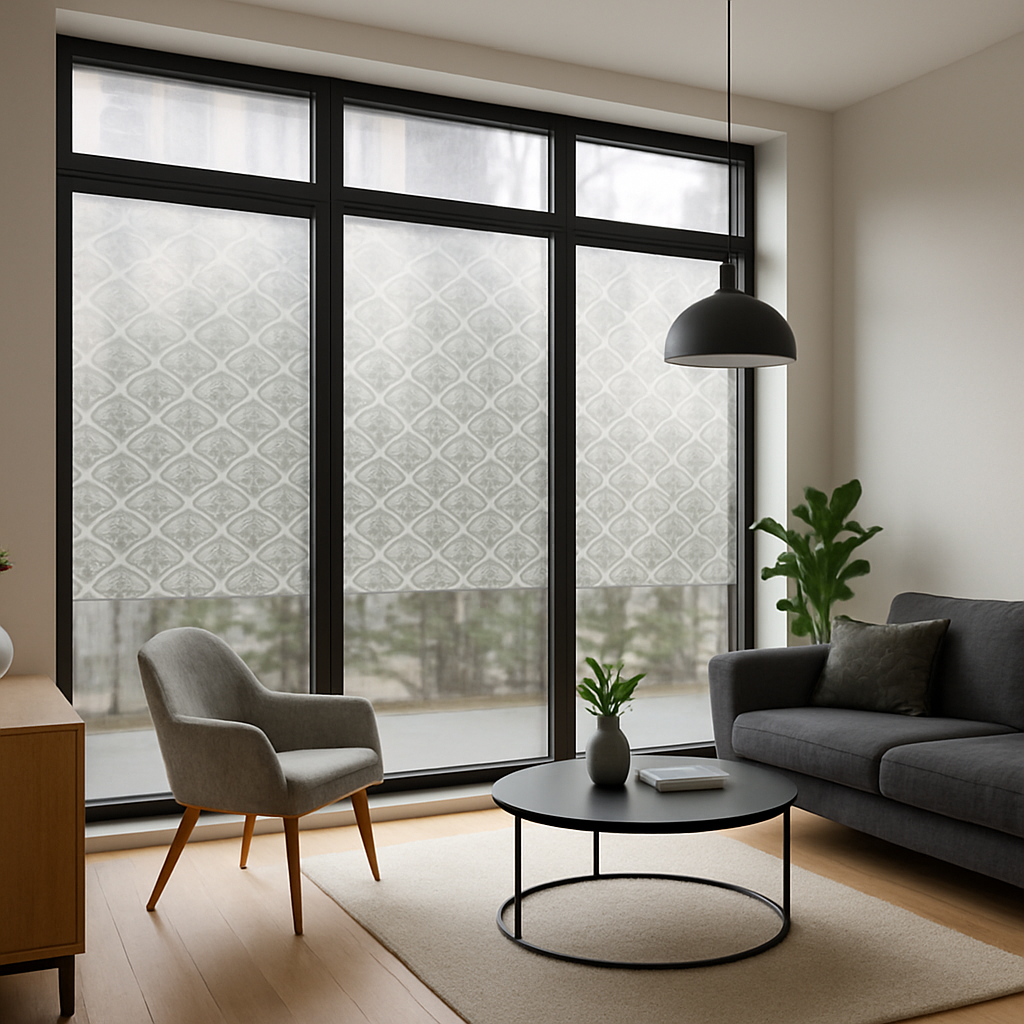
From geometric patterns to floral motifs, frosted films can be customized to suit any design aesthetic. This customization allows you to create cohesive and stylish interiors that reflect your clients’ tastes and complement their existing decor.

Branding Opportunities

For commercial spaces, frosted window film provides an excellent opportunity for branding. Logos, company names, or slogans can be incorporated into the film design, enhancing the professional appearance of an office or storefront.

Temporary or Permanent Solutions

One of the key advantages of frosted window film is its reversibility. Unlike etched glass, these films can be easily removed or replaced, making them ideal for temporary installations or rental properties. This flexibility is particularly appealing to clients who want to experiment with different looks without committing to a permanent change.

Installing Frosted Window Film

Professional installing frosted window film

by Erik Mclean (https://unsplash.com/@introspectivedsgn)

The installation of frosted window film requires precision and expertise to ensure a flawless finish. As an interior designer, you may choose to collaborate with professional installers who can guarantee quality results for your clients.

DIY vs. Professional Installation

While some homeowners may opt for DIY installation, professional installation offers several benefits. Professionals have the tools and experience to apply the film smoothly, without bubbles or creases, ensuring a polished appearance. They can also advise on the best film options for specific needs, such as enhanced privacy or UV protection.

Maintenance and Care

Maintaining frosted window film is straightforward. Regular cleaning with a soft cloth and mild detergent will keep the film looking fresh. It’s important to avoid abrasive cleaners or tools that could scratch the film surface.

The Future of Frosted Window Film

The demand for frosted window film continues to grow, driven by its versatility and the increasing emphasis on sustainable living. Innovations in film technology promise to expand its capabilities even further.

Smart Films and Technological Advancements

Emerging technologies, such as smart films that change transparency at the touch of a button, are set to revolutionize the industry. These films offer dynamic privacy solutions that adapt to the needs of the moment, providing an exciting new option for designers and homeowners alike.

Sustainability and Eco-Friendly Solutions

As environmental concerns take center stage, manufacturers are focusing on creating eco-friendly window films with minimal environmental impact. These advancements will enhance the appeal of frosted window film as a sustainable choice for modern interiors.

Conclusion

Frosted window film has evolved into a dynamic and essential component of contemporary interior design. Its ability to balance privacy, style, and energy efficiency makes it an invaluable tool for interior designers seeking cost-effective solutions for their clients. As you explore the possibilities of frosted window film, you’ll discover a world of creative opportunities to enhance the beauty and functionality of any space. Whether for a residential or commercial project, frosted window film offers the perfect blend of form and function to meet your clients’ needs. Embrace this innovative solution and transform your clients’ spaces with confidence and style.

Categories
Window Films and Window Tints

UV Protection Window Films in Toronto: Stop Floor and Furniture Fading Before It Starts

Frosted window film has come a long way since its inception, evolving into a versatile and essential solution for modern home interiors. It offers a blend of privacy, style, and energy efficiency that is hard to match. As an interior designer, you understand the importance of combining aesthetics with functionality to meet your clients’ needs. In this article, we will delve into the fascinating journey of frosted window film, exploring its benefits and how it continues to transform living spaces.

The concept of frosted glass dates back centuries, originally achieved through the labor-intensive process of acid etching or sandblasting. These methods, while effective, were costly and permanent. The demand for a more flexible and affordable solution led to the development of frosted window film in the late 20th century. This innovation allowed homeowners and designers to achieve the same elegant look without the permanence or expense of traditional methods.

Early Developments

Initially, frosted window films were simple, offering basic privacy and light diffusion. However, advancements in technology soon expanded their capabilities. Today, frosted films are available in a wide range of patterns, textures, and colors, providing endless possibilities for creativity and design.

The Benefits of Frosted Window Film

Frosted window film is not just about aesthetics. It offers a host of practical benefits that make it an attractive option for homeowners and designers alike.

Privacy Without Compromising Light

One of the primary reasons homeowners choose frosted window film is privacy. Whether it’s for a bathroom, office, or street-facing window, these films provide an effective barrier against prying eyes while allowing natural light to filter through. Unlike heavy curtains or blinds, frosted films maintain a bright and open atmosphere.

Energy Efficiency

Sunlight filtering through frosted window film

In today’s eco-conscious world, energy efficiency is a top priority for many homeowners. Frosted window film can help reduce energy consumption by insulating windows and minimizing heat transfer. During the summer, these films help keep interiors cool by reflecting sunlight, while in winter, they retain heat, leading to lower energy bills.

UV Protection

Frosted window films also protect against harmful UV radiation, which can cause fading and damage to furnishings and flooring over time. By blocking up to 99% of UV radiation, these films help preserve the integrity and appearance of your clients’ interiors.

Design Flexibility with Frosted Window Film

Frosted window film offers immense design flexibility, enabling you to tailor solutions to your clients’ unique needs and preferences.

Customizable Patterns and Textures

From geometric patterns to floral motifs, frosted films can be customized to suit any design aesthetic. This customization allows you to create cohesive and stylish interiors that reflect your clients’ tastes and complement their existing decor.

Branding Opportunities

For commercial spaces, frosted window film provides an excellent opportunity for branding. Logos, company names, or slogans can be incorporated into the film design, enhancing the professional appearance of an office or storefront.

Temporary or Permanent Solutions

One of the key advantages of frosted window film is its reversibility. Unlike etched glass, these films can be easily removed or replaced, making them ideal for temporary installations or rental properties. This flexibility is particularly appealing to clients who want to experiment with different looks without committing to a permanent change.

Installing Frosted Window Film

Professional installing frosted window film

by Erik Mclean (https://unsplash.com/@introspectivedsgn)

The installation of frosted window film requires precision and expertise to ensure a flawless finish. As an interior designer, you may choose to collaborate with professional installers who can guarantee quality results for your clients.

DIY vs. Professional Installation

While some homeowners may opt for DIY installation, professional installation offers several benefits. Professionals have the tools and experience to apply the film smoothly, without bubbles or creases, ensuring a polished appearance. They can also advise on the best film options for specific needs, such as enhanced privacy or UV protection.

Maintenance and Care

Maintaining frosted window film is straightforward. Regular cleaning with a soft cloth and mild detergent will keep the film looking fresh. It’s important to avoid abrasive cleaners or tools that could scratch the film surface.

The Future of Frosted Window Film

The demand for frosted window film continues to grow, driven by its versatility and the increasing emphasis on sustainable living. Innovations in film technology promise to expand its capabilities even further.

Smart Films and Technological Advancements

Emerging technologies, such as smart films that change transparency at the touch of a button, are set to revolutionize the industry. These films offer dynamic privacy solutions that adapt to the needs of the moment, providing an exciting new option for designers and homeowners alike.

Sustainability and Eco-Friendly Solutions

As environmental concerns take center stage, manufacturers are focusing on creating eco-friendly window films with minimal environmental impact. These advancements will enhance the appeal of frosted window film as a sustainable choice for modern interiors.

Conclusion

Frosted window film has evolved into a dynamic and essential component of contemporary interior design. Its ability to balance privacy, style, and energy efficiency makes it an invaluable tool for interior designers seeking cost-effective solutions for their clients. As you explore the possibilities of frosted window film, you’ll discover a world of creative opportunities to enhance the beauty and functionality of any space. Whether for a residential or commercial project, frosted window film offers the perfect blend of form and function to meet your clients’ needs. Embrace this innovative solution and transform your clients’ spaces with confidence and style.

Categories
Window Films and Window Tints

Transform Your Space with Solar Film For Windows

When it comes to home improvement, windows often play a central role in both aesthetics and functionality. Solar film for windows is an innovative solution that not only enhances the look of your home but also offers practical benefits like energy efficiency and privacy.

As an expert in the field, I aim to shed light on how solar films can transform your living space, making it more comfortable and environmentally friendly.

Solar window film is a thin layer of polyester or other materials that is applied to the interior or exterior of glass surfaces in homes, offices, or vehicles. It is designed to reduce heat, glare, and UV rays while providing privacy and enhancing the aesthetics of your space. According to the U.S. Department of Energy, window films can significantly improve insulation performance and reduce energy loss.

Types of Solar Window Films

There are several types of solar window films to consider:

  • Reflective Films: These films are designed to reflect sunlight and reduce heat gain, making them ideal for hot climates.
  • Tinted Films: Tinted films offer a range of shades to reduce glare while maintaining a level of privacy.
  • Low-E Films: Also known as low-emissivity films, these are perfect for insulating windows, keeping heat in during the winter and out during the summer.

Benefits of Solar Window Film

Window film benefits

Energy Efficiency

One of the primary benefits of solar window films is their ability to improve energy efficiency. By reducing the amount of heat that enters your home, these films help maintain a consistent indoor temperature, reducing the need for air conditioning and heating. This not only lowers energy bills but also minimizes your carbon footprint. The Environmental Protection Agency highlights energy-efficient window solutions as a key strategy for lowering household energy consumption.

Enhanced Privacy

Privacy window films are a great option for those who wish to maintain natural light while keeping prying eyes at bay. Available in various designs and levels of opacity, these films can be tailored to your specific privacy needs without sacrificing style.

UV Protection

Solar window films block up to 99% of harmful UV rays, protecting your furnishings, flooring, and artwork from fading. This prolongs the life of your interior decor and maintains the vibrancy of your home’s interior.

Glare Reduction

By minimizing glare, solar films create a more comfortable environment for activities such as watching TV or working on a computer. This is especially beneficial in rooms with large windows or direct sunlight exposure.

Aesthetic Appeal

Solar films come in a variety of styles, colors, and patterns, allowing you to choose a look that complements your home’s decor. Whether you prefer a sleek, modern appearance or a more traditional look, there’s a film to suit your taste.

Installation Process

Professional window film installation

by Zen Summer (https://unsplash.com/@ispywithmylittleeye)

Installing solar window film is a straightforward process, but it requires precision to ensure optimal performance and longevity. Here’s a brief overview of the installation process:

  1. Assessment: A professional installer will assess your windows and discuss your specific needs and preferences.
  2. Selection: Choose from a range of films that best meet your energy efficiency, privacy, and aesthetic requirements.
  3. Preparation: The glass surface is thoroughly cleaned to ensure the film adheres properly.
  4. Application: The film is carefully applied to the glass, smoothing out any bubbles or imperfections.
  5. Drying: The film is left to dry, which may take a few days depending on the film type and weather conditions.

While DIY kits are available, professional installation is recommended for the best results. Professionals have the expertise and tools necessary to ensure a flawless application and can address any challenges that arise during the process.

Cost Considerations

The cost of solar window film varies depending on several factors, including the type of film, the size of the windows, and the complexity of the installation. While the initial investment may seem significant, the long-term savings on energy bills and the extended lifespan of your furnishings make it a cost-effective solution.

Real-World Applications

Solar window films are not just for residential use; they are also popular in commercial settings. Businesses can benefit from the energy savings and enhanced comfort that these films provide. In offices, solar films can improve employee productivity by reducing glare and maintaining a comfortable temperature.

Interior designers are increasingly incorporating solar window films into their projects due to their versatility and functionality. They offer a practical solution for enhancing the aesthetic appeal of a space while also addressing energy efficiency and privacy concerns.

Conclusion

Solar window film is a smart investment for any homeowner or business looking to improve energy efficiency, increase privacy, and enhance the overall appearance of their space. With a variety of films to choose from, you can find the perfect solution to meet your specific needs and preferences.

Whether you’re an interior designer seeking eco-friendly options for your clients or a homeowner wanting to reduce energy bills and protect your interior decor, solar window film offers a practical and stylish solution.

By choosing the right solar film and having it professionally installed, you can transform your space into a more comfortable, private, and energy-efficient environment.

Categories
Window Films and Window Tints

Why People Trust Mirror Window Film

# Why People Trust Mirror Window Film

In today’s world, privacy and energy efficiency are top priorities for homeowners. With the rise in urban living and smaller spaces, finding ways to create private sanctuaries within your home is becoming increasingly important. One innovative solution that has gained popularity is mirror window film. But why do people trust mirror window film, and how does it serve as an ideal choice for privacy and energy efficiency?

Understanding Mirror Window Film

Mirror window film, often referred to as privacy window film or window privacy film, is a thin laminate film that can be installed on the interior or exterior of glass surfaces in homes and buildings. The film creates a mirrored effect on the outside while maintaining a clear view from the inside during the day. This unique characteristic provides homeowners with the privacy they need without sacrificing natural light.

Key Benefits of Mirror Window Film

Enhanced Privacy

One of the most significant benefits of mirror window film is its ability to provide privacy without the need for curtains or blinds. During the day, the film reflects sunlight, creating a mirror-like effect that prevents people outside from seeing in. This is particularly beneficial for windows facing busy streets or neighbors.

Energy Efficiency

Mirror window film can also help improve your home’s energy efficiency. By reflecting sunlight, the film reduces the amount of heat that enters your home, keeping it cooler during hot summer months. This can lead to lower air conditioning costs and a more comfortable living environment.

UV Protection

Another advantage of mirror window film is its ability to block harmful ultraviolet (UV) rays. Prolonged exposure to UV rays can cause damage to your skin and fade your furniture and flooring. Mirror window film blocks up to 99% of UV rays, helping to protect your home and its occupants.

urban-apartment-with-window-film

Why People Trust Mirror Window Film

Proven Performance

Mirror window film has been used in residential and commercial settings for years. Its proven track record of performance and reliability makes it a trusted choice for many homeowners. The film’s durability ensures that it will continue to perform effectively for years, providing consistent privacy and energy savings.

Easy Installation and Maintenance

Installing mirror window film is a straightforward process that can be completed by a professional installer. Once applied, the film requires minimal maintenance, making it a hassle-free solution for homeowners. Simply clean the film with a soft cloth and a mild, non-abrasive cleaner to keep it looking its best.

Aesthetic Appeal

Mirror window film not only provides practical benefits but also enhances the aesthetic appeal of your home. The film’s sleek, modern look complements a variety of architectural styles and interior designs, making it an attractive addition to any space.

Cost-Effective Solution

Compared to other privacy solutions like installing frosted glass or adding shutters, mirror window film is a cost-effective option. It offers significant savings on energy bills and potential furniture replacement costs due to UV damage, making it a wise investment for homeowners.

Customer Experiences with Mirror Window Film

Many homeowners have shared positive experiences with mirror window film, highlighting its effectiveness and value. Here are a few testimonials:

  • Sarah T., Homeowner: “After installing mirror window film, I noticed a significant drop in my energy bills. It also gives me peace of mind knowing that my family has the privacy we need.”
  • John L., Interior Designer: “Mirror window film is a game-changer for my clients. It offers privacy without sacrificing natural light, and its sleek look fits seamlessly with any design style.”
  • Emily R., Real Estate Agent: “When I show homes with mirror window film, potential buyers are always impressed by the privacy and energy efficiency it provides. It’s a great selling point.”
cozy-living-room-with-mirror-window-film

by Enrique Palacios (https://unsplash.com/@epalacios55)

How to Choose the Right Mirror Window Film

When selecting mirror window film for your home, consider the following factors:

Tint Levels

Mirror window film comes in various tint levels, ranging from light to dark. Consider the level of privacy and light control you desire when choosing the tint level that best suits your needs.

Quality and Warranty

Not all mirror window films are created equal. Look for high-quality films from reputable manufacturers that offer warranties. A good warranty indicates the manufacturer’s confidence in their product’s performance and longevity.

Professional Installation

While DIY installation is possible, hiring a professional installer ensures that the film is applied correctly and performs optimally. Professional installation also reduces the risk of bubbles or creases, which can affect the film’s appearance and performance.

Conclusion

Mirror window film is a trusted solution for enhancing privacy, improving energy efficiency, and protecting your home from UV damage. Its proven performance, easy maintenance, and aesthetic appeal make it a popular choice among homeowners and interior designers alike. By choosing the right film and working with a professional installer, you can enjoy the many benefits that mirror window film has to offer.

As you consider ways to enhance your living space, remember that mirror window film offers a versatile, cost-effective solution that meets the needs of modern homeowners. Its ability to provide privacy and energy savings without compromising style makes it a valuable addition to any home.

Whether you’re looking to create a private sanctuary in an urban environment or simply want to reduce your energy bills, mirror window film is a reliable choice that you can trust.

Categories
Window Films and Window Tints

Lessons Learned from Heat Reflective Window Film

# Lessons Learned from Heat Reflective Window Film

When it comes to home improvement, few solutions offer as many benefits as heat reflective window film. This innovative product not only enhances the aesthetic appeal of a space but also significantly improves energy efficiency, providing both style and savings for homeowners.

In this article, we will explore the lessons learned from installing heat reflective window film, discuss its benefits, and explain how it can be a game-changer for interior designers looking to offer eco-friendly and cost-effective solutions to their clients.

Heat reflective window film is a thin, multi-layered polyester material that can be applied to windows to reduce heat gain, glare, and UV exposure. It acts as an effective barrier, reflecting the sun’s rays away from the window, which helps maintain a consistent indoor temperature and reduces the need for air conditioning.

Key Benefits

  1. Energy Efficiency: By reducing the amount of heat entering a home, heat reflective window film helps lower energy bills. It keeps interiors cooler in the summer, which means less reliance on air conditioning.
  2. UV Protection: The film blocks up to 99% of harmful UV rays, preventing fading of furniture, carpets, and other interior furnishings.
  3. Glare Reduction: It minimizes glare on screens and surfaces, enhancing comfort for occupants.
  4. Privacy: Some heat reflective window films also offer privacy features, allowing natural light in while blocking the view from outside.
  5. Aesthetic Appeal: Available in various shades and styles, window films can complement any design vision.

Lessons from Installation

Professional installing window film

Precision Matters

One of the most crucial lessons from installing heat reflective window film is the importance of precision. Proper installation ensures maximum effectiveness and longevity. Every window must be meticulously measured and the film carefully applied to avoid air bubbles or creases.

Quality Over Quantity

Selecting a high-quality window film is essential. Not all films are created equal; investing in a reputable brand ensures better performance and durability. Cheaper films may peel or discolor over time, reducing their effectiveness and the aesthetic value they add to a home.

The Right Tools

Using the correct tools is vital for a successful installation. Specialized squeegees, cutting tools, and application solutions help achieve a smooth, bubble-free finish. Professional installers bring the expertise and equipment necessary to complete the job efficiently.

Enhancing Interior Design with Window Film

For interior designers, incorporating heat reflective window film into projects offers numerous advantages. Here’s how it can elevate your design work:

Stylish and Functional

Window films come in various styles, including mirrored, frosted, and tinted options. This versatility allows designers to select films that enhance the aesthetic of a room while providing functional benefits like insulation and privacy.

Eco-Friendly Design

As sustainability becomes increasingly important to clients, offering eco-friendly solutions is a must. Heat reflective window film reduces energy consumption, making it an ideal choice for environmentally conscious homeowners.

Cost-Effective Solutions

For clients on a budget, window film is a cost-effective alternative to more expensive window treatments or replacements. It provides significant energy savings without the need for major renovations.

Tips for Choosing the Right Window Film

Variety of window film samples

by Shannia Christanty (Unsplash Profile)

When selecting window film for a project, consider these factors:

Climate Considerations

Choose a film that matches the climate of the home. In sunnier regions, a film with higher reflectivity may be necessary, while in milder climates, a lighter tint might suffice.

Privacy Needs

If privacy is a priority, opt for films with higher opacity or mirrored finishes. This ensures that while natural light enters, visibility from the outside is minimized.

Aesthetic Preferences

Collaborate with clients to select a film that aligns with their design preferences. Whether they prefer a subtle tint or a bold mirrored look, there’s a film to suit every taste.

Conclusion

Heat reflective window film presents a versatile, stylish, and practical solution for enhancing homes. By reducing energy consumption, protecting interiors from UV damage, and adding a layer of privacy, window film is an invaluable tool in any designer’s arsenal.

As you incorporate this innovative product into your designs, remember the lessons learned from installation: prioritize precision, invest in quality, and use the right tools. These steps will ensure that your window film installations deliver both aesthetic and functional benefits, delighting your clients and elevating your design projects.

By embracing heat reflective window film, interior designers can offer cutting-edge solutions that meet the demands of modern, eco-conscious living spaces. Whether it’s for new constructions or renovations, this product is sure to enhance any project with its myriad of benefits.