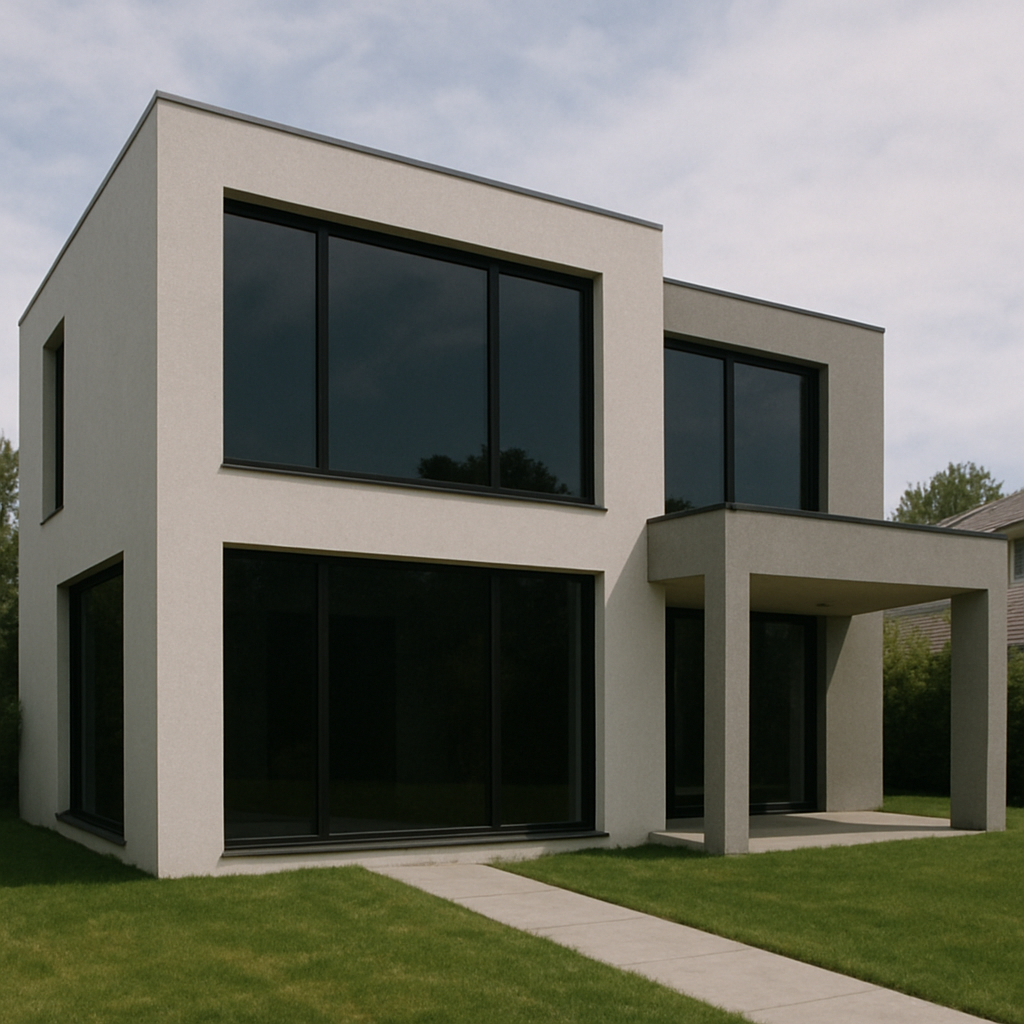
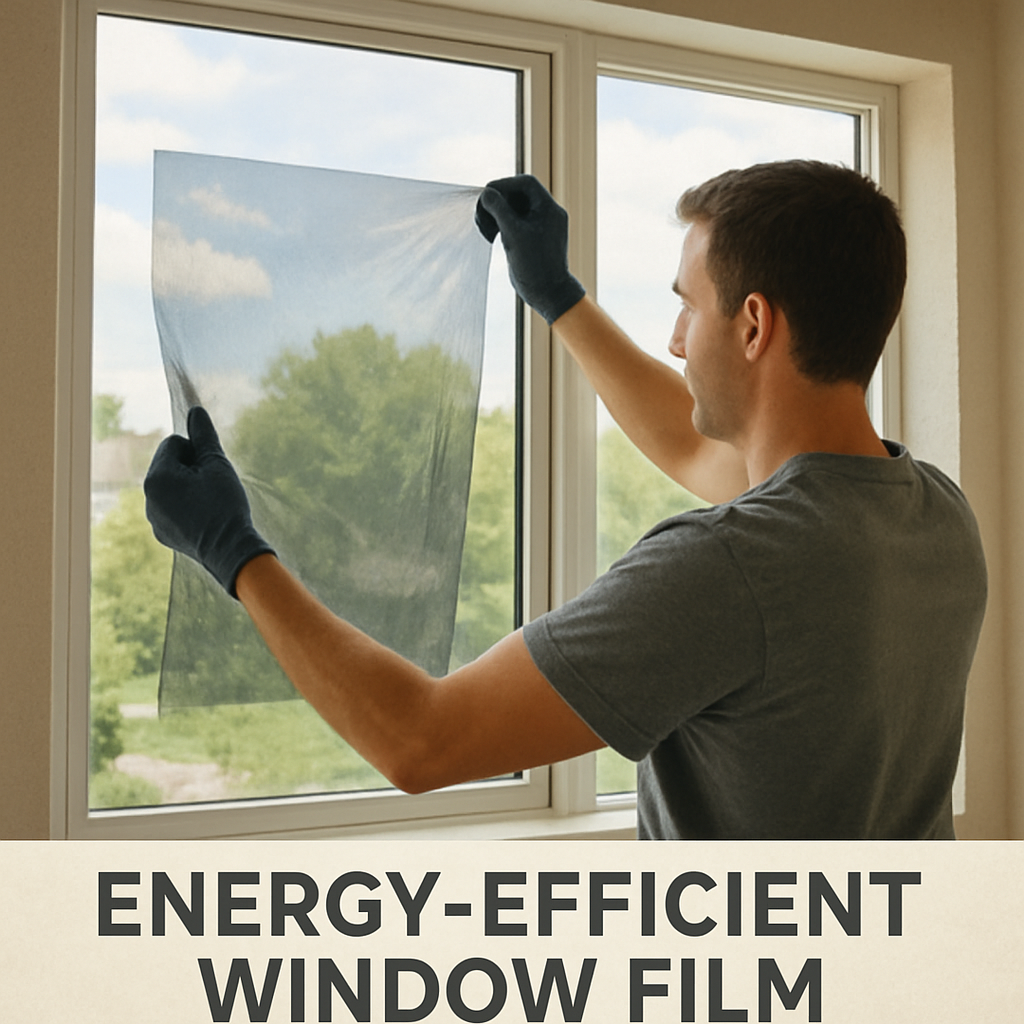
Privacy window film is an innovative solution that has gained popularity among homeowners and interior designers alike. It offers a unique blend of aesthetics, functionality, and energy efficiency. In this article, we will delve into the world of privacy window film, exploring its benefits, types, installation process, and why it might be the perfect solution for your home or design project.
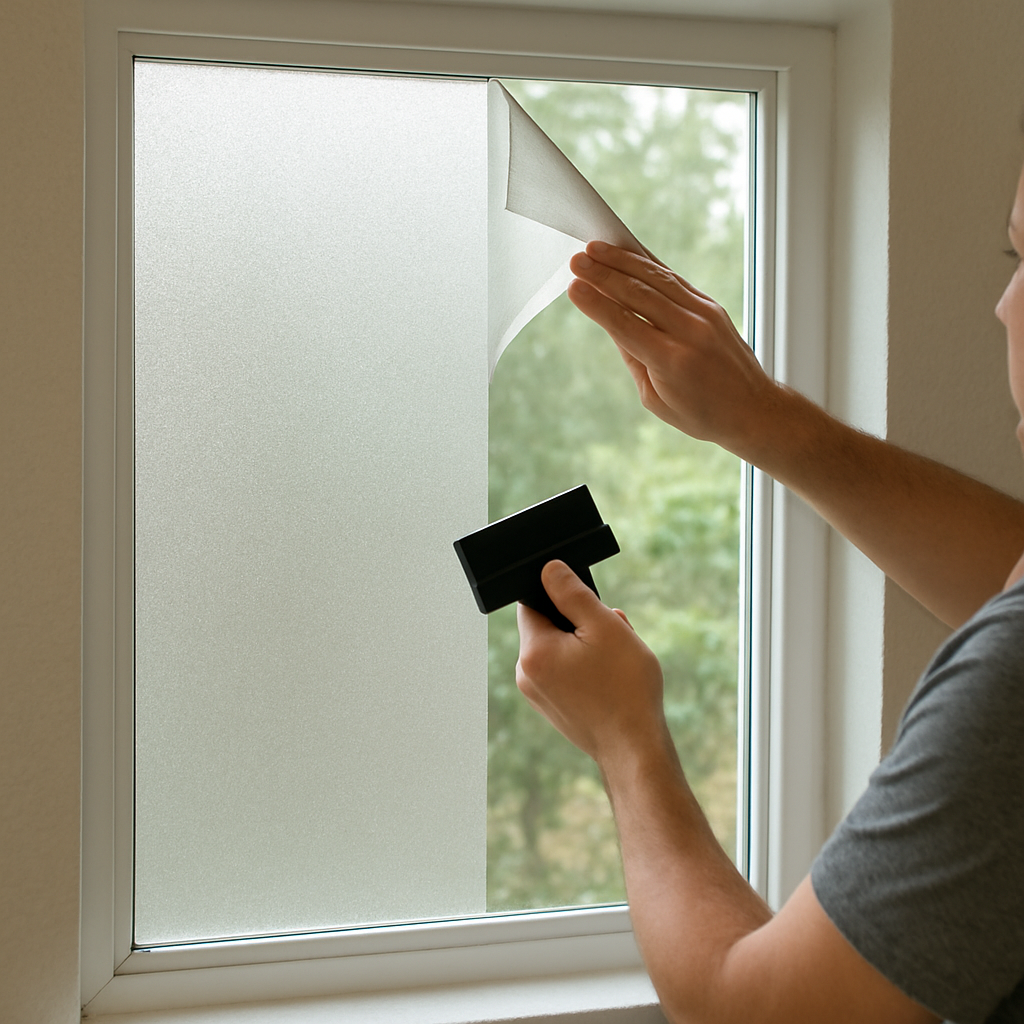
Privacy window film is a thin layer of material applied to the interior surface of glass windows. Its primary purpose is to enhance privacy by obscuring the view from the outside while maintaining visibility from within. This allows you to enjoy natural light without compromising your privacy.
Key Features
Privacy Enhancement: Blocks the view from outside while letting light in.
Aesthetic Appeal: Available in various designs, colors, and patterns.
Energy Efficiency: Reduces heat and glare, contributing to lower energy costs.
UV Protection: Blocks harmful UV rays, protecting your interiors from fading.
Benefits of Privacy Window Film
Privacy window film offers numerous benefits that make it a valuable addition to any home or office. Here’s why you should consider it:
Enhanced Privacy
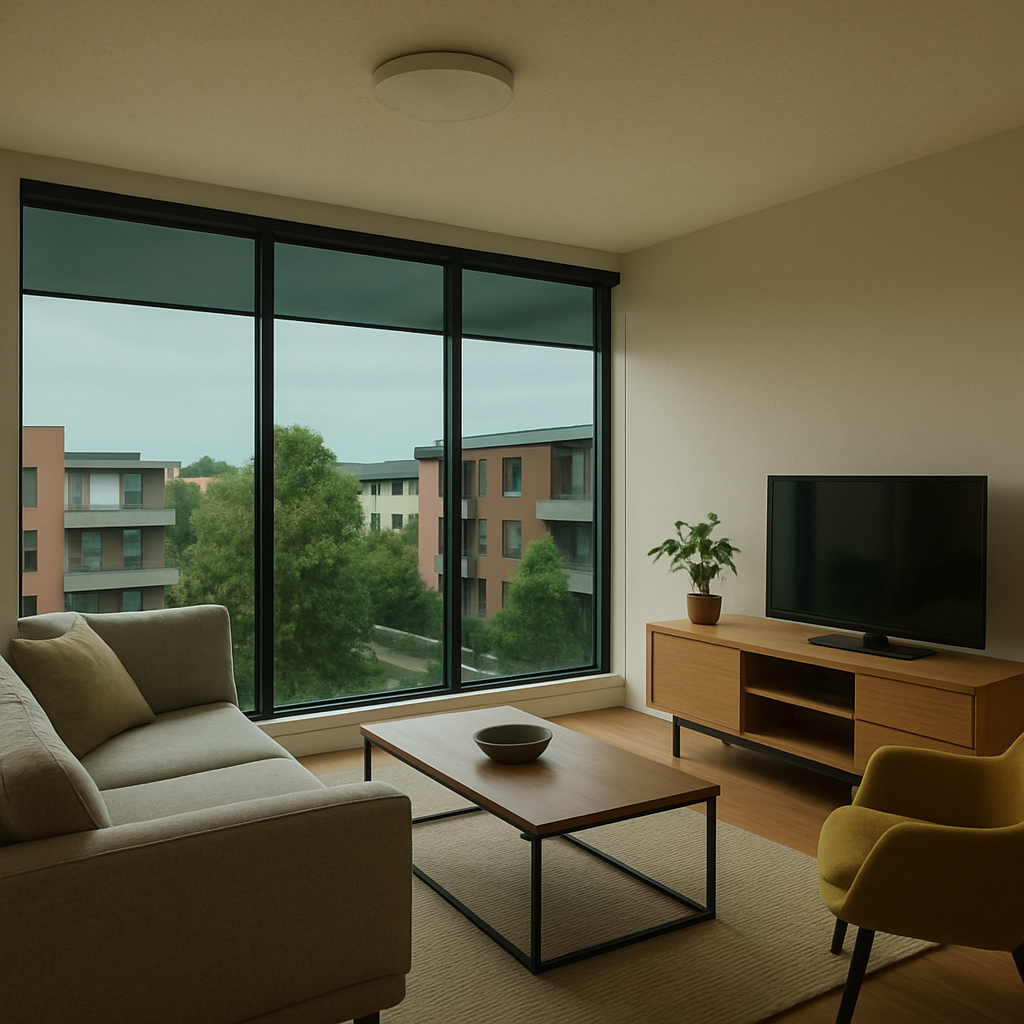
The most significant advantage of privacy window film is its ability to provide privacy without the need for curtains or blinds. This is particularly useful in urban settings where buildings are closely spaced, and the need for privacy is paramount.
Improved Aesthetics
Privacy window films come in a variety of styles and designs, ranging from frosted and etched glass appearances to decorative patterns and tinted films. This allows you to customize the look of your windows to match your interior design theme.
Energy Efficiency
Privacy window film helps regulate indoor temperatures by reducing heat gain in the summer and heat loss in the winter. This can lead to significant savings on energy bills, making it an eco-friendly choice for environmentally conscious homeowners.
UV Protection
By blocking up to 99% of harmful UV rays, privacy window film protects your furnishings, flooring, and artwork from fading and damage. This prolongs the life of your interiors and maintains their vibrant colors.
Types of Privacy Window Film
There are several types of privacy window films available, each offering unique benefits:
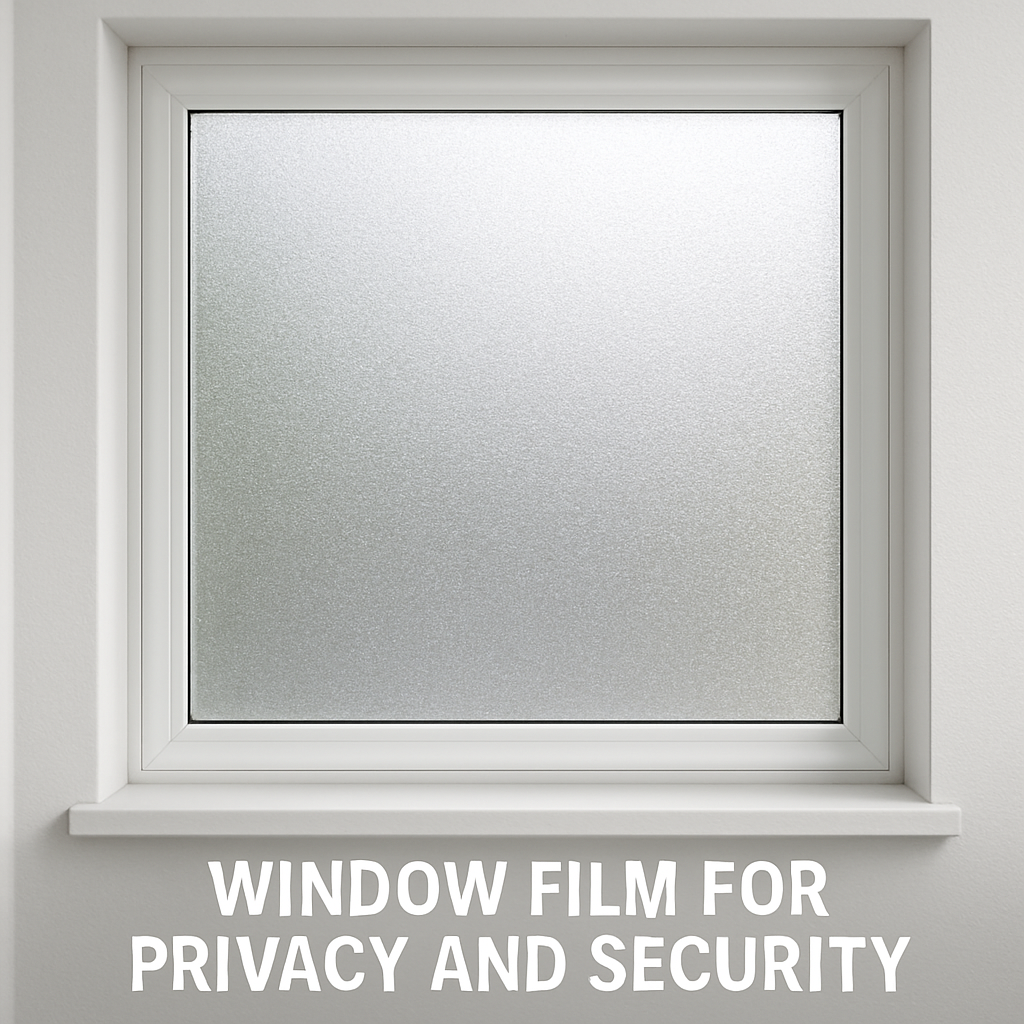
Frosted Window Film
Frosted window film mimics the appearance of frosted glass, providing a soft, diffused light while ensuring complete privacy. It is ideal for bathrooms, offices, and any space where privacy is a priority.
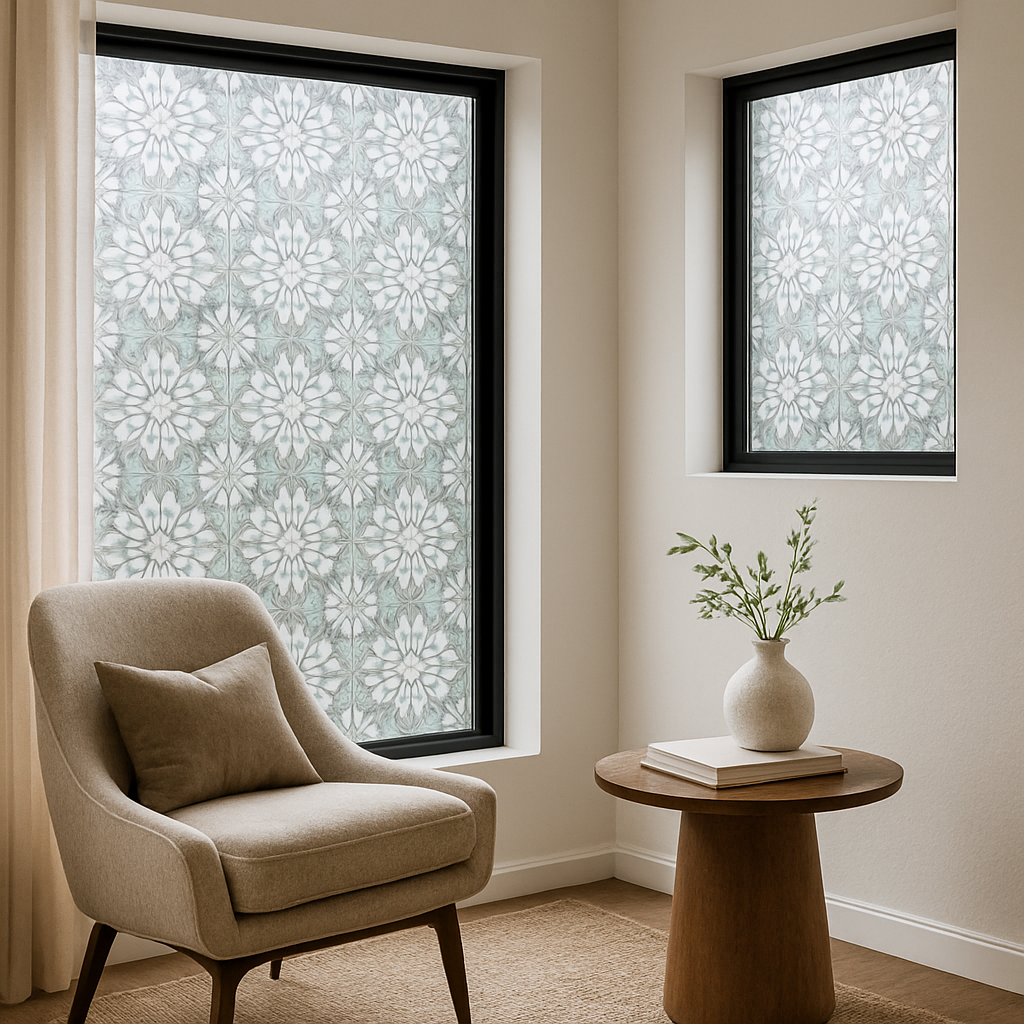
Decorative Window Film
Decorative window film adds a touch of style to your windows. With a wide range of patterns, colors, and designs, it allows you to express your creativity and personalize your space.
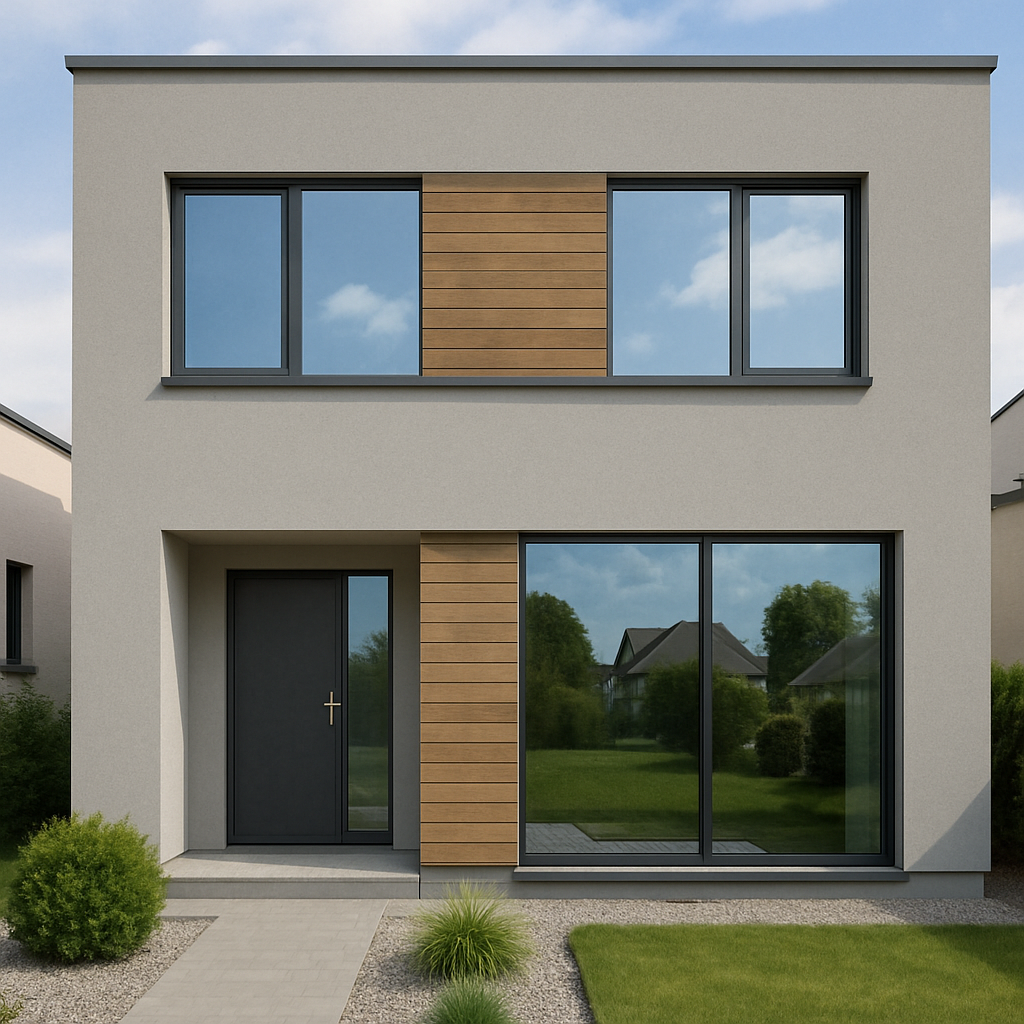
Reflective Window Film
Reflective window film features a mirror-like finish that reflects light and heat away from the window. It offers high privacy during the day while maintaining a clear view from inside.
Blackout Window Film
Blackout window film completely blocks out light, providing maximum privacy and darkness. It’s perfect for bedrooms, media rooms, and any area where light control is essential.
Installation Process
Installing privacy window film is a straightforward process, but it requires precision and care to achieve a professional finish.
DIY vs. Professional Installation
While DIY installation is possible, hiring a professional ensures a flawless application without bubbles or wrinkles. Professionals have the expertise and tools necessary to handle large or complex installations efficiently.
Steps for Installation
Measure and Cut: Measure your windows and cut the film to size, leaving a small margin for adjustment.
Clean the Glass: Thoroughly clean the window surface to remove dust and debris, ensuring the film adheres properly.
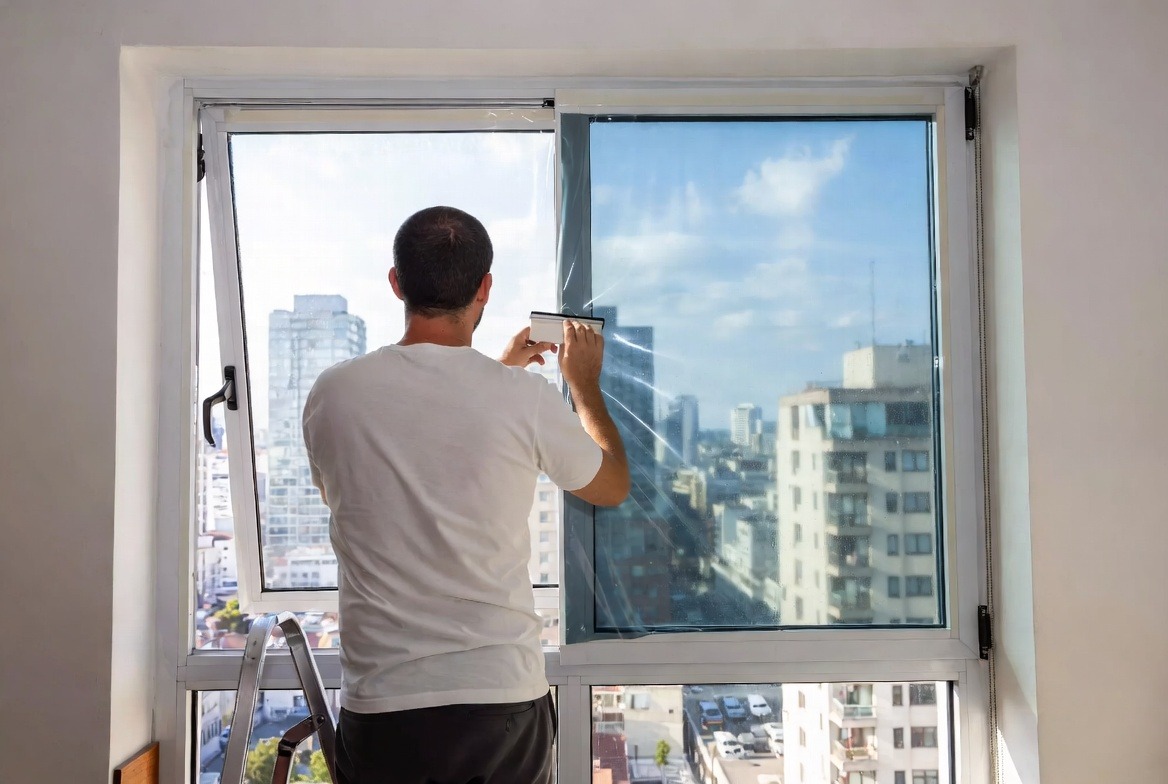
Apply the Film: Peel the backing and apply the film to the wet glass, smoothing out air bubbles with a squeegee.
Trim and Finish: Trim excess film and ensure a snug fit along the window edges.
Why Choose Privacy Window Film?
Privacy window film is an excellent choice for those seeking a balance between privacy, style, and energy efficiency. Here are some reasons why it stands out:
Cost-Effective: Compared to replacing windows with frosted or tinted glass, privacy film is an affordable alternative that delivers similar benefits.
Versatile: Suitable for residential and commercial spaces, privacy window film can be used in a variety of settings.
Non-Invasive: Unlike permanent window treatments, privacy film can be easily removed or replaced without damaging the glass.
Conclusion
Privacy window film is a versatile and practical solution for enhancing privacy, improving energy efficiency, and adding aesthetic value to your home or office. Whether you’re an interior designer looking to offer clients stylish and eco-friendly window solutions or a homeowner seeking to upgrade your living space, privacy window film is a worthy investment.
By choosing the right type of film and ensuring a quality installation, you can enjoy the benefits of privacy window film for years to come. Consider consulting with a professional to explore the best options for your specific needs and design preferences.
Incorporate privacy window film into your next project and experience the perfect blend of form and function. With its myriad benefits, it’s no wonder that privacy window film continues to be a popular choice for enhancing living spaces.
Window films are one of the most searched glass upgrades in Toronto and the GTA. When people search for window films, they are usually dealing with heat, glare, fading floors, lack of privacy, or security worries. Window films change how glass performs. They help reduce solar heat gain, block UV radiation, improve privacy, and strengthen glass — without replacing the windows.
In Toronto condos, storefronts in Scarborough, offices in North York, and homes in Etobicoke, window films are installed every week. A downtown condo uses window films to reduce afternoon heat through floor-to-ceiling glass. A Vaughan retail store uses them to protect inventory from fading. A family home near the Danforth uses them to stop direct street views. Same material. Different goals.
For a local overview of options, visit window films installed across Toronto buildings.
What Window Films Are Made Of
Window films are thin, multi-layer polyester sheets. They bond directly to glass. Most residential and commercial window films in Toronto are installed on the interior surface. Interior installs last longer and handle temperature swings better.
Glass by itself allows visible light, infrared heat, and ultraviolet rays to pass through. Window films add layers that manage these elements.
Reflective layers bounce solar heat away
Absorbing layers trap heat before it spreads inside
UV-blocking layers reduce fading
Safety layers hold shattered glass together
This layered design is why window films solve multiple problems at once.
A condo near Liberty Village had heavy west sun exposure. By 5 PM, the unit felt overheated. After installing window films, indoor temps dropped by about 3 to 4 degrees in peak hours. AC use went down. Energy bills lowered slightly too.
Heat Control and Energy Efficiency in Toronto
Toronto summers are humid and bright. Large glass areas trap solar heat. Window films reduce solar heat gain through reflective and spectrally selective coatings.
This matters in high-rise condos with glass curtain walls. It also matters in offices with wide south-facing windows.
In winter, heat escapes through glass. Some window films reduce heat transfer and make rooms feel less drafty near windows. It is not insulation like new windows, but it helps.
For clear definitions of performance terms like U-factor and SHGC (solar heat gain coefficient), reference the National Fenestration Rating Council here: NFRC window performance ratings.
UV Blocking and Interior Protection
Ultraviolet rays cause fading. Hardwood floors lighten unevenly. Sofas lose colour. Store products discolor near windows.
Most quality window films block up to 99% of UV rays.
A boutique in Markham had window displays fading within months. After window films were installed, colour retention improved. The owner noticed fewer replacements needed over the next year.
Clear films can block UV. You do not need dark tint for protection.
Many Toronto homes sit close together. Privacy becomes an issue fast.
Window films provide several privacy options:
Daytime reflective privacy
Frosted or etched look films
Gradient or decorative designs
A semi-detached home in East York had a front living room facing the sidewalk. Curtains made the room dark. Frosted window films solved the issue. Natural light stayed. Direct sightlines were blocked.
Security window films are thicker and stronger than basic solar films.
When glass breaks, shards scatter. Protection films hold the broken pieces together. This delays forced entry and reduces injury risk.
A small electronics shop in Scarborough installed security window films after two break-ins. Months later, an attempted smash failed. The glass cracked but stayed in place long enough to prevent entry.
For general education on window film categories and performance concepts, the International Window Film Association provides resources here: IWFA window film information.
Professional Installation Matters
Window films must be installed correctly to perform well.
The process usually includes:
Inspecting glass type
Selecting compatible film
Cleaning the surface fully
Precision cutting
Moisture-controlled application
Edge sealing
Poor installs cause bubbles and peeling. Many DIY attempts in downtown condos fail within a year.
Quality window films typically last 10 to 20 years when professionally installed.
Interior films last longer than exterior films in Toronto climate conditions.
Peeling or bubbling often comes from poor prep or low-grade film, not the concept itself.
Who Uses Window Films in the GTA
Window films are used in:
High-rise condos
Retail plazas
Medical clinics
Schools and daycares
Restaurants and cafes
Office towers
Each space has different goals. Some want energy savings. Others want privacy. Others want protection.
When Window Films Make Sense
Window films make sense when the problem is related to glass performance.
If your room overheats. If glare makes screens hard to read. If floors fade unevenly. If privacy feels weak. If security is a concern.
Window films improve glass without changing the building.
Choosing the Right Window Films
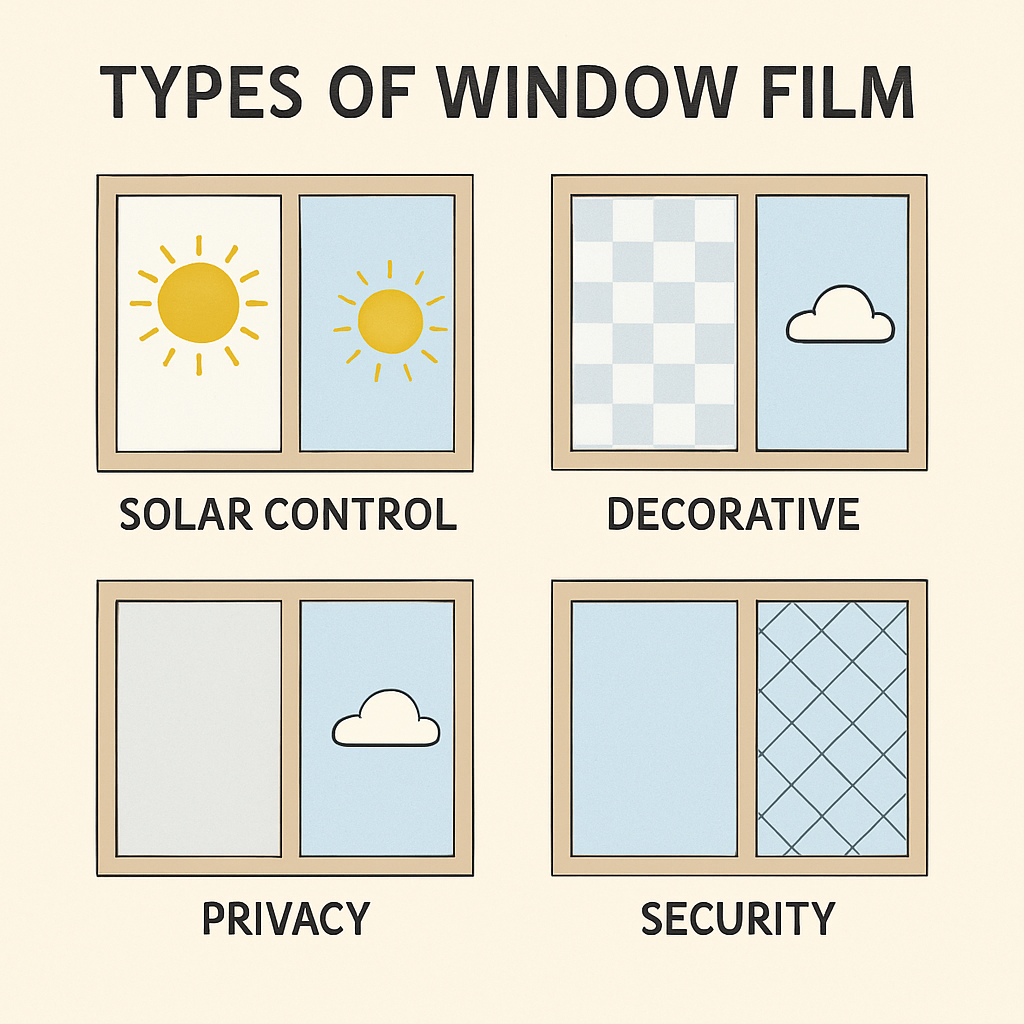
Not all window films are the same. Solar control films, decorative films, and security films serve different roles.
Glass type matters. Building orientation matters. Local weather matters.
Toronto buildings vary a lot. That is why proper evaluation matters before installation.
For a quick breakdown of types of window films and what each category is best at, compare solar, decorative, and security options side-by-side.
Considering Window Films in Toronto?
If window films seem like the right solution for your home or business, talk to a local installer familiar with Toronto building types and condo regulations.
Ask about heat rejection. Ask about UV protection. Ask about film thickness and warranty.
When window films are selected properly and installed right, spaces feel more comfortable. Glare drops. Fading slows. Security improves. Small upgrade. Big impact.
When it comes to improving your business environment, the benefits of commercial window tinting cannot be overstated. This often-overlooked solution is not just about aesthetics; it’s a practical choice for energy efficiency, privacy, and even enhancing your workplace’s overall atmosphere.
In this article, we’ll delve into the advantages of commercial window tinting and explore how it can be a transformative addition to your business space.
Commercial window tinting is more than just a decorative feature. It offers numerous functional benefits that can significantly impact your business operations.
Energy Efficiency and Cost Savings
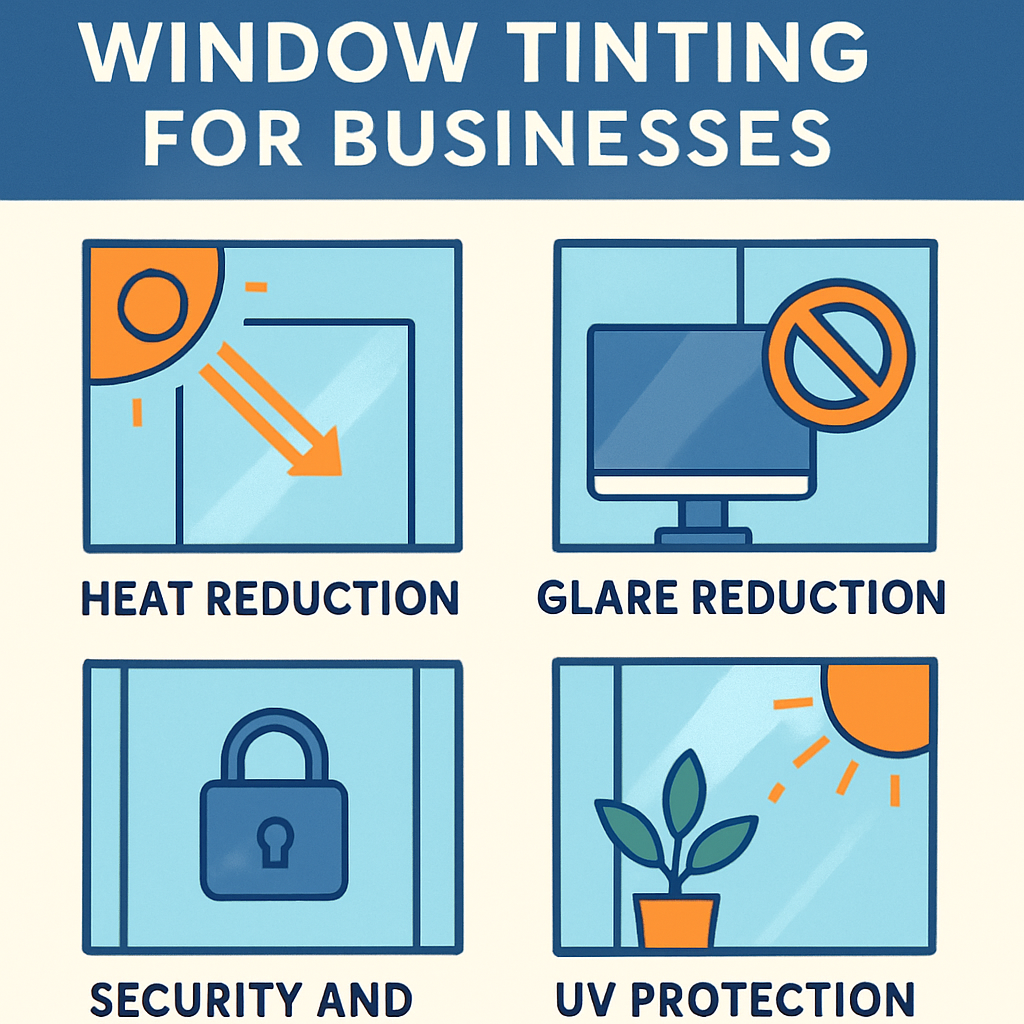
One of the most compelling reasons to invest in commercial window tinting is its potential to reduce energy costs. Tinted windows can block up to 80% of solar heat, which means your air conditioning system doesn’t have to work as hard to keep your space cool. According to the U.S. Department of Energy, window treatments that control heat gain can significantly reduce cooling costs. This can lead to substantial savings on your energy bills, especially during the hot summer months.
Additionally, window tinting can help retain heat during colder seasons, reducing the need for heating. This dual benefit means window tinting contributes to year-round energy efficiency.
Enhanced Privacy and Security
Privacy is a critical consideration for many businesses. Whether you’re discussing sensitive information or simply want to create a more private environment for employees and clients, privacy window film can be an excellent solution.
Window tinting can also enhance security. It can make it more difficult for potential intruders to see inside your building, which can deter break-ins. Furthermore, some films are designed to hold glass together in the event of a breakage, providing an added layer of protection. The Environmental Protection Agency (EPA) also highlights the importance of building improvements that support safer and healthier indoor environments.
Improved Comfort and Employee Productivity
A comfortable work environment is key to employee satisfaction and productivity. Glare from the sun can cause discomfort and affect work efficiency, especially for those working on computers. Window tinting reduces glare, allowing for a more comfortable work environment.
Moreover, by maintaining a consistent indoor temperature, window tinting can help create a more pleasant atmosphere, which can lead to happier, more productive employees.
Protecting Interiors from UV Damage
Ultraviolet (UV) rays can cause significant damage to your furnishings, flooring, and artwork over time. By blocking up to 99% of harmful UV rays, window tinting helps protect your interiors from fading and deterioration, preserving the investment you’ve made in your business’s appearance.
Every business is unique, and so are its window tinting needs. Here’s how you can tailor window tinting solutions to fit your specific requirements.
Assessing Your Needs
The first step in choosing the right window tinting solution is to assess your needs. Consider factors such as the amount of direct sunlight your building receives, your privacy concerns, and your aesthetic preferences. A professional window tinting service can help you evaluate these factors and recommend the best products for your space.
Choosing the Right Tint
There are various types of window films available, each designed to serve different purposes. For example, reflective films are excellent for privacy and heat reduction, while decorative films can enhance the aesthetic appeal of your space. Solar control films are perfect for energy efficiency, while security films are ideal for added protection.
Professional Installation Matters
For optimal results, professional installation is crucial. Experienced installers will ensure that the film is applied smoothly and without bubbles or creases. They can also provide valuable advice on maintenance and care to extend the life of your window tinting.
The Role of Window Tinting in Interior Design
Interior designers can also benefit greatly from incorporating window tinting into their projects. Here’s how:
Aesthetic Enhancement
Window tinting can complement and enhance the interior design of a business space. With a variety of colors and patterns available, tinting can add a stylish touch to windows, aligning with the overall design theme.
Eco-Friendly Choice
In today’s environmentally conscious world, more clients are seeking eco-friendly solutions. Window tinting not only improves energy efficiency but also contributes to a business’s sustainability efforts. By reducing energy consumption, window tinting helps lower a business’s carbon footprint.
Flexibility and Innovation
Window tinting offers interior designers flexibility and innovation. The ability to control light and privacy without sacrificing style is a significant advantage. Additionally, new technologies in window films are constantly being developed, offering even more creative possibilities.
Conclusion: Embrace the Benefits of Window Tinting
In conclusion, commercial window tinting is a smart investment for any business seeking to improve its environment. From energy efficiency and cost savings to enhanced privacy and security, the benefits are numerous. By working with a professional window tinting service, you can ensure that your business gets the most out of this versatile solution.
Whether you’re an interior designer looking to integrate window tinting into your projects or a business owner considering a cost-effective way to enhance your space, the advantages of window tinting are clear. Embrace this innovative solution and see how it can transform your business environment.
In recent years, residential window tinting has gained popularity as a savvy home improvement solution. Homeowners and interior designers alike are discovering the multifaceted benefits of this simple yet effective upgrade. Whether you’re looking to improve energy efficiency, enhance privacy, or add a touch of style to your living space, residential window tinting offers real results.
Understanding Residential Window Tinting
Residential window tinting involves applying a thin, transparent film to the interior side of a window. This film can be made from a variety of materials, including polyester or metalized coatings, depending on the desired effect. These films are engineered to reduce glare, block harmful UV rays, and control heat transfer, making them a versatile choice for any home.
The Benefits of Home Window Tint
Energy Efficiency: One of the primary benefits of residential window tinting is its ability to improve a home’s energy efficiency. By reducing the amount of heat that enters through windows, tinting helps maintain a consistent indoor temperature, thereby reducing the need for air conditioning and lowering energy bills.
UV Protection: Over time, exposure to UV rays can cause furniture, flooring, and artwork to fade. Residential window tinting blocks up to 99% of harmful UV rays, protecting your interior investments.
Privacy and Security: Tinted windows offer enhanced privacy by limiting the view into your home from outside. This is especially beneficial for homes located in busy neighborhoods or near street level.
Aesthetic Appeal: With a range of shades and decorative options available, window tinting can complement any home’s decor. Decorative window films can even mimic the appearance of etched glass, adding a touch of elegance at a fraction of the cost.
Choosing the Right Tint for Your Home
When selecting window tint for your home, it’s important to consider both function and style. The right tint can enhance your home’s aesthetic while providing practical benefits.
Types of Window Tint
Solar Control Film: Designed primarily for heat and glare reduction, solar control films are ideal for homes in sunny climates.
Security Film: These thicker films provide an additional layer of protection against break-ins and severe weather conditions.
Decorative Film: Available in a variety of patterns and colors, decorative films add a unique touch to any space without compromising on privacy.
Factors to Consider
Climate: Depending on your location, you may prioritize heat reduction over glare control, or vice versa.
Window Orientation: South-facing windows typically receive more sunlight, which may require a higher level of UV protection.
Aesthetic Preferences: Consider how different films will complement your existing decor and the overall style of your home.
Installation Process
Installing window tint is a precise process that requires professional expertise to ensure a flawless finish. Here’s what you can expect during a typical installation:
Consultation and Assessment: A professional installer will evaluate your windows and discuss your specific needs and goals.
Film Selection: Based on your preferences and requirements, the installer will recommend suitable film options.
Preparation: The windows are thoroughly cleaned to remove any dirt or debris that could affect adhesion.
Application: The film is carefully applied to the interior side of the windows, using special tools to eliminate air bubbles and ensure a smooth finish.
Final Inspection: Once the film is applied, the installer will conduct a final inspection to ensure quality and satisfaction.
Many homeowners and interior designers have experienced transformative results with residential window tinting. Here are a few examples:
Case Study 1: A Modern Oasis
An interior designer was tasked with creating a modern, energy-efficient oasis for a client in a sunny region. By installing solar control window film, they were able to significantly reduce heat gain, resulting in a cooler, more comfortable living environment. The client also reported a noticeable decrease in energy bills.
Case Study 2: Privacy with Style
A homeowner sought to enhance privacy without sacrificing style in their urban apartment. With the installation of decorative window film featuring a frosted glass design, they achieved the desired level of privacy while adding a chic aesthetic to their living space.
Case Study 3: Protecting Valuables
Concerned about sun damage to valuable artworks and furnishings, a homeowner opted for UV-blocking window film. This decision not only preserved the vibrancy of their interior decor but also provided peace of mind knowing their investments were protected.
Conclusion
Residential window tinting is more than just a home improvement trend; it’s a practical solution that delivers real results. From energy savings and UV protection to enhanced privacy and aesthetic appeal, window tinting offers a range of benefits that can transform your living space. Whether you’re a homeowner looking to improve comfort or an interior designer seeking cost-effective solutions for clients, residential window tinting is a worthwhile investment.
By understanding the available options and working with a professional installer, you can tailor window tinting to meet your unique needs and preferences, achieving a harmonious balance between form and function. Embrace the potential of residential window tinting and experience the difference it can make in your home.
In the realm of home improvement, window films have emerged as a versatile and practical solution for enhancing privacy, security, and energy efficiency. As homeowners and businesses alike seek ways to improve their environments, window films have become increasingly popular due to their multifaceted benefits. Among these, one way window films stand out for their unique ability to offer privacy without sacrificing natural light. This article explores the benefits of one way window film, shedding light on how it can transform your living space into a more secure, private, and energy-efficient environment.
One way window film, also known as reflective window film, is a thin layer applied to glass surfaces. It is engineered to allow you to enjoy unobstructed views of the outside world while preventing outsiders from seeing in during daylight hours. The film achieves this by reflecting light, creating a mirrored effect on the outside. This characteristic makes it an appealing choice for many who seek both functionality and aesthetic enhancement for their windows.
The technology behind one way window film is both innovative and effective. It utilizes a combination of materials that adjust to the light conditions, maintaining a balance between visibility and privacy. This adaptability is particularly beneficial in urban settings where privacy is often compromised. By harnessing the reflective properties of these films, homeowners can create a sanctuary of privacy without the need for heavy curtains or blinds.
How Does It Work?
The reflective properties of one way window film work by balancing the light on either side of the glass. During the day, when it’s brighter outside than inside, the film reflects the external light, making the window appear like a mirror from the outside. This provides privacy while allowing those inside to enjoy an unobstructed view of the outdoors. The science behind it is rooted in the principles of light reflection and transmission, which are carefully calibrated during the manufacturing process.
At night, the dynamics change slightly. As the interior light becomes more prominent, the film’s reflective capabilities diminish, and additional privacy measures like curtains may be needed. This interplay of light and reflection is what makes one way window film a sophisticated solution for modern living. It’s a balance of technology and design that caters to both practical and aesthetic needs, adapting to different environmental conditions while maintaining its core functions.
Key Benefits of One Way Window Film
Let’s delve into some of the significant advantages that make one way window film a valuable addition to any home. These benefits are not just limited to residential settings but extend to commercial and vehicular applications, making them a versatile choice for a wide range of uses.
Enhanced Privacy
One of the most appreciated benefits of one way window film is the privacy it provides. This is particularly beneficial for homes in busy neighborhoods or those with large, street-facing windows. By installing this film, homeowners can enjoy their view without worrying about prying eyes. The film acts as a protective barrier that deters unwanted attention while allowing for an open, airy feel inside your space.
Privacy is a growing concern in today’s interconnected world, where personal space is often at a premium. One way window films offer a simple yet effective solution to this issue, allowing individuals to retreat into their private world without sacrificing the benefits of natural light. This privacy is crucial for maintaining a sense of security and comfort in one’s home, promoting peace of mind and well-being.
Improved Security
Security is a top priority for any homeowner. One way window film adds an extra layer of security to your windows. It holds the glass together if it shatters, reducing the risk of injury from flying shards and deterring potential intruders who may be discouraged by the added time and effort needed to break through. This feature is particularly beneficial in areas prone to natural disasters or in urban environments where crime rates may be higher.
Moreover, the presence of a reflective surface can serve as a visual deterrent to potential intruders. The mirrored effect creates uncertainty about what lies beyond the glass, adding an additional psychological barrier. This added security measure can be a significant factor for families and businesses looking to safeguard their premises against potential threats, enhancing overall safety and security.
Energy Efficiency
In addition to privacy and security, one way window film can significantly enhance the energy efficiency of your home. It reduces heat gain by reflecting sunlight, which can help lower cooling costs in the summer. In the winter, the film acts as an insulator, helping to keep warmth inside. This dual functionality makes it an excellent year-round solution for maintaining a comfortable indoor climate.
By reducing the need for artificial heating and cooling, one way window films contribute to lower energy bills and a reduced carbon footprint. This environmental benefit is increasingly important in today’s eco-conscious society, where sustainable living is becoming a priority. Investing in window films not only benefits your wallet but also plays a part in preserving the planet for future generations.
Protection from UV Rays
Prolonged exposure to ultraviolet (UV) rays can cause fading of furniture, carpets, and artwork. One way window film blocks up to 99% of harmful UV rays, protecting your interior furnishings and preserving their vibrant colors for longer. This preservation extends the life of your belongings, saving you money on replacements and maintaining the aesthetic appeal of your home.
Beyond protecting your belongings, reducing UV exposure also has health benefits. While windows allow natural light to flood your space, they can also be a source of harmful UV radiation. By filtering these rays, one way window films help protect your skin and eyes from potential damage, contributing to a healthier living environment.
Aesthetic Appeal
One way window films come in various designs and colors, allowing you to choose an option that complements your home’s decor. Whether you prefer a sleek, modern look or something more traditional, there’s a film to suit your style. This versatility means you don’t have to compromise on aesthetics to enjoy the functional benefits of window films.
In addition to offering privacy and energy efficiency, the right window film can enhance the overall design of your space. The reflective qualities can add a touch of sophistication and modernity, while decorative options can add a unique flair. This ability to marry functionality with design makes one way window films a popular choice for those looking to elevate the look and feel of their space.
Installation and Maintenance
Installing one way window film is a straightforward process, but it requires precision to ensure optimal performance. It’s advisable to hire a professional installer to achieve the best results. Once installed, maintenance is simple. The film can be cleaned with standard glass cleaners and a soft cloth to maintain its appearance and functionality. Proper installation and care ensure that the film continues to perform effectively over time.
DIY vs. Professional Installation
While DIY installation kits are available, professional installation guarantees a flawless finish and long-lasting performance. Professionals have the expertise to address any unique challenges your windows may present, ensuring the film adheres correctly and performs as intended. They can also provide valuable advice on the best type of film for your specific needs, ensuring you get the most out of your investment.
Attempting a DIY installation can be tempting for those looking to save on costs, but it often results in bubbles or misalignment that can compromise the film’s effectiveness. Professional installers have the tools and experience to avoid these pitfalls, ensuring that your window film looks great and functions perfectly. Investing in professional installation is often worth the peace of mind and long-term satisfaction it provides.
One way window films are versatile and suitable for various applications beyond residential homes. They are commonly used in office buildings, retail spaces, and even vehicles. Anywhere privacy, security, and energy efficiency are desired, one way window films can be a practical solution. Their adaptability to different environments makes them an attractive option for a wide range of applications.
In Commercial Spaces
For businesses, one way window films can offer the same benefits as they do for homes. They provide privacy for sensitive meetings, reduce glare on computer screens, and enhance the aesthetic of the workplace. This can lead to increased productivity and a more pleasant working environment for employees. In customer-facing areas, window films can also create a professional and polished look that enhances the overall brand image.
Moreover, in environments where client confidentiality is crucial, such as law firms or healthcare facilities, the added privacy that window films provide can be invaluable. By ensuring that sensitive information remains secure, businesses can uphold their reputation and trustworthiness. Window films can also contribute to energy savings, reducing operational costs and promoting sustainability in the workplace.
In Vehicles
In vehicles, one way window films provide privacy and reduce glare, making driving more comfortable. They also help keep the interior cooler, reducing the strain on air conditioning systems. This not only enhances the driving experience but also contributes to fuel efficiency by minimizing the need for excessive air conditioning use.
For vehicles used in professional capacities, such as delivery or service vehicles, window films can protect the contents from prying eyes, reducing the risk of theft. Additionally, by blocking harmful UV rays, these films protect the vehicle’s interior from fading and cracking, extending the life of the upholstery and dashboard. This combination of benefits makes one way window films a practical and cost-effective choice for vehicle owners.
Choosing the Right Film
When selecting a one way window film, consider factors such as the level of privacy you desire, the film’s color and design, and its UV protection capabilities. Working with a knowledgeable supplier can help you find the best film to meet your specific needs. The right film can enhance your space while providing the functional benefits you seek.
Tips for Selection
Evaluate Privacy Needs: Determine how much privacy you need during the day versus at night. Remember, one way films provide privacy only when it is brighter outside than inside. Consider your typical lighting conditions and choose a film that aligns with your privacy preferences.
Consider Aesthetics: Choose a film that complements your home’s decor. Some films offer decorative patterns for added style. Take into account the existing color scheme and design elements of your space to ensure a harmonious look.
Check UV Protection: Ensure the film offers adequate UV protection to safeguard your interiors. Look for films that block a high percentage of UV rays to maximize protection for your furnishings and reduce potential health risks.
Conclusion
One way window films offer a host of benefits that make them a worthwhile investment for any property. From enhancing privacy and security to improving energy efficiency and protecting against UV rays, these films deliver on multiple fronts. By choosing the right film and ensuring proper installation, you can enjoy a more comfortable, secure, and aesthetically pleasing living environment.
Whether you’re an interior designer seeking cost-effective solutions for your clients or a homeowner looking to enhance your space, one way window film offers a proven path to achieving your goals. Embrace this innovative solution today and experience the transformation in your home or office. As more people become aware of the advantages of window films, their popularity will likely continue to grow, making them a staple in modern design and architecture.
Residential window tinting is an increasingly popular choice among homeowners looking to enhance the comfort and aesthetics of their living spaces. But what exactly is window tinting, and why are so many people turning to it? In this article, we delve into expert insights on residential window tinting, uncovering its benefits and why it might just be the perfect solution for your home improvement needs.
Residential window tinting involves applying a thin film to the interior side of your home’s windows. This film can serve several purposes, from reducing glare and blocking harmful UV rays to enhancing privacy and improving energy efficiency. It’s a versatile solution that can cater to various needs, making it an appealing option for many homeowners.
The Benefits of Home Window Tint
Industry experts agree that residential window tinting offers numerous advantages. Here are some key benefits:
Enhanced Privacy
Privacy is a significant concern for many homeowners, and privacy window film can be an effective solution. By tinting your windows, you can prevent outsiders from peering into your home without sacrificing natural light. This is especially beneficial for homes situated in densely populated areas or close to busy streets.
Improved Energy Efficiency
One of the most compelling reasons to consider window tinting is its potential to improve your home’s energy efficiency. Tinted windows can help regulate indoor temperatures by blocking excessive heat from the sun during the summer and retaining warmth during the winter. This results in reduced reliance on heating and cooling systems, leading to lower energy bills. According to the U.S. Department of Energy, energy-efficient window coverings can significantly reduce heat gain and loss in homes.
Protection Against UV Rays
Harmful UV rays can cause furniture, carpets, and artwork to fade over time. Window tinting provides a protective barrier, blocking up to 99% of UV rays and thus preserving the color and quality of your interiors. This UV protection also extends to your skin, reducing the risk of sun-related health issues. The Skin Cancer Foundation notes that prolonged UV exposure can damage skin and increase cancer risk.
Glare Reduction
Excessive glare from the sun can be a nuisance, particularly in rooms with large windows. Tinted windows help minimize glare, providing a more comfortable viewing experience for activities like watching TV or working on a computer.
Enhanced Aesthetics
Beyond functional benefits, residential window tinting can also enhance the aesthetic appeal of your home. With various tint shades and designs available, you can choose a style that complements your home’s architecture and interior design.
Expert Opinions on Residential Window Tinting
To provide a well-rounded view, we reached out to industry experts for their insights on residential window tinting.
Aesthetics and Design
According to interior designers, window tinting is an excellent way to add a modern touch to any home. “Tinted windows offer a sleek, polished look that can elevate the overall design of a space,” says Jane Thompson, a renowned interior designer. “They can seamlessly integrate with various design elements, making them a versatile choice for any home.”
Energy Efficiency and Cost Savings
Energy experts highlight the cost-saving benefits of window tinting. “Investing in quality window film can significantly reduce your energy consumption,” explains Mark Lee, an energy efficiency consultant. “The initial cost of installation is often offset by the savings on your energy bills in the long run.”
Health and Safety
Health professionals emphasize the importance of UV protection. “Prolonged exposure to UV rays can have harmful effects on your skin and eyes,” warns Dr. Emily Collins, a dermatologist. “Window tinting acts as a shield, reducing your exposure to these harmful rays while indoors.”
With a variety of window films available, selecting the right one for your home can be overwhelming. Here are some factors to consider:
Purpose and Functionality
Determine your primary goal for window tinting. Are you looking for privacy, energy efficiency, UV protection, or a combination of these? Understanding your needs will help you choose the right film.
Tint Level
Window films come in different tint levels, from light to dark. Consider the amount of natural light you want to retain and the level of privacy you desire when selecting the tint shade.
Quality and Brand
Invest in high-quality window film from reputable brands. Quality films offer better performance, durability, and warranty options.
Professional Installation
For optimal results, it’s advisable to have your window film professionally installed. Professionals have the expertise and tools to ensure a flawless application, avoiding common issues like bubbles or peeling.
Maintaining Your Tinted Windows
To keep your tinted windows looking their best, regular maintenance is essential. Here are some tips:
Cleaning: Use a soft cloth and a mild cleaning solution to clean your tinted windows. Avoid abrasive cleaners or tools that could scratch the film.
Inspection: Periodically inspect the film for any signs of damage or wear. Addressing issues early can prevent further damage and prolong the lifespan of the film.
Professional Check-Up: Consider scheduling regular check-ups with a professional installer to ensure your tint remains in excellent condition.
Conclusion
Residential window tinting offers a myriad of benefits, from enhancing privacy and aesthetics to improving energy efficiency and UV protection. With insights from industry experts, it’s clear that window tinting is a valuable investment for any homeowner looking to elevate their living space.
If you’re considering window tinting for your home, take the time to explore your options and consult with professionals to ensure you choose the best solution for your needs. With the right window film, you can enjoy a more comfortable, stylish, and energy-efficient home.