Categories
Window Films and Window Tints

Using Window Films for Better Winter Thermal Comfort

As winter approaches, ensuring your home is warm and comfortable becomes a priority. The chill of the season can seep into your living spaces, making it essential to find effective solutions to maintain warmth. An often-overlooked solution for improving thermal comfort during the cold months is the use of window films. These innovative films offer a range of benefits, from enhancing energy efficiency to adding a touch of style to your home. In this article, we will explore how window films can provide better thermal comfort during winter and why they should be a part of your home improvement strategy. By addressing energy efficiency, aesthetics, and functionality, window films emerge as a versatile and practical option for homeowners.

Decorative window films

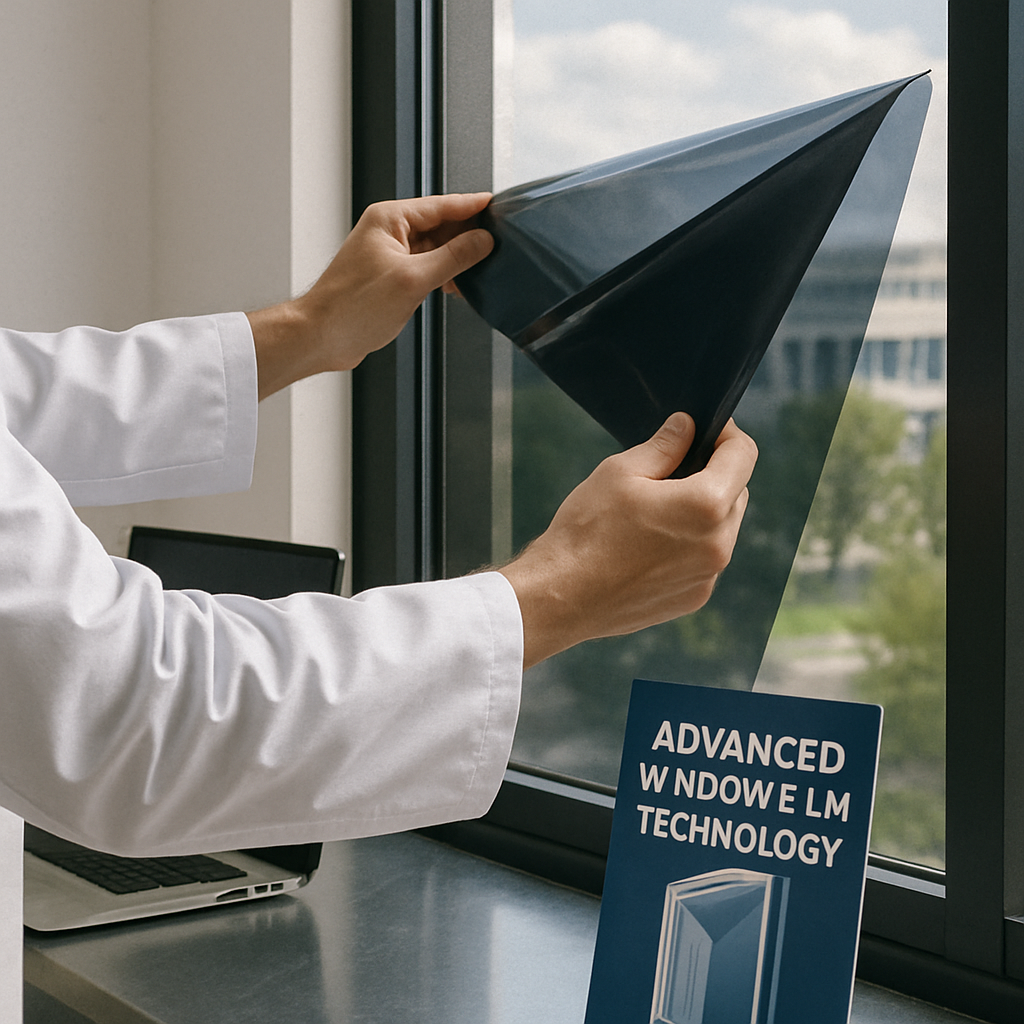
Window films are thin layers of polyester or other materials applied to the inside of your windows. They serve as an additional barrier against the elements, providing a means to regulate indoor temperatures more effectively. They are available in various types, including solar control films, which are particularly effective in managing heat and light transmission. These films are designed to improve the insulation of your windows, thus enhancing your home’s thermal comfort. They work by reflecting a portion of the heat back into the room, which is especially beneficial in winter when heat retention is crucial.

The Benefits of Window Films

Using window films comes with numerous advantages, particularly in enhancing thermal comfort. Here are some key benefits:

  • Energy Efficiency: Window films help in reducing heat loss through windows, which is crucial during the winter. This results in lower energy consumption and reduced heating bills. By maintaining a more stable indoor temperature, your heating system doesn’t have to work as hard, leading to significant savings over time.
  • Improved Comfort: By minimizing cold drafts and maintaining a more consistent indoor temperature, window films contribute to a more comfortable living environment. They create a buffer against the cold, ensuring that the warmth generated inside stays inside. This consistency in temperature can make your home feel more inviting and cozy.
  • UV Protection: Many window films block harmful UV rays, protecting your furniture and interiors from fading. This protection extends the lifespan of your home furnishings and reduces the need for frequent replacements or repairs. Additionally, UV protection can contribute to the health of your skin by reducing your exposure to harmful rays.
  • Aesthetic Appeal: With a variety of designs and finishes, window films can enhance the aesthetics of your home without compromising on functionality. Whether you prefer a minimalist look or something more decorative, there are options to suit every style. Films can add a layer of sophistication, transforming ordinary windows into eye-catching features.

How Window Films Enhance Thermal Comfort

Energy-efficient window films

Insulation and Heat Retention

One of the primary functions of window films is to act as an additional layer of insulation on your windows. This extra layer helps in reducing heat transfer through the glass, keeping the warmth inside your home during cold months. By preventing heat loss, window films allow your heating system to work more efficiently, keeping your home cozy and comfortable. The films work similarly to double-glazing, providing an extra barrier that helps trap heat inside. This can be particularly beneficial in older homes where window insulation might be lacking.

Reduction of Cold Spots and Drafts

Window films help reduce cold spots near windows by minimizing heat loss. This results in fewer drafts and a more uniform temperature throughout your living space. By eliminating these cold spots, you can enjoy a more consistent and pleasant indoor environment. Cold drafts can often lead to discomfort, requiring you to use more heating to compensate. With window films, these drafts are significantly reduced, creating a stable and warm atmosphere in your home. The films also help in improving the overall air quality, as fewer drafts can mean less dust and allergens circulating around your home.

Enhanced Light Control

Solar control films are designed to manage the amount of sunlight entering your home. During winter, they can help you maximize natural light while reducing glare and preventing heat loss. This balance ensures that your home remains bright and inviting without compromising on warmth. By controlling the amount of light that enters, you can also protect your interiors from the harshness of direct sunlight, which can cause fading and damage over time. The films allow you to enjoy the benefits of natural light without the accompanying drawbacks, creating a warm and welcoming environment even on the coldest days.

Choosing the Right Window Film

Selecting the right window film for your home involves considering several factors, including climate, window orientation, and personal preferences. Here are some tips to help you make an informed choice:

Assess Your Needs

Determine your primary goal for using window films. Is it to improve thermal comfort, enhance privacy, or protect against UV rays? Understanding your needs will guide you in selecting the most suitable film. Different films offer different benefits, so knowing what you want to achieve can help narrow down your options. Consider whether you prioritize energy savings, aesthetic improvements, or a combination of both. This assessment will ensure that you invest in a product that meets your specific requirements.

Consider the Climate

In colder climates, opt for films that offer superior insulation and heat retention properties. These films are designed to minimize heat loss and improve energy efficiency, making them ideal for winter thermal comfort. For those living in milder climates, a balance between heat retention and UV protection might be more appropriate. The climate you live in will significantly affect the performance of your window films, so choose accordingly to maximize benefits.

Evaluate the Aesthetics

Window films come in various designs and finishes. Choose a film that complements your interior décor and enhances the overall aesthetic appeal of your home. Whether you prefer a frosted look for added privacy or a clear film that maintains your view, there are options available to suit every taste. The right film can elevate the style of your home, adding a modern touch or preserving a classic look depending on your preference.

Installation and Maintenance

Professional window film installation

by Blake Harbison (https://unsplash.com/@blake_harbison)

Professional Installation

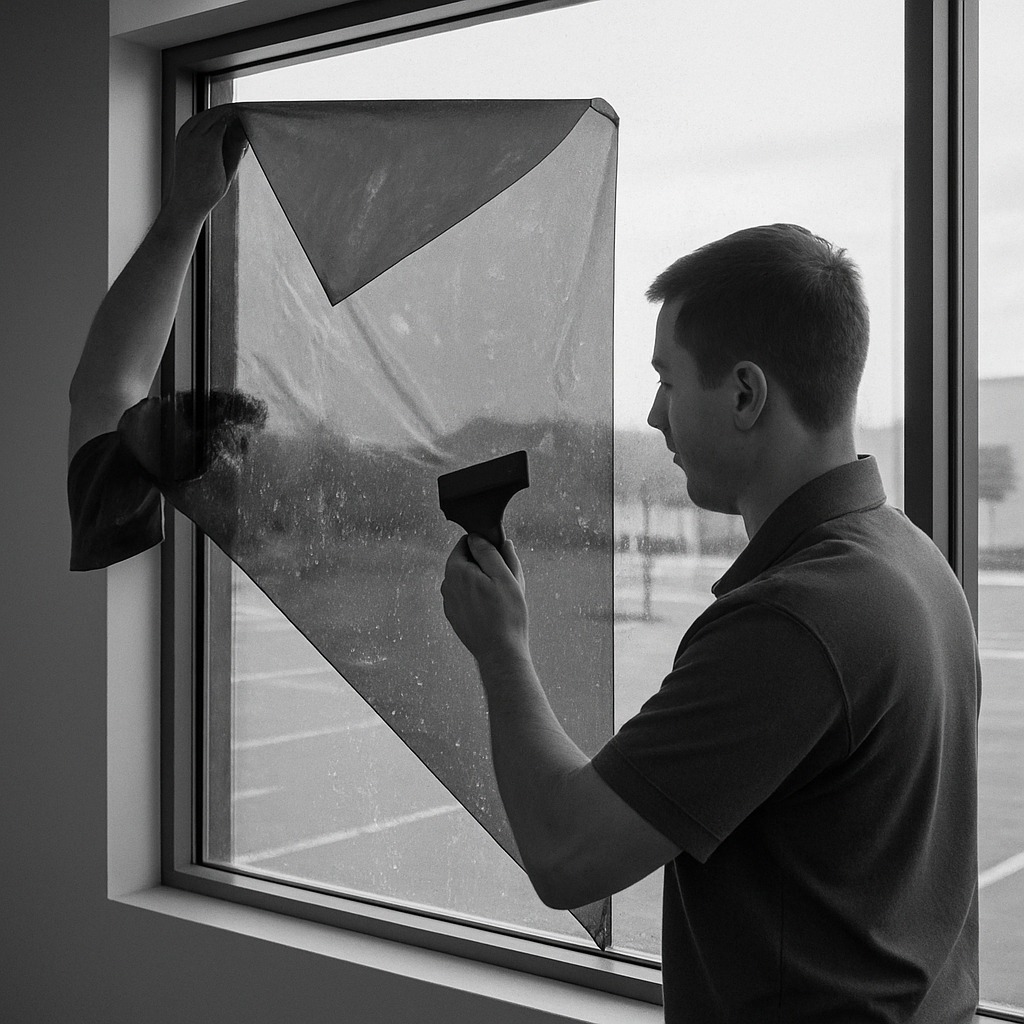
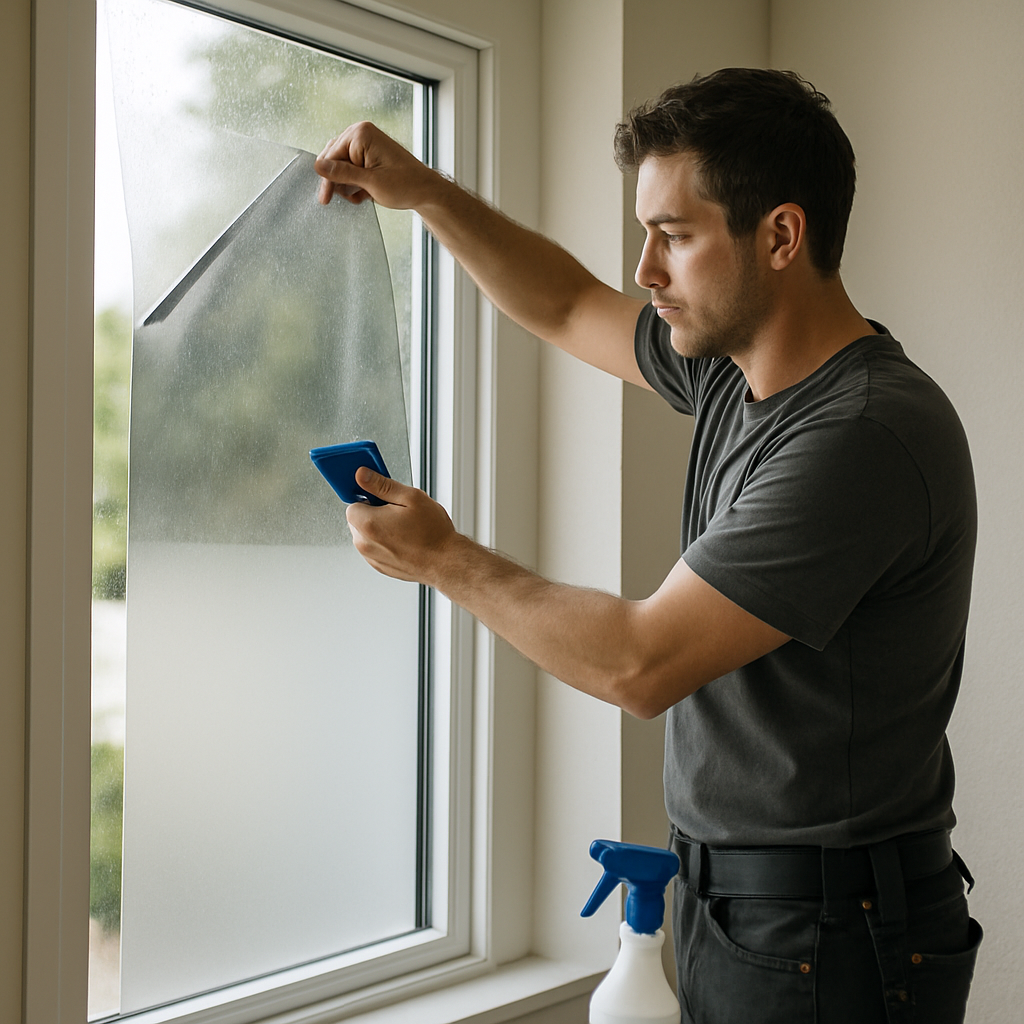
While some homeowners may choose to install window films themselves, professional installation is recommended for optimal results. Professionals have the expertise and tools to ensure a seamless application, reducing the risk of bubbles and imperfections. A professional installation guarantees that the film adheres properly, providing maximum efficiency and longevity. By investing in professional services, you can ensure that your window films perform as expected and deliver the benefits you are looking for.

Easy Maintenance

Window films are relatively low maintenance. Regular cleaning with mild soap and water will keep them looking pristine. Avoid using abrasive cleaners or tools that could damage the film. This simple maintenance routine ensures that your films remain effective and aesthetically pleasing for years to come. By taking care of your window films, you can enjoy their benefits without the hassle of frequent upkeep.

Real-World Applications and Success Stories

Many homeowners and interior designers have successfully incorporated window films into their projects, reaping the benefits of improved thermal comfort and energy efficiency.

Case Study: A Stylish and Energy-Efficient Home

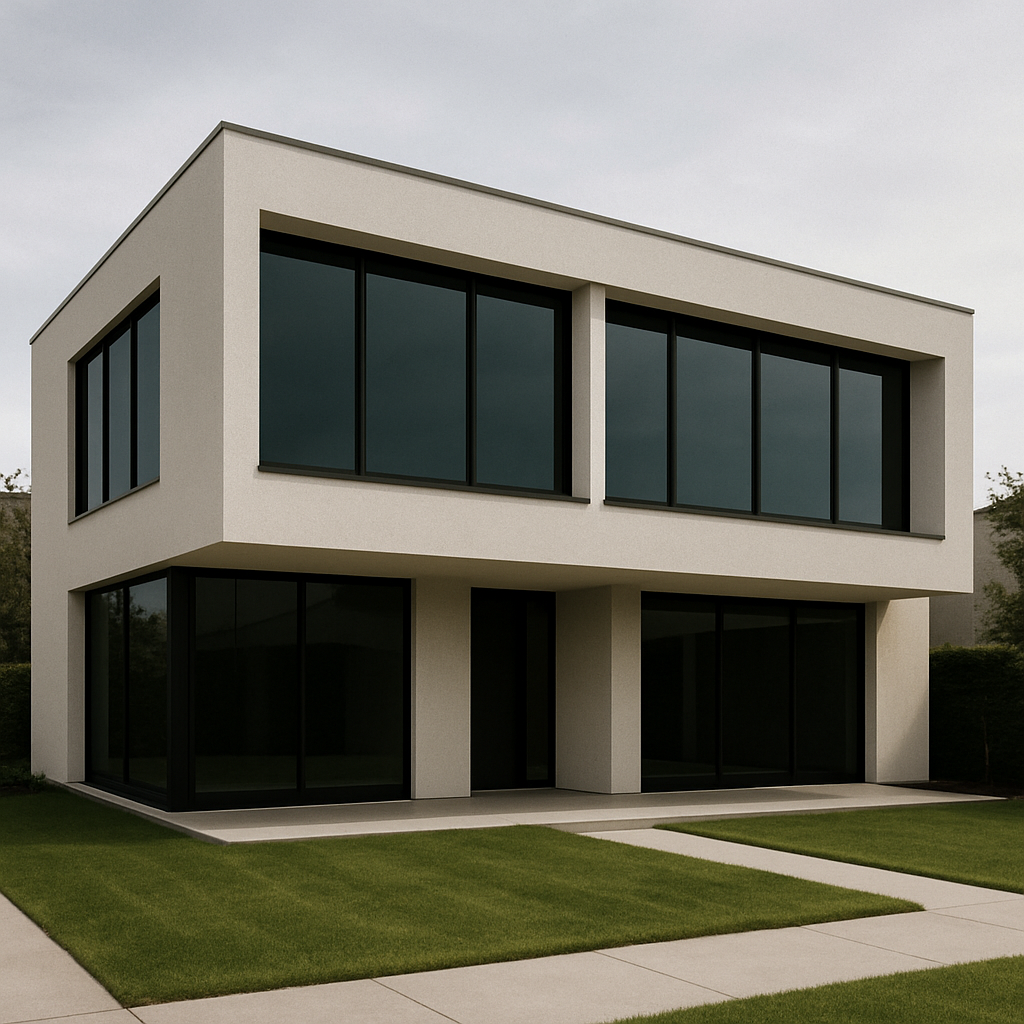
An interior designer working on a modern home renovation sought to enhance energy efficiency while maintaining a sleek, minimalist aesthetic. By choosing a high-performance solar control film, the designer achieved a balance of style and functionality. The film reduced heat loss during winter, lowered energy bills, and added a sophisticated touch to the home’s large glass windows. This case highlights how window films can be an integral part of both form and function, providing practical benefits while enhancing visual appeal.

Feedback from Satisfied Homeowners

Homeowners who have invested in window films often report noticeable improvements in comfort and energy savings. Many appreciate the added privacy and UV protection, alongside the aesthetic enhancement films bring to their living spaces. Testimonials from users underline the versatility and effectiveness of window films, with many reporting a significant reduction in heating costs and an overall improvement in the comfort level of their homes. This feedback reinforces the idea that window films are a worthwhile investment for anyone looking to upgrade their home environment.

Conclusion

Window films offer a practical and stylish solution for enhancing winter thermal comfort in your home. By improving insulation, reducing drafts, and maximizing natural light, these films contribute to a warmer, more energy-efficient living environment. Whether you’re an interior designer looking for eco-friendly solutions or a homeowner seeking to reduce energy bills, window films are a valuable addition to your home improvement toolkit. The benefits extend beyond just comfort and cost savings, offering aesthetic enhancements and protective features.

Investing in window films not only enhances your home’s comfort but also adds value and aesthetic appeal. Consider incorporating window films into your winter preparation strategy and experience the difference they can make in your living space. As the cold months approach, ensure that your home remains a sanctuary of warmth and style by choosing the right window films for your needs. By doing so, you will enjoy a more comfortable and visually pleasing environment, making winter a season to enjoy rather than endure.

Categories
Window Films and Window Tints

How Effective Are Window Films for Home Security

# How Effective Are Window Films for Home Security

When it comes to home security, many homeowners focus on door locks, alarm systems, and surveillance cameras. However, windows are also a critical component of a home’s security. One innovative solution gaining popularity is the use of window films. But how effective are window films for home security? In this article, we explore their benefits, how they work, and what to consider when choosing the right security window tint for your home. If you’re new to the topic, this Introduction to window films can help you better understand the fundamentals.

Window film installation process

Window films are thin layers of polyester or similar materials applied to the glass surfaces of windows. They come in various styles and thicknesses, each serving a different purpose—from UV protection to privacy enhancement and, importantly, security. According to the U.S. Department of Energy, certain window films can also improve energy performance in residential buildings.

Types of Window Films

There are several types of window films available, each tailored to specific needs. The most common include:

  • Solar Control Films: These films reduce heat and glare, improving energy efficiency.
  • Decorative Films: Ideal for enhancing aesthetic appeal while offering some privacy.
  • Security Films: Specifically designed to hold shattered glass in place, they are thicker and more robust than other types.

Security films are our focus here, as they provide added protection against break-ins and natural disasters. For a deeper look at protecting your home with security window films, explore our detailed guide.

Benefits of Security Window Films

Enhancing Security and Safety

Security window films are designed to hold glass fragments together when the window is broken. This feature is crucial in preventing or delaying forced entry by potential intruders. When a window with security film is struck, the film acts as a barrier, making it much more challenging to penetrate the glass quickly. The Federal Emergency Management Agency (FEMA) also emphasizes the importance of impact-resistant window protection in storm-prone areas.

Intruder attempting to break a window with film

Protecting Against Natural Disasters

Apart from deterring burglars, security window films can protect against natural elements. In areas prone to hurricanes or tornadoes, these films can prevent glass shards from becoming dangerous projectiles, thereby reducing the risk of injury.

UV Protection

While primarily for security, these films also block up to 99% of harmful UV rays. This protects your interiors from fading and damage, extending the life of furnishings and flooring.

Energy Efficiency

Though not their primary function, security films can contribute to energy savings by reflecting heat away from windows, keeping homes cooler in the summer and reducing reliance on air conditioning.

How Security Window Films Work

The Science Behind the Protection

The key to security window films lies in their construction. They are made up of multiple layers of polyester film, which are bonded with special adhesives. This combination gives them the strength to hold shattered glass together, much like a car windshield.

Installation Process

The effectiveness of security window films depends significantly on proper installation. It’s crucial to have them professionally installed to ensure they adhere correctly and provide maximum protection. Incorrect installation can leave vulnerabilities, allowing easy penetration by intruders or wind.

Choosing the Right Security Film

Factors to Consider

When selecting a security window film, consider the following:

  1. Thickness: Security films range from 4 to 15 mils in thickness. Thicker films offer more protection but may also reduce the clarity of the glass.
  2. Tint: Some films come with a tint that can reduce glare and enhance privacy, but it may also affect natural light ingress.
  3. Professional Installation: Ensure that the installation is carried out by professionals to maximize the film’s effectiveness.

Compatibility with Interior Design

For interior designers, it’s important to choose films that complement the home’s aesthetic. Decorative security films are available that provide both safety and style, allowing you to enhance the look of your client’s space while providing added protection.

Case Studies and Real-World Applications

Success Stories

In numerous real-world scenarios, security window films have proven effective. For instance, in hurricane-prone regions, homes equipped with security films have experienced less damage during storms compared to those without.

Similarly, there are accounts of burglars being deterred by the time it takes to break through a window with security film, prompting them to abandon their attempts.

Expert Recommendations

Experts in home security and window film installation recommend regular assessments of your home’s security needs and updating window films as necessary. As technology advances, newer and more effective films become available, offering better protection and efficiency.

Final Thoughts

Home protected by window films

by Peter Steiner 🇨🇭 1973 (https://unsplash.com/@pedrino5_official)

In conclusion, window films are an effective addition to home security measures. They provide a first line of defense against break-ins, offer protection during natural disasters, and contribute to energy efficiency and UV protection. For homeowners and interior designers alike, security window films offer a practical, stylish solution to enhance safety and comfort in any living space.

When considering window films, always opt for professional installation and choose films that align with your security needs and aesthetic preferences. By doing so, you can enjoy peace of mind knowing that your home is well-protected against potential threats.

For more information on selecting and installing security window films, feel free to reach out to a professional window film installer. Their expertise can guide you in making the best choice for your home’s security and design needs.

Categories
Window Films and Window Tints

Debunking Myths About Blackout Window Film

# Debunking Myths About Blackout Window Film

Blackout window film application

In the world of home improvement, blackout window film is gaining popularity for its ability to transform living spaces. However, with rising interest comes a slew of misconceptions. Let’s delve into some common myths about blackout window film and uncover the truth behind this innovative solution.

Myth 1: Blackout Window Film Makes Rooms Too Dark

One prevalent myth is that blackout window film will plunge your room into total darkness, making it feel like a cave. While it’s true that blackout film significantly reduces light, it doesn’t mean your space has to become dreary.

The Reality

Blackout window film is designed to block out a substantial amount of light, offering privacy and reducing glare. However, you have control over how much light enters your room by choosing films with different opacities. For instance, some films allow a softer light to filter through, creating a warm and inviting atmosphere rather than a gloomy one.

For rooms where you desire complete darkness, such as home theaters or bedrooms, full blackout films are ideal. But for living spaces, you can opt for lighter versions that balance privacy with natural light.

Modern living room with blackout film

Myth 2: Blackout Film Damages Windows

A common concern is that applying blackout film can damage windows, leading to costly repairs. This myth has deterred many from exploring the benefits of window films.

The Reality

When installed correctly, blackout window film does not harm your windows. In fact, it can protect them. Professional installation ensures that the film adheres properly without causing bubbles or peeling, which could otherwise lead to damage. According to the U.S. Department of Energy, certain window films can also improve energy performance by reducing heat gain and glare. Additionally, blackout films provide a protective layer that can reduce the risk of window shattering and shield glass from harmful UV rays.

Myth 3: Blackout Film Is Only For Nighttime Privacy

Many believe that blackout film is only useful for maintaining privacy at night, rendering it less effective during the day.

The Reality

One of the standout features of blackout window film is its versatility. It provides round-the-clock privacy by preventing outsiders from peering into your home, regardless of the time of day. This makes it an excellent choice for street-facing windows or homes in densely populated areas where privacy is a concern.

Furthermore, blackout films can enhance energy efficiency by reducing heat gain during sunny days, which can help lower cooling costs. Research from the U.S. Environmental Protection Agency highlights how reducing solar heat gain can significantly improve indoor energy efficiency.

Myth 4: Blackout Film Is Hard to Maintain

There’s a misconception that blackout window film requires special care and is challenging to maintain.

The Reality

Blackout window film is quite durable and easy to maintain. Regular cleaning with a soft cloth and a mild detergent is typically sufficient to keep it looking new. Unlike curtains or blinds, which can collect dust and require frequent laundering, window films offer a low-maintenance alternative that remains pristine with minimal effort.

Myth 5: Blackout Film Is Expensive

Cost is often a significant factor when considering home improvement solutions. Some people assume that the benefits of blackout window film come with a hefty price tag.

The Reality

While there is an upfront cost associated with purchasing and installing blackout window film, it is a cost-effective solution in the long run. By improving energy efficiency, reducing the need for artificial lighting, and protecting furnishings from sun damage, blackout films can lead to considerable savings on energy bills and maintenance costs over time.

Additionally, the enhanced privacy and comfort contribute to a higher quality of living, making it a worthwhile investment for many homeowners.

Benefits of Blackout Window Film

Now that we’ve addressed some common myths, let’s explore the genuine benefits of blackout window film.

Enhanced Privacy

One of the primary reasons homeowners choose blackout window film is for privacy. Whether you live in a bustling city or a quiet suburb, blackout films can provide peace of mind, ensuring that your home remains a private sanctuary.

Improved Energy Efficiency

By blocking out sunlight, blackout window film can help regulate indoor temperatures, reducing the need for air conditioning in the summer. This not only lowers energy bills but also contributes to a greener environment by reducing your carbon footprint.

Protection from UV Rays

Blackout films offer protection from harmful UV rays that can fade furniture, carpets, and artwork. By filtering out these rays, you can extend the life of your home furnishings and maintain their vibrant colors.

Versatile Aesthetic Options

Available in various styles and finishes, blackout window film can complement any interior design. From sleek modern looks to classic elegance, there’s a film to match your aesthetic preferences.

Choosing the Right Blackout Window Film

Window film samples

by Claudio Schwarz (https://unsplash.com/@purzlbaum)

When selecting blackout window film, consider your specific needs and preferences. Factors such as the level of privacy desired, the amount of natural light you want, and your budget will influence your choice.

Professional Installation

To achieve the best results, it’s recommended to have blackout window film installed by professionals. They can ensure that the film adheres smoothly and effectively, maximizing its benefits and longevity.

Conclusion

Blackout window film is a versatile and practical solution for enhancing your home’s privacy, energy efficiency, and aesthetic appeal. By debunking these myths, we hope to provide a clearer understanding of its benefits and encourage you to consider it as a valuable addition to your home improvement toolkit.

Whether you’re an interior designer looking to offer clients innovative solutions or a homeowner seeking to enhance your living space, blackout window film is a smart choice that combines functionality with style.

Categories
Window Films and Window Tints

Case Study on Security Film For Windows

In today’s world, ensuring the safety and privacy of one’s home is paramount. Windows, while essential for light and views, can often be a point of vulnerability. This is where security film for windows comes into play. This case study delves into the benefits and applications of security film, showcasing its effectiveness in enhancing home security, privacy, and even energy efficiency.

security_film_on_windows(Security film applied to home windows)

Security film is a thin, transparent layer applied to glass surfaces. Its primary function is to hold glass shards together in case of breakage, preventing injury and deterring break-ins. But the benefits extend far beyond just security.

  1. Enhanced Security: Security film adds an extra layer of protection, making it more difficult for potential intruders to break through. In the event of an attempted break-in, the film holds the glass together, delaying entry and often deterring criminals.
  2. Improved Privacy: Privacy window film can obscure views from outside without sacrificing natural light. This is particularly beneficial for homes in densely populated areas or those with large windows.
  3. UV Protection: Security films can block up to 99% of harmful ultraviolet rays, protecting furnishings and occupants from sun damage.
  4. Energy Efficiency: By reducing heat transfer, window films can lower energy costs. During summer, they help keep interiors cool, while in winter, they prevent heat from escaping.
  5. Aesthetic Appeal: Available in various tints and finishes, security films can complement interior designs, offering a stylish yet functional window solution.

An interior designer, tasked with upgrading a mid-century home, faced the challenge of enhancing both security and aesthetics without compromising the architectural integrity of the property. The homeowners were particularly concerned about privacy and energy efficiency, given the home’s large, south-facing windows.

The designer recommended a comprehensive application of security film for windows throughout the home. This choice was driven by the film’s dual ability to provide security and enhance the home’s energy efficiency without altering its aesthetic appeal.

home_window_upgrade(Upgrading home windows with security film)

  1. Selection of Film: A clear security film was chosen for the main living areas to maintain unobstructed views. For the bedrooms and bathrooms, a privacy window film with a frosted finish was selected to ensure discretion.
  2. Installation: The installation was carried out by a professional team, ensuring precision and minimizing disruption to the household. The process was completed within a week, thanks to the team’s expertise and the pre-planned schedule.
  3. Post-Installation Assessment: After installation, the homeowners reported an immediate difference in both comfort and security. The temperature regulation was noticeable, and the enhanced privacy was a welcome change.
  • Security Enhancement: The homeowners felt safer knowing their windows were fortified against potential threats. The film’s ability to hold broken glass in place was tested during a severe storm, and it performed exceptionally well, preventing any glass from shattering into the home.
  • Increased Privacy: The frosted films provided the desired privacy without compromising on natural light, a critical factor for the homeowners who valued bright, open spaces.
  • Energy Savings: Utility bills showed a marked decrease in energy consumption, validating the energy efficiency claims of the window films. The reduction in heat gain during summer months was particularly appreciated.
  • Aesthetic Integration: The films blended seamlessly with the home’s mid-century design, maintaining the clean lines and open feel that the homeowners loved.

When selecting security film, consider the following factors:

  1. Purpose: Determine whether the primary need is security, privacy, or both. This will guide the choice between clear and tinted or frosted films.
  2. Quality: High-quality films are more durable and effective. Look for films that meet industry standards and come with a warranty.
  3. Professional Installation: While DIY kits are available, professional installation ensures the best results and longevity of the film.
  4. Compatibility: Ensure the film is suitable for your window type and that it won’t void any existing warranties on your windows.

Security film for windows offers a multifaceted solution to common homeowner concerns. As demonstrated in this case study, it provides significant benefits in terms of security, privacy, energy efficiency, and aesthetics. For interior designers and homeowners alike, security film represents a smart, stylish investment in the safety and comfort of a home.

window_protection(Protection and aesthetic enhancement with window films)

By choosing the right film and ensuring professional installation, you can transform vulnerable glass surfaces into fortified barriers that enhance both the security and the beauty of your living spaces. Embrace the innovative potential of security films, and enjoy the peace of mind that comes with a well-protected home.

Categories
Window Films and Window Tints

Best Ways to Use Residential Window Tinting

# Debunking Myths About Blackout Window Film

Blackout window film application

In the world of home improvement, blackout window film is gaining popularity for its ability to transform living spaces. However, with rising interest comes a slew of misconceptions. Let’s delve into some common myths about blackout window film and uncover the truth behind this innovative solution.

Myth 1: Blackout Window Film Makes Rooms Too Dark

One prevalent myth is that blackout window film will plunge your room into total darkness, making it feel like a cave. While it’s true that blackout film significantly reduces light, it doesn’t mean your space has to become dreary.

The Reality

Blackout window film is designed to block out a substantial amount of light, offering privacy and reducing glare. However, you have control over how much light enters your room by choosing films with different opacities. For instance, some films allow a softer light to filter through, creating a warm and inviting atmosphere rather than a gloomy one.

For rooms where you desire complete darkness, such as home theaters or bedrooms, full blackout films are ideal. But for living spaces, you can opt for lighter versions that balance privacy with natural light.

Modern living room with blackout film

Myth 2: Blackout Film Damages Windows

A common concern is that applying blackout film can damage windows, leading to costly repairs. This myth has deterred many from exploring the benefits of window films.

The Reality

When installed correctly, blackout window film does not harm your windows. In fact, it can protect them. Professional installation ensures that the film adheres properly without causing bubbles or peeling, which could otherwise lead to damage. Additionally, blackout films provide a protective layer that can reduce the risk of window shattering and shield glass from harmful UV rays.

Myth 3: Blackout Film Is Only For Nighttime Privacy

Many believe that blackout film is only useful for maintaining privacy at night, rendering it less effective during the day.

The Reality

One of the standout features of blackout window film is its versatility. It provides round-the-clock privacy by preventing outsiders from peering into your home, regardless of the time of day. This makes it an excellent choice for street-facing windows or homes in densely populated areas where privacy is a concern.

Furthermore, blackout films can enhance energy efficiency by reducing heat gain during sunny days, which can help lower cooling costs.

Myth 4: Blackout Film Is Hard to Maintain

There’s a misconception that blackout window film requires special care and is challenging to maintain.

The Reality

Blackout window film is quite durable and easy to maintain. Regular cleaning with a soft cloth and a mild detergent is typically sufficient to keep it looking new. Unlike curtains or blinds, which can collect dust and require frequent laundering, window films offer a low-maintenance alternative that remains pristine with minimal effort.

Myth 5: Blackout Film Is Expensive

Cost is often a significant factor when considering home improvement solutions. Some people assume that the benefits of blackout window film come with a hefty price tag.

The Reality

While there is an upfront cost associated with purchasing and installing blackout window film, it is a cost-effective solution in the long run. By improving energy efficiency, reducing the need for artificial lighting, and protecting furnishings from sun damage, blackout films can lead to considerable savings on energy bills and maintenance costs over time.

Additionally, the enhanced privacy and comfort contribute to a higher quality of living, making it a worthwhile investment for many homeowners.

Benefits of Blackout Window Film

Now that we’ve addressed some common myths, let’s explore the genuine benefits of blackout window film.

Enhanced Privacy

One of the primary reasons homeowners choose blackout window film is for privacy. Whether you live in a bustling city or a quiet suburb, blackout films can provide peace of mind, ensuring that your home remains a private sanctuary.

Improved Energy Efficiency

By blocking out sunlight, blackout window film can help regulate indoor temperatures, reducing the need for air conditioning in the summer. This not only lowers energy bills but also contributes to a greener environment by reducing your carbon footprint.

Protection from UV Rays

Blackout films offer protection from harmful UV rays that can fade furniture, carpets, and artwork. By filtering out these rays, you can extend the life of your home furnishings and maintain their vibrant colors.

Versatile Aesthetic Options

Available in various styles and finishes, blackout window film can complement any interior design. From sleek modern looks to classic elegance, there’s a film to match your aesthetic preferences.

Choosing the Right Blackout Window Film

Window film samples

by Claudio Schwarz (https://unsplash.com/@purzlbaum)

When selecting blackout window film, consider your specific needs and preferences. Factors such as the level of privacy desired, the amount of natural light you want, and your budget will influence your choice.

Professional Installation

To achieve the best results, it’s recommended to have blackout window film installed by professionals. They can ensure that the film adheres smoothly and effectively, maximizing its benefits and longevity.

Conclusion

Blackout window film is a versatile and practical solution for enhancing your home’s privacy, energy efficiency, and aesthetic appeal. By debunking these myths, we hope to provide a clearer understanding of its benefits and encourage you to consider it as a valuable addition to your home improvement toolkit.

Whether you’re an interior designer looking to offer clients innovative solutions or a homeowner seeking to enhance your living space, blackout window film is a smart choice that combines functionality with style.

Categories
Window Films and Window Tints

Do Window Tinting Solutions Stop Cold Air from Getting In

When it comes to enhancing the comfort and energy efficiency of your home, window tinting solutions can play a pivotal role. Whether you’re an interior designer looking to offer your clients innovative ways to improve their living spaces, or a homeowner seeking to reduce energy savings, understanding the benefits of window tinting is key. This article will explore whether window tinting solutions can help stop cold air from getting in and how they can complement your design projects.

Window tinting application on home windows

Window tinting is more than just an aesthetic enhancement for cars and buildings. It involves applying a thin laminate film to the glass surfaces of windows, providing a range of benefits. While most people are familiar with car window tinting, the benefits of home and office window tinting solutions are equally significant.

How Window Tinting Works

Window tinting solutions work by reflecting or absorbing heat and light. Different types of films have varying levels of performance in terms of heat rejection, glare reduction, and UV protection. By selecting the right type of film, you can achieve the desired level of comfort and energy savings for any space.

Benefits of Window Tinting Solutions

Energy Efficiency

One of the primary reasons homeowners and designers choose window tinting is its potential for energy savings. By reducing the amount of heat that enters through the windows, you can keep your home cooler in the summer, reducing the need for air conditioning. Conversely, in the colder months, window tinting can help retain heat inside, potentially lowering heating costs.

Enhanced Comfort

Home interior with tinted windows for comfort

Window tinting doesn’t just stop at energy efficiency; it also enhances comfort by maintaining a more consistent indoor temperature. This means no more cold drafts near windows or excessive heat during summer months. By reducing glare and filtering out harmful UV rays, tinted windows also protect your furniture and interior finishes from fading, adding to the longevity of your design efforts.

Privacy and Security

Tinted windows can also provide an added layer of privacy and security, which is a significant consideration for many homeowners. Depending on the type of film used, you can achieve varying degrees of privacy without sacrificing natural light. This can be particularly beneficial for ground-level rooms or spaces close to busy streets.

Do Window Tinting Solutions Stop Cold Air?

The short answer is that window tinting solutions can help in reducing the amount of cold air entering through windows, but they do not completely stop it. Here’s how they make a difference:

Insulation Properties

Window tinting adds an extra layer of insulation to your windows. High-performance films can reduce heat loss through windows, making them an effective solution for improving thermal efficiency. While they don’t seal windows against drafts, they can significantly reduce the heat transfer that occurs through glass.

Types of Films for Cold Weather

To maximize the benefits during colder months, consider films that are specifically designed for insulating properties. These films often feature low emissivity (Low-E) coatings, which reflect heat back into the room and minimize heat loss. Low-E films can be especially beneficial in climates with extreme temperature fluctuations.

Complementary Measures

For the best results, window tinting should be part of a broader strategy to improve your home’s energy efficiency. Combining window films with other measures, such as caulking, weatherstripping, and using thermal curtains, can further reduce cold air infiltration.

Choosing the Right Window Tinting Solution

Selection of window film options for energy efficiency

by Bridget Adolfo (https://unsplash.com/@bridgetadolfo)

When selecting window tinting solutions, it’s essential to consider factors such as climate, window orientation, and the specific needs of the space. As an interior designer, you can guide your clients by offering solutions that align with both their aesthetic preferences and functional requirements.

Consider the Aesthetic

Window films come in various shades and finishes, from clear to mirrored or frosted. This variety allows you to choose a solution that complements the interior design of the space. For a sleek, modern look, you might opt for a neutral or reflective film, while decorative films can add a touch of style or privacy without compromising light.

Professional Installation

For optimal performance, window tinting should be professionally installed. This ensures the film is applied correctly, without bubbles or imperfections, and adheres properly to the glass. Professional installation also guarantees that your films last longer and perform as expected.

Real-World Applications and Case Studies

Residential Homes

In residential applications, window tinting has proven to be an effective solution for reducing energy bills and enhancing comfort. For instance, a family in a northern climate might install Low-E films to better retain heat during the winter, leading to noticeable savings on heating costs.

Commercial Buildings

In commercial settings, window tinting can contribute to significant energy savings and improved tenant satisfaction. Office buildings with large glass facades benefit from reduced cooling costs and increased employee comfort, thanks to minimized glare and more consistent indoor temperatures.

Conclusion

While window tinting solutions might not completely stop cold air from getting in, they offer substantial benefits that enhance energy efficiency, comfort, and aesthetics. By understanding the capabilities and limitations of window films, you can make informed decisions that meet both your design goals and your clients’ needs.

As a trusted and reliable source of information on window tinting, you can confidently recommend these solutions to enhance any living or working space. Whether you are interested in reducing energy bills, enhancing privacy, or simply achieving a more comfortable environment, window tinting is a versatile and valuable option worth considering.

Categories
Window Films and Window Tints

Will Window Films Help You Stay Cool This Summer

As temperatures rise, finding ways to keep your home cool without skyrocketing energy bills becomes crucial. One effective solution that has been gaining popularity is the use of window films. But will window films really help you stay cool this summer? Let’s explore how these innovative products work and their benefits.

Solar control window films

Solar control films are specialized window films designed to reduce the amount of heat entering a home. These films are made of multiple layers that work together to reflect and absorb solar energy. By doing so, they help maintain a comfortable indoor temperature without over-relying on air conditioning.

How Do Solar Control Films Work?

Solar control films work by blocking a significant portion of the sun’s heat-generating infrared rays and reducing glare from visible light. According to the U.S. Department of Energy, window films can significantly improve a home’s energy efficiency when properly selected and installed. They can reject up to 80% of solar heat, making them an excellent choice for those looking to cut down on cooling costs.

The technology behind these films involves a combination of metalized layers that reflect solar energy and tinted layers that reduce glare. This dual-action ensures that less heat passes through your windows, keeping interiors cooler.

Benefits of Window Films for Heat Reduction

Window films for heat reduction

Energy Efficiency

One of the most significant advantages of window films is their ability to enhance energy efficiency. By reducing the heat entering your home, window films decrease the need for air conditioning. This not only helps in lowering energy bills but also reduces your carbon footprint, making it an eco-friendly choice. The Environmental Protection Agency (EPA) also emphasizes the importance of energy-efficient upgrades in reducing household emissions.

Comfort and Glare Reduction

Window films are instrumental in improving indoor comfort. By minimizing glare, they allow you to enjoy natural light without the discomfort caused by direct sunlight. This is especially beneficial for spaces with large windows or where computers and televisions are used, as it reduces eye strain.

UV Protection

Another often-overlooked benefit of window films is their ability to block harmful UV rays. Prolonged exposure to UV rays can fade furniture, carpets, and artwork. Window films block up to 99% of UV radiation, protecting your interiors and extending the life of your furnishings.

Enhanced Privacy

While primarily used for heat reduction, window films can also enhance privacy. Certain films are designed to allow light in while preventing outsiders from seeing inside during the day. This feature makes them ideal for homes in busy neighborhoods or with windows facing the street.

Types of Window Films Available

With various options available, selecting the right window film for your needs is essential. Here are some popular types:

Reflective Films

Reflective films offer excellent heat reduction by reflecting sunlight away from the windows. They are ideal for areas with intense sunlight exposure and provide a mirrored appearance from the outside.

Neutral Films

If you prefer a more subtle look, neutral films are a great choice. They offer good heat reduction and UV protection without altering the appearance of your windows significantly.

Ceramic Films

Ceramic films are known for their durability and effectiveness in heat reduction. They use advanced nanotechnology to block infrared heat while allowing maximum visible light, making them suitable for homes wanting to maintain natural lighting.

Decorative Films

For those looking to combine aesthetics with functionality, decorative films offer a range of patterns and designs. They provide privacy and heat reduction, adding a stylish touch to any room.

Installing Window Films: What to Expect

Professional window film installation

by 烧不酥在上海 老的 (https://unsplash.com/@geraltyichen)

Professional Installation vs. DIY

While DIY window film kits are available, professional installation is recommended for the best results. Professionals ensure the film is applied smoothly without bubbles or creases, maximizing its effectiveness and lifespan.

Installation Process

The installation process typically involves cleaning the windows thoroughly, cutting the film to fit, and applying it with a special adhesive. Professional installers use precision tools to ensure a perfect fit, and the process is usually quick, depending on the number of windows.

Maintenance Tips

Once installed, window films require minimal maintenance. It’s crucial to clean them with non-abrasive products and soft cloths to prevent scratching. Regular maintenance ensures they remain effective and retain their appearance for years.

Are Window Films Worth the Investment?

Window films are a cost-effective solution for enhancing comfort and energy efficiency in your home. While there is an upfront cost associated with installation, the long-term savings on energy bills and extended lifespan of interior furnishings make them a worthwhile investment.

Moreover, the additional benefits of UV protection, glare reduction, and privacy enhancement add to their value proposition. For interior designers, window films offer a stylish and functional solution that can complement any design theme while meeting clients’ eco-friendly and budgetary needs.

Conclusion

Window films are an excellent option for anyone looking to stay cool this summer while also saving on energy costs. By understanding the different types of films and their benefits, you can make an informed decision that suits your specific needs and enhances your living space.

Whether you’re a homeowner looking for an upgrade or an interior designer seeking innovative solutions, window films provide a versatile and effective means to improve indoor comfort and aesthetics.

By investing in window films, you’ll not only enjoy a cooler home but also contribute to a more sustainable and energy-efficient environment. So, as the summer heat rises, consider window films as your go-to solution for staying cool and comfortable.

Categories
Window Films and Window Tints

Do Window Films Actually Keep Heat Out of Your Home

When summer arrives, the rising temperatures can turn our homes into sweltering ovens. Many homeowners seek effective solutions to keep their living spaces cool and comfortable. One increasingly popular option is the installation of window films. But do window films actually keep heat out of your home? Let’s explore the effectiveness of window films in reducing heat and enhancing home comfort.

Close-up of window film application

Window films are thin layers of material applied to glass surfaces. They come in a variety of types, including solar control films designed specifically for heat reduction. These films work by reflecting and absorbing solar energy, thereby reducing the amount of heat entering your home.

How Solar Control Films Work

Solar control films are crafted with advanced technology that helps in blocking a significant portion of the sun’s heat. The films are composed of multiple layers, including metalized coatings that reflect infrared radiation. This reflection keeps the heat outside while allowing natural light to pass through, maintaining visibility and brightness indoors.

Benefits of Window Films

  1. Heat Reduction: One of the primary benefits of window films is their ability to reduce heat. By reflecting and absorbing solar energy, window films can lower indoor temperatures significantly, making your home more comfortable during hot weather.
  2. Energy Efficiency: By keeping heat out, window films reduce the need for air conditioning, leading to lower energy consumption and reduced electricity bills. This eco-friendly approach not only benefits your wallet but also contributes to environmental sustainability.
  3. UV Protection: Window films block up to 99% of harmful ultraviolet (UV) rays. This protection prevents fading of furniture, flooring, and artwork, preserving the aesthetics of your interior design.
  4. Glare Reduction: Excessive sunlight can cause glare, making it difficult to watch TV or work on a computer. Window films reduce glare, improving visibility and comfort.
  5. Privacy and Security: Certain types of window films enhance privacy by limiting visibility from the outside. Additionally, thicker films provide added security by holding shattered glass together in case of breakage.

The Effectiveness of Thermal Window Tint

Thermal window tint installation

Thermal window tints are a specific category of window films designed to optimize temperature control within your home. They are particularly effective in regions with extreme temperatures, providing year-round benefits.

How Thermal Window Tint Works

Thermal window tints use advanced technology to regulate indoor temperatures. They are engineered to reflect the sun’s heat during summer while retaining warmth during winter. This dual functionality makes them an ideal choice for homeowners seeking consistent temperature control.

Advantages of Thermal Window Tint

  1. Year-Round Comfort: By balancing heat reflection and retention, thermal window tints ensure a comfortable indoor environment regardless of the season. You’ll experience cooler summers and warmer winters.
  2. Cost Savings: Reduced reliance on heating and cooling systems leads to significant cost savings on energy bills. Over time, the investment in thermal window tint pays for itself through lower utility expenses.
  3. Enhanced Property Value: Homes equipped with energy-efficient features, such as thermal window tints, often have higher market value. Prospective buyers appreciate the added benefits of reduced energy costs and improved comfort.

Choosing the Right Window Film for Your Home

Different types of window films

by Hc Digital (https://unsplash.com/@hcdigital)

Selecting the appropriate window film depends on several factors, including your climate, budget, and specific needs. Here are some considerations to help you make an informed decision:

Climate Considerations

In hot climates, solar control films with high heat rejection properties are recommended. These films prioritize heat reflection to keep interiors cool. In contrast, regions with colder climates benefit from thermal window tints that retain warmth during winter.

Budget and Cost

Window film costs vary based on quality and functionality. While high-performance films may have a higher initial cost, their long-term energy savings and durability make them a worthwhile investment. Consider your budget alongside the potential energy savings when choosing a film.

Professional Installation

For optimal performance, it’s advisable to have window films professionally installed. Skilled installers ensure the film is applied without bubbles or creases, maximizing its efficiency and longevity. Professional installation also guarantees the warranty provided by the manufacturer.

Real-World Applications and Success Stories

Many homeowners have successfully transformed their living spaces with window films. Here are a few real-world examples:

Case Study: The Eco-Friendly Home

A family in Arizona sought to reduce their energy consumption while maintaining a comfortable indoor temperature. They opted for high-performance solar control films for their large windows. The result? A 30% reduction in energy costs during the summer months and a noticeable improvement in indoor comfort.

Case Study: The Stylish Interior

An interior designer in California faced the challenge of enhancing both aesthetics and energy efficiency for a client’s modern home. By selecting a tinted window film that complemented the interior design, they achieved a sleek, stylish look while significantly reducing heat and glare.

Conclusion: Are Window Films Right for You?

Window films offer a practical and effective solution for reducing heat and enhancing comfort in your home. Whether you’re battling scorching summers or seeking year-round temperature control, the right window film can make a significant difference.

By investing in solar control films or thermal window tints, you not only enjoy a cooler, more comfortable living environment but also contribute to energy efficiency and sustainability. With professional installation and careful selection, window films become a valuable addition to any home, providing a blend of functionality and style.

If you’re considering window films, consult with a professional installer to explore the best options for your home and enjoy the benefits of a cooler, more energy-efficient living space.

Categories
Window Films and Window Tints

Can Insulation Window Films Improve Energy Efficiency

In today’s world, energy efficiency is more important than ever. Homeowners are constantly searching for ways to reduce their energy bills while maintaining comfort and style in their homes. One solution that has gained popularity is the use of insulation window films. But can these films truly improve energy efficiency? Let’s explore the benefits of insulation window films and how they can make a difference in your home.

Insulation window films close-up

Insulation window films are thin layers of material applied to the interior surface of windows. These films are designed to enhance the thermal performance of windows, effectively reducing heat transfer through the glass. This means that during hot summers, insulation films help keep the heat out, and in winter, they keep the warmth in. If you’re new to the topic, you can start with this Introduction to window films to better understand how different film technologies work.

How Do Insulation Window Films Work?

Insulation window films work by reflecting and absorbing heat. During summer months, they reduce the solar heat gain by reflecting the sun’s rays away from the window. In the winter, they work by reflecting heat back into the room, minimizing heat loss. This dual action helps maintain a more consistent indoor temperature throughout the year. According to the U.S. Department of Energy, properly selected and installed window films can significantly reduce solar heat gain and improve overall window performance.

Types of Insulation Window Films

There are various types of insulation window films available, each with its unique features and benefits. Some popular options include:

  • Reflective Films: These films have a metallic coating that reflects heat and light, reducing glare and heat gain.
  • Low-E Films: Short for low emissivity, these films are designed to minimize the amount of infrared and ultraviolet light that passes through glass without compromising visibility.
  • Ceramic Films: Made from non-metallic materials, these films offer excellent heat rejection without affecting visibility or aesthetics.

Benefits of Insulation Window Films

Energy-efficient home windows

Insulation window films offer several advantages for homeowners looking to improve energy efficiency:

1. Energy Savings

One of the primary benefits of insulation window films is their ability to reduce energy consumption. By minimizing heat transfer, these films help maintain a stable indoor temperature, reducing the need for heating and cooling systems. This can lead to significant energy savings and lower utility bills. The Natural Resources Canada guide on improving home energy efficiency also highlights the importance of upgrading window performance to reduce heating and cooling demand.

2. Enhanced Comfort

By reducing heat gain and loss, insulation window films contribute to a more comfortable living environment. Rooms stay cooler in the summer and warmer in the winter, allowing homeowners to enjoy consistent comfort throughout the year.

3. UV Protection

Insulation window films also block harmful UV rays, which can cause fading and damage to furniture, flooring, and artwork. By protecting your interiors from UV exposure, these films help preserve the aesthetic and longevity of your home furnishings.

4. Improved Privacy

Certain types of insulation window films offer increased privacy by making it difficult to see inside from the outside, without compromising the view from inside. This can be especially beneficial for homes located in busy or high-traffic areas.

5. Aesthetic Appeal

Insulation window films come in various shades and finishes, allowing homeowners to choose a look that complements their interior design. Whether you prefer a reflective, tinted, or clear film, there are options to suit every style.

Installation of Insulation Window Films

Professional window film installation

by Thomas Marquize (https://unsplash.com/@tomarquize)

DIY vs. Professional Installation

When it comes to installing insulation window films, homeowners have the option to do it themselves or hire a professional. While DIY installation can be cost-effective, it requires precision and skill to achieve a flawless finish. Professional installation ensures that films are applied correctly, maximizing their performance and longevity.

Preparing for Installation

Before installation, windows should be thoroughly cleaned to remove any dirt, dust, or debris. This ensures that the film adheres properly and provides optimal performance. Professional installers often use specialized tools and techniques to ensure a smooth and bubble-free application.

Maintenance of Insulation Window Films

Once installed, insulation window films require minimal maintenance. Regular cleaning with a soft cloth and non-abrasive cleaner will keep them looking their best. It’s important to avoid using harsh chemicals or abrasive materials that could damage the film.

Real-Life Impact of Insulation Window Films

Case Study: The Smith Family Home

The Smith family, living in a suburban neighborhood, decided to install insulation window films on their home to address rising energy costs and improve indoor comfort. After installation, they noticed a significant reduction in their monthly energy bills, with savings of up to 15% during peak seasons. Additionally, their home felt more comfortable, with fewer temperature fluctuations between rooms.

Interior Designer Perspective

For interior designers, insulation window films offer a practical solution to enhance a client’s home. By incorporating these films into their designs, they can offer clients an eco-friendly option that improves energy efficiency without compromising on style. This adds value to their services and meets the growing demand for sustainable home solutions.

Conclusion: A Smart Investment for Homeowners

Insulation window films are a cost-effective and efficient way to improve energy efficiency in your home. They offer numerous benefits, from energy savings and enhanced comfort to UV protection and aesthetic appeal. Whether you’re a homeowner looking to reduce energy bills or an interior designer seeking sustainable solutions for your clients, insulation window films are a smart investment that delivers long-term value.

By understanding the different types of films and their benefits, you can make an informed decision that enhances the quality and efficiency of your living space. Consider exploring insulation window films as a viable option for your home improvement needs.

Categories
Window Films and Window Tints

What Are Window Films and How Can They Upgrade Your Home

Window films are thin layers of polyester or vinyl meticulously applied to the glass surfaces in your home. Available in an array of types and styles, each film is crafted to address specific needs such as reducing glare, blocking harmful UV rays, or adding a decorative element to your windows. These films are a cost-effective and easy-to-install alternative to replacing entire windows, making them an attractive option for homeowners seeking quick and effective upgrades. Not only do they offer a practical solution, but they also contribute to the overall aesthetic appeal of your home.

  1. Solar Control Films: These films are engineered to reduce heat and glare by reflecting a portion of the sun’s rays. By maintaining a consistent indoor temperature, they help reduce energy costs, providing a more comfortable living environment. Solar control films are particularly beneficial in homes with large windows or in regions with intense sunlight. For more information about energy efficiency and home performance, visit the U.S. Department of Energy – Energy Saver.
  2. Decorative Window Films: Available in a plethora of patterns and colors, decorative films allow you to add a personal and unique touch to your home. They provide privacy without sacrificing natural light, making them perfect for spaces like bathrooms or entryways where you want both style and seclusion.
  3. Security Films: These thicker films are designed to reinforce windows, making them more resistant to shattering. They are ideal for homeowners concerned with safety and security, offering peace of mind by deterring break-ins and protecting against accidental impacts. You can learn more about home security best practices from the National Fire Protection Association (NFPA).
  4. Privacy Films: Perfect for bathrooms or rooms facing the street, privacy films obscure the view from the outside while still allowing ample light to enter. They are an excellent solution for maintaining privacy without compromising on brightness.

One of the primary benefits of window films is their ability to enhance your home’s energy efficiency. By reflecting solar heat, window films help keep your home cooler in the summer, thereby reducing the need for air conditioning. In the winter, they help retain heat, easing the burden on your heating system and contributing to a comfortable indoor climate. This not only lowers your energy bills but also reduces your carbon footprint, making your home more environmentally friendly and sustainable.

Decorative window films offer a unique way to personalize your home’s interior. With a wide range of designs available, from frosted glass to intricate patterns, these films can complement any decor style. They are a cost-effective solution for adding elegance and personality to plain glass surfaces. Whether you want to create a modern look with geometric designs or a classic feel with etched glass patterns, decorative films offer endless possibilities for customization.

Window films can significantly enhance the privacy and security of your home. Privacy films prevent outsiders from peering in, making them ideal for street-facing windows or bathrooms where discretion is paramount. Security films add an extra layer of protection by reinforcing glass, making it more difficult for intruders to break through. This added security feature is invaluable for homeowners looking to protect their homes and loved ones.

Harmful UV rays from the sun can cause damage to your furniture, flooring, and even your skin. Window films block up to 99% of these rays, helping to preserve your interiors and protect your health. This is particularly beneficial for homes with large windows or sunrooms where UV exposure is highest. By reducing UV damage, window films help maintain the longevity and vibrancy of your home furnishings and interior finishes.

Installing window films is a relatively straightforward process that can be done by professionals or as a DIY project. Here’s a general overview of the installation steps:

  1. Preparation: The window surface must be thoroughly cleaned to ensure proper adhesion of the film. Any dust, dirt, or grease can prevent the film from adhering correctly, so a meticulous cleaning process is essential.
  2. Cutting the Film: The film is cut to size, slightly larger than the window pane to allow for adjustments. This ensures that the film covers the entire surface without leaving any gaps that could compromise its effectiveness.
  3. Application: A soapy water solution is sprayed onto the glass to help position the film. This solution allows for easy maneuvering of the film to achieve the perfect placement before it adheres.
  4. Smoothing: Using a squeegee, the film is smoothed out to remove any air bubbles or excess water. This step is crucial to ensure a seamless finish and optimal performance.
  5. Trimming: Excess film is trimmed away for a perfect fit, giving the installation a professional and polished look.

When selecting window films, consider your specific needs and preferences. If energy efficiency is your primary goal, solar control films are an excellent choice. For those seeking to enhance their home’s decor, decorative films offer endless possibilities. It’s also important to consider the level of privacy and security you desire, as this will influence your choice of film. Understanding your priorities will help you make an informed decision that aligns with your lifestyle and home requirements.

While DIY installation is possible, professional installation ensures a flawless finish and optimal performance. Professionals have the expertise to handle any challenges that may arise and can provide valuable advice on the best films for your specific needs. A professional installation guarantees that the film is applied correctly, maximizing its benefits and longevity. Additionally, professionals can offer insights into the latest trends and technologies in window film, helping you choose the most effective and stylish options for your home.

Consider the example of an interior designer working to upgrade a client’s living room. By incorporating decorative window films, the designer can enhance the room’s aesthetic appeal while providing the client with increased privacy and reduced glare. This not only elevates the design but also offers practical benefits that the client will appreciate. Window films can transform any space, making them a versatile tool for designers and homeowners alike, looking to combine style with functionality.

Window films are a versatile home improvement solution that offers numerous benefits, from energy savings to aesthetic enhancements. By understanding the types of films available and their respective advantages, you can make an informed decision to upgrade your home. Whether you choose to install them yourself or hire a professional, window films are a worthwhile investment that can transform your living space into a more comfortable, stylish, and efficient environment. They are an investment in both the beauty and functionality of your home, providing long-term benefits that enhance your quality of life.

If you’re considering window films for your home, now is the perfect time to explore the possibilities and discover how they can enhance your living space. With the right window films, your home can enjoy improved comfort, style, and functionality for years to come. Embrace the versatility and innovation that window films offer, and transform your home into a sanctuary of style and efficiency.