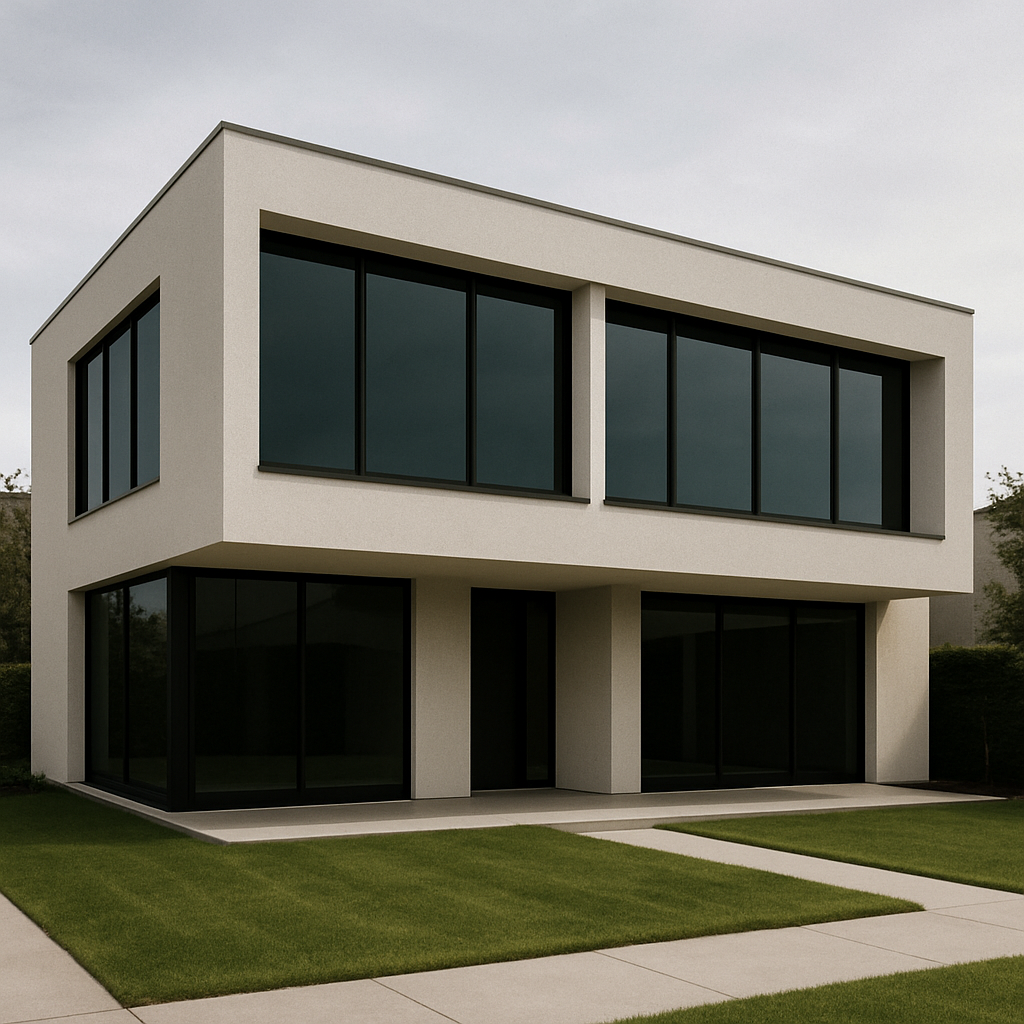
Home window tinting is gaining popularity as an effective home improvement solution. It not only enhances the aesthetic appeal of your living space but also offers a variety of functional benefits. This comprehensive guide explores the ins and outs of home window tinting, helping you understand its advantages and how it can be a game-changer for your home.
What is Home Window Tinting?
Home window tinting involves applying a thin laminate film to the interior or exterior of glass surfaces in your home. This film can vary in color and thickness, designed to control heat, glare, and UV exposure. With technology advancements, modern window films can provide additional benefits like privacy and security.
Benefits of Home Window Tinting

Energy Efficiency
One of the primary benefits of window tinting is enhanced energy efficiency. By blocking a significant portion of the sun’s heat, tinted windows help maintain a consistent indoor temperature. This reduces the need for air conditioning, leading to lower energy bills.
Improved Comfort
Tinted windows reduce glare from the sun, making your home more comfortable. Whether you’re watching TV, working on a computer, or enjoying a book, window tinting minimizes eye strain and creates a more pleasant environment.
UV Protection
The sun’s ultraviolet (UV) rays can cause damage to your skin and fade your furniture, flooring, and artwork. Window tints block up to 99% of harmful UV rays, protecting your interior from sun damage and preserving the longevity of your furnishings.
Enhanced Privacy
Privacy window film adds a layer of privacy without sacrificing natural light. You can enjoy clear views from inside your home while preventing outsiders from seeing in, making it an ideal solution for homes with large windows or those situated in busy areas.
Safety and Security
Window films can also improve safety and security. In the event of an accident or break-in attempt, the film holds shattered glass together, reducing the risk of injury from flying glass shards and making it harder for intruders to gain entry.
Types of Window Films
There are several types of window films available, each designed to meet specific needs and preferences.
Solar Control Films
These films are designed to reduce heat and glare while blocking UV rays. They are available in various shades and are ideal for improving energy efficiency.
Decorative Films
Decorative films offer a range of aesthetic options, from frosted and etched designs to colored tints. They are perfect for enhancing privacy and adding a stylish touch to your home’s interiors.
Security Films
Security films are thicker and more robust, providing extra protection against break-ins and natural disasters. They help hold glass together and can deter burglars.
Privacy Films
Privacy films are designed to obscure visibility from the outside while maintaining a clear view from the inside. They are often used in bathrooms, bedrooms, and other private spaces.
Installation Process

by 烧不酥在上海 老的 (https://unsplash.com/@geraltyichen)
DIY vs. Professional Installation
While DIY window tinting kits are available, professional installation is recommended for optimal results. Professionals ensure precise application, minimizing air bubbles and ensuring long-lasting performance.
Steps Involved
- Assessment: A professional will assess your windows to determine the best type of film for your needs.
- Preparation: The glass surface is cleaned thoroughly to ensure proper adhesion.
- Cutting and Application: The film is cut to fit each window precisely and then applied using a special adhesive.
- Finishing: Any air bubbles are smoothed out, and edges are trimmed for a perfect finish.
Choosing the Right Window Tint
When selecting window tint, consider factors like your climate, the primary purpose of the tint, and your aesthetic preferences. Consulting with a window film expert can help you make an informed decision that aligns with your needs and budget.
Maintenance and Care
Caring for your tinted windows involves simple maintenance to ensure longevity and performance.
- Cleaning: Use a soft cloth and mild soapy water. Avoid abrasive cleaners and tools that can scratch the film.
- Inspection: Regularly inspect the film for any signs of peeling or bubbling and address issues promptly to prevent further damage.
Cost Considerations
The cost of window tinting varies based on factors like the type of film, the number of windows, and the complexity of the installation. While initial costs may seem high, the long-term energy savings and extended lifespan of your furnishings make it a worthwhile investment.
Conclusion
Home window tinting offers a multitude of benefits, from enhanced energy efficiency to improved privacy and security. It’s a cost-effective solution that not only elevates the look of your home but also contributes to a more comfortable and protected living environment. Whether you’re an interior designer seeking eco-friendly solutions or a homeowner looking to upgrade your space, window tinting is an innovative choice that delivers on all fronts.
Consider consulting with a professional window film installer to explore the best options for your home. With the right tint, you can enjoy a stylish, efficient, and secure home for years to come.