Window films are one of the most effective ways homeowners improve safety without replacing their windows. Residential security window films strengthen existing glass, reduce injury risk, and slow forced entry. Many homeowners search for window films after break-ins, storm damage, or rising safety concerns in older neighbourhoods.
In many Canadian cities, homes built 20 to 40 years ago still have original glass. That glass was not designed for today’s security needs. Window films add protection directly to the surface of the glass. No frame removal. No major construction.
If you are new to the topic, start with Introduction to Window Films. It explains how window films work before you move into security upgrades.
What Residential Security Window Films Actually Do
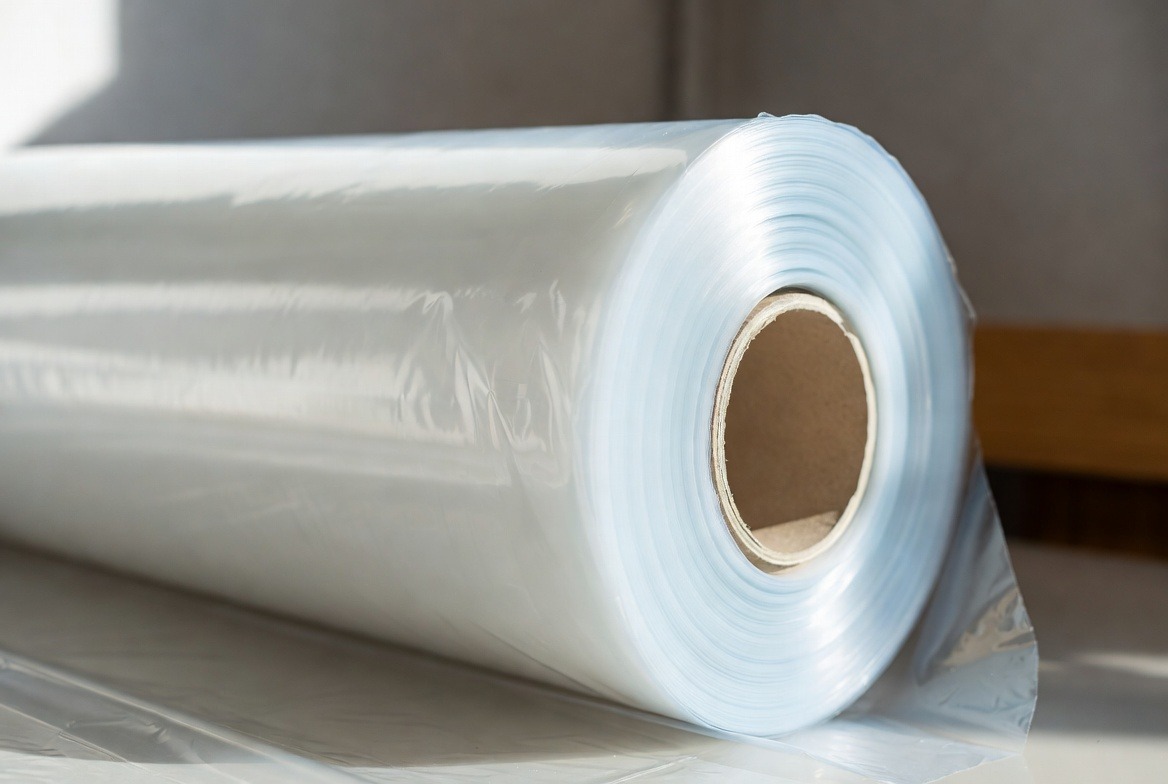
Residential security window films are thick polyester layers applied to the inside of glass. The film bonds to the glass and holds broken pieces together after impact.
The glass can still crack. The difference is how it behaves after impact. Instead of breaking into loose sharp pieces, the glass stays attached to the film.
Many homeowners first learn the basics through guides like what are security window films. That resource explains the structure and thickness options.
Why Window Films Are Used for Home Security
Doors with glass panels are common entry points. Basement windows are also vulnerable. Patio doors are large and easy to reach.
Security window films slow down forced entry. That delay matters. Intruders often leave when entry takes too long.
The film also lowers injury during accidents. When kids hit a ball against a window or wind throws debris, the glass stays together longer.
This is similar to how safety films enhance window security in homes and small offices.
Common Areas Where Homeowners Install Window Films
- Front entry doors with glass inserts
- Sliding patio doors
- Ground floor windows
- Basement windows near driveways
- Garage side access doors
These locations are easier to access from outside. They also face more seasonal stress.
Local Example: Scarborough Bungalow
A homeowner in Scarborough installed security window films after several nearby garage break-ins. The home had a rear door with a half-glass panel.
Later that winter, someone tried to force entry by striking the glass. The window cracked but stayed in place. The door did not open. The homeowner replaced only the glass insert weeks later.
Older bungalows across Toronto often have similar door designs.
Window Films vs Window Replacement
Replacing windows is expensive and time consuming. Many homeowners compare window films over replacements before making a decision.
Window films install in hours, not days. They work with the existing frame. For homes with solid frames but weaker glass, film is usually the more practical option.
Installation Quality Changes Performance
Security window film must bond properly to perform. Poor installs lead to peeling edges or trapped air bubbles.
That is why many homeowners choose professional window film installation. Installers clean the glass fully and apply the film evenly.
Clean edges and strong adhesion improve lifespan.
Second Example: Mississauga Lakefront Property
A lakefront home in Mississauga experienced strong winter winds. Ice buildup formed along the window frames. One large living room window cracked from pressure.
Security window film had been installed the year before. The glass broke inward but stayed together. No one was injured. Cleanup took minutes.
Freeze and thaw cycles along Lake Ontario create this kind of stress often.
How Long Residential Window Films Last
Most security window films last 10 to 15 years indoors.
The International Window Film Association notes that film lifespan depends on thickness, glass condition, and installation quality.
Interior applications last longer because they avoid moisture and harsh weather.
Energy and UV Benefits
Some security window films also reduce UV exposure. This protects furniture and flooring from fading.
The U.S. Department of Energy explains that window films can lower solar heat gain. Homes with south-facing windows often feel the difference.
Security and comfort can work together.
Community Experience and Local Knowledge
In many GTA neighbourhoods, homes built in the 1980s and 1990s still use original glass. That glass was not built for modern safety standards.
We have seen repeated cases where small upgrades prevent larger losses. Sometimes it is not about making glass unbreakable. It is about changing what happens after impact.
Homeowners often say the peace of mind matters more than the cost.
Are Window Films Worth It?
For homeowners who want stronger glass without full replacement, window films are a practical upgrade.
They change the behaviour of glass during impact. They reduce injury risk. They slow forced entry.
The improvement is simple but effective. It does not require tearing out frames or redesigning the home.
Frequently Asked Questions
What do residential security window films do?
Residential security window films hold broken glass together and reduce injury or forced entry.
Do window films stop break-ins completely?
Window films do not make glass unbreakable, but they slow entry and increase resistance.
Are security window films visible?
Most security window films are clear and do not change window appearance.
Can window films be installed on older homes?
Yes. Window films install directly on existing glass without replacing windows.
How long do residential window films last?
Most high-quality residential window films last between 10 and 15 years indoors.