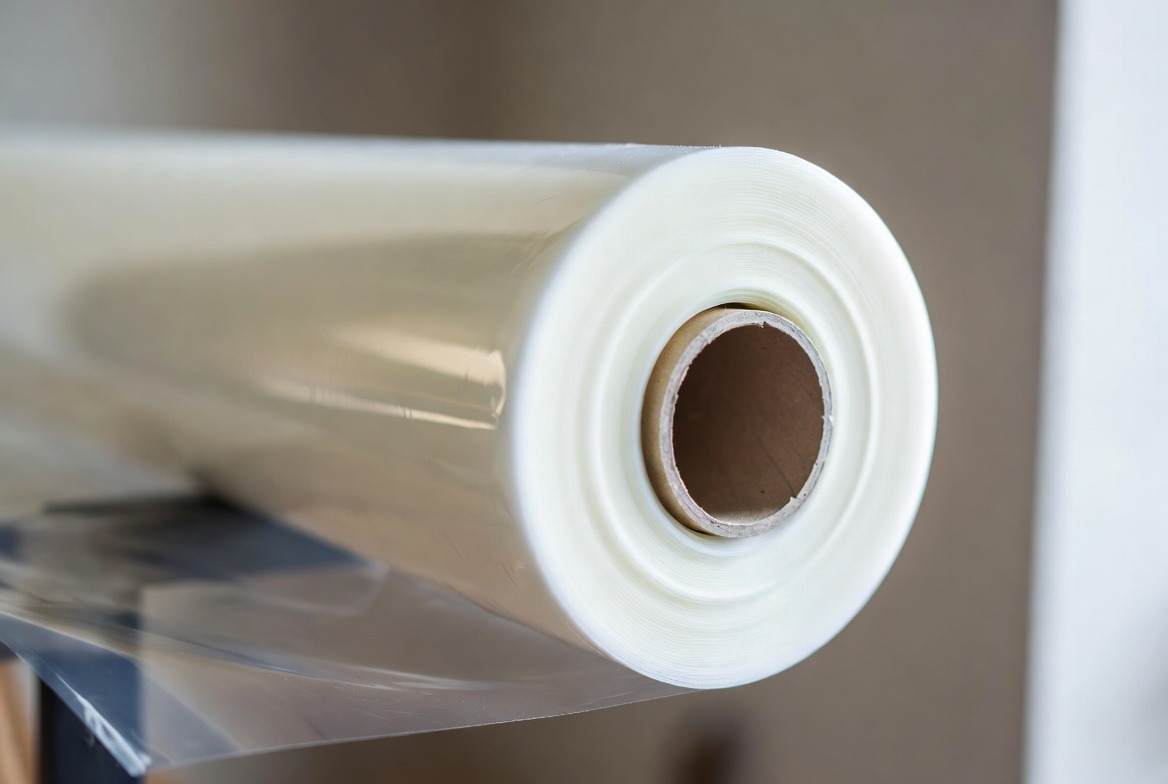
Window films are one of the most searched solutions for glass protection in Toronto and the GTA. When people type “window films for security” into Google, they usually want stronger glass, fewer break-ins, and less risk from shattered windows. Clear security window films answer that need while keeping the glass looking the same. No dark tint. No metal bars. No major construction. Just added strength to existing windows.
In Toronto, window films are no longer only about heat or glare. They are part of safety planning for storefronts, condos, offices, and houses. From retail shops near Queen Street to homes in Scarborough and offices in Vaughan, window films help reduce damage, slow forced entry, and hold broken glass together.
This guide explains what clear security window films are, how they work, and where they make sense locally. It keeps things simple and direct.
What Clear Security Window Films Actually Do
Clear security window films are thick, transparent window films applied directly onto existing glass. The window stays in place. The appearance stays almost identical. What changes is how the glass reacts when it breaks.
Normal glass shatters into sharp pieces. Security window films hold those broken pieces together. When the glass cracks, the film bonds to it and keeps it from collapsing inward. This reduces injury and slows entry.
Most clear security window films used in Toronto range from 4 mil to 15 mil thick. Homes often use 8 mil. Commercial properties may use 12 or 15 mil for added strength. Thicker window films provide more resistance and more delay.
If you want a deeper explanation of this type of film, this guide breaks it down clearly: What Are Security Window Films.
Clear security window films are different from decorative or solar films. They focus on impact resistance and glass retention.
How Window Films Change the Outcome of Break-Ins
Clear security window films do not make windows unbreakable. That myth causes confusion. What window films do is slow down failure.
Most smash-and-grab theft relies on speed. One strike. Reach in. Grab items. Leave. With security window films, the glass may crack but stays attached to the film. The intruder needs more time and more force.
More time means more noise. More noise increases risk. Many break-ins stop when entry is not quick.
Local safety advice supports delay as a deterrent. The Toronto Police Service explains that visible resistance and noise reduce success rates: Toronto Police Crime Prevention.
Window films support locks, alarms, and cameras. They are one layer in a larger safety plan.
Window Films and Accidental Glass Breakage
Not all glass damage is crime. In Toronto, accidents are common. Delivery carts hit doors. Kids throw balls. Furniture shifts during moves.
Without window films, broken glass spreads quickly. With security film, the glass stays bonded to the surface. Clean-up is safer. Injuries are reduced.
Winter adds more stress. Toronto’s freeze and thaw cycles put pressure on glass. A small crack can expand overnight. Window films cannot stop cracks from forming, but they can hold the pane together until repair.
Statistics Canada tracks property-related incidents each year across Ontario, including break-and-enter and mischief: Statistics Canada Crime Data.
Clear security window films help manage that risk instead of reacting after damage.
Why Window Films Make Sense in Toronto and the GTA
Toronto buildings use a lot of glass. Storefronts on Bloor Street. Condo lobbies in North York. Offices in Markham and Richmond Hill. Large glass panels look clean but break easily.
Window films strengthen those panels without changing how they look. This matters in condos where boards limit exterior changes.
In downtown retail areas like Kensington Market and Queen West, repeated vandalism causes high repair costs. Clear security window films reduce repeat replacement.
In residential areas like Scarborough and Etobicoke, patio doors and basement windows are common entry points. Window films reinforce those areas while keeping rooms bright.
Window Films vs Window Replacement
Many owners compare window films with full glass replacement. Replacement means removing glass, ordering new panels, and closing spaces during work.
Window films upgrade the glass you already have. No demolition. Less downtime. Lower cost in many cases.
Replacement is needed when glass is already damaged or frames are weak. Window films work best on solid, properly installed windows.
This comparison article explains the difference clearly: Window Films vs Window Replacements.
Local Case Studies: Real Use of Window Films
A clothing boutique near Yonge and Eglinton installed clear security window films after two late-night smash-and-grabs. Months later, another attempt cracked the glass but did not allow entry. The store opened the next morning without plywood boards.
A warehouse office in Brampton added security window films to glass office partitions after an employee injury from broken glass. After installation, a similar accident caused cracking but no scattered shards. Clean-up was faster and safer.
A homeowner in Ajax installed clear security window films on basement windows after nearby break-ins. During a winter freeze, one pane cracked but remained intact. The repair was scheduled without emergency cost.
These examples show how window films reduce impact instead of promising perfect prevention.
What Professional Window Film Installation Involves
A proper window film installation begins with inspection. Installers check glass thickness, age, and frame condition. Film should not be installed on damaged glass.
Cleaning is detailed. Dirt under film becomes permanent. Installers use water-based solutions and special tools to remove air and moisture.
The film cures over several days. A light haze may appear at first. That fades as moisture evaporates.
For higher-risk spaces, attachment systems may secure film edges to frames. This improves performance during strong impact.
This step-by-step guide explains the process: Security Film Installation Guide.
Clear Security Window Films Compared to Other Window Films
Security window films are different from privacy or solar films. Each type solves a different problem.
Privacy window films block visibility. Solar films reduce heat and UV. Security window films focus on glass retention and impact resistance.
For a broader overview of types, this article explains the basics: Introduction to Window Films.
Why Window Films Continue to Grow in Popularity
Glass costs rise each year. Insurance deductibles increase. Buildings use more glass than ever before.
Window films provide a practical upgrade without replacing windows. They last for many years when installed properly.
In Toronto and the GTA, clear security window films reduce how severe glass damage becomes. They do not remove risk. They lower it.
Frequently Asked Questions
What are clear security window films?
Clear security window films are transparent window films that help hold broken glass together after impact.
Do security window films change the look of glass?
Clear security window films are nearly invisible and do not change the appearance of windows.
Can window films stop break-ins?
Window films slow forced entry by increasing time and effort needed to break through glass.
Are window films good for homes and businesses?
Window films work in houses, retail stores, offices, and condos where glass safety matters.
How long do clear security window films last?
Most clear security window films last 10 to 15 years indoors with professional installation.