# A Smarter Way to Use Home Window Tinting
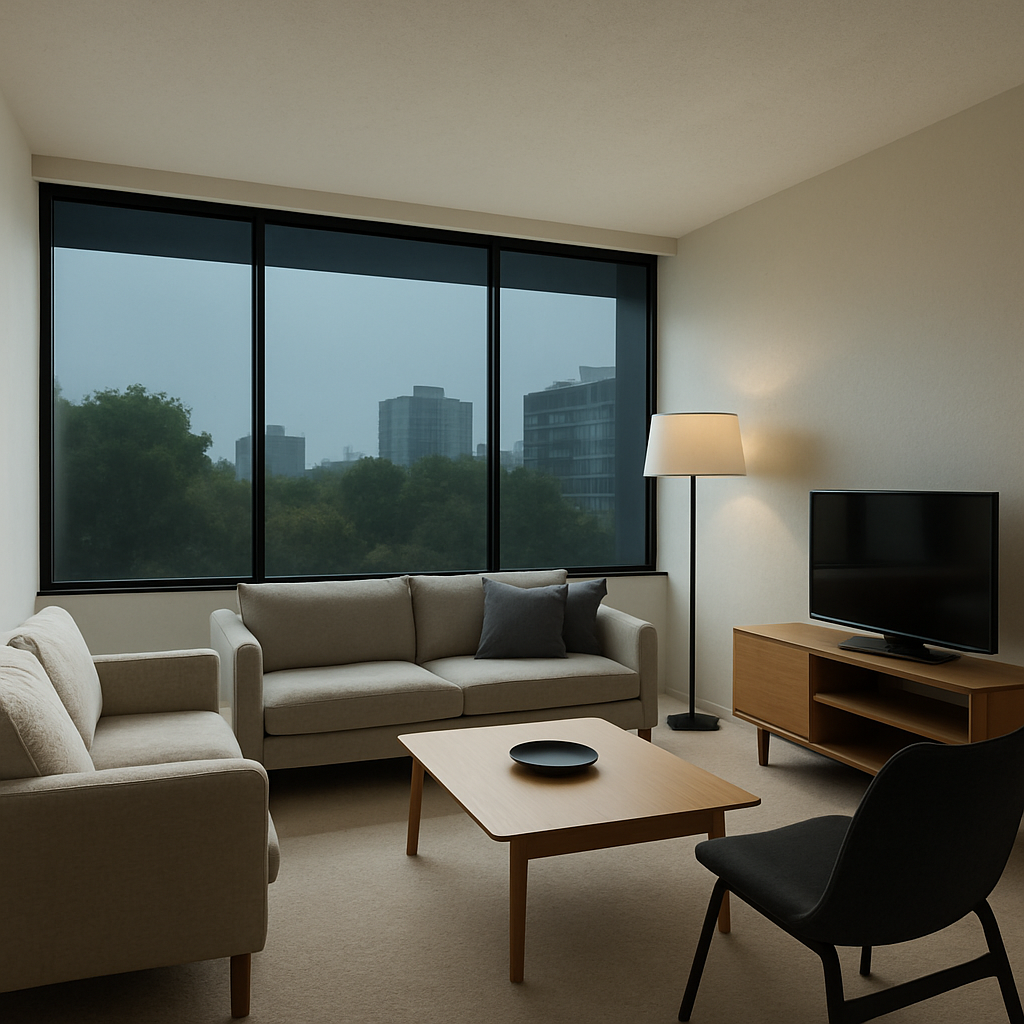
Home window tinting is not just about reducing glare or keeping your home cooler during the summer. It’s a versatile home improvement solution that can enhance the aesthetics, improve energy efficiency, and provide privacy without compromising natural light. In this article, we’ll explore the smarter ways to use home window tinting, addressing its benefits and how it can be a game-changer for interior designers and homeowners alike.
Understanding Home Window Tinting
Home window tinting involves applying a thin film or sheet to the interior surface of windows. These films are typically made from polyester and come in a variety of shades and finishes to suit different needs. The primary purpose is to control the amount of sunlight that enters a room, but there are many other advantages to consider. For a deeper overview, see this introduction to window films.
The Benefits of Home Window Tinting
- Energy Efficiency: One of the most significant advantages of window tinting is its ability to reduce energy consumption. By minimizing the amount of heat that enters your home, window tinting can help maintain a comfortable indoor temperature, reducing the need for air conditioning and consequently lowering energy bills. According to the U.S. Department of Energy, efficient window solutions play a major role in managing indoor temperatures and lowering energy costs.
- UV Protection: Window films block up to 99% of harmful ultraviolet rays from the sun. This not only protects your skin but also prevents fading of furniture, flooring, and artwork. The Environmental Protection Agency (EPA) confirms that prolonged exposure to UV radiation can damage materials and skin.
- Enhanced Privacy: Tinted windows provide an additional layer of privacy by making it difficult for outsiders to see inside your home. This is particularly beneficial for homes located in densely populated areas.
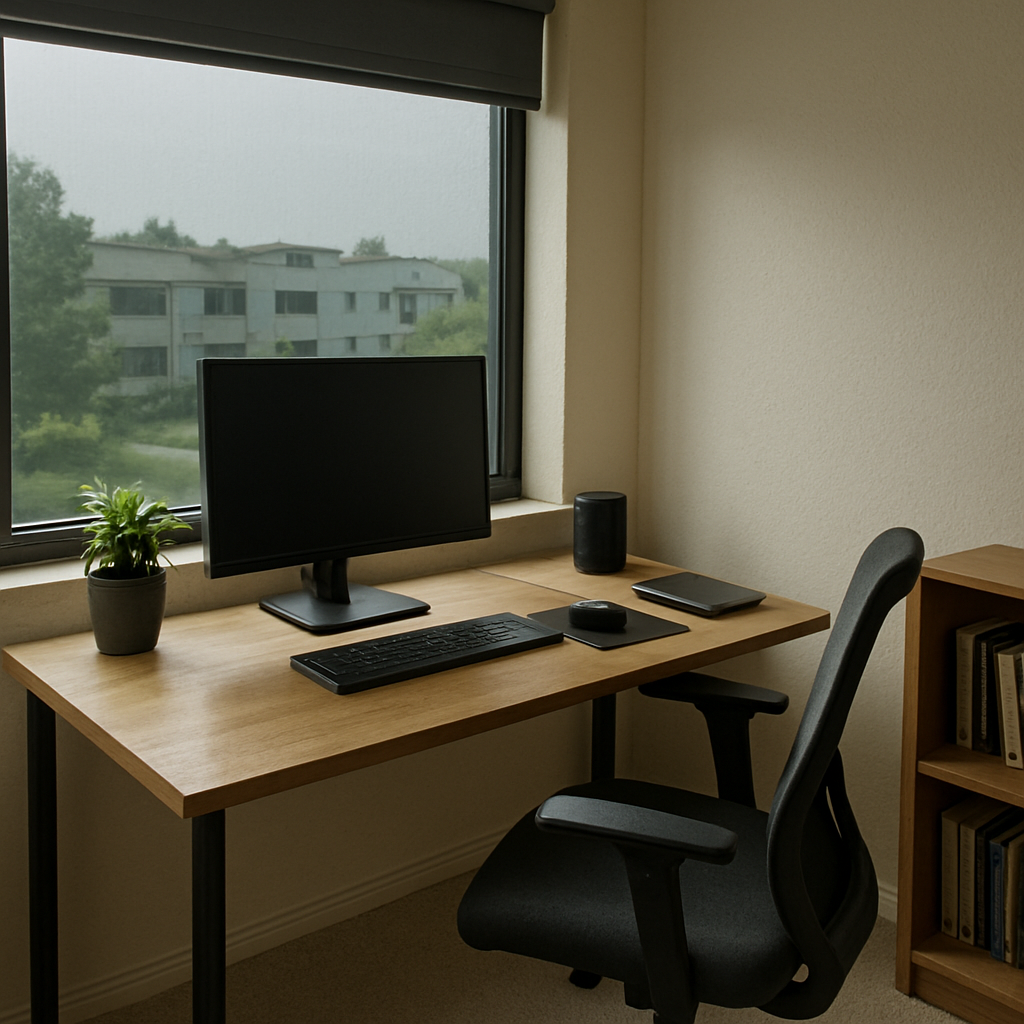
- Glare Reduction: By reducing glare, window tinting makes it easier to enjoy natural light without the discomfort of harsh sun rays. This is particularly helpful in rooms with screens or monitors.
- Aesthetic Appeal: With various shades and styles available, window tinting can enhance the look of your home, adding a sleek, modern touch to any room.
Tailoring Window Tinting to Individual Needs
When considering home window tinting, it’s essential to tailor the solution to meet specific needs and preferences. Here’s how you can do that:
Choosing the Right Tint
- Purpose: Identify the primary reason for tinting. Is it for privacy, energy efficiency, or aesthetic enhancement? Different tints serve different purposes, so understanding your goals will help narrow down your options.
- Shade and Opacity: The shade of the tint will affect both the appearance and functionality. Darker tints offer more privacy and glare reduction, while lighter tints may be preferred for aesthetic reasons.
- Reflective vs. Non-Reflective: Reflective tints can provide better heat rejection but may alter the exterior appearance of your home. Non-reflective tints maintain a more natural look.
Installation Considerations
- Professional Installation: For optimal results, it’s recommended to have window films professionally installed. This ensures a smooth, bubble-free application and maximizes the film’s performance.
- DIY Options: If you’re a DIY enthusiast, there are high-quality home window tinting sheets available that can be installed with minimal tools and expertise. However, it’s crucial to follow the manufacturer’s instructions carefully.
Complementing Interior Design
For interior designers, window tinting is an invaluable tool that can complement and enhance the overall design of a space. Here’s how:
- Color Coordination: Select tints that harmonize with the room’s color palette. Neutral tints can blend seamlessly into most designs, while colored tints can add a unique touch.
- Highlighting Features: Use window tinting to draw attention to architectural features or create a focal point in the room.
- Balancing Natural Light: Tints can be used strategically to balance natural light throughout a space, ensuring each area is well-lit without being overwhelming.

Addressing Common Concerns
Will Window Tinting Make My Home Too Dark?
It’s a common misconception that window tinting will make your home feel dark and uninviting. In reality, modern window films are designed to allow natural light in while blocking out heat and UV rays. By selecting the right shade and opacity, you can enjoy a bright, airy space with all the benefits of tinted windows.
How Long Does Window Tinting Last?
The lifespan of window tinting varies depending on the quality of the film and the conditions it is exposed to. High-quality films can last anywhere from 10 to 20 years. Regular cleaning and maintenance will help extend the life of your window tinting.
Is Window Tinting Cost-Effective?
While there is an initial investment in window tinting, the long-term savings on energy bills and the protection it offers to your home’s interior make it a cost-effective solution. Additionally, it can increase the overall value of your home by enhancing both its functionality and appearance.
Conclusion
Home window tinting is a smart, versatile solution for enhancing your living space. Whether you’re looking to improve energy efficiency, protect your interior from UV damage, or simply add a touch of elegance to your home, window tinting offers a range of benefits that make it worth considering. By understanding your specific needs and working with a professional installer, you can ensure that your window tinting not only meets but exceeds your expectations. Make the smart choice for your home today and experience the transformative power of window tinting.