# Real Results with Residential Window Tinting
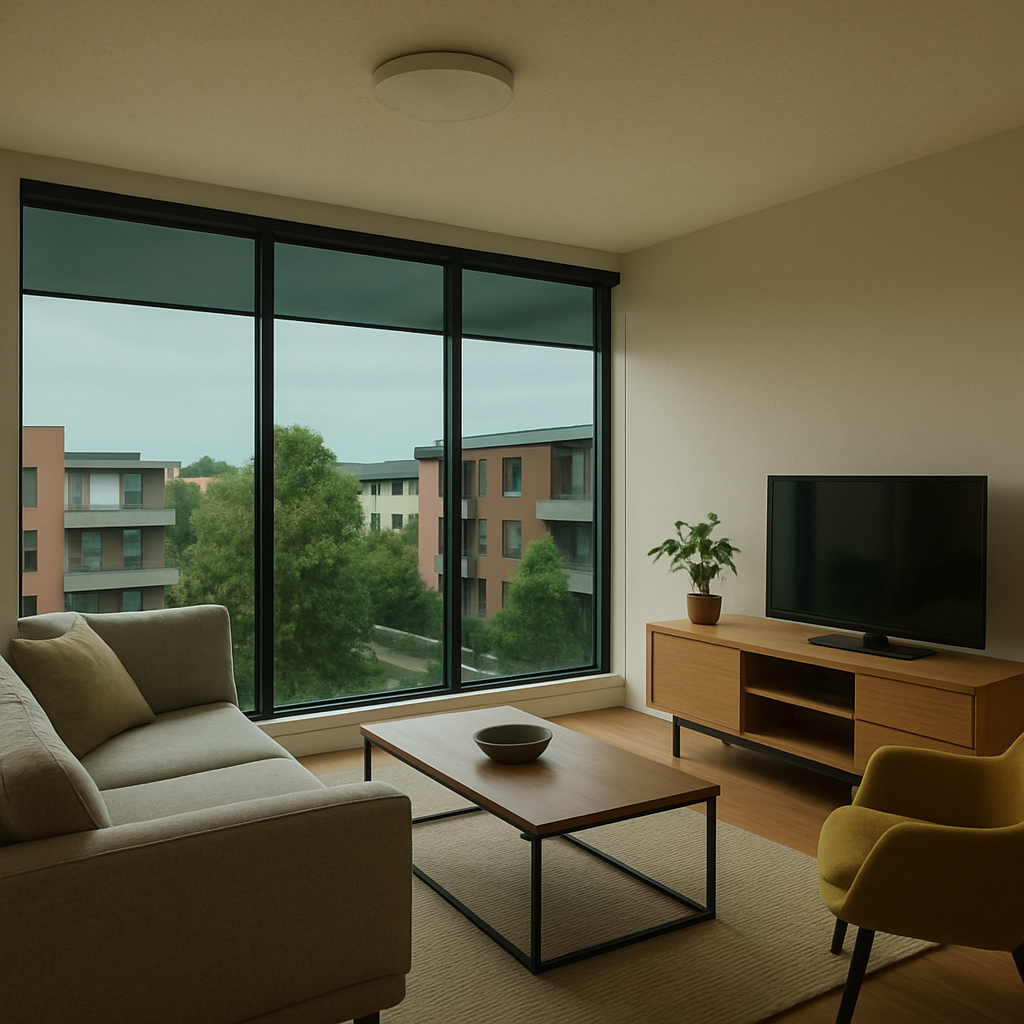
In recent years, residential window tinting has gained popularity as a savvy home improvement solution. Homeowners and interior designers alike are discovering the multifaceted benefits of this simple yet effective upgrade. Whether you’re looking to improve energy efficiency, enhance privacy, or add a touch of style to your living space, residential window tinting offers real results.
Understanding Residential Window Tinting
Residential window tinting involves applying a thin, transparent film to the interior side of a window. This film can be made from a variety of materials, including polyester or metalized coatings, depending on the desired effect. These films are engineered to reduce glare, block harmful UV rays, and control heat transfer, making them a versatile choice for any home.
The Benefits of Home Window Tint
- Energy Efficiency: One of the primary benefits of residential window tinting is its ability to improve a home’s energy efficiency. By reducing the amount of heat that enters through windows, tinting helps maintain a consistent indoor temperature, thereby reducing the need for air conditioning and lowering energy bills.
- UV Protection: Over time, exposure to UV rays can cause furniture, flooring, and artwork to fade. Residential window tinting blocks up to 99% of harmful UV rays, protecting your interior investments.
- Privacy and Security: Tinted windows offer enhanced privacy by limiting the view into your home from outside. This is especially beneficial for homes located in busy neighborhoods or near street level.
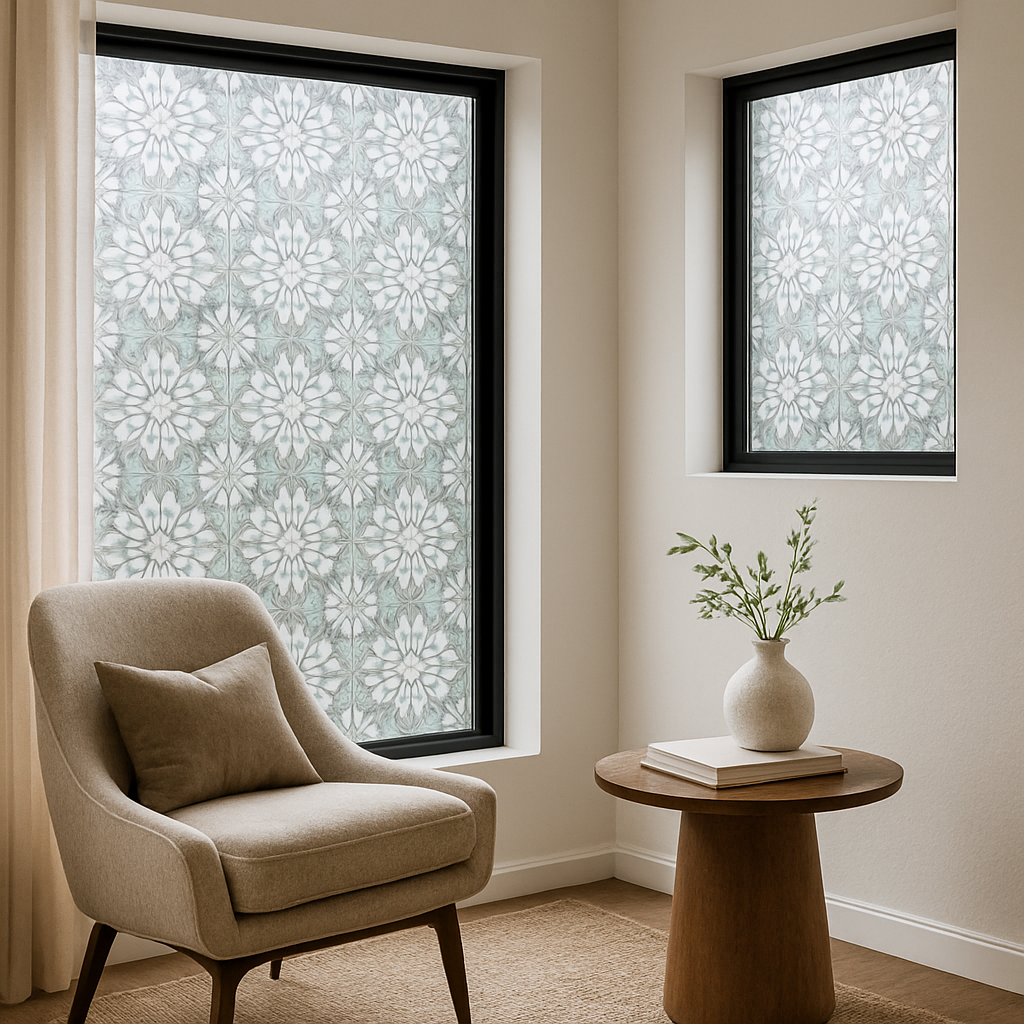
- Aesthetic Appeal: With a range of shades and decorative options available, window tinting can complement any home’s decor. Decorative window films can even mimic the appearance of etched glass, adding a touch of elegance at a fraction of the cost.
Choosing the Right Tint for Your Home
When selecting window tint for your home, it’s important to consider both function and style. The right tint can enhance your home’s aesthetic while providing practical benefits.
Types of Window Tint
- Solar Control Film: Designed primarily for heat and glare reduction, solar control films are ideal for homes in sunny climates.
- Security Film: These thicker films provide an additional layer of protection against break-ins and severe weather conditions.
- Decorative Film: Available in a variety of patterns and colors, decorative films add a unique touch to any space without compromising on privacy.
Factors to Consider
- Climate: Depending on your location, you may prioritize heat reduction over glare control, or vice versa.
- Window Orientation: South-facing windows typically receive more sunlight, which may require a higher level of UV protection.
- Aesthetic Preferences: Consider how different films will complement your existing decor and the overall style of your home.
Installation Process
Installing window tint is a precise process that requires professional expertise to ensure a flawless finish. Here’s what you can expect during a typical installation:
- Consultation and Assessment: A professional installer will evaluate your windows and discuss your specific needs and goals.
- Film Selection: Based on your preferences and requirements, the installer will recommend suitable film options.
- Preparation: The windows are thoroughly cleaned to remove any dirt or debris that could affect adhesion.
- Application: The film is carefully applied to the interior side of the windows, using special tools to eliminate air bubbles and ensure a smooth finish.
- Final Inspection: Once the film is applied, the installer will conduct a final inspection to ensure quality and satisfaction.

by Tomasz Anusiewicz (https://unsplash.com/@oxganggreen)
Real-World Success Stories
Many homeowners and interior designers have experienced transformative results with residential window tinting. Here are a few examples:
Case Study 1: A Modern Oasis
An interior designer was tasked with creating a modern, energy-efficient oasis for a client in a sunny region. By installing solar control window film, they were able to significantly reduce heat gain, resulting in a cooler, more comfortable living environment. The client also reported a noticeable decrease in energy bills.
Case Study 2: Privacy with Style
A homeowner sought to enhance privacy without sacrificing style in their urban apartment. With the installation of decorative window film featuring a frosted glass design, they achieved the desired level of privacy while adding a chic aesthetic to their living space.
Case Study 3: Protecting Valuables
Concerned about sun damage to valuable artworks and furnishings, a homeowner opted for UV-blocking window film. This decision not only preserved the vibrancy of their interior decor but also provided peace of mind knowing their investments were protected.
Conclusion
Residential window tinting is more than just a home improvement trend; it’s a practical solution that delivers real results. From energy savings and UV protection to enhanced privacy and aesthetic appeal, window tinting offers a range of benefits that can transform your living space. Whether you’re a homeowner looking to improve comfort or an interior designer seeking cost-effective solutions for clients, residential window tinting is a worthwhile investment.
By understanding the available options and working with a professional installer, you can tailor window tinting to meet your unique needs and preferences, achieving a harmonious balance between form and function. Embrace the potential of residential window tinting and experience the difference it can make in your home.