Categories
Window Films and Window Tints

Lessons Learned from Window Tint

Window tinting is more than just a trend; it’s a practical solution for enhancing comfort, aesthetics, and energy efficiency in both residential and automotive settings. Whether you’re an interior designer looking to offer clients stylish, eco-friendly solutions, or a homeowner seeking to reduce energy bills while improving the look of your space, understanding the ins and outs of window tinting can be incredibly beneficial. Let’s dive into some key lessons learned from window tinting.

Window tinting involves applying a thin film to glass surfaces to reduce the amount of sunlight and heat entering a space. This process not only enhances privacy but also protects interiors from UV damage and glare.

Types of Window Tinting

There are several types of window tinting films available, each with unique benefits:

  1. Dyed Window Film: This is the most affordable option and mainly used for its appearance. It doesn’t offer as much heat reduction as other types.
  2. Metalized Film: This type reflects heat and is effective in blocking UV rays. It adds strength to windows but may interfere with phone and radio signals.
  3. Ceramic Film: Known for its quality and performance, ceramic film does not block signals and is effective in UV protection and glare reduction.
  4. Hybrid Film: Combines dyed and metalized films to offer a balance between performance and cost.

Benefits of Window Tinting

Car window tinting benefits

Window tinting offers a range of benefits, making it a wise investment for both homes and vehicles.

Energy Efficiency

By blocking out a significant portion of solar heat, window tinting helps reduce the need for air conditioning, leading to lower energy bills. This makes it an attractive option for eco-conscious homeowners and interior designers aiming to provide energy-saving solutions.

Enhanced Privacy and Security

Tinted windows add a layer of privacy, preventing outsiders from peering into your home or vehicle. Moreover, the film can hold shattered glass together, providing an additional safety feature.

Protection Against UV Rays

Window tinting protects interiors from harmful UV rays, preventing fading of furniture, fabrics, and car interiors. This prolongs the life of your possessions and maintains their aesthetic appeal.

Improved Comfort

By reducing glare and heat, window tinting creates a more comfortable environment, whether you’re relaxing at home or driving.

Lessons from Automotive Tinting

Automotive tinting is a popular choice for car owners who want to enhance their vehicle’s appearance and comfort. Here are some lessons from the field:

Compliance with Regulations

It’s crucial to be aware of the legal regulations regarding window tinting in your area. Different regions have varying laws about how dark or reflective window tints can be. Non-compliance can result in fines or the need to remove the tint.

Professional Installation Matters

While DIY kits are available, professional installation ensures that the tint is applied correctly without bubbles or peeling. Professionals have the tools and expertise to deliver high-quality results that last.

The Right Tint for the Right Vehicle

Not all tints are suitable for every vehicle. Factors such as the vehicle’s make, model, and intended use can influence the choice of tint. Consulting with a professional can help you select the best option for your needs.

Implementing Window Tint in Home Interiors

Residential window tinting

by Peter Steiner 🇨🇭 1973 (https://unsplash.com/@pedrino5_official)

Window tinting isn’t just for cars; it’s also a valuable addition to residential spaces. Here’s how to effectively use window tinting in homes:

Aesthetic Enhancement

Tinted windows can complement interior design by offering a sleek, modern look. They can be tailored to match or enhance the existing décor, offering both style and functionality.

Custom Solutions for Every Room

Consider the specific needs of each room when choosing window tint. For instance, a living room may benefit from tinting that reduces glare during TV watching, while a sunroom might require a higher level of UV protection.

Cost-Effectiveness

While the upfront cost of window tinting might seem high, the long-term savings on energy bills and the protection of your interior investments make it a cost-effective solution.

Choosing the Right Window Tint

Selecting the right window tint involves considering several factors:

  1. Purpose: Determine whether your primary goal is privacy, UV protection, energy efficiency, or aesthetics.
  2. Budget: Different films come at different price points, so it’s important to choose one that fits your budget while meeting your needs.
  3. Professional Advice: Consulting with a professional can provide insights into the best tint options for your specific situation, ensuring you get the most value.

Common Pitfalls and How to Avoid Them

Even with the best intentions, window tinting projects can encounter issues. Here are some common pitfalls and tips on how to avoid them:

Choosing the Wrong Tint

Selecting the wrong type of tint for your needs can lead to dissatisfaction and additional costs. Always research and consult with professionals to ensure the right choice.

DIY Challenges

While DIY window tinting may seem cost-effective, it often results in bubbling, peeling, and uneven application. Professional installation guarantees a smooth, long-lasting finish.

Ignoring Maintenance

Proper maintenance is essential to prolong the life of window tints. Avoid harsh chemicals when cleaning and follow manufacturer recommendations to keep your tints looking their best.

Conclusion

Window tinting offers numerous benefits, from enhancing privacy and aesthetics to improving energy efficiency and comfort. Whether applied to vehicles or homes, understanding the nuances of window tinting can help you make informed decisions that meet your specific needs. By avoiding common pitfalls and choosing the right type of tint, you can enjoy the full range of benefits that window tinting has to offer. With a little knowledge and the right professional support, window tinting can be a valuable addition to any space.“`
Categories
Window Films and Window Tints

Choosing the Right Window Films in Toronto: Solar, Security, Decorative & Privacy Guide

Window films are one of the most searched solutions for homes and businesses in Toronto and the GTA. People search for window films to reduce heat, block glare, stop UV fading, improve privacy, and make glass safer. Instead of replacing windows, many property owners install window films to solve these issues faster and at lower cost.

Toronto buildings face strong summer sun, freezing winters, and tight urban spacing. Condos near the waterfront get intense glare. Storefronts along Queen Street deal with fading displays. Offices in North York struggle with afternoon heat. Because of this, choosing the correct window films is not a small decision.

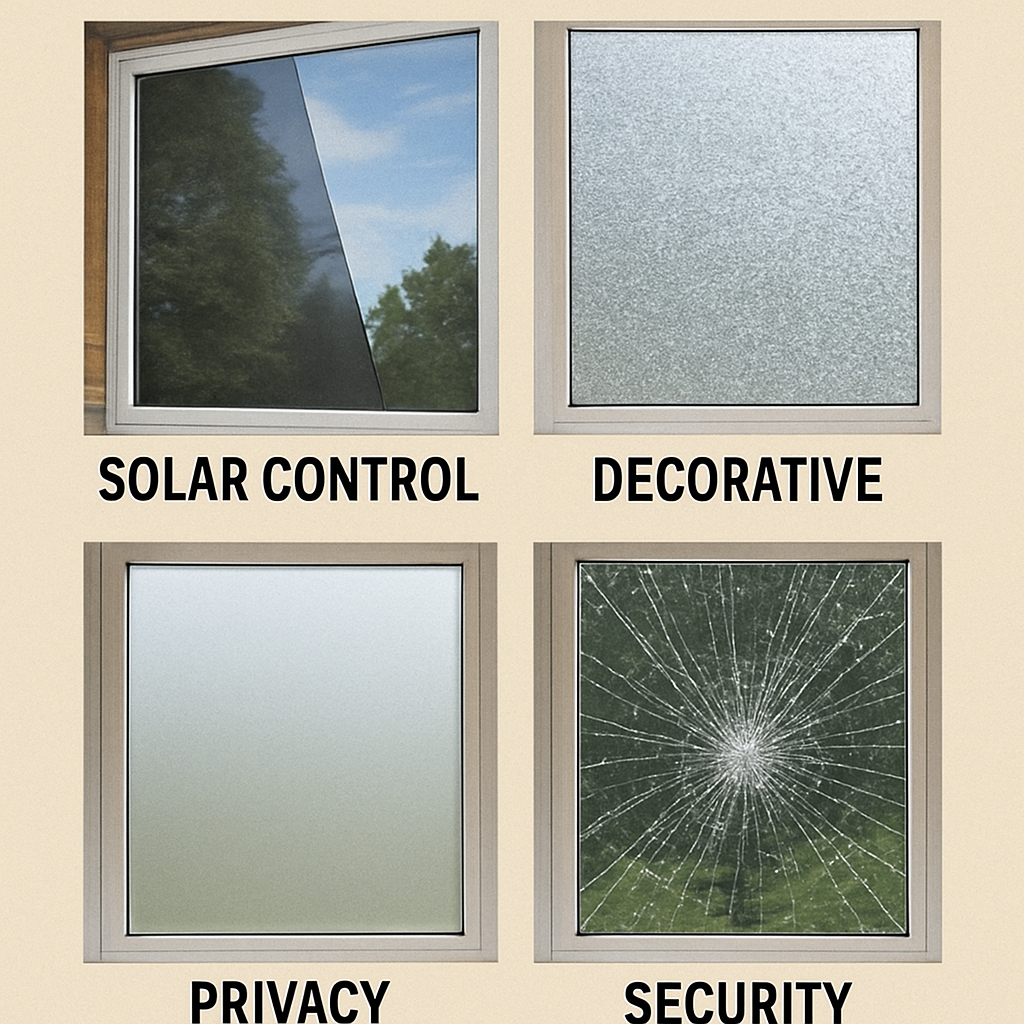
This guide explains how window films work and breaks down the four most common types used in Toronto: solar window films, security films, decorative films, and privacy films. Each type solves a different problem. Understanding these differences helps you avoid expensive mistakes.

If you want a complete overview of local services and applications, visit Tintly Window Films to see how window films are installed across the GTA.

Solar Window Films for Heat, Glare and UV Control

Solar window films are the most installed window films in Toronto. They are designed to reduce solar heat gain, glare, and UV exposure.

Solar window films reflect and absorb solar radiation before it passes through the glass. This lowers interior temperatures and reduces strain on cooling systems.

A condo near Harbourfront had west-facing glass that made evenings uncomfortable. After solar window films were applied, the indoor temperature dropped several degrees during peak sun hours. The owner reported less glare on screens and lower cooling costs.

UV exposure causes fading in hardwood floors, artwork, retail displays, and furniture. Solar window films block a high percentage of UV radiation. Health Canada explains the risks of UV exposure in its resource on sun safety and UV protection.

Solar window films also help in winter by reducing radiant heat loss. In Toronto’s long winters, this can improve comfort near windows.

There are different shades and reflectivity levels. Some solar window films are nearly invisible. Others have a mirrored look. The right one depends on building direction and glass type.

For a detailed explanation of how they work, read about solar window films and their benefits.

Security Window Films for Glass Protection

Security window films strengthen glass by holding fragments together when breakage occurs. They do not stop glass from cracking. They reduce shatter spread and delay entry.

Security window films are thicker than regular window films. When impact happens, broken shards remain bonded to the film layer.

A retail store in Scarborough installed security window films after experiencing vandalism. Months later, another impact cracked the glass but did not create an entry point. Damage was contained and inventory stayed protected.

Security window films are commonly used in ground-level homes, storefronts, offices, and schools.

They also reduce injury risk from accidental glass breakage in patios or glass doors.

For more information on performance, see this guide about security window films.

Decorative Window Films for Style and Daylight Privacy

Decorative window films are designed to provide privacy while still allowing natural light. They are widely used in offices, clinics, bathrooms, and entry doors.

These window films can appear frosted, etched, patterned, or custom printed. They block direct sight lines but maintain brightness.

An accounting office in Mississauga replaced blinds with decorative window films in meeting rooms. The result was cleaner sight lines and consistent privacy. Staff said the space felt more open.

Decorative window films are removable and do not permanently alter glass when installed properly.

They are often selected when privacy matters but heat reduction is not the primary goal.

To understand how these designs work, read about frosted window film and related decorative options.

Privacy Window Films for Urban Living

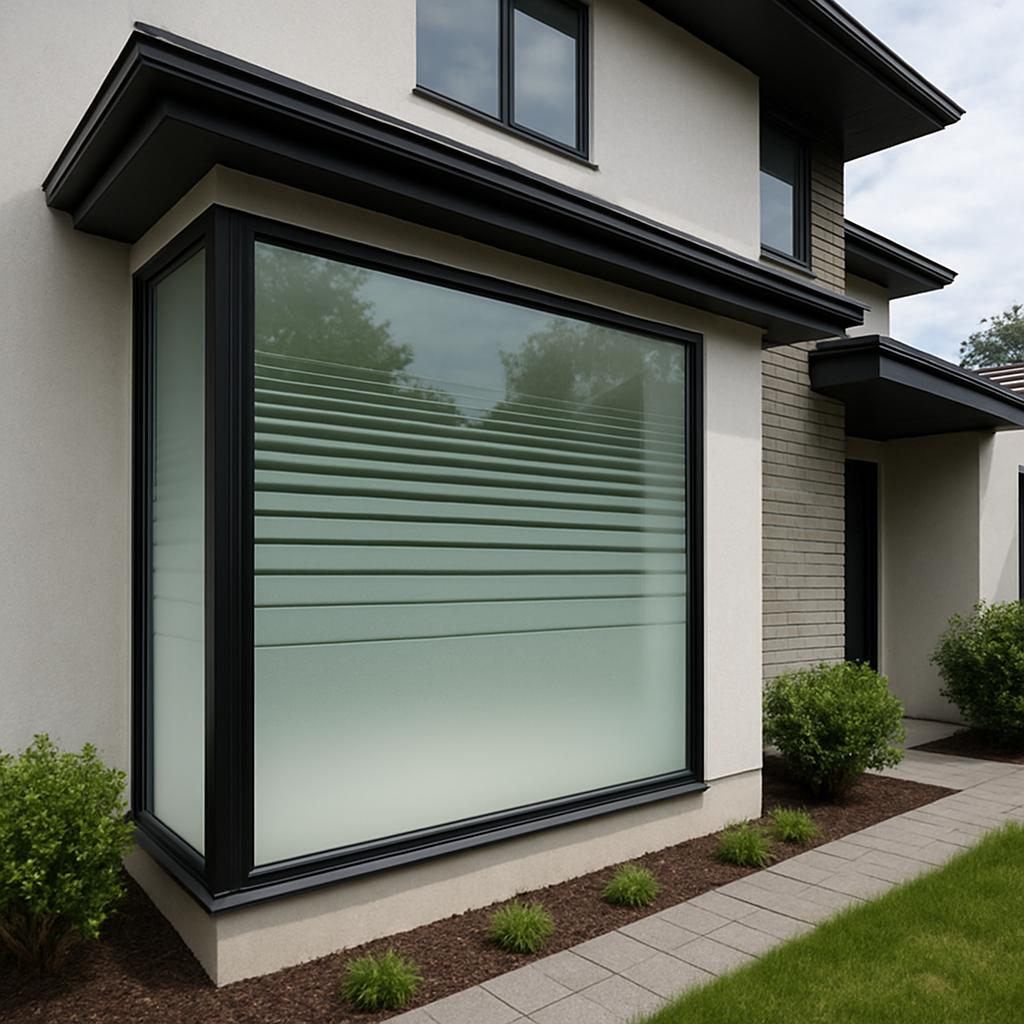
Privacy window films reduce visibility from outside. One-way mirror films are the most common type used in Toronto condos and street-facing buildings.

During daytime, exterior brightness creates reflective privacy. At night, interior lighting can reverse the effect. This requires proper lighting planning.

A ground-floor condo near Liberty Village installed privacy window films after foot traffic increased. Daytime privacy improved immediately. Nighttime visibility was solved by adjusting interior lighting and window treatments.

Privacy window films often combine heat and glare control benefits as well.

For comparison of options, explore this guide on privacy window films.

Combining Window Films in Real Properties

Most properties use more than one type of window film.

Condos frequently install solar window films in living areas, decorative films in bathrooms, and privacy films on lower floors.

Retail stores combine solar window films for comfort with security window films for glass retention.

Medical clinics often mix decorative films for patient privacy with solar films to reduce glare.

Choosing the correct combination prevents overspending and underperformance.

Toronto Climate and Energy Considerations

Toronto summers bring strong solar heat gain. Winters bring cold drafts and radiant heat loss. Window films help address both conditions.

Natural Resources Canada explains how windows impact building efficiency in its guide on window energy efficiency and heat loss.

Solar window films reduce summer cooling loads. Some films also improve interior comfort in winter by reducing radiant chill near glass.

Security window films provide added protection during storm season.

Seasonal installation timing matters. Spring and fall offer stable conditions for proper curing.

Why Professional Installation Is Important

Window films require clean surfaces and precise application. Dust and moisture cause bubbling and edge lift.

Glass type matters. Double-pane glass and Low-E coatings respond differently to certain films.

Professional installers test compatibility and apply films evenly. DIY applications often fail and require removal.

Final Thoughts on Selecting Window Films

Window films address heat, glare, privacy, safety, and UV protection. Solar window films focus on energy and comfort. Security films focus on glass retention. Decorative films focus on visual privacy. Privacy films reduce outside visibility.

Toronto’s climate and building density make window films a practical upgrade for many property types.

If you are considering window films for your condo, home, retail store, or office, review your main problem first. Then choose the film type that directly solves it.

To explore installation options across Toronto and the GTA, visit Tintly Window Films for more information.

::contentReference[oaicite:0]{index=0}

Categories
Window Films and Window Tints

Field-Tested Advice on Window Film Installation Near Me

# Field-Tested Advice on Window Film Installation Near Me

When it comes to improving the aesthetic appeal and energy efficiency of your home, window film installation is a fantastic option. Window films offer a blend of style, privacy, and energy savings, making them a popular choice for homeowners and interior designers alike. In this article, we’ll dive into the key considerations for window film installation and provide expert advice on how to choose the right service provider near you.

The Benefits of Window Film

Window films are more than just decorative additions. They offer a range of benefits that can enhance your living space:

Energy Efficiency

One of the primary reasons homeowners opt for window film installation is to improve energy efficiency. Window films can significantly reduce heat gain during the summer months and heat loss in winter, leading to lower energy bills and a more comfortable indoor environment.

UV Protection

Harmful UV radiation can cause furniture, flooring, and artwork to fade over time. Window films block up to 99% of UV radiation, preserving your interior decor and extending the lifespan of your furnishings.

Privacy and Security

Window films provide an added layer of privacy by preventing outsiders from peering into your home. Some films also offer additional security features, making windows more shatter-resistant and enhancing overall safety.

Aesthetic Appeal

With a variety of styles and designs available, window films can enhance the visual appeal of any room. Whether you prefer a sleek, modern look or something more traditional, there’s a window film to match your style.

Choosing the Right Window Film

different types of window films

Selecting the right window film involves considering several factors. Here’s what you need to know:

Understand Your Needs

Before choosing a window film, assess your specific needs. Are you looking to reduce glare in a sun-soaked room? Do you want to enhance privacy without sacrificing natural light? Understanding your priorities will help narrow down your options.

Explore Different Types of Films

Window films come in various types, including:

  • Solar Control Films: Designed to reduce heat and glare while enhancing energy efficiency.
  • Decorative Films: Available in a range of patterns and designs, these films add style and privacy.
  • Security Films: These are thicker films that provide added protection against break-ins and natural disasters.

Evaluate Quality and Warranty

Investing in high-quality window films ensures durability and long-lasting performance. Look for films with a good warranty, reflecting the manufacturer’s confidence in their product.

Finding a Reliable Window Film Installer Near You

Choosing the right installer is crucial to ensure a smooth and successful installation process. Here’s how to find a reliable professional:

Research and Reviews

Start by researching local window film installation companies. Check online reviews and testimonials to gauge customer satisfaction. Look for consistent positive feedback about their service quality and professionalism.

Experience and Expertise

Experience matters. Opt for installers with a proven track record in window film installation. Experienced professionals will be able to handle challenges and provide expert advice tailored to your needs.

Request Quotes and Compare Prices

Obtain quotes from multiple installers to compare prices and services. Be wary of quotes that seem too good to be true, as they may indicate subpar materials or workmanship. Remember, the cheapest option isn’t always the best.

Check Licensing and Insurance

Ensure the installer is licensed and insured. This protects you from any liabilities in case of accidents or damage during the installation process.

Preparing for Installation

home ready for window film installation

by Syd Mills (Syd Mills on Unsplash)

Once you’ve selected your window film and installer, it’s time to prepare for installation:

Clear the Area

Remove any obstacles near the windows where the film will be installed. This includes furniture, blinds, and curtains. A clear workspace allows the installer to work efficiently and ensures a smooth installation process.

Clean the Windows

Clean your windows thoroughly before installation. Any dirt or debris can affect the adhesive and lead to bubbles or imperfections in the film.

Communicate with Your Installer

Discuss any concerns or specific requirements with your installer before they begin. Clear communication ensures that both parties are on the same page and can lead to better results.

Post-Installation Care and Maintenance

Proper care and maintenance will extend the life of your window films:

Allow Time for Curing

Window films need time to cure and adhere properly. Avoid cleaning the windows for at least a week after installation to prevent disrupting the adhesive.

Use Gentle Cleaning Methods

When it’s time to clean your windows, use a soft cloth and mild, non-abrasive cleaning solution. Avoid harsh chemicals or rough materials that could damage the film.

Monitor for Issues

Regularly inspect your window films for any signs of peeling, bubbling, or discoloration. Early detection of issues can prevent further damage and help maintain the film’s effectiveness.

Conclusion

Window film installation is a smart investment for any homeowner or interior designer looking to enhance energy efficiency, privacy, and aesthetic appeal. By understanding your needs, choosing the right film, and working with a reliable installer, you can enjoy the many benefits window films have to offer. Whether you’re interested in reducing energy costs or adding a touch of elegance to your home, window films are a versatile and valuable solution.

By following the advice outlined in this article, you’ll be well-equipped to make informed decisions and achieve the best results for your window film installation project. Enjoy the transformation and comfort that quality window films can bring to your living space.

Categories
Window Films and Window Tints

Window Films in Toronto Homes and Offices: What They Do and Why They Work

Window films are one of the most searched window upgrades in Toronto and across the GTA. People search for window films when rooms get too hot, glare makes screens impossible to see, or privacy feels weak. Window films solve these problems without replacing windows, changing frames, or doing heavy renovations.

If you live in Toronto, you already know how intense the sun can feel in July. Condos with large glass panels heat up fast. Retail stores along Queen Street fight glare every afternoon. Older homes in East York feel cold in winter and too bright in summer. Window films are often the simplest fix.

This guide explains window films in clear language. It covers decorative window film, privacy film, and office window film. It is written for beginners who want real answers, not marketing hype.

What This Guide Covers About Window Films

  • What window films are and how they work
  • The difference between decorative, privacy, and office window films
  • Which window films work best in Toronto buildings
  • Common mistakes people make
  • When professional installation makes sense

What Are Window Films and How Do They Work?

Window films are thin layers applied directly to glass. They control how heat, light, and visibility pass through a window. Window films do not replace glass. They improve how the glass performs.

Toronto buildings rely heavily on glass. Modern condos use floor-to-ceiling panels. Office towers in the Financial District use curtain wall systems. Many homes still have clear double-pane glass with little protection.

Window films help solve common problems:

  • Reduce heat during summer
  • Lower glare on computer screens
  • Add privacy without blocking daylight
  • Protect furniture from UV fading

Many property owners compare film with replacing windows. Film is usually less expensive and faster to install. This explains why many start here: benefits of choosing window films over replacements.

If you want a basic overview of different types, this article explains the fundamentals: types of window films.

Decorative Window Films for Style and Light Privacy

Decorative window films change the appearance of glass while still letting light pass through. They are common in Toronto bathrooms, clinics, offices, and front door panels.

Decorative films include frosted finishes, etched looks, stripes, gradients, and simple patterns. Offices often add logos to glass meeting rooms.

New case example. A dental clinic near Sheppard and Victoria Park had glass rooms facing a hallway. Patients felt exposed. Frosted decorative window film was installed. Light stayed bright. Privacy improved right away. Curtains were no longer needed.

Homeowners use decorative window films for:

  • Bathroom windows
  • Front entry glass
  • Interior glass partitions

Decorative window film focuses more on appearance than heat control. It works best where daylight is important but visibility needs soft blocking.

This guide shows how design and privacy work together: decorative window films for style and privacy.

Privacy Window Films in Toronto Condos

Privacy window films control visibility through glass. They are popular in Toronto condos where buildings face each other closely.

Common privacy window films include frosted film, reflective film, and one-way mirror film. Each reacts differently depending on indoor and outdoor lighting.

One-way mirror film works best during daylight. It reflects sunlight and limits views from outside. At night, indoor lighting can reduce this effect.

Frosted film blocks views both day and night. That makes it ideal for bathrooms and street-level windows.

New condo example. A unit near Yonge and Eglinton faced another high-rise across a narrow street. Residents kept blinds closed most of the day. Frosted privacy film allowed them to open blinds and still feel comfortable. The space felt larger and brighter.

This step-by-step article explains privacy installation in more detail: privacy window film for homes.

Office Window Films for Toronto Businesses

Office window films reduce glare, heat, and visibility issues in commercial spaces. These problems show up quickly in glass-heavy offices.

Downtown Toronto offices often struggle with sun exposure from large west-facing windows. Screens become hard to read. Employees lower blinds. Artificial lights stay on all day.

Solar window films reduce glare without blocking all light. This helps maintain brightness while improving comfort.

New business example. A marketing firm in Liberty Village had strong afternoon glare on computer screens. Solar film reduced glare enough that staff stopped adjusting desks daily. Comfort improved and complaints dropped.

Commercial window films install quickly, often after hours. That means less downtime for businesses.

Learn more about business-focused options here: window films for offices and retail spaces.

Common Mistakes When Choosing Window Films

Many people think darker film means better heat reduction. That is not always true. Some lighter films block more infrared heat.

Another mistake is choosing DIY kits for large windows. Air bubbles and edge peeling can happen fast.

Orientation matters too. South-facing glass in Toronto needs stronger solar protection than north-facing glass.

This resource explains installation considerations clearly: installing window films the right way.

Why Window Films Work Year Round in Toronto

Window films help in summer and winter. In summer, they reduce heat and glare. In winter, they help maintain steadier indoor comfort.

Search data shows interest in window films increases each spring in Toronto. That is when heat becomes noticeable inside condos and offices.

Window films are now part of modern window treatments in both residential and commercial buildings.

Trusted Information About Sun and Energy

Health Canada explains UV exposure and sun protection here: Health Canada sun safety.

Natural Resources Canada explains how solar heat impacts building energy use: Natural Resources Canada energy efficiency.

Getting Professional Help With Window Films

Every building is different. Glass type, orientation, and usage matter.

If you want clear advice and professional installation, visit Tintly Window Films to request a quote. Window films can reduce heat, glare, and privacy concerns in one upgrade without replacing glass.

Categories
Window Films and Window Tints

Is Blackout Window Film Completely Opaque

When it comes to enhancing privacy, reducing glare, and controlling the light entering a space, blackout window film is a popular choice among homeowners and interior designers alike. But just how opaque is this type of window film? In this comprehensive guide, we will explore the characteristics of blackout window film, its benefits, and how it can be used effectively in your home or design projects.

Blackout window film is a specialized type of window film designed to provide maximum privacy and light control. Unlike standard window tint films that only reduce glare or UV rays, blackout window film blocks light completely, making it an ideal choice for areas where privacy is a top priority.

What Makes Blackout Window Film Different?

The main characteristic that sets blackout window film apart from other types is its opacity. This film is designed to block 100% of incoming light, creating a completely opaque barrier. This means that once applied, it prevents any light from passing through the window, effectively turning the window into a solid, non-transparent surface.

How Is Blackout Window Film Made?

Blackout window film is typically made from several layers of polyester film coated with a special dye or pigment. These layers work together to block light and provide a matte finish that enhances privacy. The film is applied to the interior side of windows using a strong adhesive that ensures it stays in place over time.

Benefits of Blackout Window Film

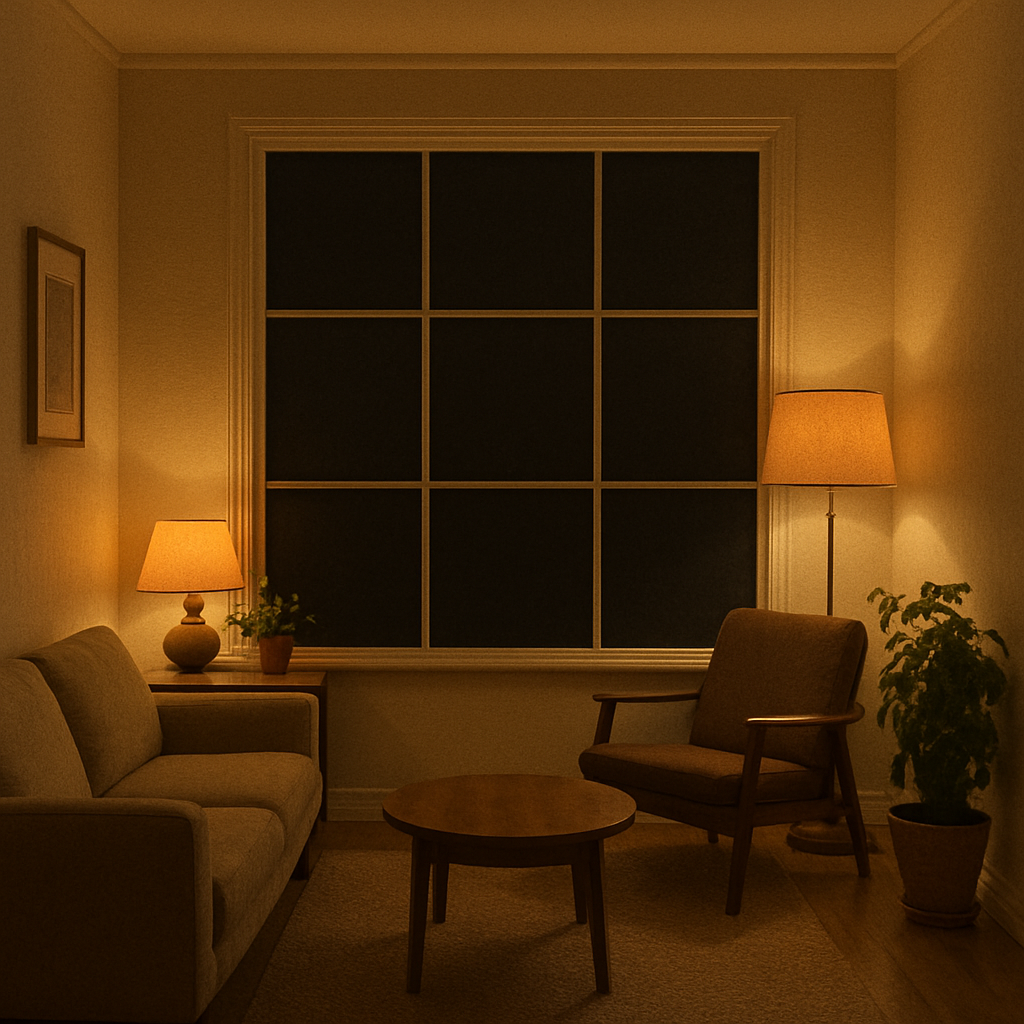
A cozy room with blackout window film

Enhanced Privacy and Security

One of the most significant benefits of blackout window film is the privacy it provides. By blocking all light, it also blocks the view into your home, making it impossible for anyone outside to see inside. This makes it an excellent choice for bedrooms, bathrooms, or any area where privacy is a concern.

Improved Sleep Quality

Blackout window film is also beneficial for improving sleep quality. By eliminating all sources of light, it creates an optimal environment for restful sleep, especially for those who work night shifts or have young children who nap during the day. The absence of light helps regulate the body’s natural sleep cycle, leading to better rest. According to the Sleep Foundation, exposure to light directly affects circadian rhythm and sleep quality.

Energy Efficiency

Another advantage of blackout window film is its contribution to energy efficiency. By blocking out sunlight, it reduces the amount of heat that enters a room, helping to keep spaces cooler during hot weather. This can lead to reduced reliance on air conditioning and lower energy bills. The U.S. Department of Energy notes that window coverings can significantly reduce heat gain and improve indoor comfort.

Versatility in Design

Interior designers appreciate blackout window film for its versatility. Available in various colors and finishes, it can complement any design scheme. Whether you prefer a sleek, modern look or a more traditional aesthetic, there’s a blackout window film to match your style.

Comparing Blackout Film to Other Privacy Solutions

Blackout Curtains vs. Blackout Window Film

While blackout curtains are another option for achieving privacy, they come with certain drawbacks. Curtains require more maintenance, can collect dust, and may not fit seamlessly into every design. On the other hand, blackout window film offers a clean, unobtrusive solution that integrates smoothly with the window itself.

Frosted and Privacy Window Films

Frosted and privacy window films are alternatives that offer some level of privacy without completely blocking light. These films provide a translucent effect, allowing light to filter through while obscuring the view. For those who prefer some natural light, these films may be a better option than blackout film.

Installation Considerations

Professional installer applying window film

by Mak (https://unsplash.com/@mak_jp)

DIY vs. Professional Installation

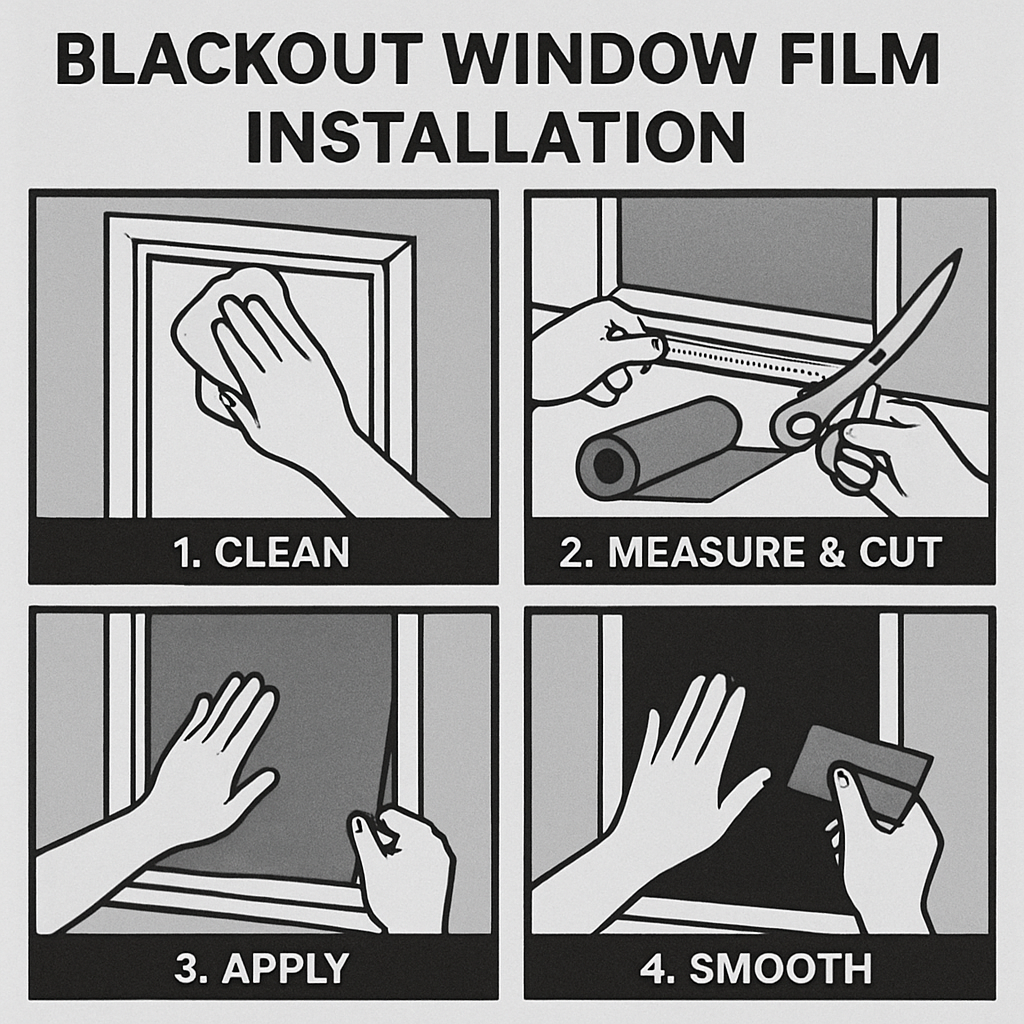
While some homeowners may choose to install blackout window film themselves, professional installation ensures the best results. A professional installer has the skills and experience needed to apply the film without bubbles, wrinkles, or imperfections.

Choosing the Right Film

Selecting the right blackout window film involves considering factors such as the intended purpose, the room’s design, and personal preferences. Consult with a professional to explore available options and determine the best fit for your needs.

Maintenance and Durability

Blackout window film is low maintenance and durable, requiring only occasional cleaning with a mild detergent and soft cloth. It is designed to withstand daily wear and tear, ensuring a long-lasting solution for privacy and light control.

Conclusion

Blackout window film is an effective and stylish solution for enhancing privacy, improving energy efficiency, and creating a comfortable living environment. Its complete opacity sets it apart from other window treatments, making it a top choice for those who need maximum light control. Whether you’re an interior designer looking to offer clients innovative solutions or a homeowner seeking to enhance your space, blackout window film is a versatile option that delivers on both functionality and aesthetics.

By understanding the unique properties and benefits of blackout window film, you can make informed decisions about its use in your home or design projects. With professional installation and the right selection, you can enjoy all the advantages that blackout window film has to offer.

Categories
Window Films and Window Tints

Nighttime Privacy with Window Films Do They Work

In the modern age of home improvement, achieving privacy without compromising style has become a significant concern for homeowners and interior designers alike. With open floor plans and expansive windows becoming more popular, maintaining privacy while still allowing natural light to flood into living spaces is a delicate balance. Window films have emerged as a versatile solution, offering privacy while enhancing the aesthetic appeal of your living spaces. They provide a sleek, modern alternative to traditional window coverings, blending seamlessly with any decor. But do they work effectively at night? Let’s delve into the world of window films and explore their role in providing nighttime privacy.

Window films are thin, adhesive layers applied to windows to control light, increase privacy, and improve energy efficiency. They come in various styles, including frosted, tinted, and blackout films, each serving different purposes. These films not only enhance privacy but also add a layer of protection against harmful UV rays and reduce glare, making them a multifunctional home improvement choice. According to the U.S. Department of Energy, properly selected window films can also contribute to improved energy performance in homes. While daytime privacy is often achieved with ease, nighttime privacy requires a more strategic approach. This is because the dynamics of light exposure change, necessitating a careful selection of window film type to ensure optimal privacy around the clock.

During the day, window films work by reflecting light, which makes it difficult for outsiders to see inside. This reflective property is particularly effective when the outside is brighter than the inside, creating a one-way mirror effect. However, at night, when interior lights are on, the situation reverses. The light from inside your home can make it easier for people outside to see in. This is where the choice of window film becomes crucial for maintaining privacy after dark. The effectiveness of a window film at night often depends on its opacity and the presence of additional window treatments such as blinds or curtains.

Choosing the right type of window film is essential for ensuring privacy at night. Each type of film offers different benefits and levels of privacy, so understanding your specific needs is vital. Here are some options that can help:

Blackout window films are designed to block light completely. They are ideal for bedrooms or rooms where you need maximum privacy and darkness. These films prevent any light from passing through, ensuring that no one can see inside, regardless of the time of day. If you’re considering ways to enhance comfort and privacy, you may also want to explore comfort with blackout films. Beyond privacy, blackout films are also excellent for creating a dark environment conducive to better sleep by blocking out streetlights and early morning sun. However, their complete opacity means they also block out natural light during the day, which may not be ideal for all rooms.

Frosted films offer privacy by obscuring the view from both inside and outside. They allow natural light to filter through while preventing prying eyes. Frosted films are suitable for bathrooms, offices, and any room where you want to maintain some level of light while ensuring privacy. The subtle, elegant appearance of frosted films can also add a decorative touch to your windows, doubling as an interior design element. They are available in various patterns and designs, allowing for customization to match your decor style while providing the privacy you need.

Reflective films work by bouncing light off the surface, creating a mirror-like effect. While they offer excellent daytime privacy, their effectiveness decreases at night when the interior lights are on. This is because the reflective quality diminishes when the light source is stronger inside than outside. To enhance nighttime privacy, consider pairing reflective films with curtains or blinds. This combination can provide the flexibility to enjoy natural light during the day and complete privacy at night, making it a versatile solution for various settings.

Window films provide several benefits beyond privacy. They are a smart investment for any home or office, offering long-term advantages that go beyond immediate aesthetic improvements. Here are some additional advantages:

Window films can significantly reduce heat gain during the summer and heat loss during the winter. This helps in maintaining a comfortable indoor temperature, reducing the need for heating and cooling systems, and ultimately lowering energy bills. By acting as an insulator, window films contribute to energy conservation, making your home more environmentally friendly. This efficiency not only saves money but also enhances your home’s overall sustainability footprint, an increasingly important consideration for modern homeowners.

Prolonged exposure to UV rays can damage furniture, flooring, and artwork. Window films block up to 99% of harmful UV rays, protecting your interiors from fading and extending the life of your furnishings. The U.S. Environmental Protection Agency (EPA) explains how UV radiation can impact both materials and human health, reinforcing the importance of UV protection indoors. This protective feature is crucial for maintaining the vibrancy and condition of your home’s interiors, preserving the value of your investments. Additionally, by reducing UV exposure, window films can also help protect your skin from harmful rays when indoors, adding another layer of health protection.

Compared to other privacy solutions like blinds or curtains, window films are often more cost-effective. They offer a long-term solution without the need for frequent replacements or maintenance. The initial investment in window films can pay off over time with reduced energy costs and extended life of interior furnishings. Moreover, their durability means less hassle and lower costs in terms of replacements or repairs, providing peace of mind alongside privacy and style.

The installation of window films requires precision and expertise. A professional installation ensures that the film is applied smoothly and effectively without bubbles or creases. This not only enhances the film’s appearance but also its longevity and performance. Moreover, window films can be customized to suit your specific needs, whether you prefer a particular design, pattern, or level of opacity. Customization options allow homeowners to maintain their unique style while addressing specific privacy and aesthetic concerns.

As an interior designer, understanding your client’s unique requirements is crucial. Window films can be tailored to match the aesthetic of any space, providing a seamless blend with the existing decor. This customization is key to delivering a solution that not only meets privacy needs but also enhances the overall look of the room. Whether opting for a minimalist design or a bold statement piece, window films offer the flexibility to support any vision. By working closely with clients, designers can ensure that the chosen films meet both functional and stylistic goals, creating spaces that are both beautiful and secure.

While window films offer various benefits, it’s essential to consider some factors for optimal nighttime privacy. Understanding these factors can help maximize the effectiveness of window films and ensure they meet your specific needs.

For enhanced privacy, especially at night, consider layering window films with other treatments like curtains or blinds. This combination provides flexibility, allowing you to adjust the level of privacy and light according to your preferences. The ability to draw curtains or close blinds at night adds an extra layer of security and peace of mind. Layering also allows you to play with textures and colors, adding depth and interest to your window design while maintaining functionality.

Evaluate the light sources in and around your home. Exterior lighting, such as streetlights or neighbor’s lights, can impact the effectiveness of window films at night. Adjusting these light sources or choosing a suitable film can enhance privacy. Consider using outdoor lighting that minimizes glare and strategically positioning interior lights to reduce visibility from outside. This strategic assessment ensures that your window films perform optimally, providing the privacy and comfort you desire.

Window films offer a practical and stylish solution for achieving privacy while enhancing the aesthetics of your living spaces. Whether you choose blackout, frosted, or reflective films, understanding their benefits and limitations is crucial for ensuring nighttime privacy. Each type of film has its unique advantages, making it essential to assess your specific needs and environment before making a choice. By tailoring your choice to your specific needs and considering additional treatments, window films can be an effective part of your home improvement strategy.

As a trusted source of home improvement solutions, I am committed to providing quality and precision in window film installations, ensuring that your privacy and aesthetic needs are met with excellence. With the right approach and materials, you can transform your home into a private, elegant sanctuary that reflects your personal style and meets your practical needs. Explore the world of window films and transform your home into a private, elegant sanctuary today.