Categories
Window Films and Window Tints

Case Study on Security Film For Windows

In today’s world, ensuring the safety and privacy of one’s home is paramount. Windows, while essential for light and views, can often be a point of vulnerability. This is where security film for windows comes into play. This case study delves into the benefits and applications of security film, showcasing its effectiveness in enhancing home security, privacy, and even energy efficiency.

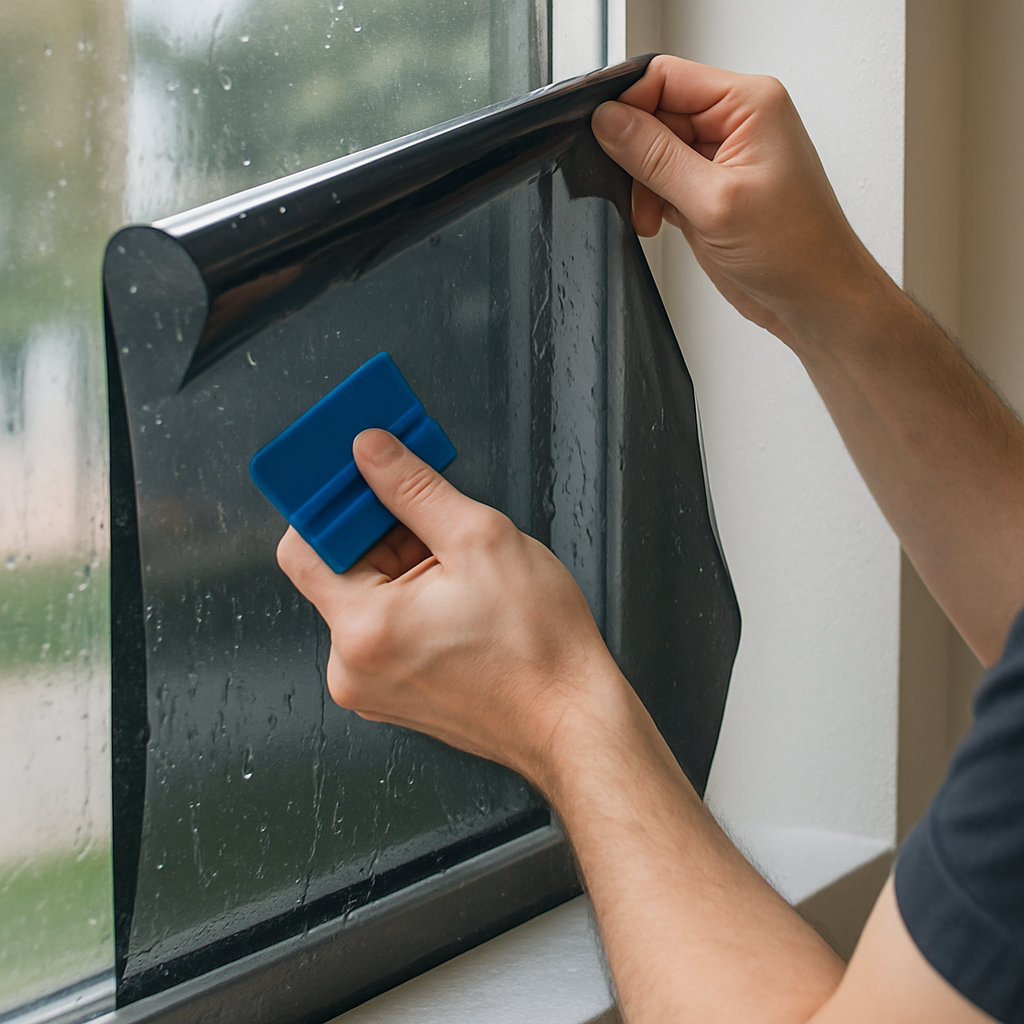
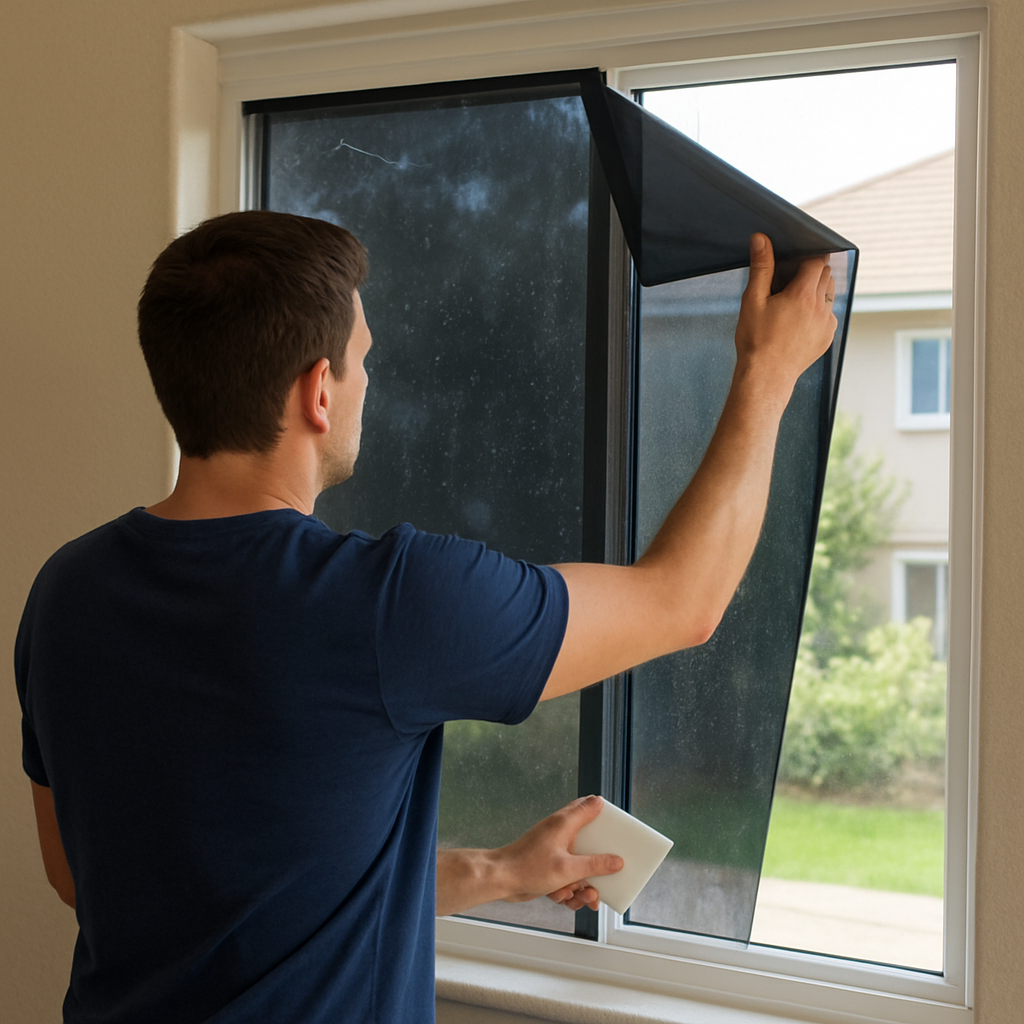
security_film_on_windows(Security film applied to home windows)

Security film is a thin, transparent layer applied to glass surfaces. Its primary function is to hold glass shards together in case of breakage, preventing injury and deterring break-ins. But the benefits extend far beyond just security.

  1. Enhanced Security: Security film adds an extra layer of protection, making it more difficult for potential intruders to break through. In the event of an attempted break-in, the film holds the glass together, delaying entry and often deterring criminals.
  2. Improved Privacy: Privacy window film can obscure views from outside without sacrificing natural light. This is particularly beneficial for homes in densely populated areas or those with large windows.
  3. UV Protection: Security films can block up to 99% of harmful ultraviolet rays, protecting furnishings and occupants from sun damage.
  4. Energy Efficiency: By reducing heat transfer, window films can lower energy costs. During summer, they help keep interiors cool, while in winter, they prevent heat from escaping.
  5. Aesthetic Appeal: Available in various tints and finishes, security films can complement interior designs, offering a stylish yet functional window solution.

An interior designer, tasked with upgrading a mid-century home, faced the challenge of enhancing both security and aesthetics without compromising the architectural integrity of the property. The homeowners were particularly concerned about privacy and energy efficiency, given the home’s large, south-facing windows.

The designer recommended a comprehensive application of security film for windows throughout the home. This choice was driven by the film’s dual ability to provide security and enhance the home’s energy efficiency without altering its aesthetic appeal.

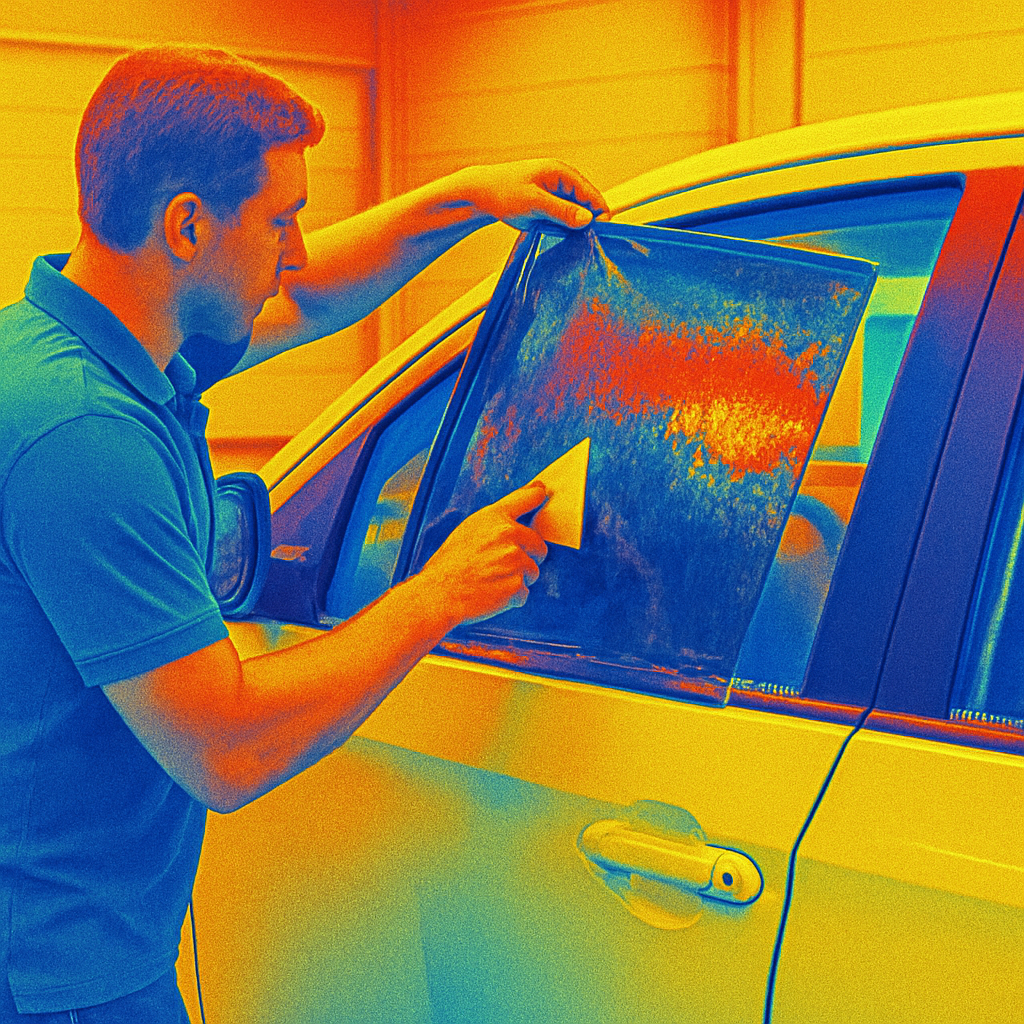
home_window_upgrade(Upgrading home windows with security film)

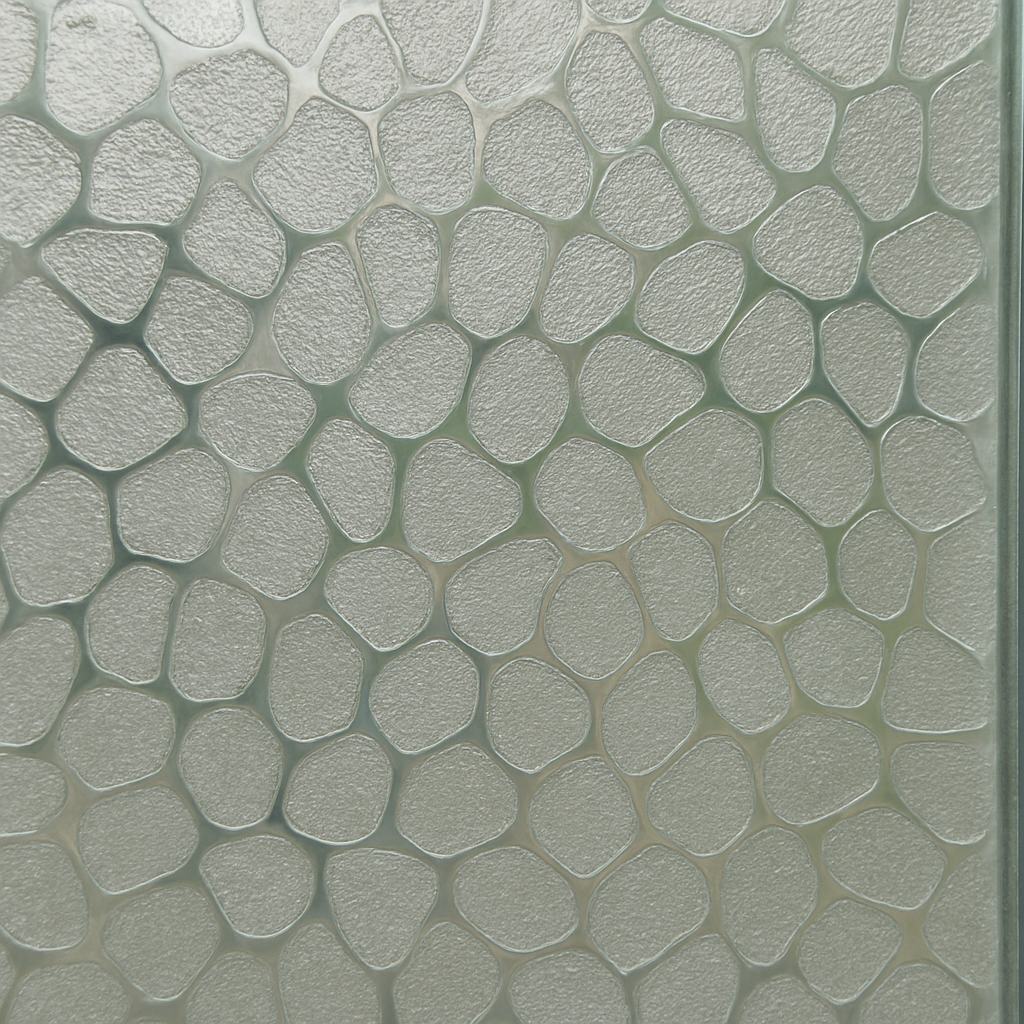
  1. Selection of Film: A clear security film was chosen for the main living areas to maintain unobstructed views. For the bedrooms and bathrooms, a privacy window film with a frosted finish was selected to ensure discretion.
  2. Installation: The installation was carried out by a professional team, ensuring precision and minimizing disruption to the household. The process was completed within a week, thanks to the team’s expertise and the pre-planned schedule.
  3. Post-Installation Assessment: After installation, the homeowners reported an immediate difference in both comfort and security. The temperature regulation was noticeable, and the enhanced privacy was a welcome change.
  • Security Enhancement: The homeowners felt safer knowing their windows were fortified against potential threats. The film’s ability to hold broken glass in place was tested during a severe storm, and it performed exceptionally well, preventing any glass from shattering into the home.
  • Increased Privacy: The frosted films provided the desired privacy without compromising on natural light, a critical factor for the homeowners who valued bright, open spaces.
  • Energy Savings: Utility bills showed a marked decrease in energy consumption, validating the energy efficiency claims of the window films. The reduction in heat gain during summer months was particularly appreciated.
  • Aesthetic Integration: The films blended seamlessly with the home’s mid-century design, maintaining the clean lines and open feel that the homeowners loved.

When selecting security film, consider the following factors:

  1. Purpose: Determine whether the primary need is security, privacy, or both. This will guide the choice between clear and tinted or frosted films.
  2. Quality: High-quality films are more durable and effective. Look for films that meet industry standards and come with a warranty.
  3. Professional Installation: While DIY kits are available, professional installation ensures the best results and longevity of the film.
  4. Compatibility: Ensure the film is suitable for your window type and that it won’t void any existing warranties on your windows.

Security film for windows offers a multifaceted solution to common homeowner concerns. As demonstrated in this case study, it provides significant benefits in terms of security, privacy, energy efficiency, and aesthetics. For interior designers and homeowners alike, security film represents a smart, stylish investment in the safety and comfort of a home.

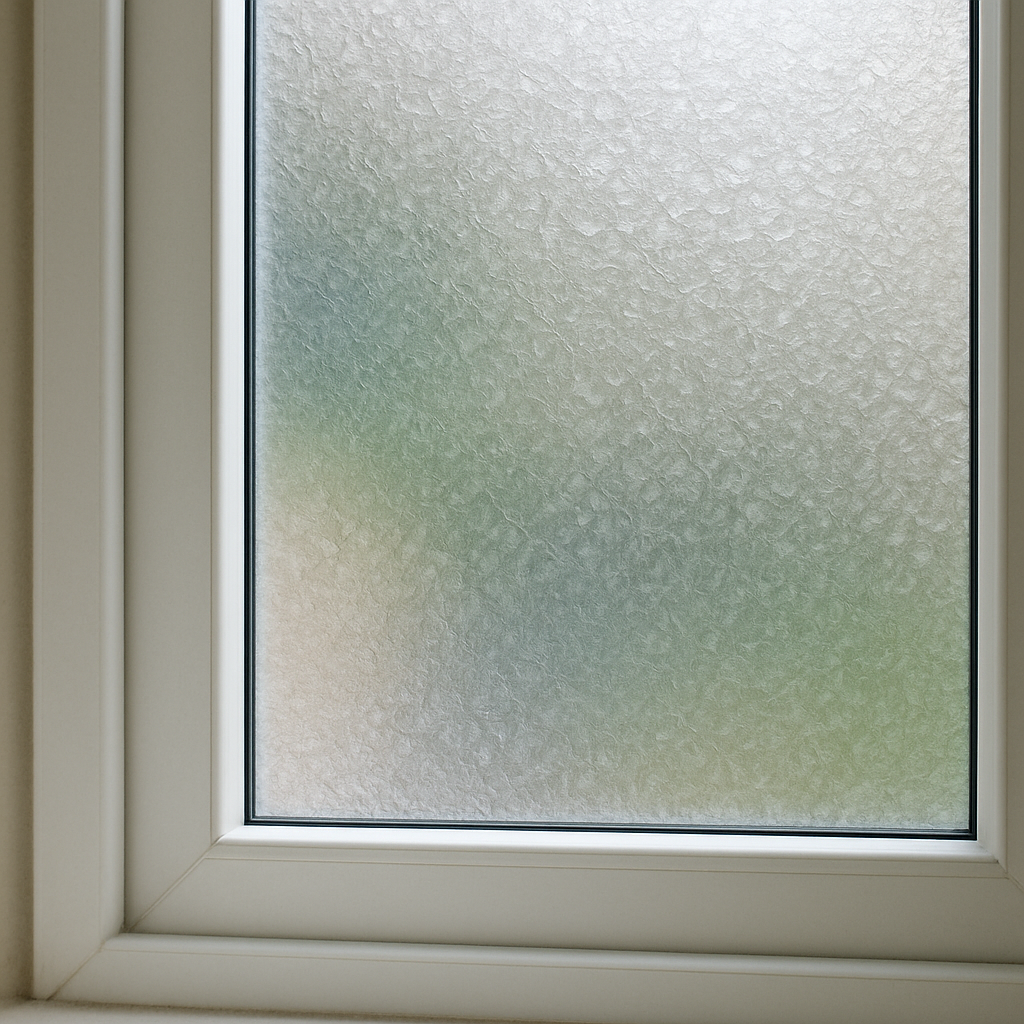
window_protection(Protection and aesthetic enhancement with window films)

By choosing the right film and ensuring professional installation, you can transform vulnerable glass surfaces into fortified barriers that enhance both the security and the beauty of your living spaces. Embrace the innovative potential of security films, and enjoy the peace of mind that comes with a well-protected home.
Categories
Window Films and Window Tints

Do Window Tinting Solutions Stop Cold Air from Getting In

When it comes to enhancing the comfort and energy efficiency of your home, window tinting solutions can play a pivotal role. Whether you’re an interior designer looking to offer your clients innovative ways to improve their living spaces, or a homeowner seeking to reduce energy savings, understanding the benefits of window tinting is key. This article will explore whether window tinting solutions can help stop cold air from getting in and how they can complement your design projects.

Window tinting is more than just an aesthetic enhancement for cars and buildings. It involves applying a thin laminate film to the glass surfaces of windows, providing a range of benefits. While most people are familiar with car window tinting, the benefits of home and office window tinting solutions are equally significant.

How Window Tinting Works

Window tinting solutions work by reflecting or absorbing heat and light. Different types of films have varying levels of performance in terms of heat rejection, glare reduction, and UV protection. By selecting the right type of film, you can achieve the desired level of comfort and energy savings for any space.

Benefits of Window Tinting Solutions

Energy Efficiency

One of the primary reasons homeowners and designers choose window tinting is its potential for energy savings. By reducing the amount of heat that enters through the windows, you can keep your home cooler in the summer, reducing the need for air conditioning. Conversely, in the colder months, window tinting can help retain heat inside, potentially lowering heating costs.

Enhanced Comfort

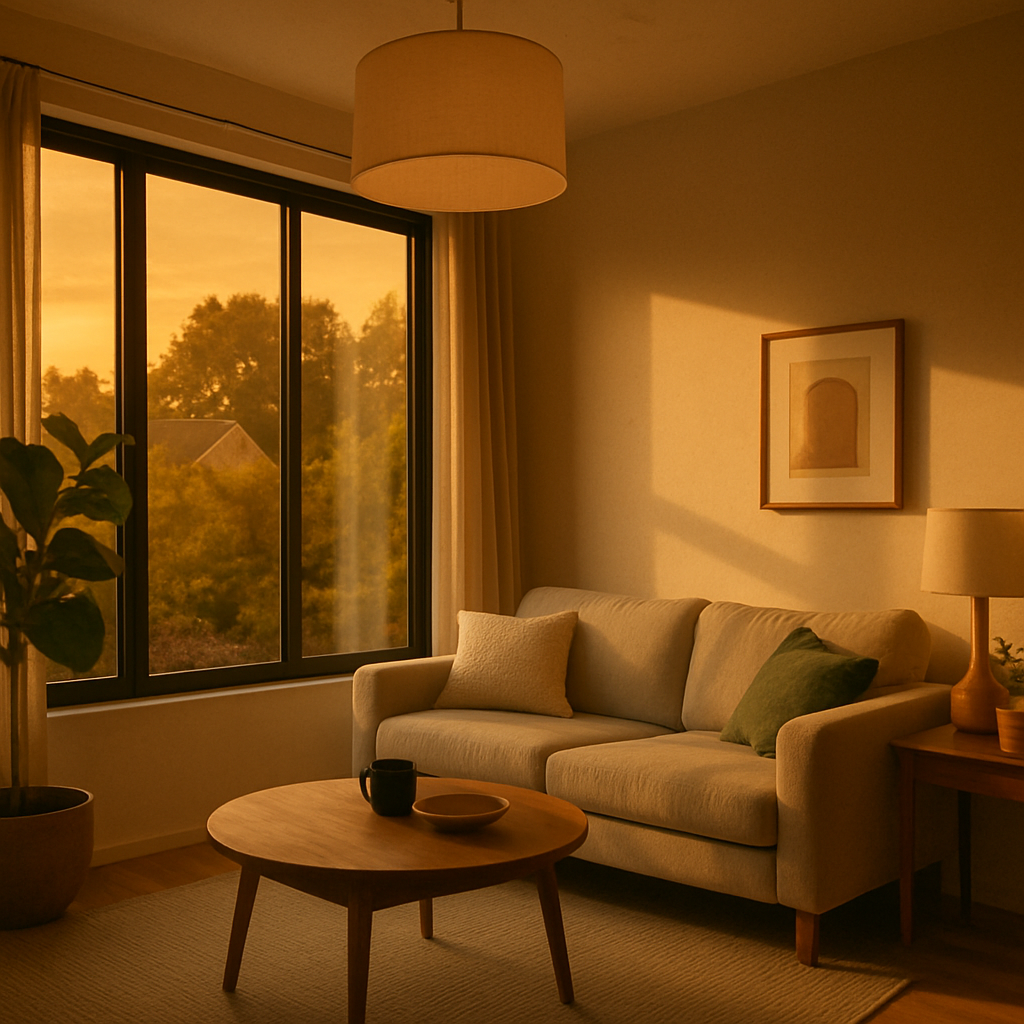
Home interior with tinted windows for comfort

Window tinting doesn’t just stop at energy efficiency; it also enhances comfort by maintaining a more consistent indoor temperature. This means no more cold drafts near windows or excessive heat during summer months. By reducing glare and filtering out harmful UV rays, tinted windows also protect your furniture and interior finishes from fading, adding to the longevity of your design efforts.

Privacy and Security

Tinted windows can also provide an added layer of privacy and security, which is a significant consideration for many homeowners. Depending on the type of film used, you can achieve varying degrees of privacy without sacrificing natural light. This can be particularly beneficial for ground-level rooms or spaces close to busy streets.

Do Window Tinting Solutions Stop Cold Air?

The short answer is that window tinting solutions can help in reducing the amount of cold air entering through windows, but they do not completely stop it. Here’s how they make a difference:

Insulation Properties

Window tinting adds an extra layer of insulation to your windows. High-performance films can reduce heat loss through windows, making them an effective solution for improving thermal efficiency. While they don’t seal windows against drafts, they can significantly reduce the heat transfer that occurs through glass.

Types of Films for Cold Weather

To maximize the benefits during colder months, consider films that are specifically designed for insulating properties. These films often feature low emissivity (Low-E) coatings, which reflect heat back into the room and minimize heat loss. Low-E films can be especially beneficial in climates with extreme temperature fluctuations.

Complementary Measures

For the best results, window tinting should be part of a broader strategy to improve your home’s energy efficiency. Combining window films with other measures, such as caulking, weatherstripping, and using thermal curtains, can further reduce cold air infiltration.

Choosing the Right Window Tinting Solution

Selection of window film options for energy efficiency

by Bridget Adolfo (https://unsplash.com/@bridgetadolfo)

When selecting window tinting solutions, it’s essential to consider factors such as climate, window orientation, and the specific needs of the space. As an interior designer, you can guide your clients by offering solutions that align with both their aesthetic preferences and functional requirements.

Consider the Aesthetic

Window films come in various shades and finishes, from clear to mirrored or frosted. This variety allows you to choose a solution that complements the interior design of the space. For a sleek, modern look, you might opt for a neutral or reflective film, while decorative films can add a touch of style or privacy without compromising light.

Professional Installation

For optimal performance, window tinting should be professionally installed. This ensures the film is applied correctly, without bubbles or imperfections, and adheres properly to the glass. Professional installation also guarantees that your films last longer and perform as expected.

Real-World Applications and Case Studies

Residential Homes

In residential applications, window tinting has proven to be an effective solution for reducing energy bills and enhancing comfort. For instance, a family in a northern climate might install Low-E films to better retain heat during the winter, leading to noticeable savings on heating costs.

Commercial Buildings

In commercial settings, window tinting can contribute to significant energy savings and improved tenant satisfaction. Office buildings with large glass facades benefit from reduced cooling costs and increased employee comfort, thanks to minimized glare and more consistent indoor temperatures.

Conclusion

While window tinting solutions might not completely stop cold air from getting in, they offer substantial benefits that enhance energy efficiency, comfort, and aesthetics. By understanding the capabilities and limitations of window films, you can make informed decisions that meet both your design goals and your clients’ needs.

As a trusted and reliable source of information on window tinting, you can confidently recommend these solutions to enhance any living or working space. Whether you are interested in reducing energy bills, enhancing privacy, or simply achieving a more comfortable environment, window tinting is a versatile and valuable option worth considering.

Categories
Window Films and Window Tints

Do Window Films Actually Keep Heat Out of Your Home

When summer arrives, the rising temperatures can turn our homes into sweltering ovens. Many homeowners seek effective solutions to keep their living spaces cool and comfortable. One increasingly popular option is the installation of window films. But do window films actually keep heat out of your home? Let’s explore the effectiveness of window films in reducing heat and enhancing home comfort.

Window films are thin layers of material applied to glass surfaces. They come in a variety of types, including solar control films designed specifically for heat reduction. These films work by reflecting and absorbing solar energy, thereby reducing the amount of heat entering your home.

How Solar Control Films Work

Solar control films are crafted with advanced technology that helps in blocking a significant portion of the sun’s heat. The films are composed of multiple layers, including metalized coatings that reflect infrared radiation. This reflection keeps the heat outside while allowing natural light to pass through, maintaining visibility and brightness indoors.

Benefits of Window Films

  1. Heat Reduction: One of the primary benefits of window films is their ability to reduce heat. By reflecting and absorbing solar energy, window films can lower indoor temperatures significantly, making your home more comfortable during hot weather.
  2. Energy Efficiency: By keeping heat out, window films reduce the need for air conditioning, leading to lower energy consumption and reduced electricity bills. This eco-friendly approach not only benefits your wallet but also contributes to environmental sustainability.
  3. UV Protection: Window films block up to 99% of harmful ultraviolet (UV) rays. This protection prevents fading of furniture, flooring, and artwork, preserving the aesthetics of your interior design.
  4. Glare Reduction: Excessive sunlight can cause glare, making it difficult to watch TV or work on a computer. Window films reduce glare, improving visibility and comfort.
  5. Privacy and Security: Certain types of window films enhance privacy by limiting visibility from the outside. Additionally, thicker films provide added security by holding shattered glass together in case of breakage.

The Effectiveness of Thermal Window Tint

Thermal window tint installation

Thermal window tints are a specific category of window films designed to optimize temperature control within your home. They are particularly effective in regions with extreme temperatures, providing year-round benefits.

How Thermal Window Tint Works

Thermal window tints use advanced technology to regulate indoor temperatures. They are engineered to reflect the sun’s heat during summer while retaining warmth during winter. This dual functionality makes them an ideal choice for homeowners seeking consistent temperature control.

Advantages of Thermal Window Tint

  1. Year-Round Comfort: By balancing heat reflection and retention, thermal window tints ensure a comfortable indoor environment regardless of the season. You’ll experience cooler summers and warmer winters.
  2. Cost Savings: Reduced reliance on heating and cooling systems leads to significant cost savings on energy bills. Over time, the investment in thermal window tint pays for itself through lower utility expenses.
  3. Enhanced Property Value: Homes equipped with energy-efficient features, such as thermal window tints, often have higher market value. Prospective buyers appreciate the added benefits of reduced energy costs and improved comfort.

Choosing the Right Window Film for Your Home

Different types of window films

by Hc Digital (https://unsplash.com/@hcdigital)

Selecting the appropriate window film depends on several factors, including your climate, budget, and specific needs. Here are some considerations to help you make an informed decision:

Climate Considerations

In hot climates, solar control films with high heat rejection properties are recommended. These films prioritize heat reflection to keep interiors cool. In contrast, regions with colder climates benefit from thermal window tints that retain warmth during winter.

Budget and Cost

Window film costs vary based on quality and functionality. While high-performance films may have a higher initial cost, their long-term energy savings and durability make them a worthwhile investment. Consider your budget alongside the potential energy savings when choosing a film.

Professional Installation

For optimal performance, it’s advisable to have window films professionally installed. Skilled installers ensure the film is applied without bubbles or creases, maximizing its efficiency and longevity. Professional installation also guarantees the warranty provided by the manufacturer.

Real-World Applications and Success Stories

Many homeowners have successfully transformed their living spaces with window films. Here are a few real-world examples:

Case Study: The Eco-Friendly Home

A family in Arizona sought to reduce their energy consumption while maintaining a comfortable indoor temperature. They opted for high-performance solar control films for their large windows. The result? A 30% reduction in energy costs during the summer months and a noticeable improvement in indoor comfort.

Case Study: The Stylish Interior

An interior designer in California faced the challenge of enhancing both aesthetics and energy efficiency for a client’s modern home. By selecting a tinted window film that complemented the interior design, they achieved a sleek, stylish look while significantly reducing heat and glare.

Conclusion: Are Window Films Right for You?

Window films offer a practical and effective solution for reducing heat and enhancing comfort in your home. Whether you’re battling scorching summers or seeking year-round temperature control, the right window film can make a significant difference.

By investing in solar control films or thermal window tints, you not only enjoy a cooler, more comfortable living environment but also contribute to energy efficiency and sustainability. With professional installation and careful selection, window films become a valuable addition to any home, providing a blend of functionality and style.

If you’re considering window films, consult with a professional installer to explore the best options for your home and enjoy the benefits of a cooler, more energy-efficient living space.

Categories
Window Films and Window Tints

When and How to Remove Window Films from Glass Safely

Removing window films can be a challenging task for homeowners and professionals alike. Whether you’re dealing with aging window tints on your car, or outdated decorative films on home windows, knowing when and how to remove these films safely is crucial. This guide will walk you through the process of window film removal, ensuring you maintain the integrity of your glass surfaces while achieving the best results.

Window films serve a variety of purposes, from enhancing privacy and blocking UV rays to improving energy efficiency and adding decorative flair. According to the U.S. Department of Energy, certain window films can significantly reduce heat gain and energy costs. However, over time, these films can become outdated, damaged, or simply no longer serve their intended purpose. It’s important to recognize when it’s time for removal.

Signs It’s Time to Remove Window Film

  1. Bubbling or Peeling: When window films begin to bubble or peel, it’s a clear sign that they’re past their prime. This often occurs due to prolonged exposure to sunlight and heat, which can degrade the adhesive.
  2. Discoloration: Films may change color over time, especially if they’re exposed to harsh sunlight. This discoloration can detract from the aesthetic appeal and may affect the film’s UV-blocking capabilities. The EPA notes that UV protection plays an important role in indoor health and material preservation.
  3. Reduced Effectiveness: If you notice increased glare or heat inside your space, it might be time to assess whether your window films are still performing as expected.

Preparation for Window Film Removal

Tools needed for window film removal

Before you begin the removal process, gather the necessary tools and materials. This preparation will make the task more manageable and help avoid any damage to the glass.

Essential Tools and Materials

  • Utility Knife or Razor Blade: For cutting and lifting the film edges.
  • Spray Bottle with Soapy Water: To loosen the adhesive.
  • Plastic Scraper: To gently remove the film without scratching the glass.
  • Microfiber Cloth: For cleaning the glass after film removal.
  • Adhesive Remover: For stubborn glue residue.

Safety Precautions

  • Always wear gloves to protect your hands from sharp edges.
  • Ensure you’re working in a well-ventilated area, especially when using adhesive removers.
  • If you’re unsure about your ability to safely remove the film, consider hiring a professional.

Step-by-Step Guide to Window Film Removal

Car Window Film Removal

Removing window film from a car requires patience and precision. Follow these steps to ensure a successful removal.

  1. Soften the Adhesive: Park your car in a sunny area to naturally heat the windows, or use a hairdryer to warm the film. This softens the adhesive, making it easier to remove.
  2. Lift the Film Edge: Use a utility knife or razor blade to carefully lift a corner of the film. Be cautious to avoid scratching the glass.
  3. Peel Off the Film: Slowly peel the film away from the window. If it tears, reheat the area and try again. Use the spray bottle filled with soapy water to keep the adhesive moist.
  4. Remove Residual Adhesive: Use a plastic scraper and adhesive remover to tackle any remaining glue. Clean the window with a microfiber cloth to finish.

Home Window Film Removal

The process for home windows is similar, but there are a few additional considerations.

  1. Prepare the Area: Lay down a drop cloth to catch any debris and protect your flooring.
  2. Use Soapy Water: Spray the film generously with soapy water and let it sit for a few minutes to loosen the adhesive.
  3. Remove the Film: As with car windows, use a utility knife to lift a corner and peel the film slowly.
  4. Clean the Glass: After the film is removed, use an adhesive remover for any leftover residue and clean with a microfiber cloth.

Tips for Effective Window Film Removal

  • Work Slowly: Rushing can lead to mistakes. Take your time to ensure the film comes off cleanly.
  • Keep the Film Moist: Regularly spray the film with soapy water to prevent the adhesive from drying out.
  • Use the Right Tools: A plastic scraper is less likely to scratch glass compared to a metal one.

When to Seek Professional Help

Professional window film removal service

by Jose Antonio Gallego Vázquez (https://unsplash.com/@joseantoniogall)

Sometimes, the best course of action is to hire a professional, especially if:

  • The film is particularly old or stubborn.
  • You’re dealing with large window surfaces or high windows.
  • You’re not confident in your ability to remove the film without damaging the glass.

Professional services have the tools and expertise to remove window films efficiently and safely, saving you time and effort.

Conclusion

Removing window films can rejuvenate your space, enhance aesthetics, and improve functionality. By following the steps outlined in this guide, you can safely and effectively remove window films from both cars and home windows. Remember, preparation is key, and when in doubt, professional assistance is always a viable option.

Whether you’re updating your interior design or improving energy efficiency, removing old window films is an essential step in optimizing your living environment.

Categories
Window Films and Window Tints

How to Find Reliable Window Tinting Services Near You

Window films are an excellent addition to any home, offering benefits like enhanced privacy, reduced glare, and improved energy efficiency. However, maintaining their appearance and effectiveness requires understanding the safe cleaning methods for window films. Here, we’ll explore how to clean window films properly to ensure they last for years.

Window film is a thin layer applied to glass surfaces, designed to enhance privacy, reduce glare, and improve insulation. These films can be tinted, reflective, or decorative, and are often used in both residential and commercial settings.

Benefits of Window Film

Window films offer a variety of benefits, including:

  • Energy Efficiency: By reducing heat gain in summer and heat loss in winter, window films can significantly lower energy bills.
  • UV Protection: Films block harmful UV rays, protecting furnishings from fading.
  • Improved Privacy: Tinted or frosted films provide privacy without sacrificing natural light.
  • Aesthetic Appeal: Decorative films can enhance the look of windows without the need for costly glass replacements.

Understanding these benefits is crucial for interior designers seeking cost-effective solutions that improve aesthetics and energy efficiency.

The Importance of Proper Cleaning

cleaning supplies for window films

Proper cleaning is essential to maintain the benefits of window films. Incorrect cleaning methods can lead to scratches, bubbling, or peeling, shortening the life of the film.

Common Mistakes to Avoid

  • Using Abrasive Cleaners: Abrasive materials can scratch the film, damaging its appearance and performance.
  • Applying Excessive Pressure: Pressing too hard can cause the film to bubble or peel away from the glass.
  • Using Ammonia-Based Cleaners: These can degrade the film’s adhesive, leading to peeling.

By avoiding these mistakes, you can keep your window films looking great and performing well.

Safe Cleaning Methods for Window Films

To clean window films safely, follow these steps:

Step 1: Gather Your Supplies

You’ll need:

  • A soft microfiber cloth or sponge
  • A spray bottle
  • Mild dish soap or a vinegar-water solution
  • Distilled water

Step 2: Prepare the Cleaning Solution

Mix a few drops of mild dish soap with distilled water in a spray bottle. Alternatively, you can use a vinegar-water solution with equal parts of vinegar and water. Both options are safe for window films.

Step 3: Dust the Window

Use a dry microfiber cloth to remove any loose dust or dirt from the window. This step prevents scratches that can occur when dirt is rubbed against the film during cleaning.

Step 4: Spray the Cleaning Solution

Lightly spray the cleaning solution onto the window film. Be careful not to soak the film, as excessive moisture can damage the adhesive.

Step 5: Wipe Gently

Using a clean, soft microfiber cloth or sponge, gently wipe the window film in a circular motion. Avoid using too much pressure, as this can damage the film.

Step 6: Dry the Window Film

Use another dry microfiber cloth to gently dry the window film, removing any streaks or remaining moisture.

Tips for Long-Lasting Window Films

well-maintained window film in a living room

by Shigeko Fukaya (https://unsplash.com/@shige_jane)

In addition to proper cleaning, consider these tips to prolong the life of your window films:

Avoid Direct Sunlight During Cleaning

Cleaning window films in direct sunlight can cause the cleaning solution to evaporate too quickly, leaving streaks. Clean during cooler parts of the day for the best results.

Regular Maintenance

Regularly dusting and cleaning your window films helps prevent dirt buildup, which can lead to scratches and other damage over time.

Use Protective Barriers

If possible, use curtains or blinds to reduce direct sunlight exposure on the window film. This can prevent fading and extend the film’s life.

The Value of Professional Installation

For interior designers, ensuring a professional installation of window films is just as important as cleaning and maintenance. Professionals have the expertise to install films without bubbles or creases, ensuring a perfect finish.

Finding a Reliable Installer

When choosing an installer, consider their experience, customer reviews, and the types of films they offer. A reputable installer will provide guidance on the best films for your needs and offer maintenance tips.

Conclusion

Window films are a smart investment for enhancing privacy, energy efficiency, and aesthetics in any home. By following safe cleaning methods, you can ensure your window films remain in pristine condition for years. For interior designers, understanding these methods allows you to provide clients with stylish, eco-friendly window solutions that complement your designs and reduce energy costs.

When maintained properly, window films are a durable addition to your home or projects, offering long-term benefits that enhance living spaces beautifully and efficiently. Remember, whether you’re a homeowner or a designer, the key to long-lasting window films is regular care and professional installation.

Categories
Window Films and Window Tints

Window Films in Toronto and the GTA: How They Improve Comfort, Privacy, and Energy Control

Window films are one of the fastest-growing home upgrades in Toronto and the GTA. Homeowners search for window films when rooms feel too hot in summer, too bright during the day, or too exposed at night. If you’ve typed “window films Toronto” into Google, chances are you’re trying to solve a comfort problem, not just decorate your windows.

Across downtown Toronto, North York, Scarborough, Mississauga, Vaughan, and Markham, homes now include larger glass areas than ever. Condos use full glass walls. Detached homes have wider window openings. Glass brings light, but it also brings heat, UV rays, glare, and winter cold.

Window films are thin layers applied directly to your existing glass. They change how glass handles sunlight and temperature. You keep your windows. You improve how they perform.

Many homeowners begin by reading about window films before deciding which type fits their situation.

How Window Films Work on Residential Windows

Standard glass allows sunlight to pass through easily. When sunlight enters a room, it converts to heat and stays trapped. That is why one room can feel 5 to 10 degrees warmer than the rest of the house.

Window films add multiple micro-layers to the glass. These layers work together.

  • Solar layers reduce heat and glare
  • UV layers slow fading on floors and furniture
  • Privacy layers limit outside visibility
  • Safety layers help hold glass together when broken

Once installed, window films do not require daily action. There are no cords, no adjustments. They operate 24 hours a day.

A condo owner near Yonge and Eglinton struggled with strong west sun every afternoon. After installing solar window films, indoor glare reduced enough that blinds stayed open for the first time in months.

Why Window Films Are Important in Toronto Weather

Toronto experiences humid summers and freezing winters. Windows are often the weakest thermal point in a home.

In July, south-facing glass absorbs intense heat. In January, the same glass allows interior warmth to escape. This temperature swing affects comfort and energy bills.

Window films help reduce solar heat gain in summer and reduce radiant heat loss in winter. They are not insulation replacements, but they improve how glass performs.

According to Natural Resources Canada, improving window performance can lower residential energy use in Canadian homes. You can read more at: Natural Resources Canada – Energy Efficiency.

A homeowner in East York noticed their hardwood floors fading near large living room windows. After installing UV-focused window films, further fading slowed down noticeably over the next year.

Common Problems Window Films Solve

Most people install window films because of daily frustrations.

  • Overheating rooms in summer
  • Glare on computer monitors
  • Daytime privacy concerns
  • UV fading on furniture
  • Cold drafts near windows in winter

Many Toronto condos near the waterfront experience strong afternoon sun reflection from nearby buildings. Window films help soften that intensity.

Types of Window Films for Homes

Not all window films serve the same purpose. Choosing the right film depends on the problem.

Solar Control Window Films

These focus on heat and glare reduction. They are common in condos, living rooms, and home offices.

UV Blocking Window Films

These block harmful UV rays while keeping glass clear. They help protect interior finishes.

Privacy Window Films

Privacy films reduce visibility from outside during daylight hours. They are useful for front-facing homes and bathrooms.

This guide on privacy window films explains how to choose the right style.

Security Window Films

Security films help hold shattered glass together. They reduce injury risk and slow forced entry attempts.

Homes near busy streets often explore security window films for added protection.

Window Films vs Window Replacement

Many homeowners compare window films to replacing windows entirely.

Replacement is appropriate when frames rot or seals fail. But many windows are structurally fine. They simply allow too much heat and glare.

Window films cost significantly less than full window replacement. Installation is faster and avoids construction disruption.

A homeowner in Vaughan was quoted nearly $38,000 for new windows. Window films reduced solar heat gain without major renovation.

Real GTA Case Example

A small business owner in North York installed window films in their storefront first. After seeing improved comfort and reduced glare, they applied similar films at home. The result was noticeable lower afternoon heat indoors.

Another family in Mississauga added privacy window films to street-facing windows. Curtains stayed open, but outside visibility dropped during the day.

How Window Films Support Energy Efficiency

Window films reduce solar heat gain, measured by SHGC (Solar Heat Gain Coefficient). Lower SHGC means less heat entering through glass.

The U.S. Department of Energy provides an overview of how window films affect heat control: U.S. Department of Energy – Window Films Overview.

Reducing heat gain means air conditioners run less often. That can lower electricity usage during peak summer months in Toronto.

When Window Films Make Sense

Window films are ideal when:

  • Windows are structurally sound
  • Heat and glare are the main issue
  • Privacy is limited in dense neighborhoods
  • You want a faster solution than window replacement

They are not a fix for broken seals or damaged frames. But for comfort and UV control, they are practical.

Thinking About Window Films for Your Home?

If your home feels too warm in summer or too exposed near street-level windows, window films are worth researching further.

Each home in Toronto is different. Condo glass behaves differently than older brick homes. That’s why advice based on local experience matters.

Learn more about residential window films with Tintly Window Films and see which option fits your space.

::contentReference[oaicite:0]{index=0}