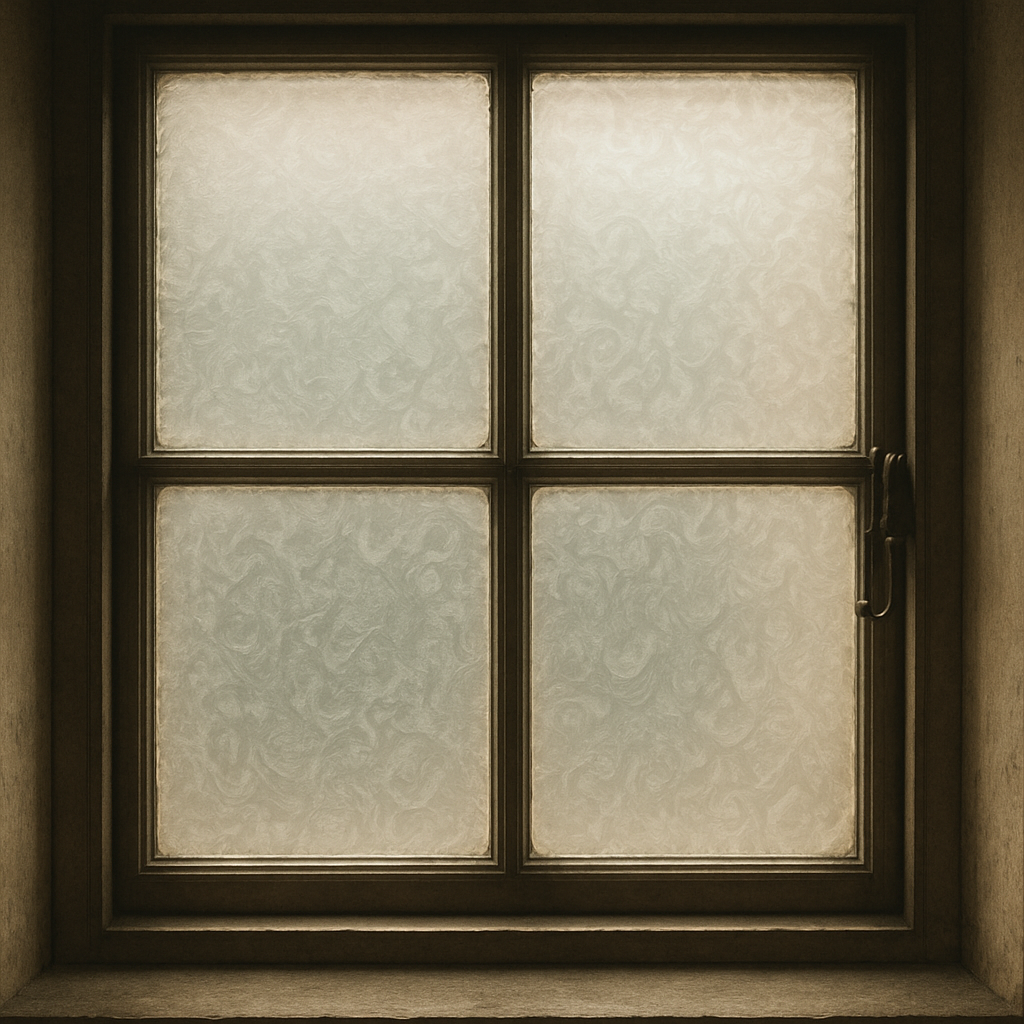
Frosted window film has come a long way since its inception, evolving into a versatile and essential solution for modern home interiors. It offers a blend of privacy, style, and energy efficiency that is hard to match. As an interior designer, you understand the importance of combining aesthetics with functionality to meet your clients’ needs. In this article, we will delve into the fascinating journey of frosted window film, exploring its benefits and how it continues to transform living spaces.
The concept of frosted glass dates back centuries, originally achieved through the labor-intensive process of acid etching or sandblasting. These methods, while effective, were costly and permanent. The demand for a more flexible and affordable solution led to the development of frosted window film in the late 20th century. This innovation allowed homeowners and designers to achieve the same elegant look without the permanence or expense of traditional methods.
Early Developments
Initially, frosted window films were simple, offering basic privacy and light diffusion. However, advancements in technology soon expanded their capabilities. Today, frosted films are available in a wide range of patterns, textures, and colors, providing endless possibilities for creativity and design.
The Benefits of Frosted Window Film
Frosted window film is not just about aesthetics. It offers a host of practical benefits that make it an attractive option for homeowners and designers alike.
Privacy Without Compromising Light
One of the primary reasons homeowners choose frosted window film is privacy. Whether it’s for a bathroom, office, or street-facing window, these films provide an effective barrier against prying eyes while allowing natural light to filter through. Unlike heavy curtains or blinds, frosted films maintain a bright and open atmosphere.
Energy Efficiency
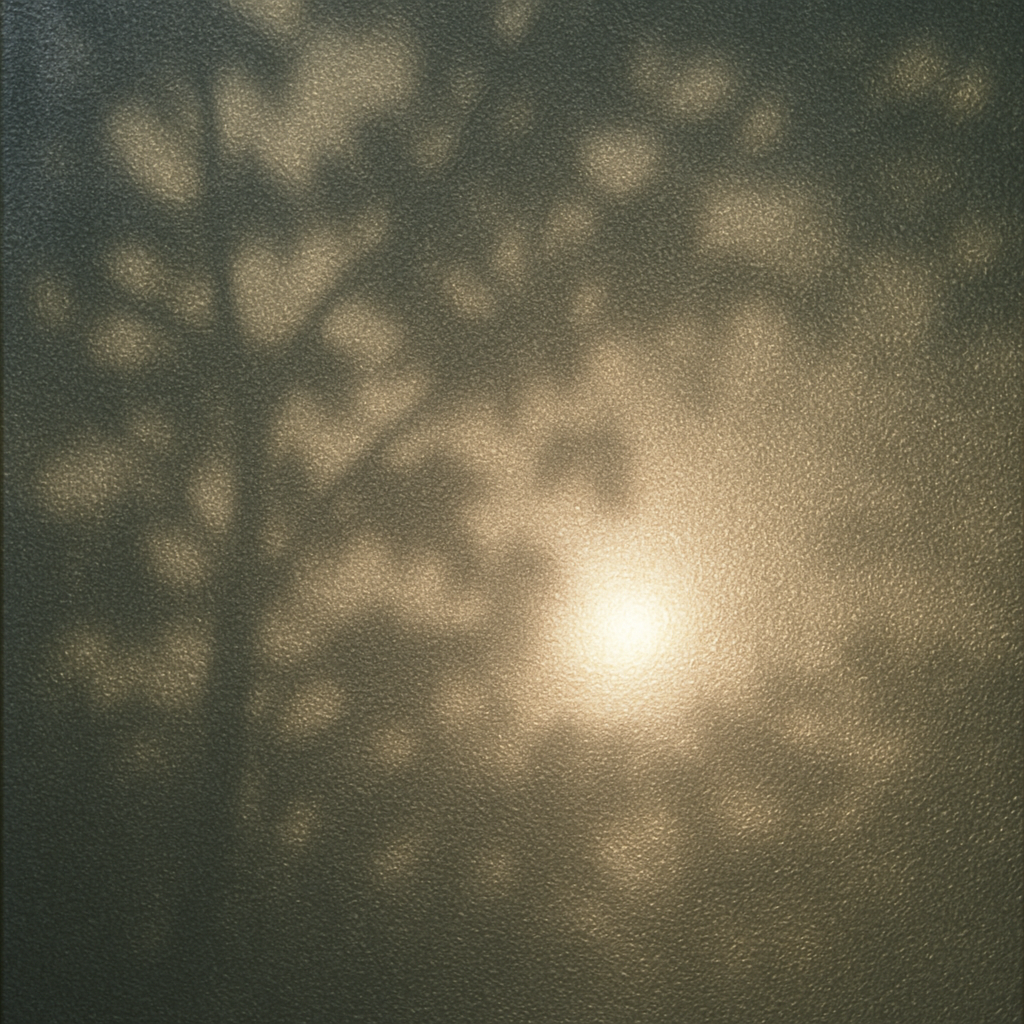
In today’s eco-conscious world, energy efficiency is a top priority for many homeowners. Frosted window film can help reduce energy consumption by insulating windows and minimizing heat transfer. During the summer, these films help keep interiors cool by reflecting sunlight, while in winter, they retain heat, leading to lower energy bills.
UV Protection
Frosted window films also protect against harmful UV radiation, which can cause fading and damage to furnishings and flooring over time. By blocking up to 99% of UV radiation, these films help preserve the integrity and appearance of your clients’ interiors.
Design Flexibility with Frosted Window Film
Frosted window film offers immense design flexibility, enabling you to tailor solutions to your clients’ unique needs and preferences.
Customizable Patterns and Textures
From geometric patterns to floral motifs, frosted films can be customized to suit any design aesthetic. This customization allows you to create cohesive and stylish interiors that reflect your clients’ tastes and complement their existing decor.
Branding Opportunities
For commercial spaces, frosted window film provides an excellent opportunity for branding. Logos, company names, or slogans can be incorporated into the film design, enhancing the professional appearance of an office or storefront.
Temporary or Permanent Solutions
One of the key advantages of frosted window film is its reversibility. Unlike etched glass, these films can be easily removed or replaced, making them ideal for temporary installations or rental properties. This flexibility is particularly appealing to clients who want to experiment with different looks without committing to a permanent change.
Installing Frosted Window Film

by Erik Mclean (https://unsplash.com/@introspectivedsgn)
The installation of frosted window film requires precision and expertise to ensure a flawless finish. As an interior designer, you may choose to collaborate with professional installers who can guarantee quality results for your clients.
DIY vs. Professional Installation
While some homeowners may opt for DIY installation, professional installation offers several benefits. Professionals have the tools and experience to apply the film smoothly, without bubbles or creases, ensuring a polished appearance. They can also advise on the best film options for specific needs, such as enhanced privacy or UV protection.
Maintenance and Care
Maintaining frosted window film is straightforward. Regular cleaning with a soft cloth and mild detergent will keep the film looking fresh. It’s important to avoid abrasive cleaners or tools that could scratch the film surface.
The Future of Frosted Window Film
The demand for frosted window film continues to grow, driven by its versatility and the increasing emphasis on sustainable living. Innovations in film technology promise to expand its capabilities even further.
Smart Films and Technological Advancements
Emerging technologies, such as smart films that change transparency at the touch of a button, are set to revolutionize the industry. These films offer dynamic privacy solutions that adapt to the needs of the moment, providing an exciting new option for designers and homeowners alike.
Sustainability and Eco-Friendly Solutions
As environmental concerns take center stage, manufacturers are focusing on creating eco-friendly window films with minimal environmental impact. These advancements will enhance the appeal of frosted window film as a sustainable choice for modern interiors.
Conclusion
Frosted window film has evolved into a dynamic and essential component of contemporary interior design. Its ability to balance privacy, style, and energy efficiency makes it an invaluable tool for interior designers seeking cost-effective solutions for their clients. As you explore the possibilities of frosted window film, you’ll discover a world of creative opportunities to enhance the beauty and functionality of any space. Whether for a residential or commercial project, frosted window film offers the perfect blend of form and function to meet your clients’ needs. Embrace this innovative solution and transform your clients’ spaces with confidence and style.