Removing window films can be a challenging task for homeowners and professionals alike. Whether you’re dealing with aging window tints on your car, or outdated decorative films on home windows, knowing when and how to remove these films safely is crucial. This guide will walk you through the process of window film removal, ensuring you maintain the integrity of your glass surfaces while achieving the best results.
Window films serve a variety of purposes, from enhancing privacy and blocking UV rays to improving energy efficiency and adding decorative flair. According to the U.S. Department of Energy, certain window films can significantly reduce heat gain and energy costs. However, over time, these films can become outdated, damaged, or simply no longer serve their intended purpose. It’s important to recognize when it’s time for removal.
Signs It’s Time to Remove Window Film
- Bubbling or Peeling: When window films begin to bubble or peel, it’s a clear sign that they’re past their prime. This often occurs due to prolonged exposure to sunlight and heat, which can degrade the adhesive.
- Discoloration: Films may change color over time, especially if they’re exposed to harsh sunlight. This discoloration can detract from the aesthetic appeal and may affect the film’s UV-blocking capabilities. The EPA notes that UV protection plays an important role in indoor health and material preservation.
- Reduced Effectiveness: If you notice increased glare or heat inside your space, it might be time to assess whether your window films are still performing as expected.
Preparation for Window Film Removal

Before you begin the removal process, gather the necessary tools and materials. This preparation will make the task more manageable and help avoid any damage to the glass.
Essential Tools and Materials
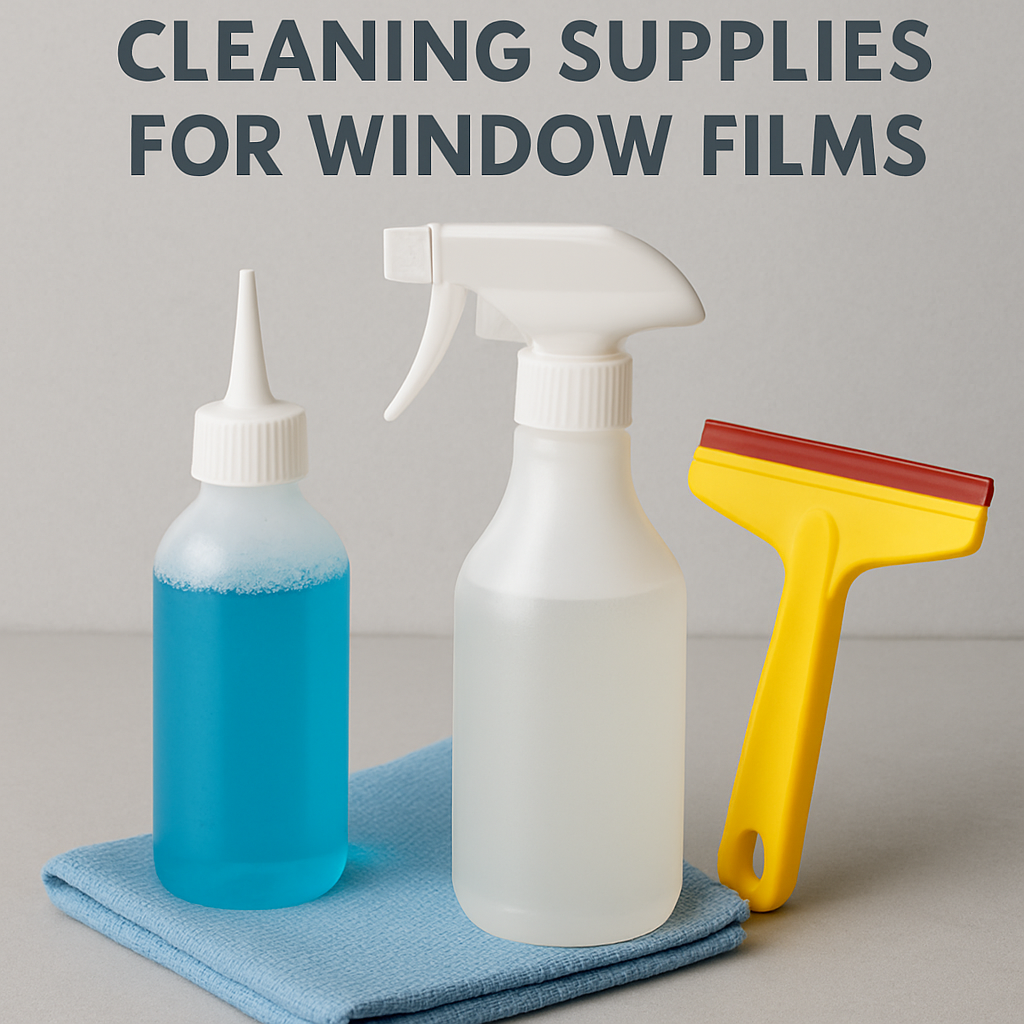
- Utility Knife or Razor Blade: For cutting and lifting the film edges.
- Spray Bottle with Soapy Water: To loosen the adhesive.
- Plastic Scraper: To gently remove the film without scratching the glass.
- Microfiber Cloth: For cleaning the glass after film removal.
- Adhesive Remover: For stubborn glue residue.
Safety Precautions
- Always wear gloves to protect your hands from sharp edges.
- Ensure you’re working in a well-ventilated area, especially when using adhesive removers.
- If you’re unsure about your ability to safely remove the film, consider hiring a professional.
Step-by-Step Guide to Window Film Removal
Car Window Film Removal
Removing window film from a car requires patience and precision. Follow these steps to ensure a successful removal.
- Soften the Adhesive: Park your car in a sunny area to naturally heat the windows, or use a hairdryer to warm the film. This softens the adhesive, making it easier to remove.
- Lift the Film Edge: Use a utility knife or razor blade to carefully lift a corner of the film. Be cautious to avoid scratching the glass.
- Peel Off the Film: Slowly peel the film away from the window. If it tears, reheat the area and try again. Use the spray bottle filled with soapy water to keep the adhesive moist.
- Remove Residual Adhesive: Use a plastic scraper and adhesive remover to tackle any remaining glue. Clean the window with a microfiber cloth to finish.
Home Window Film Removal
The process for home windows is similar, but there are a few additional considerations.
- Prepare the Area: Lay down a drop cloth to catch any debris and protect your flooring.
- Use Soapy Water: Spray the film generously with soapy water and let it sit for a few minutes to loosen the adhesive.
- Remove the Film: As with car windows, use a utility knife to lift a corner and peel the film slowly.
- Clean the Glass: After the film is removed, use an adhesive remover for any leftover residue and clean with a microfiber cloth.
Tips for Effective Window Film Removal
- Work Slowly: Rushing can lead to mistakes. Take your time to ensure the film comes off cleanly.
- Keep the Film Moist: Regularly spray the film with soapy water to prevent the adhesive from drying out.
- Use the Right Tools: A plastic scraper is less likely to scratch glass compared to a metal one.
When to Seek Professional Help

by Jose Antonio Gallego Vázquez (https://unsplash.com/@joseantoniogall)
Sometimes, the best course of action is to hire a professional, especially if:
- The film is particularly old or stubborn.
- You’re dealing with large window surfaces or high windows.
- You’re not confident in your ability to remove the film without damaging the glass.
Professional services have the tools and expertise to remove window films efficiently and safely, saving you time and effort.
Conclusion
Removing window films can rejuvenate your space, enhance aesthetics, and improve functionality. By following the steps outlined in this guide, you can safely and effectively remove window films from both cars and home windows. Remember, preparation is key, and when in doubt, professional assistance is always a viable option.
Whether you’re updating your interior design or improving energy efficiency, removing old window films is an essential step in optimizing your living environment.